
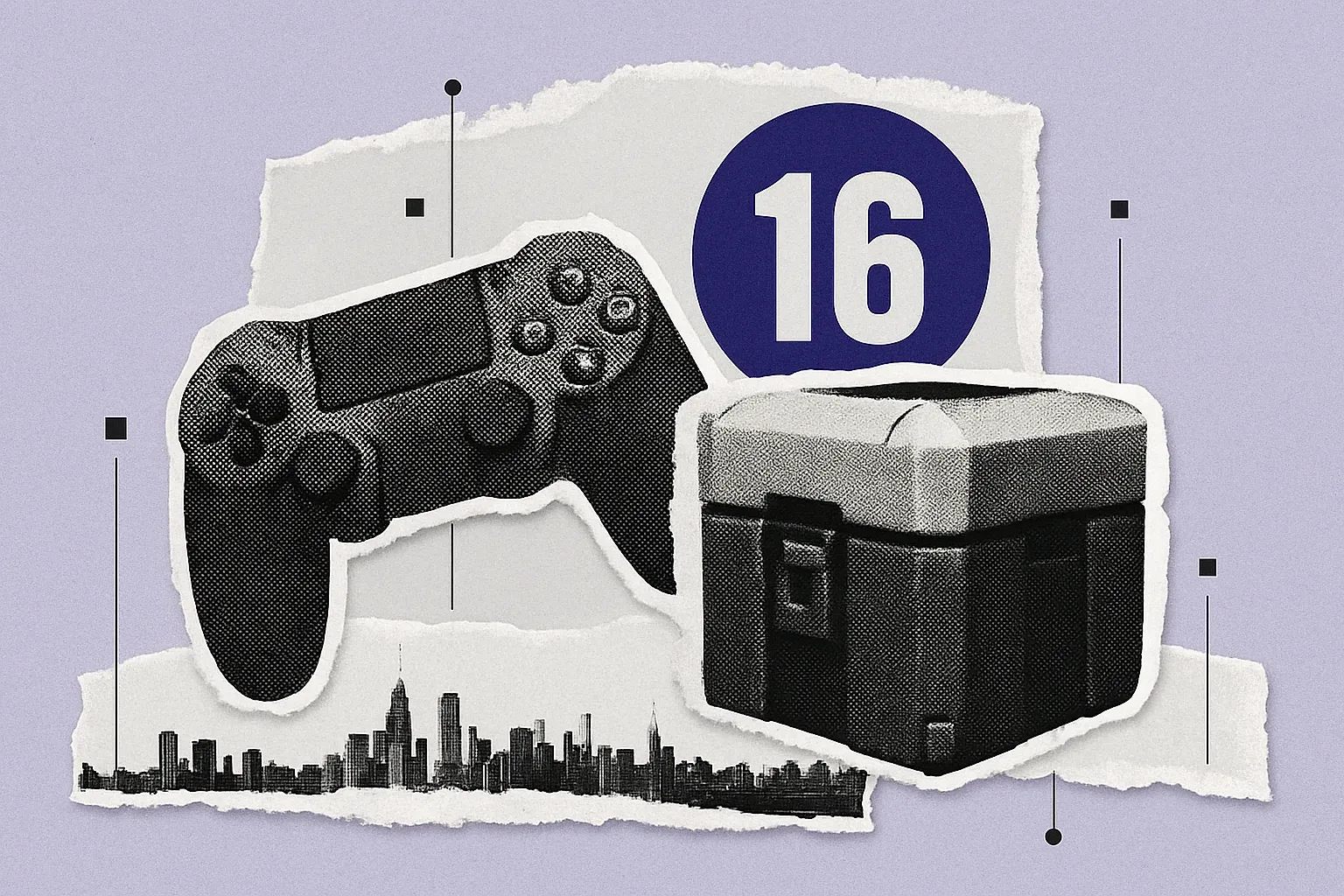

PEGI is moving existing digital-only games with paid random items to PEGI 16 across Europe. Here is what the loot box age rating change covers, where it applies, and what parents, storefronts, and live service teams should watch next.
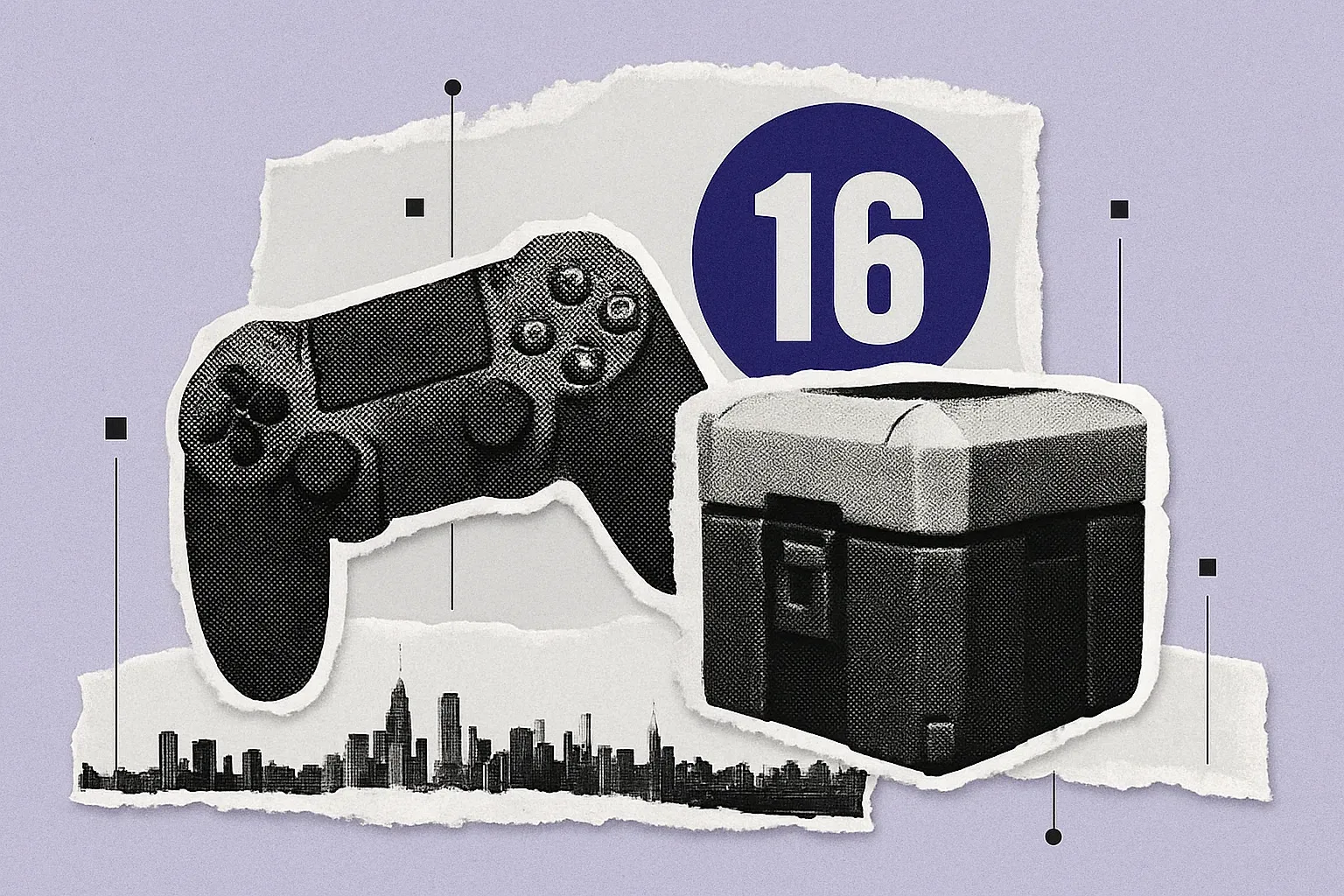
Image: mezha.net
PEGI’s loot box rating change is now hitting existing digital games
PEGI has begun moving existing digital-only games that include paid random items, such as loot boxes, to a PEGI 16 rating if they were previously rated PEGI 3, 7, or 12. GamesIndustry.biz reports that the Games Rating Authority, which administers PEGI in the UK, has started applying the updated criteria to selected existing digital products, with changes rolling out progressively through October.
The new label is PEGI 16 - Paid random items. According to GRA policy manager Connor Hinde, quoted by GamesIndustry.biz and Eurogamer from his LinkedIn post, the update applies whether a title was originally rated through PEGI’s Classic procedure or through the International Age Rating Coalition system, commonly used for digital storefront ratings.
That is the concrete shift. The tension is in the rollout. A game that has spent years sitting in a child-friendly rating band can now be moved into a 16 classification because of its monetisation design, even if its violence, language, or sexual content has not changed. For parents, that makes the age label a sharper warning about spending mechanics. For storefronts, it creates a metadata and compliance cleanup. For live service publishers, it turns a monetisation feature into a platform-facing age-rating risk.
Which systems are being pushed to PEGI 16
The change centers on “paid random items,” PEGI’s term as cited across GamesIndustry.biz, Eurogamer, Rock Paper Shotgun, and Inven Global. The clearest confirmed examples are loot boxes and comparable systems where players pay for a randomized outcome rather than buying a specific known item.
Rock Paper Shotgun describes the affected category as loot boxes, gacha mechanics, and similar paid random reward systems. Eurogamer identifies Zenless Zone Zero, a HoYoverse gacha action game, as a title that has seen its PEGI rating rise from 12 to 16 under the new approach. PocketGamer.biz, as cited by Rock Paper Shotgun, reported that Pokémon TCG Pocket and Fire Emblem Heroes have also been newly rated 16. Inven Global reports that Marvel Rivals was raised from PEGI 12 to PEGI 16 on European storefronts on October 17 local time.
The important boundary is payment plus randomness. A conventional in-game shop that sells a visible skin for a fixed price is not described in the provided source material as the target of this specific October re-rating. A reward track, battle pass, or event calendar may raise separate rating questions under PEGI’s broader 2026 framework, but the currently reported retroactive action is specifically attached to paid random items.
Eurogamer also notes that Monopoly Go still appeared as 9+ on the Apple games store at the time of its report, while pointing to its inclusion of randomized sticker packs and boxes. That is a useful example of the rollout’s uneven visibility, but it is not confirmation from PEGI in the supplied material that Monopoly Go has already been re-rated.
The rule is retroactive, but the October pass has limits
The October update is retroactive for selected existing digital-only games. That detail matters because live games are often years old, regularly patched, and commercially dependent on systems that were approved under older criteria. Inven Global quotes PEGI director general Dirk Bosmans saying online games can be serviced and updated over a very long period, and that the update is intended to keep age-rating standards from drifting out of line as older games remain popular.
According to Inven Global, PEGI began applying expanded rating standards to new releases in June, covering interactive risks such as in-game purchases, paid random items, communication features, and systems that incentivize continuous play. Under those standards, Inven Global says new games containing paid random items receive a default PEGI 16 rating. The October stage expands the policy to existing live titles that previously sat at PEGI 3, 7, or 12.
GamesIndustry.biz reports that the re-rating applies regardless of whether a game was rated via PEGI Classic or IARC. That closes a potential loophole between traditional age-rating review and the automated or questionnaire-driven routes used by many digital storefronts. Hinde also acknowledged, according to GamesIndustry.biz and Rock Paper Shotgun, that a high volume of rating changes will happen in a short time and directed publishers and developers with questions to the PEGI Helpdesk.
What is less clear from the provided reporting is how broadly PEGI is applying other changes announced earlier in 2026. Rock Paper Shotgun notes that both Hinde’s post and PEGI’s site update specifically cover the paid random items change, while leaving unclear whether proposed changes around time-limited content, NFTs or blockchain-related mechanisms, and play-by-appointment systems are being applied at the same time.
For parents, the age label now flags monetisation risk more clearly
A PEGI 16 loot boxes label does not tell parents that a game suddenly became graphically violent. It tells them the rating board now treats paid random reward systems as significant enough to lift a lower-rated digital game into a mid-teen category. That is a different kind of warning, and it is the point of the change.
Eurogamer frames the update as a signal to parents and potential players that a game’s monetisation may not be appropriate for them or their family. The sources do not describe PEGI as banning these systems, removing them from games, or requiring refunds. The rating change is a classification measure, not a direct design mandate.
The practical effect depends heavily on how a household uses platform controls. If a console, mobile account, or storefront profile blocks access by PEGI age rating, a game moved from PEGI 3, 7, or 12 to PEGI 16 may become restricted for younger accounts. If those controls are not configured, the label still provides clearer information but may not change access by itself.
This is where the strategy layer for families resembles managing a live service economy: the headline rating is only one control point. Parents still need to look at spending permissions, password requirements, stored payment methods, platform family settings, and whether a child can buy premium currency that is then exchanged for randomized pulls, packs, boxes, or similar rewards.
Storefronts now have a ratings and metadata problem to solve
The immediate operational burden falls on the storefront ecosystem. Inven Global reports that the rollout will take place sequentially throughout October across digital storefronts that use the PEGI rating system, and that developers and publishers of affected games must update product details on each storefront and reflect the changed ratings in future marketing materials.
That sounds procedural, but in practice it is a lot of moving pieces. A digital product can appear across console stores, PC storefronts, mobile stores, publisher launchers, promotional pages, trailers, ad placements, and age-gated account systems. If the rating changes to PEGI 16 - Paid random items, every public-facing listing that carries the PEGI mark needs to avoid showing stale information.
The sources also show why players may see a messy transition. GamesIndustry.biz says changes are rolling out progressively through October rather than all at once. Eurogamer’s observation that Monopoly Go still appeared as 9+ on Apple at the time of publication shows that storefront data can lag, vary by platform, or sit outside the exact PEGI display players expect. That does not prove noncompliance for any particular listing, but it does mean readers should treat rating snapshots during the rollout as time-sensitive.
For storefront operators, the larger question is consistency. The same monetisation mechanic cannot be legible to parents if one page shows a raised PEGI age label, another shows an older app-store age marker, and a third highlights only “in-app purchases.” PEGI’s new descriptor gives stores a clearer vocabulary. The hard part is making that vocabulary visible everywhere a purchase decision happens.
Live service games face a new economy tradeoff
For live service teams, this is the part that changes the meta. Paid random items have often been attractive because they create repeat spending loops, recurring event pressure, and collection goals that can be refreshed without building a full new game. PEGI’s change does not remove that business incentive, but it raises the visibility cost for games trying to remain broadly accessible to younger audiences.
The reported examples cut across genres and business models. Eurogamer says EA Sports FC games are included in the policy change and notes that the series had previously been rated PEGI 3. It also points to Zenless Zone Zero moving from PEGI 12 to 16. Rock Paper Shotgun, citing PocketGamer.biz, names Pokémon TCG Pocket and Fire Emblem Heroes. Inven Global names Marvel Rivals. Together, those examples show that this is not confined to one platform category or one publisher style. Sports games, mobile gacha games, card collection, and competitive live service titles can all enter the same rating conversation if they sell randomized rewards.
The strategic choice for publishers is now clearer. Keep paid random item systems and accept PEGI 16 in Europe, or redesign monetisation toward direct purchase, non-random rewards, or other systems if a lower age rating is commercially important. The provided sources do not report any publisher announcing such a redesign in response to this rollout, so that remains an open question rather than a confirmed trend.
There is also a regional complication. GamesIndustry.biz and daily.dev both note that the ESRB said in March it would not adopt PEGI’s age-rating changes in the United States, with the ESRB citing potential confusion for users. That means the same game may carry a different age-rating signal in Europe than in the US. For global live service operations, that is another layer of regional compliance to manage, alongside pricing, content rules, platform policy, and local regulation.
The next questions are enforcement, consistency, and design response
PEGI’s October rollout gives players and parents a clearer answer to one search question: under PEGI rules 2026, paid random items games that would otherwise sit at PEGI 3, 7, or 12 are being moved to PEGI 16 when they are existing digital-only products covered by the current re-rating process. New submissions have been assessed under the expanded criteria since June, according to Hinde’s post as reported by Eurogamer and GamesIndustry.biz, and Inven Global’s account of PEGI’s June criteria.
The unanswered questions are where this goes after October. Rock Paper Shotgun notes uncertainty over whether other proposed PEGI changes, including rules around time-limited content, NFT or blockchain-related mechanisms, and play-by-appointment design, are being applied alongside the paid random item update. The supplied reporting confirms the loot box age rating change. It does not confirm a simultaneous mass re-rating for every other interactive risk category.
Regulatory pressure is also uneven. Rock Paper Shotgun points to Belgium treating paid loot boxes as gambling since 2018 and to a 2026 New York attorney general suit against Valve seeking to classify loot boxes as gambling, with Valve moving to dismiss and arguing, among other things, that “People enjoy surprises.” Those examples sit outside PEGI’s classification process, but they show the same design problem being contested through different systems: ratings, national gambling law, platform policy, and courts.
For readers, the practical advice is to check the current store page in your region, look specifically for PEGI 16 - Paid random items, and do not assume an older age rating still applies during the October transition. For developers and publishers, the calculation is equally direct. Randomized monetisation can remain profitable, but in PEGI territories it now carries a clearer age-rating cost.