
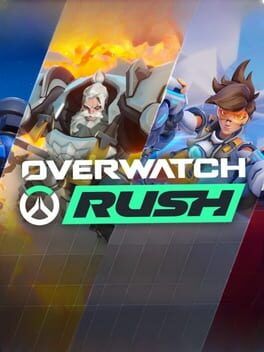

Blizzard’s new top‑down mobile spin‑off reimagines Overwatch as a 4v4 hero shooter built for touch controls. Here’s how Overwatch Rush plays, how it links to the main game, what Blizzard’s mobile history suggests, and what it will need to avoid becoming another short‑lived experiment.
Blizzard is finally taking Overwatch properly mobile with Overwatch Rush, a new top‑down hero shooter built specifically for touch screens. It is a standalone spin‑off, not a port, and it is in early development for iOS and Android with limited regional testing planned.
Below is a breakdown of what Blizzard is pitching, how it fits beside Overwatch 2’s live‑service ecosystem, and what Diablo Immortal and Warcraft Rumble tell us about the road ahead.
The core pitch: Overwatch, re‑shot from above
Overwatch Rush keeps the series’ team‑based hero combat but reframes it with a top‑down camera that looks closer to a MOBA or twin‑stick shooter. Instead of the familiar first‑person chaos, the camera hovers above the map, giving a wider view of engagements and clearer information in crowded fights.
Blizzard describes Rush as a game built “specifically for mobile,” not a scaled‑down client. Matches are short, generally around three minutes, with objective‑based combat that still looks a lot like classic Overwatch Control. Early gameplay footage shows teams skirmishing over capture points on maps like Busan, with payload and additional modes likely but not yet confirmed.
Visually, heroes are slightly exaggerated and stylized so their silhouettes and abilities read clearly from above. Abilities themselves appear close to their Overwatch 2 counterparts, but tuned for the new perspective and pacing so zoning tools, movement, and healing remain readable when viewed from a distance.
Controls and match flow: twin‑stick shooting for touch
Rush is designed around touch controls rather than controllers or mouse and keyboard. Blizzard has been explicit that this is a mobile‑first experience, and current builds support touchscreen input only.
Movement works on a virtual stick, with aiming and basic firing handled on the opposite side of the screen in classic twin‑stick fashion. Abilities and ultimates sit on large, radial buttons that are intended to be reachable with thumbs even on smaller phones. Early previews suggest the game is slower and more deliberate than PC Overwatch, with shorter ability ranges and slightly reduced movement speed to prevent the top‑down action from becoming unreadable.
The three‑minute match length is tuned for “on‑the‑go” play. Rush is not trying to recreate a 20‑minute MOBA or a full‑length competitive Overwatch match. The structure is closer to quick‑queue arcade games, with fast respawns and constant fighting rather than long rotations or setup phases.
Heroes, modes, and progression plans
Blizzard has not locked in a final roster, but early footage and press previews confirm several familiar faces: Tracer, Mercy, Reinhardt, Reaper, Lucio, Kiriko, Pharah, and Soldier: 76 among others. Their core fantasy remains the same. Reinhardt still charges and swings his hammer, Mercy still glides between teammates, and Tracer still blinks around the map.
Abilities, though, are simplified to suit touch controls and the overhead perspective. Area effects appear larger but shorter in duration, and some skill‑shots have broader hitboxes to keep the game from feeling fiddly on a small screen. Ultimate abilities remain big momentum swings, but their telegraphs are clearer from above so players can react even without precise crosshair aim.
Rush is being tested initially with a curated set of maps and what Blizzard calls “core modes.” Gameplay previews and the official blog focus on Control‑style objectives, where two teams fight to hold a point as a progress meter fills. Given Overwatch’s mode variety, it is reasonable to expect payload‑style or hybrid variants later, but Blizzard has not committed to them publicly.
Progression centers on hero unlocks and customization. Blizzard hints at playstyle customization for both team and solo players, suggesting some kind of talent or loadout system rather than just cosmetic changes, though details are still thin. This is where the game could diverge most from Overwatch 2, especially if Rush leans harder into build variety to give mobile players longer‑term goals.
Monetization: free‑to‑play expectations and early signals
Rush is planned as a free‑to‑play title on both iOS and Android. Blizzard’s official communication frames its business model around cosmetics, battle pass‑style progression, and optional purchases.
Reports from outlets that saw early materials note Blizzard is centering monetization on cosmetic items, with no confirmed gameplay power locked behind payments. That said, the studio has not laid out a full economy yet. Given the wider mobile market and Blizzard’s own track record with Diablo Immortal, players are understandably cautious about how aggressive Rush’s store and passes might become over time.
A few factors will be scrutinized at launch: whether all heroes are earnable at a reasonable pace without spending, whether there is any stamina or energy gating, and how much of the customization system affects real match performance rather than just aesthetics.
How Rush connects to Overwatch 2’s live‑service ecosystem
Blizzard is clear that Rush is being built by a separate internal team with significant mobile experience, while Team 4 continues to focus on the main Overwatch client on PC and console. Official messaging repeatedly reassures players that seasonal content, balance patches, and new heroes for Overwatch 2, now just billed as Overwatch again, are not being slowed in favor of the mobile project.
Crucially, Rush is not cross‑progression with Overwatch 2 at this stage. Unlocks in one do not carry into the other, and the two games have separate economies. Heroes and maps overlap thematically, but functionally Rush is a parallel product that lives beside the main live service rather than inside it.
This separation cuts both ways.
On one hand, it avoids some of the resentment that surrounded Diablo Immortal at reveal, when fans felt the mobile game was taking the place of a proper PC sequel. Blizzard can argue that Overwatch’s core experience remains intact and supported, while Rush is an optional side door.
On the other hand, the lack of shared progression makes Rush feel more like a spin‑off than a true extension of the live service. For dedicated Overwatch 2 players, that raises the bar. A separate grind and cosmetic ecosystem have to be compelling enough that it feels worth engaging with at all, rather than like a distraction from the main game.
Blizzard’s mobile track record: hard lessons from Diablo Immortal and Warcraft Rumble
Overwatch Rush does not arrive in a vacuum. Blizzard’s last two big mobile pushes offered very different lessons.
Diablo Immortal launched into backlash from core fans who had waited years for a mainline Diablo sequel only to be met with a mobile game first. At launch it leaned heavily into monetization that touched progression and endgame power, fueling accusations of pay‑to‑win. Financially the game performed well and still has an audience, but it left Blizzard’s mobile efforts with a bruised reputation among traditional PC and console players.
Warcraft Rumble, a mobile strategy title with a collectible unit focus, had the opposite issue. Instead of being criticized for aggressive monetization, it was frequently cited for limited content updates, muted marketing, and a sense that Blizzard did not fully commit to growing it. The game found a smaller niche than the Warcraft name might suggest, and it did little to change the conversation about Blizzard’s long‑term support for mobile spin‑offs.
Both titles feed into community skepticism toward Overwatch Rush. Players have seen Blizzard pursue mobile games that either lean too hard into monetization or fail to get sustained love and investment. In parallel, many fans still remember Heroes of the Storm’s quiet decline and wonder why Blizzard is trying a new hero‑driven game on mobile instead of reviving its existing MOBA.
Community sentiment so far: curiosity, caution, and a short leash
Early reactions to the Rush reveal are mixed at best. Among Overwatch fans and broader core gamers, the most common themes are skepticism about monetization, concern about Blizzard’s priorities, and doubt that a top‑down spin‑off can recapture what makes Overwatch feel special.
Some hands‑on previews have described Rush as surprisingly fun, emphasizing that its three‑minute matches and twin‑stick controls translate Overwatch’s quick, ability‑driven fights better than expected. The wider conversation, however, is colored by recent history. Many players frame Rush as “Overwatch, but worse and on a phone,” or joke that Blizzard should have invested the resources into the long‑promised PvE or campaign content for Overwatch 2 instead.
There is also a sense that the mobile market Rush is entering is crowded. Games like Call of Duty Mobile and established MOBAs already dominate the space, and players question whether a top‑down Overwatch can carve out a distinct identity.
What Overwatch Rush needs to succeed instead of fading out
Given Blizzard’s recent track record, the bar for success is not just launch numbers. Rush needs to avoid becoming another short‑lived curiosity or a cautionary tale about mobile overreach. Several factors stand out as critical.
First, the monetization has to be visibly fair at launch. That means keeping real power progression away from the store, ensuring heroes and key gameplay content are accessible without painful grinding, and communicating clearly about how battle passes and cosmetics work. Diablo Immortal’s stigma shows how a single misstep on this front can dominate the conversation for years.
Second, Rush needs a content and support plan that feels serious. Players will look for a clear roadmap of new heroes, maps, and modes, plus balance updates that respond quickly to data and feedback. Warcraft Rumble’s slower cadence and muted presence are a warning. Overwatch as a franchise is built on frequent seasonal refreshes, and Rush will need some of that same rhythm to feel alive.
Third, the game has to justify its existence to both audiences it is trying to serve. For mobile‑first players who may not touch PC Overwatch, Rush must stand on its own as a polished, approachable hero shooter that does not require franchise knowledge to enjoy. For existing Overwatch fans, it should feel like a fresh angle on heroes they love rather than a cannibalized or compromised version of the main game.
Features that help bridge that gap could include in‑universe story snippets, unique cosmetics themed around mobile events, or limited cross‑promotions that reward players across both titles without making either feel mandatory.
Finally, Blizzard must show continuity of support. If Overwatch 2 content slows noticeably while Rush ramps up, skepticism will harden into hostility. Conversely, if Rush is launched, marketed briefly, and then allowed to stagnate, it will reinforce the narrative that Blizzard cannot or will not sustain mobile experiences over time.
A cautious new chapter for Overwatch
Overwatch Rush is Blizzard’s clearest attempt yet to bring its hero shooter universe to phones in a way that respects the realities of mobile hardware and play patterns. The top‑down view, short matches, and touch‑first controls all point to a design built with mobile in mind rather than trying to push a console template onto smaller screens.
Whether that is enough will depend on decisions Blizzard has not fully revealed yet. The specifics of its monetization, the cadence of its updates, and how it coexists with Overwatch 2’s live service will determine if Rush becomes a genuine second pillar for the franchise or another spin‑off that spends a brief time in the spotlight before being quietly sidelined.
For now, the project sits in an uneasy middle ground: more promising than the community’s most cynical jokes suggest, yet burdened by expectations shaped by Diablo Immortal, Warcraft Rumble, and the long, winding history of Overwatch itself.