
Blizzard’s new top-down 4v4 mobile spin on Overwatch is stepping into a crowded Brawl Stars-style arena. Here is how its touch controls, ultimates, and progression need to work if it wants to matter alongside the main game.
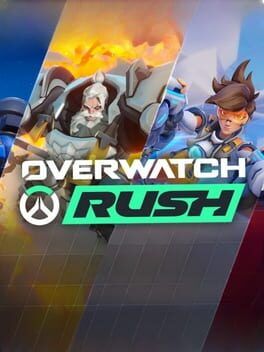
Blizzard is bringing its flagship hero shooter to phones in a new form with Overwatch Rush, a top-down 4v4 mobile game built specifically for iOS and Android. Rather than trying to cram the full first person Overwatch onto a touchscreen, Blizzard has spun the universe into something closer to a tactical arena brawler, with short matches, a higher camera angle, and streamlined abilities.
The early reveal footage focuses on Busan, a familiar map from the main game, but viewed from above. Two teams of four clash over a central objective while Tracer blinks through chokes, Reinhardt pins targets, Reaper teleports behind lines, and Mercy and Lucio try to keep everyone alive. It is unmistakably Overwatch in terms of silhouettes, sound design, and ability fantasy, but it plays out more like a mobile-friendly arena shooter than a direct port.
At the core of Overwatch Rush is its 4v4 structure. Dropping from 5v5 to four players per team does more than just shorten queue times on mobile networks. It simplifies team compositions and positioning in a way that suits the top down view. With fewer players on each side, individual hero choices and mistakes are magnified, and the battlefield is less visually noisy on a small screen. That matters when you have to read enemy movement and telegraphs on a device that might be only six inches across.
The mode shown so far is essentially Control, with both teams contesting a single objective area. That is an easy fit for mobile sessions that last a few minutes, instead of the longer payload escorts and hybrid maps found in standard Overwatch. The smaller player count and straightforward objective design give Blizzard room to keep matches tight and readable while still leaving space for hero synergies like speed boosting into engages or setting up a wombo combo ultimate.
Translating Overwatch’s layered ability kits and ultimates to touch controls is where Overwatch Rush will either click or collapse. The footage and early breakdowns suggest a control scheme built around a virtual movement stick on one side and a cluster of ability buttons on the other, with basic attacks and an ultimate trigger mapped to easily reachable regions of the screen. Cooldowns and charge meters are surfaced clearly in the UI, so players can track when a blink, charge, or transcendence is available at a glance.
Crucially, abilities look slightly reinterpreted for the new perspective. Skillshots that require precise vertical aiming in first person become directional line or cone attacks from the top down camera. Movement abilities like Tracer’s Blink or Reaper’s Shadow Step make quick, snappy repositioning plays that are easy to drag and aim with a thumb. Large, space defining ultimates scale to the whole screen, so hitting a big play is more about timing and zone control than flick accuracy. The goal is clear: preserve the role fantasy and tactical choices of a hero without demanding joystick level precision from a glass screen.
Ultimates in particular have to walk a line between spectacle and clarity. In mainline Overwatch, a well timed Sound Barrier or Transcendence can flip a fight in the space of a second, and part of the thrill comes from how telegraphed yet explosive they are. On mobile, that spectacle needs to be expressed with bold visual language that reads clearly from above, while input stays simple. Tapping an ultimate icon, dragging to set a direction or radius, then committing with a single release feels like the kind of pattern Blizzard is pushing for. The tension is still there, but the execution relies more on anticipation and map awareness than raw aim.
All of this raises a big question for Overwatch veterans: how does Overwatch Rush connect to the main game, if at all? Blizzard has been explicit that this is a separate project made by a different internal team from the PC and console titles. There has been no indication that competitive ranks, hero unlocks, or cosmetic progress will carry over. That separation suggests Rush is being framed as a companion experience in the Overwatch universe rather than an extension of Overwatch 2’s live service grind.
That might be a blessing. By decoupling Rush from the main game’s already complex progression systems, Blizzard can design mobile specific unlocks, seasonal tracks, and cosmetics without worrying about balance across platforms. You can imagine hero shards, Rush exclusive skins, and bite sized challenge chains built around short play sessions. At the same time, cosmetic crossovers or shared events would be a powerful way to make Overwatch players care about what happens on mobile. If Blizzard wants Rush to matter to its existing audience, even small links like shared themed events or login rewards across both games could go a long way, without locking power behind cross play.
Overwatch Rush also arrives in the shadow of Blizzard’s uneven mobile history. Hearthstone was a huge early success, translating a PC card game into a natural fit for tablets and phones. Diablo Immortal generated solid revenue but picked up a reputation for aggressive monetization and a slow gear grind. Warcraft Rumble took classic RTS units and distilled them into a lane based strategy hybrid that quietly found an audience but never cracked the mainstream in the way Blizzard’s PC hits did.
That track record matters because it shows Blizzard has gradually learned how to tailor PC genres to mobile strengths while occasionally overstepping on monetization. Overwatch Rush seems to be positioned much closer to the Hearthstone and Rumble approach: start with a beloved universe, then rebuild the core gameplay for touch, shorter sessions, and lighter mechanical load, rather than trying to replicate the PC experience verbatim. How it structures its in app purchases and progression will decide whether it lands as a welcomed spin off or a cautionary tale next to Diablo Immortal.
Outside of Blizzard, the arena hero shooter space on mobile is already fiercely competitive, especially in the Brawl Stars style niche that Overwatch Rush is about to enter. Supercell’s hit combines simple dual stick controls, short modes, collectible characters with clear power curves, and a feed of cosmetics and unlocks. Games like T3 Arena, Omega Strikers, and a wave of smaller hero brawlers all chase the same formula: fast matches, readable abilities, character attachments, and a steady drip of rewards.
To stand out, Overwatch Rush has to do more than bolt Overwatch skins onto a familiar blueprint. The first differentiator it has is Blizzard’s hero roster and art direction. Tracer, Mercy, Reinhardt and company are globally recognizable in a way few mobile brawler casts are, and that instant familiarity can lower the onboarding barrier significantly. New players who have never touched Overwatch still benefit from clear silhouettes and exaggerated ability effects, while veterans get to experiment with their favorite heroes in a new format.
The second differentiator is tactical depth. Top down brawlers often lean heavily on stats and progression to keep players engaged, but Rush can tap into years of Overwatch design lessons around team composition, cooldown trading, and ultimate economy. Even with streamlined kits, the interplay of a shield tank, a flanker, and a pocket healer in a 4v4 setting can create a richer tactical puzzle than most hero brawlers offer. If Blizzard can layer that depth underneath controls that are genuinely intuitive, it could carve out a niche for players who want something more thoughtful than pure button mashing during a commute.
For Overwatch Rush to succeed at launch, several pillars need to be solid on day one. The first is performance and controls. Mobile shooters live or die on input response and frame stability, especially in regions where mid range Android phones dominate. The top down perspective and simplified aiming should help, but if the game stutters, drops inputs, or struggles on common hardware, it will be punished quickly in a market with plenty of alternatives.
The second pillar is fair, transparent monetization. A free to play hero shooter is expected to sell cosmetics, battle passes, and possibly accelerated progression. What players will not tolerate is direct power selling or grind walls that feel tuned for whales. Clear communication about what can be earned, how quickly, and whether heroes are locked behind monetization gates will shape early sentiment, especially among Overwatch fans already sensitive to economy changes in the main game.
The third pillar is content cadence. A hero based live service needs a roadmap that players can trust. Blizzard has already outlined a multi year plan for the main Overwatch seasons, including new heroes and story arcs, and it will need a similarly convincing plan for Rush. Regular hero additions, fresh maps, and limited time modes that experiment with rulesets can keep the game feeling alive without overwhelming casual players. If Rush launches with only a handful of modes and a thin hero pool, it risks being dismissed as a shallow spin off regardless of how solid its core feels.
Finally, Overwatch Rush must respect both audiences it is courting. For mobile first players, it has to stand on its own as a polished, accessible top down shooter that does not assume knowledge of Overwatch lore. For Overwatch veterans, it should feel like a clever reinterpretation of what they already love, not a distraction siphoning development attention away from the main game. Clear messaging about separate teams, cross game events that feel additive rather than mandatory, and ongoing balance updates will be key to walking that line.
Overwatch Rush is still early, with regional tests planned before a global release and many details about modes, monetization, and progression yet to be fully laid out. But the pitch is clear: a mobile native, top down hero shooter that uses Overwatch’s characters and ability driven combat to compete in the Brawl Stars style arena. If Blizzard can deliver responsive touch controls, fair systems, and a content pipeline that keeps both mobile and Overwatch fans interested, Rush could finally give the franchise a credible foothold on phones without sacrificing what makes Overwatch feel like Overwatch.