

How Orbitals blends spacefaring puzzle co-op with a home-station drama, and why Nintendo is pushing it as a tentpole Switch 2 indie exclusive for 2026.
Nintendo’s first wave of Switch 2 games is full of big sequels and glossy first‑party showcases, but one of the most interesting reveals from The Game Awards 2025 came from the indie side. Orbitals, a 2026 exclusive from Shapefarm and Kepler Interactive, is quietly shaping up to be the game Nintendo holds up when it wants to answer a simple question: what does a “next‑gen indie” on Switch 2 look like?
A retro-anime galaxy built for two
Orbitals immediately stands out with its retro-anime presentation. The reveal trailer looks like someone mashed up late‑80s space opera OVAs with chunky, toy‑like sci‑fi hardware. Color‑blocked ships, hand‑drawn‑style character portraits and bold UI elements give everything a nostalgic Saturday-morning energy rather than the muted realism typical of modern space games.
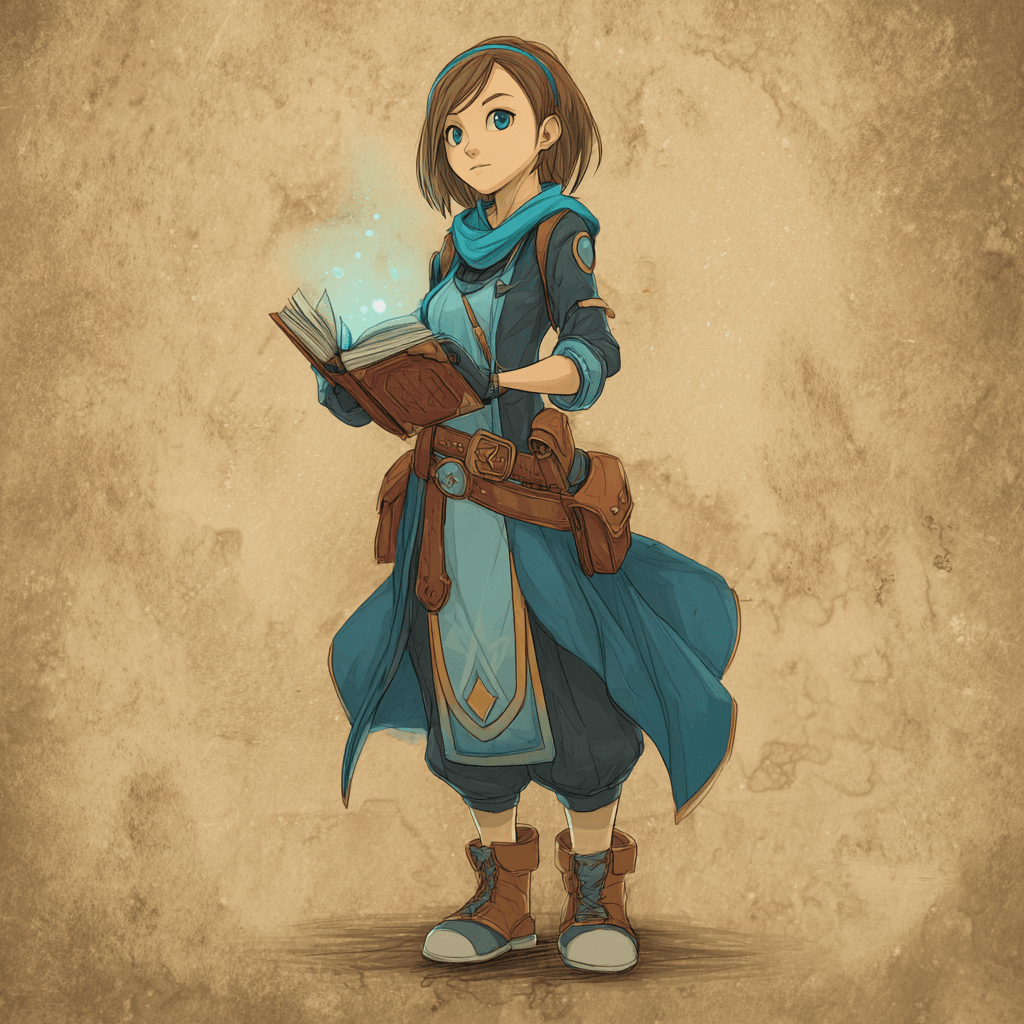
At the center of it all are Maki and Omura, two inseparable explorers who are more enthusiastic than experienced. Their dynamic appears to drive the whole adventure. Framing the story around a duo is not just a narrative choice, it is the spine of everything Orbitals tries to do in co-op. Their designs telegraph contrasting personalities, and their animations in the trailer suggest a lot of expressive acting that should play well on a handheld screen.
Crucially, this is not a lonely, meditative drift through the stars. Orbitals is pitched as an intergalactic two‑player co-op adventure, with the entire game seemingly tuned around the idea that space is better when you are figuring it out with someone sitting beside you or connected online.
A home on the brink, not just a backdrop
Many space games give you a ship or a base that functions as a menu. In Orbitals, the home space station is the emotional core of the story. Maki and Omura’s station is literally falling apart and trapped in a supernatural cosmic storm, and every mission beyond the storm is motivated by the simple question of whether they can save the place they call home.
That hook does a lot of work. It gives structure to the campaign, with each sortie into the wider galaxy feeling like a concrete attempt to push back against an impossible situation. Instead of abstract objectives, everything you do is tied to the survival of characters and modules you have gotten familiar with.
The station reads as more than a backdrop. From the early footage, it seems like a space you return to between missions to repair systems, check in with side characters and unlock new tools. As Switch 2 pushes stronger suspend and resume features, a home base that you pop in and out of on a portable feels especially suited to quick sessions. You can imagine docking, fixing up one problem area and then closing the lid before the next big trek.
Narratively, this also sets Orbitals apart from the usual “roam forever” structure of exploration games. There is a ticking-clock tension to a crumbling station caught in a cosmic anomaly. Even when the pacing is gentle and puzzle-focused, you are always aware there is something at stake beyond a high score or completion percentage.
Co-op that revolves around puzzles, not just combat
On the gameplay side, Shapefarm and Kepler describe Orbitals as demanding “brains, bravery and teamwork.” The emphasis in early descriptions is on cooperation and problem-solving as much as dodging hazards. Where many space co-op games lean into hectic dogfights or survival waves, Orbitals is positioning itself as a more deliberate, puzzle-first experience.
Each mission appears to drop Maki and Omura into discrete environments where they must manipulate machinery, reroute energy, synchronize actions and navigate environmental hazards. The trailer hints at sequences where one player might stabilize a reactor from a control room while the other physically traverses a dangerous corridor, or where both pilots have to swing their small craft through debris fields in time with the rhythm of the storm.
If the final game delivers, the puzzles will likely hinge on clear, readable interactions that still feel satisfying on a handheld screen. Think of something in the lineage of Lovers in a Dangerous Spacetime or It Takes Two, but filtered through a slower, more methodical lens. The trick is making sure every puzzle genuinely requires two minds rather than simply doubling the number of switches you have to flip.
The co-op focus also suggests a strong emphasis on communication. There are obvious opportunities for “we almost had it” moments where you and your partner fail a timing puzzle by a fraction and immediately queue up another attempt. Nintendo platforms have a long history of couch co-op highlights, and Orbitals looks tuned for exactly that kind of social friction and payoff.
Why Nintendo wants Orbitals as a Switch 2 indie showcase
Nintendo has been vocal about courting indies for every generation of its hardware, but the Switch 2 launch window has a particular pressure attached. The original Switch built an enormous reputation as the go‑to indie machine, a place where smaller studios could find huge audiences. With more powerful handheld competitors on the market and a crowded digital landscape, Nintendo needs clear examples that Switch 2 is still where distinctive indie projects belong.
Orbitals checks a lot of boxes as a showpiece. It is exclusive, which instantly gives the platform something to point to when discussing its unique library. It is visually striking in a way that plays to Switch 2’s strengths, using clean, animation‑inspired art that benefits from higher resolution and better color depth without chasing hyperrealism. The retro-anime style feels like it was made for glossy OLED screens.
Mechanically, it is the kind of experience that makes sense on a hybrid device. Two‑player co-op with a strong emphasis on local play fits with Nintendo’s hardware philosophy and its detachable controller setups. At the same time, the focus on structured missions and a persistent home station makes short handheld sessions feel meaningful, which is vital for an on-the-go audience.
From a portfolio perspective, Orbitals helps balance the lineup around The Game Awards 2025 announcements. Big third‑party releases and first‑party heavy hitters can sell the system’s raw power and new features, but a mid‑sized indie backed by a publisher like Kepler Interactive signals that Switch 2 will continue to host idiosyncratic projects that do not fit neatly into blockbuster boxes. It is a way of saying that the “Nindies” era is not over, just growing up.
There is also a branding benefit. When Nintendo can point to a game that looks like nothing on competing systems and say “you can only play this here,” it reinforces the story of Switch 2 as a console with its own identity instead of a less powerful port box.
The 2026 space to watch
Orbitals is still early, and we have yet to see deep dives into its systems or structure. The questions now are the ones that will define whether it becomes a cult favorite or a launch-year curiosity. How rich is the home station, really, as a narrative and mechanical hub? Do the puzzles escalate in a satisfying way over a full campaign? Will there be robust online options alongside the couch co-op that Nintendo loves to spotlight?
Even with those unknowns, the pitch is already sharp. A retro-anime co-op space adventure where every mission is a puzzle in service of saving your storm‑locked home station is a cleaner, more focused hook than many bigger-budget space operas manage. As a 2026 Switch 2 exclusive, Orbitals gives Nintendo exactly the kind of distinct, character-driven indie it needs to show that its next generation will still make room for adventurous ideas, not just bigger sequels.
For players who miss huddling over a handheld with a friend and figuring out a problem together, it might also be the first truly essential co-op game of the Switch 2 era.