
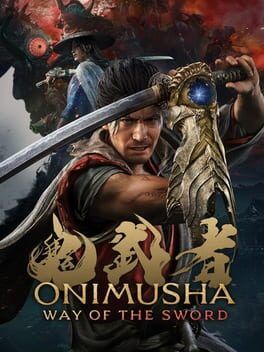
Capcom says Onimusha: Way of the Sword on Switch 2 can compete with PS5, but previews point to clear tradeoffs in frame rate, image quality, and handheld play.
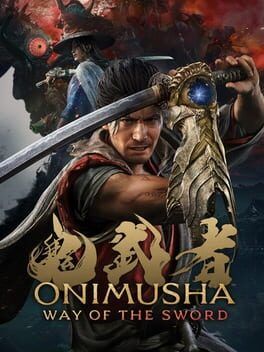
Image: IGDB
Store links: Onimusha: Way of the Sword on Steam
Capcom’s Switch 2 pitch comes with a frame-rate caveat
Capcom is setting a high bar for Onimusha: Way of the Sword on Nintendo Switch 2 before launch. In an interview with Famitsu translated by Nintendo Everything, producer Akihito Kadowaki said the team made the Switch 2 version so well that players “may not even be able to feel a difference” compared with the PS5 version. He also acknowledged the key technical divide: other systems can output 60 FPS or higher, while Nintendo Switch 2 is 30 FPS.
That is the central tension in the Onimusha Way of the Sword Switch 2 conversation. Capcom is not claiming platform parity in raw specifications. It is arguing that the action still reads properly, the combat remains enjoyable, and the portable version can stand beside the other releases despite lower picture quality and frame rate. Director Satoru Nihei added, according to Nintendo Everything’s translation, that handheld play became a talking point among the development staff, specifically the ability to play the full game while lying in bed.
Onimusha: Way of the Sword is currently planned for Sept. 4, 2026, on Nintendo Switch 2, PlayStation 5, Windows PC, and Xbox Series X, according to Nintendo Everything and Worthplaying. Nintendo Everything notes that the date was moved up from an initial Sept. 25 release. That makes this a day-and-date test for Capcom’s Switch 2 strategy, rather than a late portable conversion arriving after the conversation has moved on.
The confirmed comparison: lower specs, same launch window
The Onimusha Way of the Sword PS5 comparison starts with what Capcom itself has said. Kadowaki told Famitsu, via Nintendo Everything, that the Switch 2 version entered development partway through the project. Based on playtesting, he said the team believed it “really could compete with the other platforms.” He then drew the line between feeling and specification: image quality and frame rate differ, and Switch 2 is 30 FPS while other systems can output 60 FPS or higher.
PCMag adds another layer, citing Capcom’s product information for resolution targets. According to PCMag, Capcom has confirmed that the Switch 2 version targets 1080p in docked mode and roughly 900p in handheld mode through upscaling. PCMag also reports that the Switch 2 release will offer a 30 FPS mode and a variable graphics setting that targets up to 40 FPS, paired with Switch 2’s VRR technology in handheld mode. PCMag notes that VRR support is absent in docked play.
There is a slight framing difference between the sources. Nintendo Everything’s translated Famitsu interview presents Switch 2 as a 30 FPS version against platforms that can output 60 FPS or higher. PCMag reports a separate variable option targeting up to 40 FPS. The cleanest reading is that 30 FPS is the baseline Capcom discussed in the interview, while PCMag is describing an additional performance option it says Capcom has confirmed. Until Capcom publishes full platform settings in one place, players should treat 30 FPS as the safest expectation and the up-to-40 FPS mode as a Switch 2-specific option to watch closely in final testing.
Hands-on reports agree it plays well, but the cuts are visible
Preview impressions broadly support Capcom’s confidence, but they do not erase the technical compromises. Polygon played the Switch 2 version directly after two hours on PS5 and reported that Way of the Sword is “perfectly playable” on Nintendo’s hardware, while also saying the concessions are clear. Polygon found the 30 FPS drop more noticeable here than in Resident Evil Requiem because Onimusha is a faster action game. The outlet also described handheld image quality as more washed out and said the Switch 2 version felt more visually compromised than some of Capcom’s other Switch 2 ports this year.
That distinction matters because Onimusha’s combat is built around rhythm and reaction. Nintendo Life’s preview describes Musashi’s movement as deliberate rather than nimble, with weight in his attacks, stamina cost on regular blocks, and satisfying parries that throw sparks when blades meet. The same preview says recovery windows felt generous, even after heavy boss attacks from enemies such as Daidara. A game with that kind of combat can survive at 30 FPS if animation priority, input response, and encounter pacing are tuned around it. It can also feel less crisp than PS5 when the screen fills with quick counters, stagger states, and effects.
PCMag’s preview is more bullish, calling Onimusha potentially Capcom’s most impressive Switch 2 release yet after mentioning the company’s recent Switch 2 output, including Pragmata and Resident Evil Requiem. Polygon is more cautious, saying it would not personally choose Switch 2 but that players who value flexible play should find it in a good enough state. Taken together, the preview picture is not “identical to PS5.” It is closer to this: Capcom appears to have preserved the shape and tempo of the game, while PS5 should still offer the cleaner, smoother presentation.
Visual expectations: resolution targets are promising, clarity is the question
On paper, Capcom’s reported Switch 2 targets are respectable for a current-generation action game on portable hardware. PCMag says Capcom has confirmed 1080p docked and roughly 900p handheld through upscaling. PCMag speculates that Capcom may be using the Switch 2’s custom Nvidia DLSS implementation, but the outlet also states that Capcom has not confirmed which upscaling solution is in use. That distinction is important. Upscaling can deliver a sharp final image, but the result depends on internal resolution, reconstruction quality, motion handling, and how well effects hold up during fast camera movement.
Polygon’s hands-on note about a washed-out handheld image is the clearest warning sign for players focused on visual fidelity. Onimusha: Way of the Sword leans on cinematic samurai imagery, demonic spectacle, and the series’ soul-absorption identity. GameSpot’s overview frames the game around cinematic influences and an expansion of Onimusha’s soul-sucking mechanics. If the Switch 2 version softens contrast or loses fine detail in handheld mode, it may still function well but lose some of the harsh texture that helps sell a cursed Kyoto overrun by Genma.
The PS5 version should have the advantage for players who care about image density, effects clarity, and high-frame-rate display output. Capcom’s own comparison, through Kadowaki’s Famitsu comments translated by Nintendo Everything, admits the difference in picture quality. The meaningful question is whether those differences remain background texture during play or become distracting when the blade work accelerates. Previewers disagree in tone, but not in the basic facts: Switch 2 is technically reduced, still playable, and unusually ambitious for portable hardware.
Portable play changes the value proposition
Nihei’s handheld comment cuts to the real reason some players will choose the Switch 2 version over PS5. Onimusha is returning as a full-scale action-adventure release, but the Switch 2 edition offers a use case PS5 cannot match: playing the same launch-day game away from a television. For a combat game built around repeated boss attempts, training, upgrades, and exploration loops, that flexibility can matter as much as a resolution chart.
Inven Global’s preview of a PS5 build describes Kyoto as a semi-open region where players gradually purify areas, take on missions, handle side quests, encounter boss fights, rescue civilians, and return to Rokudo-Jin-O-Ji temple as a central base. Inven also reports that mirrors throughout Kyoto restore healing items, allow leveling, access storage, function as fast-travel points, and let players adjust difficulty. The same outlet says a temple bell leads to Training Grounds where players can practice signature moves or revisit defeated bosses. Those systems sound well suited to portable sessions, especially if a player wants to grind practice attempts or clean up side objectives without committing to a long couch session.
The tradeoff is input and screen feel. Polygon reports that the Switch 2 version includes motion controls, letting players swing Joy-Con controllers to attack or shoot arrows, with vertical and horizontal swings and a dual-swing special maneuver. Polygon found the idea fun as a throwback, but questioned whether players would want to use it for an entire game because Way of the Sword requires precise blocking. For serious play, traditional controls are likely the safer choice unless final settings make motion control a novelty rather than a demand.
Capcom’s Switch 2 run raises expectations, but Onimusha is a different test
Several previews place Onimusha inside a broader Capcom Switch 2 push. Nintendo Everything points to Resident Evil Requiem and Pragmata as recent examples that make Capcom’s confidence less surprising. PCMag says Capcom has supported Switch 2 with Monster Hunter Stories 3, Pragmata, and Resident Evil Requiem day-and-date with other platforms, while calling those versions compromised but among the most visually impressive games on the system. Polygon similarly frames Onimusha as part of a year in which Capcom has pulled off strong Switch 2 conversions.
Way of the Sword may be the sharper test because its demands are different. Horror can tolerate lower frame rates more easily when tension comes from framing, sound, and anticipation. A reflex-driven sword game asks the player to read posture, commit to a parry, and recover from heavy impact. Nintendo Life’s description of Musashi’s deliberate weight, stamina management, chain finishers, and boss recoil suggests a combat system where animation timing is part of the drama. If Switch 2 maintains consistent input response and frame pacing, the 30 FPS cap may feel acceptable. If it wavers during effect-heavy encounters, the compromise will be more exposed than in slower genres.
Capcom’s RE Engine is part of the story, according to PCMag, which notes that Onimusha runs on the company’s proprietary engine used across Capcom releases since Resident Evil 7. The engine has become central to Capcom’s ability to scale games across platforms. Still, engine familiarity does not remove the physics of hardware limits. The PS5 comparison remains uneven by design: PS5 has the performance headroom, Switch 2 has portability, and Capcom is trying to make the gap small enough that player priorities decide the purchase.
Which version should you wait for before launch?
Based on the current reporting, PS5 is the safer pick for players who want the smoothest Onimusha: Way of the Sword release at launch, especially if 60 FPS or higher output is a priority. Capcom’s producer has acknowledged, through Nintendo Everything’s Famitsu translation, that other systems can output 60 FPS or higher while Switch 2 is 30 FPS. Polygon’s hands-on comparison after PS5 play found the frame-rate difference noticeable in a fast action game.
Switch 2 is the version to watch if portable play is central to how you finish long action-adventure games. PCMag’s reported 1080p docked and roughly 900p handheld targets, plus the reported 30 FPS and variable up-to-40 FPS options, suggest Capcom is giving Switch 2 owners more than a bare-minimum port. Polygon, PCMag, and Nintendo Life all came away describing the Switch 2 build as impressive or playable despite tradeoffs. That is encouraging, but it is still preview-stage evidence rather than final retail analysis.
The practical advice is to match the platform to your tolerance for compromise. If Onimusha’s blade timing, boss spectacle, and visual atmosphere are the draw, wait for final performance coverage on PS5 and Switch 2 before buying. If the idea of practicing Issen timing in handheld mode or clearing Kyoto’s side objectives away from the TV outweighs a lower frame rate and softer image, Capcom’s Switch 2 version looks like a credible day-one option. The promise is not that Switch 2 erases PS5’s advantages. The promise is that the cut may be small enough for portable players to accept.