
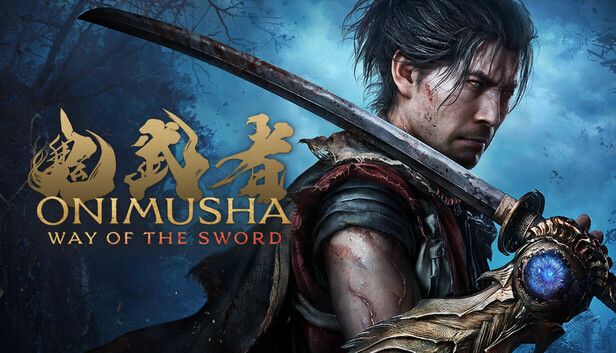

Capcom’s first mainline Onimusha in over 20 years is circling a rumored 25 September 2026 launch. Here is how Way of the Sword looks to revive the dormant series, what the leak actually says about the date, and what fans should expect from this modern RE Engine reimagining of demon‑slaying samurai action.
Rumors have been swirling that Onimusha: Way of the Sword is lining up a September 2026 release. For longtime fans of Capcom’s demon‑slaying samurai series, that penciled‑in date is more than just another busy autumn launch. It represents the first proper mainline Onimusha since Dawn of Dreams in 2006 and a full‑on attempt to reintroduce the franchise to an audience that has grown up on Soulslikes, character action games and prestige cinematic blockbusters.
The September 25 rumor and a crowded calendar
Multiple reports, including GamingBolt, Push Square and others, all point to the same thing: a social media leaker with a decent recent track record has pegged Onimusha: Way of the Sword for 25 September 2026. The same source previously surfaced assets for Rayman Legends: Retold and Assassin’s Creed Black Flag Resynced, which gives the claim a little more weight than a random date guess.
Even so, the leaker stresses that the date is based on older internal info and might be outdated. Capcom has stuck to a broad 2026 window publicly since announcing the game at The Game Awards 2024, and no platform holder has attached a firm day on marketing material yet.
If that 25 September target holds, Way of the Sword will land in the middle of an absurdly packed month. On PlayStation 5 alone, September is already rumored to host The Blood of Dawnwalker early in the month, followed by Phantom Blade Zero, Marvel’s Wolverine and Trails in the Sky Second Chapter HD across the weeks leading up to Onimusha. Xbox and PC schedules are not much lighter.
Publishers appear to be clustering around September and October as the industry braces for Grand Theft Auto 6 later in the year. Capcom has historically been confident dropping big releases in busy windows, backing titles like Resident Evil 4 remake and Monster Hunter with strong marketing instead of running from competition. Onimusha’s rumored date suggests similar confidence that a prestige samurai action game can cut through the noise.
A dormant series returns after two decades
The weight on Way of the Sword’s shoulders is heavy. The original Onimusha trilogy on PlayStation 2 helped define Capcom’s early‑2000s output, blending fixed‑camera survival horror framing with swift swordplay, demon‑infused weapons and an unmistakable Sengoku‑era aesthetic. After Dawn of Dreams underperformed commercially, the franchise slipped into deep hibernation.
In the years since, Onimusha has only flickered back to life in small ways. Capcom remastered the first game for modern platforms, tested the waters with a Netflix anime adaptation and kept the brand alive through cameos and references. Meanwhile, players hungry for stylized samurai action drifted to other series, from Ninja Gaiden and Nioh to Sekiro, Ghost of Tsushima and indie darlings inspired by Kurosawa cinema.
Way of the Sword is Capcom’s answer to that gap. It is built in the RE Engine that powers modern Resident Evil and Dragon’s Dogma 2, pushing the series into current‑gen territory with dynamic combat cameras, dense environments and detailed character models. Rather than reviving an old protagonist, Capcom has cast legendary swordsman Miyamoto Musashi as the lead, framing the game as a soft reboot that uses a fresh historical anchor while keeping the Oni versus Genma conflict intact.
Crucially, Capcom is treating this not as a niche nostalgia project but as a full‑scale tentpole. The reported heavy investment in motion capture, combat animation and cinematic direction suggests Onimusha is being positioned alongside the publisher’s biggest brands, not as an experimental side story. That alone signals a serious attempt to revive the series for the long term.
How Way of the Sword modernizes Onimusha
From trailers and official materials, Way of the Sword is clearly not just a PS2 formula with sharper textures. Capcom is modernizing nearly every surface while trying to preserve what made Onimusha distinct.
Combat has shifted to a fully controllable, over‑the‑shoulder camera that emphasizes timing and spacing. Musashi’s swordplay leans into deliberate strikes, guard breaks, parries and evasive footwork. Instead of the old tank controls and fixed angles, players flow across battlefields, circling demonic Genma in real time. The new system seems closer to a hybrid between Sekiro’s posture pressure and Devil May Cry’s snappy responsiveness than to classic survival horror.
The trademark absorption of enemy souls returns, now folded into a more complex progression loop. Felling Genma spills Malice and Oni essence that can be drawn into Musashi’s gauntlet, fueling special techniques, temporary Oni transformations and upgrades to blades and stances. Where the PS2 games often felt like linear action adventure titles, Way of the Sword appears to include more open, interconnected zones within Edo‑era Kyoto, encouraging backtracking as you unlock new traversal and combat options.
Capcom is also leaning hard into atmosphere. RE Engine’s global illumination and particle work give the corrupted Kyoto streets and shrine complexes a heavy, oppressive mood, as oily clouds of Malice warp lanternlight and shoji screens. The art direction nods explicitly to late‑Edo prints and period drama cinema, while the demonic designs amplify those influences into grotesque, ritual‑scarred monsters. The result looks more like a horror‑tinted action adventure than a pure character action showcase.
Narratively, the game aims for a self‑contained story. Early information indicates that Way of the Sword does not require knowledge of prior Onimusha entries. Musashi’s clash with the Genma and the Oni forces who grant him power serves as a new entry point. At the same time, long‑time fans can expect familiar motifs, recurring enemy types and lore references to the broader war between Oni and Genma that defined the series.
Capcom’s wider strategy and why Onimusha is back now
Onimusha’s reappearance is not happening in a vacuum. Over the past decade, Capcom has systematically rehabilitated many of its legacy franchises. Resident Evil reinvented itself with first‑person horror and then prestige remakes, Monster Hunter exploded globally with World and Rise, Street Fighter reclaimed the fighting‑game spotlight, and Dragon’s Dogma finally received its long‑awaited sequel.
In that context, Onimusha looks like the next logical domino. The success of samurai and ninja titles from other studios has proven there is an audience for historical Japanese action adventures that skew darker or more challenging than mainstream open worlds. The Netflix anime likely served as a brand reintroduction, gauging interest from a streaming crowd far larger than the PS2 player base.
From a portfolio standpoint, Onimusha fills a gap between Resident Evil’s modern horror and Monster Hunter’s co‑op hunting. It offers a single‑player, story‑forward action experience built around melee duels, spiritual horror and historical locations. A successful Way of the Sword would not only bring back an old fan favorite but also diversify Capcom’s schedule in the years between bigger sequels for its other franchises.
What long‑time fans should expect
For those who grew up with Samanosuke and Jubei, Way of the Sword will likely feel both familiar and alien. The fixed cameras, locked perspectives and puzzle‑box layouts are largely gone, replaced by fluid exploration and modern combat readability. Yet the core loop of cutting down Genma, absorbing their essence and steadily expanding your move set and arsenal remains in place.
Expect the tone to hew closer to the original Onimusha and its immediate sequel than to some of the more experimental later entries. Trailers highlight a somber, supernatural war playing out in the alleys and temples of Kyoto, with Musashi navigating conspiracies that blend political tension, Oni mysticism and demonic corruption. Capcom appears to be avoiding heavy sci‑fi or time‑travel twists in favor of a more grounded mythic backdrop.
Platform‑wise, Capcom has confirmed PlayStation 5, Xbox Series X|S and PC, with no sign of last‑gen versions. That focus should allow the team to lean into high‑density crowds, elaborate boss arenas and more systemic environmental destruction without compromise. Expect performance and fidelity options that mirror other recent RE Engine titles.
Importantly, fans should temper expectations for exact one‑to‑one callbacks. Way of the Sword is framed as a soft reboot, not Onimusha 5. Cameos, Easter eggs and armor sets that reference past heroes are likely, but the story is being written for players whose first Onimusha could be this one. The best‑case scenario is that it works as both an accessible starting point and a foundation for future sequels that might more directly revisit classic characters.
What newcomers should know before picking it up
If you have never touched the series, Way of the Sword is being positioned as a clean on‑ramp. You do not need to play the remaster or watch the anime first. Instead, you can treat it as a dark fantasy samurai epic that sits somewhere between a cinematic action game and a focused, semi‑open adventure.
Combat looks to reward aggression and mastery without veering into pure punishment. The posture and guard systems encourage players to stay in close, reading enemy tells and breaking defenses instead of turtling. At the same time, Capcom’s modern titles usually include robust difficulty options, accessibility features and training tools, which should keep the game from feeling impenetrable if you lack Soulslike experience.
Structurally, expect multi‑chapter progression across increasingly corrupted districts of Kyoto, side objectives tied to shrines and cursed artifacts, and a character build system that lets you spec into faster stances, heavier finishers or Oni‑charged powers. It is less a sprawling open world and more a series of tightly designed hubs with secrets and optional duels tucked away in back alleys and hidden gardens.
How solid is that September window, really?
Circling back to the release timing, the 25 September 2026 date sits at the center of a growing pile of reports across multiple outlets. It aligns with the 2026 window Capcom announced and fits the publisher’s habit of slotting prestige titles into late September or early October.
Still, nothing is official until Capcom or a platform holder prints the date on a trailer or key art. Internal targets can slip, and the competition in September could easily force a minor shuffle to avoid direct clashes with other big exclusives or marketing beats. With a new PlayStation State of Play and Summer Game Fest presentations both looming, there is a good chance that the date, or at least a narrower window, will be clarified soon.
For now, fans should treat late September as a strong but unconfirmed expectation while planning their autumn backlog around it.
The samurai’s return to the spotlight
Whether it lands exactly on 25 September or slips a few weeks, Onimusha: Way of the Sword represents something rare in today’s industry. A classic early‑2000s franchise that has been dormant for two decades is returning not as a budget remaster or nostalgic spin‑off, but as a modern, big‑budget action adventure that wants to stand shoulder to shoulder with the genre’s best.
Capcom is betting that a blend of sharp RE Engine swordplay, richly realized Edo‑period Kyoto and the timeless appeal of demon‑slaying samurai can carve out space in a stacked release calendar. If Way of the Sword sticks the landing, it could mark the beginning of a new era for Onimusha and open the door for a wave of sequels and spin‑offs that finally bring the series back into the mainstream.
After twenty years in the shadows, the Oni gauntlet is being raised again. Fans old and new may not have to wait much longer to see if the legendary blade still cuts as deep as they remember.