

The Ocarina of Time remake's Young Link amiibo masks and Nintendo Notes app features add outside-the-cartridge hooks, but several key details remain unconfirmed.
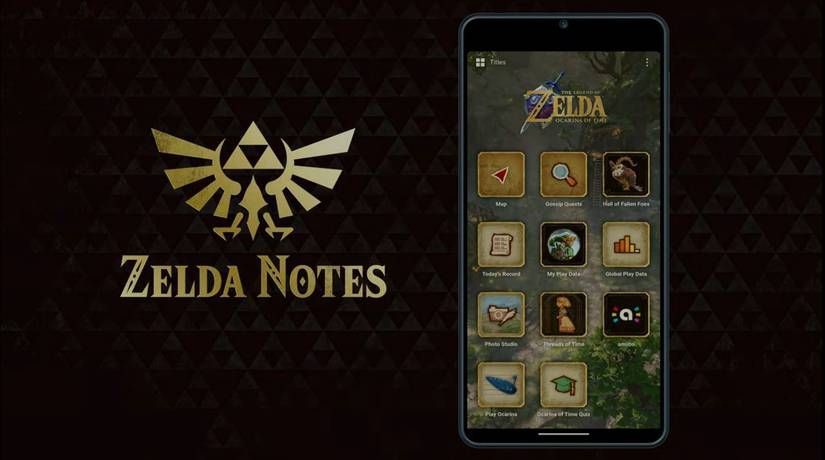
Image: polygon.com
The remake’s first extra unlocks arrive after launch
Nintendo’s Ocarina of Time remake has its clearest confirmed extra content so far, but it comes with a timing catch: the new Young Link and Young Zelda amiibo are scheduled for 2027, while the game itself is reported by IGN, Nintendo Wire, and Nintendo Life as launching for Nintendo Switch 2 on November 5, 2026.
According to IGN’s report on Nintendo’s reveal, scanning the Young Link or Young Zelda figures will unlock special in-game masks based on the original Nintendo 64 version of The Legend of Zelda: Ocarina of Time, released in 1998. Nintendo Everything likewise reported that both figures have special functionality in the remake and grant in-game masks when scanned. Nintendo Wire described the rewards as 64-bit masks for Young Link and Young Zelda.
That creates the immediate tension around the Ocarina of Time remake: the most concrete bonus content Nintendo has shown is tied to physical collectibles that will not arrive with the game. For returning players, that is a small but visible addition to a beloved route through Hyrule. For collectors, it is a familiar amiibo pressure point, with interest driven as much by availability as by what the masks actually do.
The Young Link and Young Zelda amiibo are nostalgia objects first
The figures themselves are aimed squarely at players who remember Ocarina of Time as a Nintendo 64 game before they think of it as a remake. IGN quoted Nintendo’s description of the Young Link amiibo as depicting the child version of Link from the Nintendo Switch 2 remake, sitting with Navi. The Young Zelda figure depicts the young princess holding the Ocarina of Time, the instrument she later gives to Link.
That choice matters because these are the versions of Link and Zelda that frame the original adventure’s opening act: Kokiri Forest, the first steps into Hyrule Field, the castle courtyard meeting, and the story’s shift from childhood wonder into time-scarred consequence. The remake may have a dramatic new look, as Polygon described, but these amiibo point back to the 1998 silhouettes that shaped how a generation pictured both characters.
GameRant’s write-up framed the figures as a response to how strongly fans reacted to the remake’s updated versions of Young Link and Young Zelda in earlier footage, saying Nintendo had not forgotten the original appearances. That is an interpretation from the outlet rather than a stated Nintendo rationale, but it fits the design language of the unlocks: these masks appear to let the remake’s modernized Link carry a piece of the N64-era character art through the new presentation.
What the masks unlock, and what Nintendo has not confirmed
The confirmed part is narrow. The Young Link and Young Zelda amiibo unlock special in-game masks. Multiple outlets, citing Nintendo’s reveal and website details, agree on that point. The masks are based on the original Nintendo 64 Ocarina of Time look, with Nintendo Wire and Nintendo Life both describing the effect in retro or 64-bit terms.
The unconfirmed part is the part players will care about once the novelty fades: function. Nintendo Life reported that what the masks actually do has not been confirmed beyond giving Link a Nintendo 64 visual touch, and suggested they could be entirely cosmetic. EGamers went further in its own assessment, saying players should not count on the masks to meaningfully change gameplay and that they are best treated as a cosmetic costume. That is expectation, not a confirmed mechanical description from Nintendo.
Until Nintendo explains otherwise, there is no source-supported reason to assume these masks alter combat, puzzle solving, enemy behavior, quest structure, or dungeon progression. In a game as tightly paced as Ocarina of Time, where item gates and musical triggers define the rhythm of exploration, even a small mechanical perk would be significant. Right now, the safer reading is that the masks are a visual callback locked behind amiibo, with their full behavior still undisclosed.
The Nintendo Notes app turns a familiar journey into a tracked record
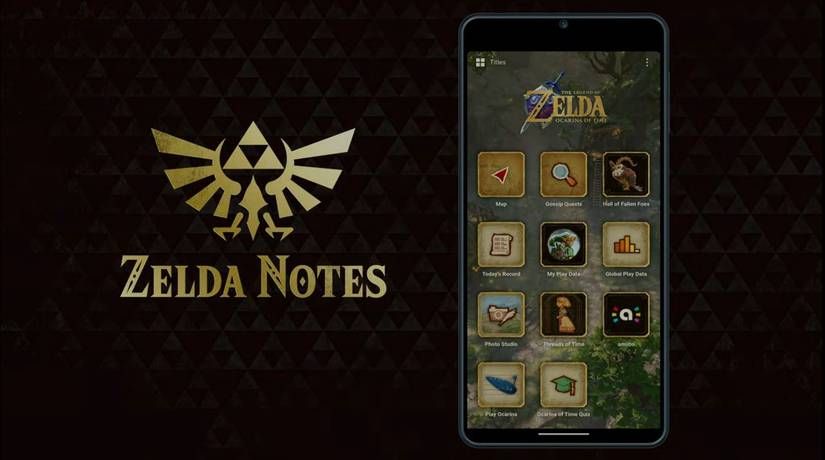
The other major outside-the-game feature is the Nintendo Switch app integration, which Polygon reported will connect to the Ocarina of Time remake through Zelda Notes. Polygon says the remake’s app feature will include 11 different options, though Nintendo has only explained some of them so far.
The standout confirmed feature is Today’s Record. Polygon describes it as a chronological log of player accomplishments, complete with screenshots captured when actions are completed. The same report says the feature will track how long someone played that day, how many enemies they killed, how long they spent in specific areas, how many items they used, how many times they died, how many hearts they lost, and how many rupees they earned.
For returning players, that changes the texture of replaying Ocarina of Time without necessarily changing the game’s core map. A veteran run through the Deku Tree, Dodongo’s Cavern, Forest Temple, or Shadow Temple has always been partly about memory: knowing where the camera will swing, where the next key sits, when to slow down before a trap room. Today’s Record puts numbers and screenshots around that memory. It gives the remake an achievement-like diary, as Polygon put it, while keeping the actual reporting focused on Zelda-specific play data rather than a platform-wide trophy list.
Instrument support sits beside the Notes app, not inside the cartridge alone
Polygon also reported that the Ocarina of Time remake will support a physical ocarina that interacts directly with the game. In the demonstrated feature, producer Eiji Aonuma played Epona’s Song, and Link performed the notes played on the real wind instrument. Players will still be able to input notes with dedicated controller buttons, and Polygon says Nintendo also revealed support for humming notes through the Switch 2 controllers’ microphone.
That matters because Ocarina of Time’s music is not decorative. Songs are the connective tissue between areas, memories, characters, and traversal. The original turned short melodies into verbs: call Epona, open a path, change time, move across Hyrule. The remake’s instrument support and humming option appear to move some of that ritual outside traditional button input, while keeping standard controls available.
The practical question is accessibility and reliability. Polygon’s report confirms the options exist, but the source material does not provide pricing for the physical ocarina, bundled availability, latency details, calibration settings, microphone accuracy, or whether every song interaction can be handled equally well through each method. Returning players should treat controller input as the known baseline and the physical instrument or humming features as promising additions until Nintendo explains the edge cases.
Collector anxiety is real, but the panic points are unevenly sourced
There are two separate issues being blended together in fan conversation: in-game access and shelf access. The in-game access concern is straightforward. If the masks are only unlocked by scanning the new Young Link and Young Zelda amiibo, and those figures arrive in 2027, then players who buy the remake at launch should not expect to use those specific amiibo masks on day one unless Nintendo announces another path. No source provided here confirms an alternate unlock method.
The shelf access concern is murkier. EGamers reported that preorders are open, demand has been high, and stock has been coming and going. IGN’s article includes retailer links for Target and Walmart. Nintendo Life, however, listed the exact release date, pricing, and preorder timing among the unknowns in its guide. Those reports do not line up cleanly. The safest way to read them is that availability may vary by retailer or region, and that Nintendo has not publicly settled every detail players want, especially final timing and price.
That distinction helps keep the anxiety proportional. Missing an amiibo preorder could be frustrating for collectors, especially with Zelda merchandise arriving during a wider 40th anniversary push that IGN said also included concerts, a special edition Switch 2, museum changes, and a Link and Epona Lego set. But the sources do not support the idea that core Ocarina of Time remake progression, dungeons, songs, or story chapters are locked behind these two figures. The confirmed unlocks are masks, with their function still unannounced.
Should returning players plan around these features?
If you are returning to Hyrule for the game itself, the confirmed remake details point to a Nintendo Switch 2 release on November 5, 2026, with modern presentation, quality-of-life features noted by Polygon, Zelda Notes integration, and multiple ways to perform ocarina notes. The safest launch plan is to buy for the remake, then evaluate the amiibo later once Nintendo confirms the figures’ final date, price, supply, and mask behavior.
If you care about the Young Link amiibo masks or the Young Zelda amiibo as collectibles, the risk is different. The figures are tied to 2027, they are character designs with deep nostalgia value, and at least one outlet reports fluctuating stock. That makes them worth watching, but not worth confusing with confirmed gameplay expansion. Right now, Nintendo has shown a small cosmetic-leaning reward, not a new dungeon, questline, combat system, or story route.
The Nintendo Notes app may prove more meaningful for the average returning player than the masks. A logged timeline of deaths, hearts lost, rupees earned, time spent in areas, and captured accomplishments could make this remake feel newly readable after decades of muscle memory. Ocarina of Time has always been about pacing: the quiet walk into the Lost Woods, the snap of a Stalfos duel, the long climb from childlike errands to adult stakes. The remake’s outside features seem built to frame that rhythm from the edges. The question still unanswered is how much Nintendo has changed inside the adventure itself.