
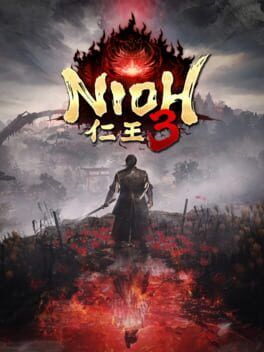

Nioh 3 has sold over 1 million copies in two weeks, making it the fastest‑selling game in Team Ninja’s masocore samurai series. We break down how its new structure, popular demo, and launch window combined with strong early reception to push the franchise past 10 million units.
Nioh 3 did in two weeks what took the original game longer and what Nioh 2 only matched on a single platform. Passing 1 million copies sold in roughly 14 days on PlayStation 5 and PC, the latest entry has become the fastest selling title in Team Ninja’s masocore samurai series, and it has dragged the entire franchise past the 10 million mark in the process.
Publishers love big round numbers, but the way Nioh 3 got there says more than the milestone itself. A series that once sat a little off to the side of the Soulslike conversation has, three games in, found a broader audience without abandoning what made it brutal in the first place.
A new structure that sells the fantasy faster
The first two Nioh games were mission based, almost old school in their structure. You picked a level from a map, cleared a tightly designed gauntlet, then bounced back to menus to do it again. It was efficient and replayable, but that format also made the series look more niche compared to open field action RPGs and grander Soulslikes.
Nioh 3 keeps the high speed combat and intricate stance dance that veterans expect, but it drops those rigid level select screens for a broader, semi open layout. Regions are now made up of larger spaces dotted with combat scenarios, shrines, shortcuts and secrets that flow together more naturally. It is still structured in chapters and clear objectives, yet the presentation makes it feel more like a modern action RPG than a lobby of discrete missions.
For potential new players, that matters. Screenshots and trailers of Nioh 3 communicate a more expansive adventure, with sweeping Edo period vistas and wider routes into enemy strongholds, instead of a string of enclosed arenas. It is easier to imagine exploring this version of Japan for dozens of hours, and that perception makes a purchase at launch feel less risky.
Under the hood, Team Ninja has shaved off some of the friction points that scared people off in the past. The early skill curve is gentler, Ki and stance management is taught more deliberately, and the first bosses hit hard without being the instant brick walls that Nioh and Nioh 2 became infamous for. That design shift has been singled out in coverage across outlets and in community impressions as making Nioh 3 “the most approachable” game in the trilogy, and approachability sells.
A demo that turned doubt into pre orders
If the structural changes laid the groundwork, the Nioh 3 demo was what actually closed the deal for a lot of players. Released just days before launch and available on both PS5 and PC, the slice gave players several hours of content and a proper look at the revamped flow.
According to Koei Tecmo, that demo passed 1 million downloads on its own before release. That figure, combined with strong word of mouth, meant the game was already trending and being dissected by streamers and Souls communities before it even hit storefronts. Crucially, the demo allowed progress transfer into the full game, which turned those trial runs into early investments rather than throwaway sessions.
The structure of the content in that demo was smart. It showcased new open field layouts and traversal, but it also dropped players into classic Nioh territory: dense enemy placements, punishing yokai duels and deliberate build crafting. Longtime fans could feel that the core was intact, while newcomers got a reassuring taste of the pacing and difficulty without needing to buy in.
Community sentiment around the demo leaned heavily positive. Many players who had bounced off the first two entries called this the first Nioh that “clicked,” thanks to clearer tutorials and more readable early encounters. Existing fans largely framed the changes as refinement rather than compromise. That consensus is exactly what any publisher wants swirling around social feeds in the days directly ahead of launch.
Launch timing that let Nioh 3 breathe
Timing is rarely the star of a sales story, but for Nioh 3 it has clearly helped. The game arrived on February 6, 2026, in a relatively quiet corridor for big action RPGs. It avoided the crush of autumn blockbusters and steered clear of the usual January backlog clear out.
With a simultaneous release on PS5 and Steam, there was no staggered PC delay to blunt the initial wave of interest. That synchronised launch matters when your genre depends heavily on streaming, co op chatter and early build theorycrafting. Players on both platforms were discovering bosses and farming spots at the same time, which meant social feeds, Discord servers and subreddit threads were more active and more visible to anyone watching from the sidelines.
Retailers and platform holders had room to feature the game as one of the month’s tentpole releases. The sales updates coming within two weeks of release suggest that this spotlight conversion actually worked, rather than being drowned out by three other tentpoles in the same week.
On Steam specifically, the impact is quantifiable. Nioh 3 quickly shot up the global top sellers chart and broke the series’ concurrent player record, peaking at more than 80,000 players online at once. That peak easily cleared anything that Nioh or Nioh 2 managed on the platform, and it came in the same two week window that it passed the 1 million sales mark worldwide.
Critical and community sentiment: sharp praise, sharp edges
Sales momentum alone does not guarantee people are happy once they get in, but early critical and player sentiment for Nioh 3 has been strong. Across outlets, the game is being framed as Team Ninja’s most accomplished action game yet and, crucially, its most accessible Nioh.
Reviewers and commentators have highlighted the feel of the combat as the main draw. The stance system, Ki Pulse timing and yokai powers are all back, and the new open field spaces give Team Ninja more opportunities to vary encounter pacing. There is praise for the way Nioh 3 lets you flex different builds early, with a broader spread of weapons and onmyo tools hitting the loot pool within the first few hours. That quicker access to experimentation is a quiet but important shift for a series whose depth sometimes hid behind grind.
The story has also been called out as the most ambitious in the trilogy. Set during the Edo period, it threads supernatural conspiracies through a political struggle for the future shogunate. It is still delivered in Nioh’s brisk, scene to scene way, but players seem more invested in this slice of history, and that engagement helps keep them pushing through the game’s nastier difficulty spikes.
There are caveats. PC performance has drawn criticism in some circles, with reports of inconsistent frame pacing and shader compilation hitches on certain configurations. Balance debates are already flaring up around specific weapon types and spirit transformations that some players view as overtuned. It is a Nioh game, so of course there are arguments about whether the team made things too friendly for newcomers or not friendly enough.
What matters in the context of those 1 million sales is that the positives are loud and consistent. Most players who went in early seem to have found what they were hoping for: a denser, faster, smarter Nioh that demands precision without quite as many opaque systems throwing them off the cliff.
Building on Nioh 1 and 2 without leaving them behind
The sales trajectory of the series tells a story of iteration. The original Nioh built its audience slowly, benefitting from word of mouth and a soft spot in the calendar rather than explosive day one numbers. Nioh 2 launched into a far more crowded landscape, but it capitalised on goodwill from the first game and reached 1 million sold in a much tighter window on console alone.
Nioh 3 arrives at a point where the Soulslike audience is both much larger and much more discerning. There is more competition, but there is also more hunger for games that offer deep combat systems and punishing, repeatable encounters. By keeping the sharpness of its predecessors while polishing the onboarding, Team Ninja has positioned Nioh 3 as the natural answer for players who want something more aggressive and mechanical than a traditional Souls game, but less opaque than the earlier Nioh titles.
The 1 million copies in two weeks milestone is the clearest sign yet that this strategy is working. It is not just the series’ existing audience showing up again. Steam records, social engagement and the kind of questions new players are asking suggest that a significant portion of Nioh 3’s audience is coming in fresh.
What the milestone hints at for post launch
Hitting this kind of number so quickly gives Koei Tecmo and Team Ninja options. The immediate impact will almost certainly be felt in post launch support. The previous two games both received substantial expansions that pushed their combat systems in new directions and offered some of the most demanding boss fights in the genre.
With a larger audience locked in from the start, there is more incentive to invest in that kind of long tail content. Balancing passes to smooth out early PC performance and sand down the roughest difficulty spikes are practically a given. Beyond that, Nioh 3’s more open structure feels tailor made for new regions, challenge dungeons and late game build toys that keep players experimenting long after the main story is over.
The broader franchise picture matters too. Crossing 10 million units across the trilogy is a strong statement for a series that began life as a comparatively niche spin on samurai action. That total will shape how Koei Tecmo thinks about future collaborations, ports and potential platform strategies, even if the current game remains absent from some consoles.
For now, though, Nioh 3’s early performance stands on its own. Smart structural changes, a well received demo, a clear launch window and a combat system that still has no real peer have all combined to turn what was once a cult favourite into a headline act. The question from here is not whether Nioh has a future, but how aggressively Team Ninja chooses to build on the foundation that 1 million sales in two weeks has just laid.