
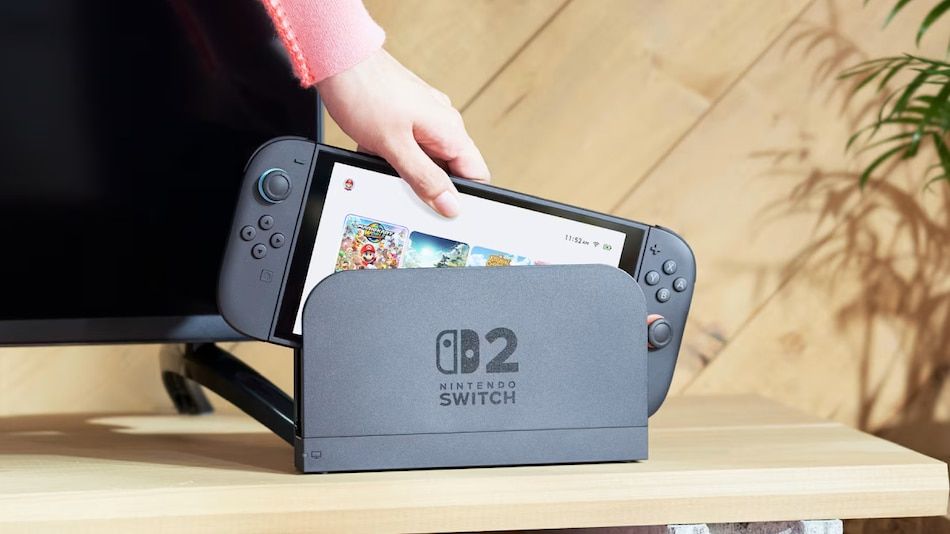
Known Nintendo Switch 2 upgrade pack prices now range from free to $20, and The Witcher 3 shows how to judge whether a paid upgrade earns its keep.
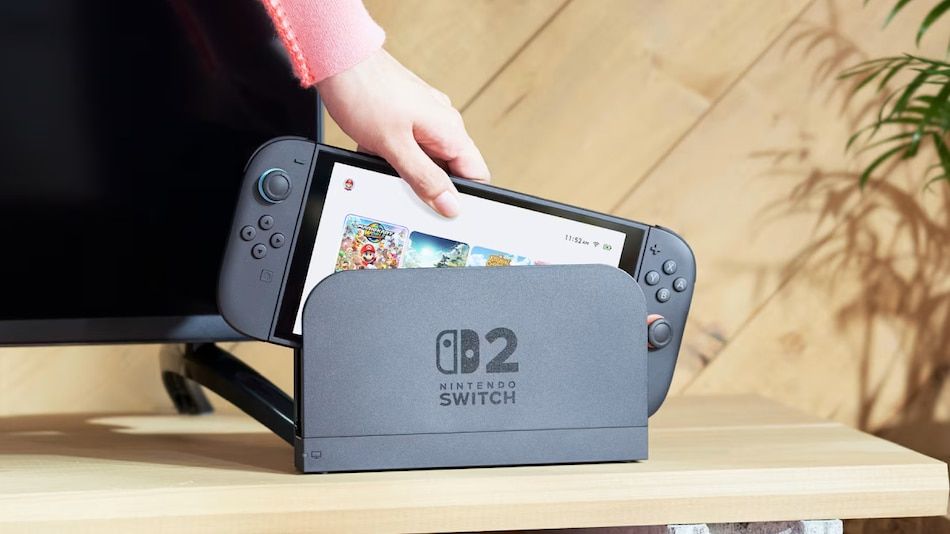
Image: gadgets360.com
Switch 2 upgrade pricing now has a real spread
Nintendo Switch 2 upgrade pack prices are no longer a simple yes-or-no question. According to Nintendo Everything, various store pages now confirm Switch 2 Upgrade Pack pricing across a wide slate of games, with many third-party upgrades listed as free and some paid upgrades reaching $20. Techloy’s roundup frames the same range as starting at free, dipping into $0.99 paid upgrades, and topping out at $19.99.
That spread creates the first real buyer puzzle of the Switch 2 library. If you already own a Switch game, the best path is not always a full repurchase, but it also is not automatically worth paying for an upgrade pack just because one exists. PCMag’s explainer separates the Switch 2 software landscape into native Switch 2 games, Switch 2 Edition games, and original Switch games that run through backward compatibility. That distinction matters because an upgrade pack can mean different things depending on the title: better performance, higher resolution, added content, control changes, multiplayer support, or in some cases a smaller compatibility-focused update.
The early Nintendo Switch 2 upgrade list is therefore less like a single pricing policy and more like a menu of publisher decisions. Some publishers are treating the Switch 2 jump as a free goodwill update. Others are charging small convenience fees. Nintendo’s own highlighted Switch 2 Edition examples can sit higher, with GameSpot listing Super Mario Bros. Wonder’s upgrade pack at $20 and Animal Crossing: New Horizons at $5.
The known price bands are already shaping buying advice
The confirmed listings gathered by Nintendo Everything and Techloy show several useful bands. The cleanest category is free, and it is large. Techloy lists free Switch 2 upgrades for games including 1000xResist, Another Crab’s Treasure, Brotato, Citizen Sleeper, Citizen Sleeper 2, Core Keeper, Dave the Diver, Divinity: Original Sin 2, Factorio, Final Fantasy Tactics: The Ivalice Chronicles, Hades 2, Hollow Knight, Hollow Knight: Silksong, No Man’s Sky, Red Dead Redemption, Sayonara Wild Hearts, Stardew Valley, Subnautica, and Subnautica: Below Zero. Nintendo Everything also notes that many free upgrades are from third parties.
The next practical bracket is the impulse-upgrade tier. Techloy lists several $0.99 upgrades, including Isekai Rondo, Isekai Villain, Novel Rogue, and Overrogue. It also lists $1 upgrades for Dark Auction, Pritto Prisoner, The Exit 8, and Trails in the Sky 1st Chapter. From there, the under-$5 group includes examples such as Braid: Anniversary Edition at $2.99, Botany Manor at $3.99, Game Dev Story at $3.99, Go-Go Town at $3, and Broken Sword: Shadow of the Templars: Reforged at $4.99 according to Nintendo Everything’s list.
The midrange is where the value conversation starts getting sharper. Nintendo Everything lists A-Train: All Aboard Tourism at $6.99, Beyblade X Evobattle at $9.99, Hello Kitty Island Adventure at $9.99, Atelier Yumia: The Alchemist of Memories & the Envisioned Land at $10, and Culdcept Begins at $10. GameSpot says Switch 2 Edition upgrades typically cost $10, while also pointing out exceptions. At the high end, GameSpot lists Super Mario Bros. Wonder’s Switch 2 Edition upgrade pack at $20, and Nintendo Everything says some upgrade packs cost as much as $20.
Free upgrades are the easy wins, but paid upgrades need evidence
For players carrying a big Switch library into Nintendo’s new hardware, the first recommendation is wonderfully unglamorous: check the store listing before rebuying anything. Techloy makes that same practical point, noting that an upgrade pack may give existing owners access to the Switch 2 version without buying a full new copy. PCMag also stresses that the pricing varies widely, from $0 to paid upgrades that require another purchase.
Free upgrades are easy to endorse because the risk is mostly time and storage. If Hades 2, Stardew Valley, Factorio, or Dave the Diver receives a free Switch 2 upgrade, the value calculation is gentle: install it, see how it feels, and keep playing if the improvements serve the game. That is especially inviting for indies and systems-heavy games where small improvements can add up. Smoother performance in a precision platformer, cleaner text in a management sim, or snappier loading in a cozy routine game can change how often a game gets picked up.
Paid upgrades deserve a higher standard. A $1 or $3 pack can still be worthwhile for a favorite, but once prices approach $10 or $20, players should look for specifics: target resolution, frame-rate changes, new content, meaningful control options, multiplayer additions, or bundled DLC. A vague promise of being “enhanced” is weaker than a store page or technical analysis that says exactly what changed.
The Witcher 3 is the clearest example of an upgrade with visible work behind it
The Witcher 3 Remastered on Nintendo Switch 2 is the useful case study because its reported changes are concrete. Nintendo Everything, citing Digital Foundry’s technical analysis, says the Switch 2 version is 55.5GB compared with 39.1GB on Switch 1, uses higher-quality assets, improves texture asset resolution, and includes higher-bitrate pre-rendered cutscenes. The report says the remaster was largely handled by CD Projekt Red with some help from Virtuos.
The technical gap from the original Switch version is also specific. Nintendo Everything reports that The Witcher 3 on Switch 1 ran at dynamic 720p docked and 540p handheld with CD Projekt Red’s anti-aliasing. For The Witcher 3 Remastered on Switch 2, the reported docked range is dynamic 540p to 1080p, with DLSS apparently resolving to a final 1080p target. Handheld play reportedly runs in a 360p to 720p range with a 720p DLSS target. The same report says docked and portable modes use the same visual settings.
There are compromises. Nintendo Everything notes that the lower resolution affects screen-space reflections and depth of field in cutscenes, and that there is no ray tracing on Switch 2. But the list of improvements is substantial: reworked lighting, upgraded physically based textures, new grass and vegetation shading, more precise ambient occlusion than Switch 1, dynamic shadows from local lights, improved foliage and geometry LODs, new grass elements and materials, reworked color grading, and a 40 FPS cap in both docked and portable play. The report also cites quality-of-life improvements, new combat systems, skill tree menus, and Joy-Con mouse and gyro controls.
That is the kind of evidence a paid upgrade needs. If a Switch 2 upgrade changes the way a big RPG reads, moves, and handles across dozens of hours, it has a stronger case than a cosmetic bump with little documentation. The provided price sources do not include a quoted upgrade-pack price for The Witcher 3 Remastered, so the cost side still has to be checked against its store listing. The value side, though, is unusually well supported by reported technical detail.
Nintendo’s own examples show that “Switch 2 upgrade” can mean very different things
GameSpot’s Switch 2 Edition roundup shows how broad the label can be. Super Mario Bros. Wonder is listed with a $20 upgrade pack, but the described additions include the Meetup in Bellabel Park add-on with 17 multiplayer minigames, GameShare support for eight-player local wireless play, 12-player online multiplayer, Rosalina as a playable character, and new main-game story content starring the Koopalings. That sounds closer to an expansion-style upgrade than a simple performance patch, based on GameSpot’s description.
Animal Crossing: New Horizons sits in a different lane. GameSpot lists its upgrade pack at $5 and says players can expect improved resolution up to 4K in TV Mode, mouse controls, expanded multiplayer sessions, and CameraPlay support. For a game built around daily routines, decorating, and social visits, those are practical improvements, but the lower price also changes the threshold. A lapsed islander may shrug. A household still using Animal Crossing as a shared space may find $5 easier to justify.
The Zelda situation adds a subscription wrinkle. GameSpot reports that The Legend of Zelda: Breath of the Wild and Tears of the Kingdom Switch 2 Edition upgrades will be free to Nintendo Switch Online + Expansion Pack members, while still requiring ownership of the games. That is not the same as a universal free upgrade. It shifts the cost question from a one-time upgrade fee to whether the player already subscribes to Nintendo’s higher online tier.
How to judge Switch 2 upgrade value before spending
A smart Switch 2 upgrade value check starts with ownership. If you already own the Switch version, look for an upgrade pack before buying a standalone Switch 2 release or second copy. PCMag notes that physical versions of Switch 2 Edition titles can include the Switch game and Upgrade Pack on the same cartridge, while existing owners may be able to purchase only the upgrade. That distinction can prevent a duplicate purchase.
Next, match the price to the proof. Free upgrades should be claimed whenever they support games you still play. Under-$5 upgrades are easiest to recommend when they improve a favorite or add a specific feature you will use. The $10 tier should come with clear performance, resolution, control, or content gains. The $20 tier needs the strongest justification, such as the kind of added playable material GameSpot describes for Super Mario Bros. Wonder.
The Witcher 3 Switch 2 analysis is the model to look for before paying. Resolution targets, frame-rate caps, asset quality, control additions, and known limitations give players something real to weigh. A 40 FPS cap, DLSS-assisted targets, improved LODs, reworked lighting, and Joy-Con mouse and gyro support are all meaningful facts. A store label alone is thinner evidence.
For now, the safest advice is to treat the Nintendo Switch 2 upgrade list as a living checklist rather than a shopping cart. Prices are confirmed through store pages according to Nintendo Everything, but individual value depends on what each upgrade actually changes. The best upgrades will be the ones that respect both sides of that equation: a fair price, and improvements you can feel while playing.