
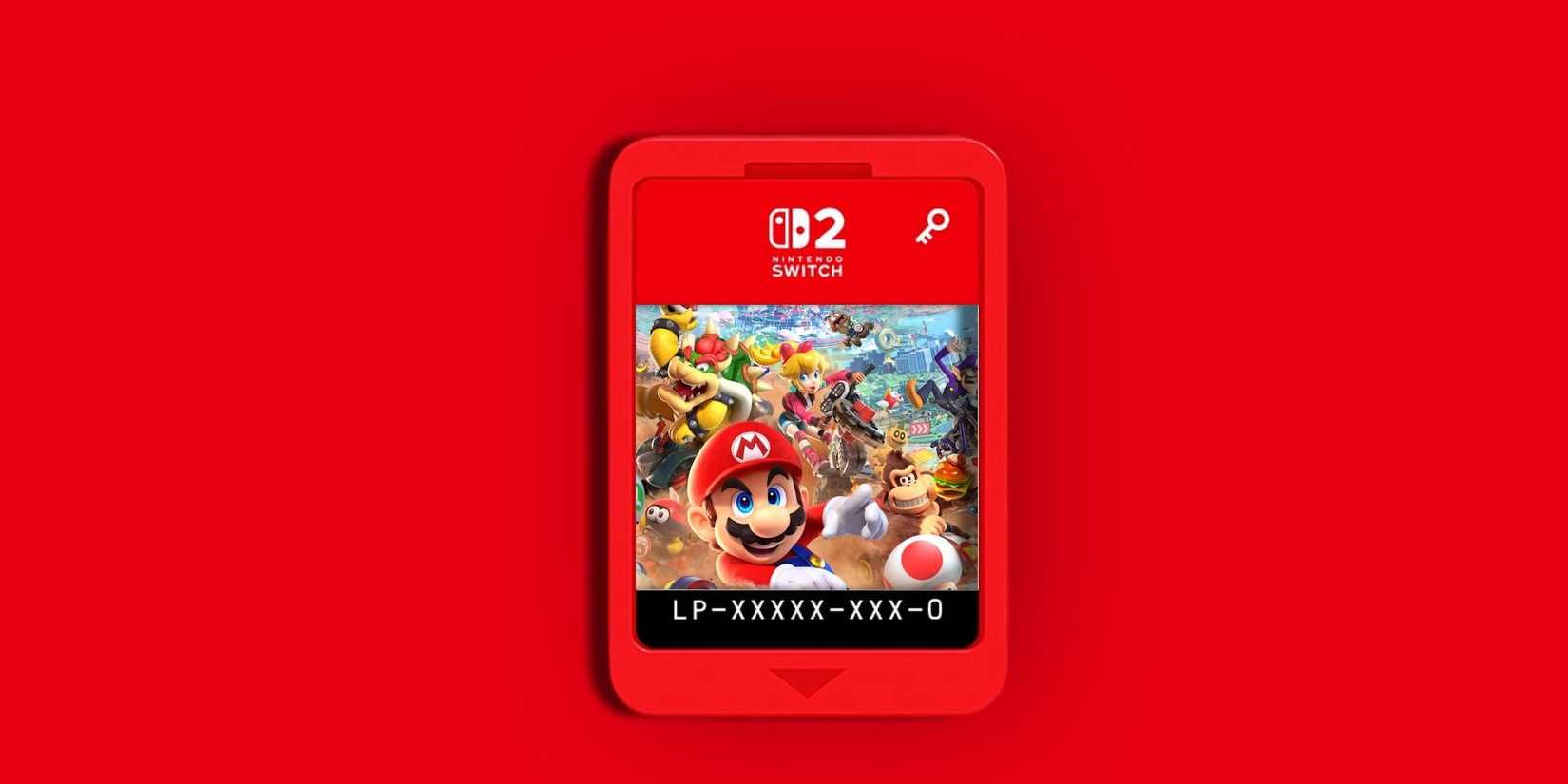

A reported Nintendo policy may prevent Switch 2 Game-Key Card releases from getting full cartridge reprints, complicating plans for collectors, preservation-minded buyers, resale shoppers, and players waiting for complete physical editions.
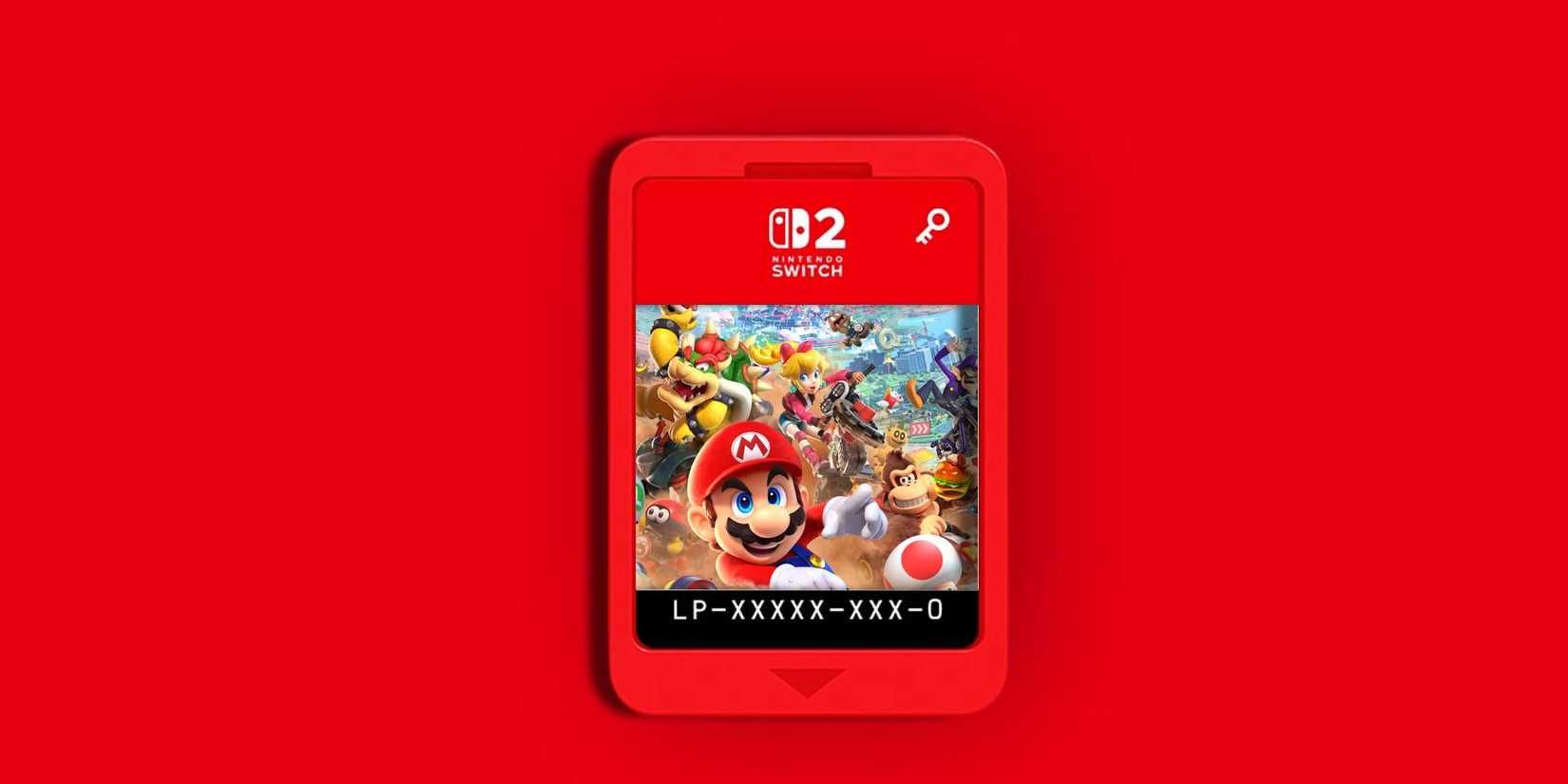
Image: screenrant.com
A deleted retailer post turns a format dispute into a buying decision
Canadian retailer Video Games Plus claimed in now-deleted social media posts that a Nintendo policy is currently preventing existing Nintendo Switch 2 Game-Key Cards from being reprinted as full-on-cartridge versions. Nintendo has not confirmed that policy, and Nintendo Life said it had reached out to Nintendo for comment. That leaves the story in a familiar but uncomfortable place for physical buyers: the clearest statement is coming from a retailer active in the physical-games space, while the platform holder has not publicly explained the rule.
According to the quotes preserved by My Nintendo News and Nintendo Life, Video Games Plus said it has repeatedly tried to get existing Game-Key Card titles reprinted as full cartridges. The retailer wrote, “As we’ve stated many times, we’d actively try to get existing Game-Key Card titles reprinted as full-on-cart versions, but at the moment, there’s a Nintendo policy preventing that.” In a second deleted response, VGP added that “there are legit reasons for this policy to be in place at the moment” and said Nintendo is not blocking publishers “just for the sake of it.”
That combination is the tension at the heart of the game-key card controversy. If VGP’s claim is accurate, a Switch 2 game that launches as a Game-Key Card may not simply get a cleaner, collector-friendly cartridge reprint later. For players who have been waiting out early releases in the hope of a complete edition on physical media, the reported Nintendo physical games policy changes the risk calculation immediately.
The claim is narrow, unconfirmed, and still consequential
The safest reading is precise: this is a reported restriction on converting an already released Switch 2 Game-Key Card product into a full cartridge reprint. It is not a confirmed statement from Nintendo, and the source material does not include a named publisher saying it was denied a reprint. Nintendo Everything framed it as a retailer claim. Explosion likewise noted that Nintendo has not confirmed the policy in the available sources.
That distinction matters because the reported restriction does not appear to say publishers can never release full cartridges. Notebookcheck points to examples where companies have changed course before launch, including ININ switching R-Type Dimensions III to a cartridge ahead of release, though Notebookcheck also reported that buyers ended up paying more than originally announced. The alleged problem is post-release flexibility: once a title is out as a Game-Key Card, VGP says Nintendo policy prevents a straight full-cart reprint of that existing release.
Nintendo Life also cited Nintendeal, which responded to a question about moving from Game-Key Card to full cartridge by saying that, if its understanding was correct, a publisher would need to submit a completely new build. Nintendeal used a hypothetical example, saying Bloober Team might be able to release something like a Cronos: The New Dawn Complete Edition on a proper card, but that it did not think the publisher could simply re-release the base game on card. That is not official policy language, but it sketches a possible path: new SKU, new build, revised edition, rather than a quiet replacement of one format with another.
Collectors were waiting for a ladder that may not exist
For Switch 2 collectors, the practical question has never been whether a Game-Key Card box can sit on a shelf. It can. The problem is what that box represents over time. Explosion describes a Game-Key Card as a physical cartridge that acts as a license key and requires the game to be downloaded to the console, while a full cartridge contains the game itself and can be played without needing the same download step. Notebookcheck similarly notes that Game-Key Cards often require large downloads before they boot.
That is why full cartridge reprints became the hope. Nintendo Life reported that Nintendo had seemingly introduced smaller cartridge size options earlier in the year, raising the possibility that publishers who initially chose Game-Key Cards could later move to cheaper, lower-capacity physical media. Notebookcheck added that ININ had hinted a lower-capacity, cheaper Game Card had arrived, and said Stellar Blade Complete Edition was one example shipping on a 32 GB version after earlier concerns that only pricey 64 GB media was available.
If VGP’s claim is right, smaller or cheaper card options do not automatically rescue past Game-Key Card releases. They may help future games, and they may influence pre-launch decisions, but they would not guarantee Switch 2 full cartridge reprints for titles already sold in key-card form. For collectors, that makes the launch format much more important. Waiting for a later “proper physical” run may be a sound tactic for some games, but it is no longer something buyers can assume will happen through a simple reprint.
Preservation depends on the version, the download, and the edition
The preservation concern is straightforward. A traditional cartridge gives a future player a far better chance of using the copy as a self-contained object. A Game-Key Card, as described by the available reports, depends on a download. That does not make the product useless, and it does not mean every Game-Key Card will become unplayable at a known date. The sources do not establish any shutdown timing, delisting plan, or technical failure point. What they do establish is a structural difference between a card that carries game data and a card that points the console toward a download.
That difference becomes sharper for smaller games, where the craft can live or die on accessibility years later. Indie and platformer collectors often chase physical copies because compact games feel like ideal candidates for complete media: the whole thing on a card, no massive install, no launcher anxiety, no mystery patch dependency. When a download-required format is used for games that players believe could fit on a lower-capacity card, the frustration becomes less about box art and more about whether the release respects the scale of the work.
The reported policy also creates a strange incentive around “complete” editions. If Nintendeal’s understanding is accurate and a publisher needs a new build to move beyond the original Game-Key Card release, preservation-minded buyers may start watching for definitive editions, bundled DLC versions, or renamed releases rather than standard reprints. That is useful, but messy. A complete edition may be a better physical object, yet it can also arrive later, cost more, or never appear. The sources support the possibility of new builds as a route, not a promise that publishers will use it.
Resale value is really about buyer confidence
There is no reliable resale pricing data in the current reports, so any claim that Game-Key Cards will definitely rise or fall in value would be speculation. The safer conclusion is that the reported restriction could split collector confidence. A full cartridge usually offers a simpler pitch on the secondhand market: buy the card, insert it, play the game, subject to the usual update and compatibility realities. A Game-Key Card asks the buyer to accept an extra dependency, and that can narrow the audience for used copies among preservation-focused collectors.
At the same time, scarcity can behave strangely. If a game never receives a full cartridge edition, the original Game-Key Card might still remain the only boxed retail version available. That could preserve interest from complete-set collectors, cover-art collectors, or players who simply want a physical license card rather than a digital-only purchase. The tension is that the same feature can hurt and help depending on the buyer. For one player, a download-required card is inferior. For another, it is still the only physical shelf copy.
The stronger risk is confusion. Nintendo Life floated consumer confusion as one possible reason for the policy, suggesting that shelves with multiple physical versions of the same title could create stress for shoppers. VGP also said there are legitimate reasons for the policy, though it did not name them. If the concern is clarity, resale markets may face the same problem in miniature. Listings will need to state whether a copy is a Game-Key Card, a full Game Card, a code-in-a-box version, or a later complete edition. Buyers should read photos, labels, and descriptions carefully rather than relying on the word “physical.”
How to buy while the policy remains unofficial
For now, the practical guidance is conservative. If you only want full cartridges, do not buy a Nintendo Switch 2 Game-Key Card assuming a full cartridge reprint will arrive later. The current reporting says the opposite may be true for existing releases, and Nintendo has not publicly clarified the rule. If a publisher announces a new build, a complete edition, or a changed physical format before launch, that is a different situation, but the sources do not support treating every Game-Key Card as a placeholder for a future card-based edition.
If you already bought a Game-Key Card, the report does not say your copy is being changed, invalidated, or recalled. It also does not say publishers are barred from releasing new editions under new submissions. The key unresolved questions are whether Nintendo will confirm the policy, whether the restriction applies globally, whether exceptions exist, and what qualifies as a sufficiently new build or edition.
The next signals to watch are official publisher product pages, retailer listings that distinguish Game-Key Card from Game Card, and any Nintendo statement on physical media policy. Until then, Switch 2 collectors are stuck doing the least glamorous but most useful kind of collecting: reading the fine print before buying. In a library where small, beautifully built games can become long-term favorites, the format on the box is now part of the purchase decision.