
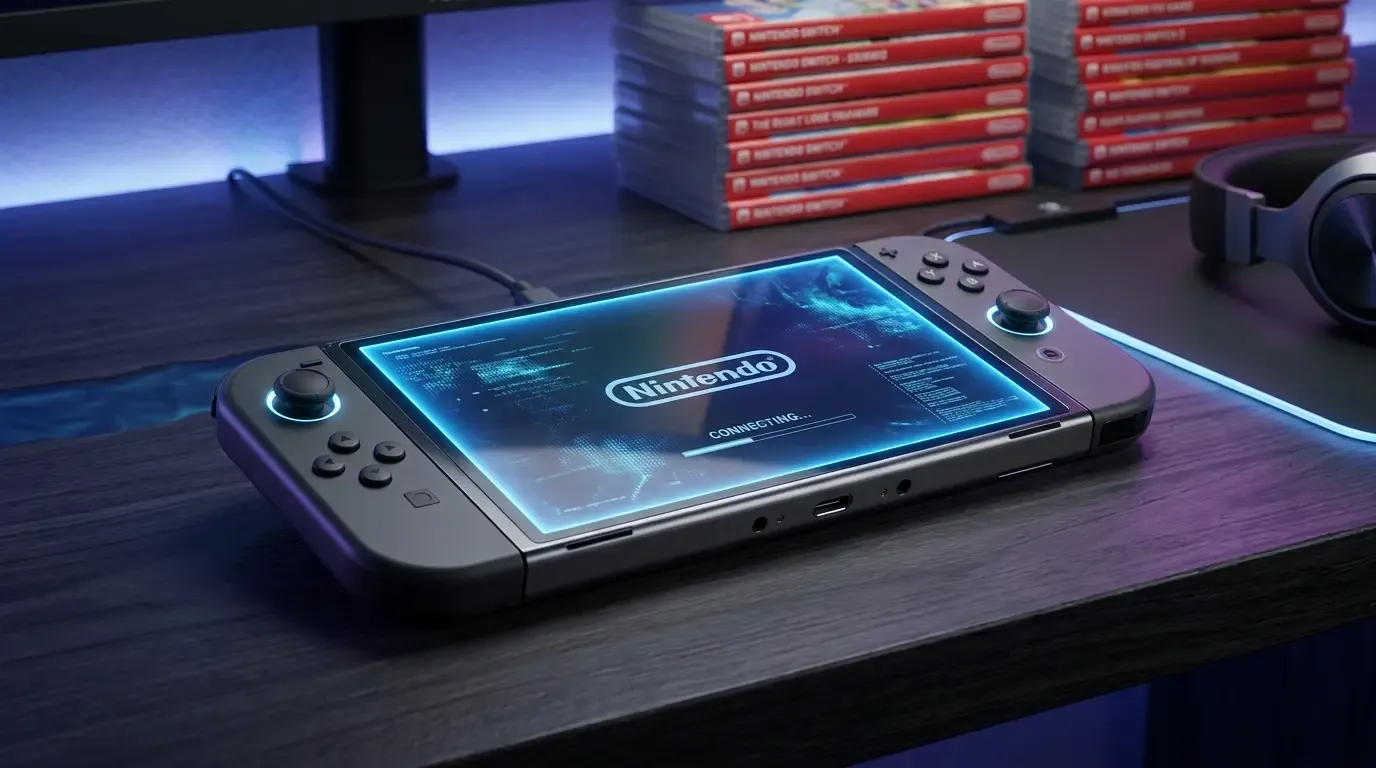
Nintendo’s September 2026 compatibility pass fixes 22 Switch 1 games on Switch 2, while six titles remain unsupported due to progression issues.
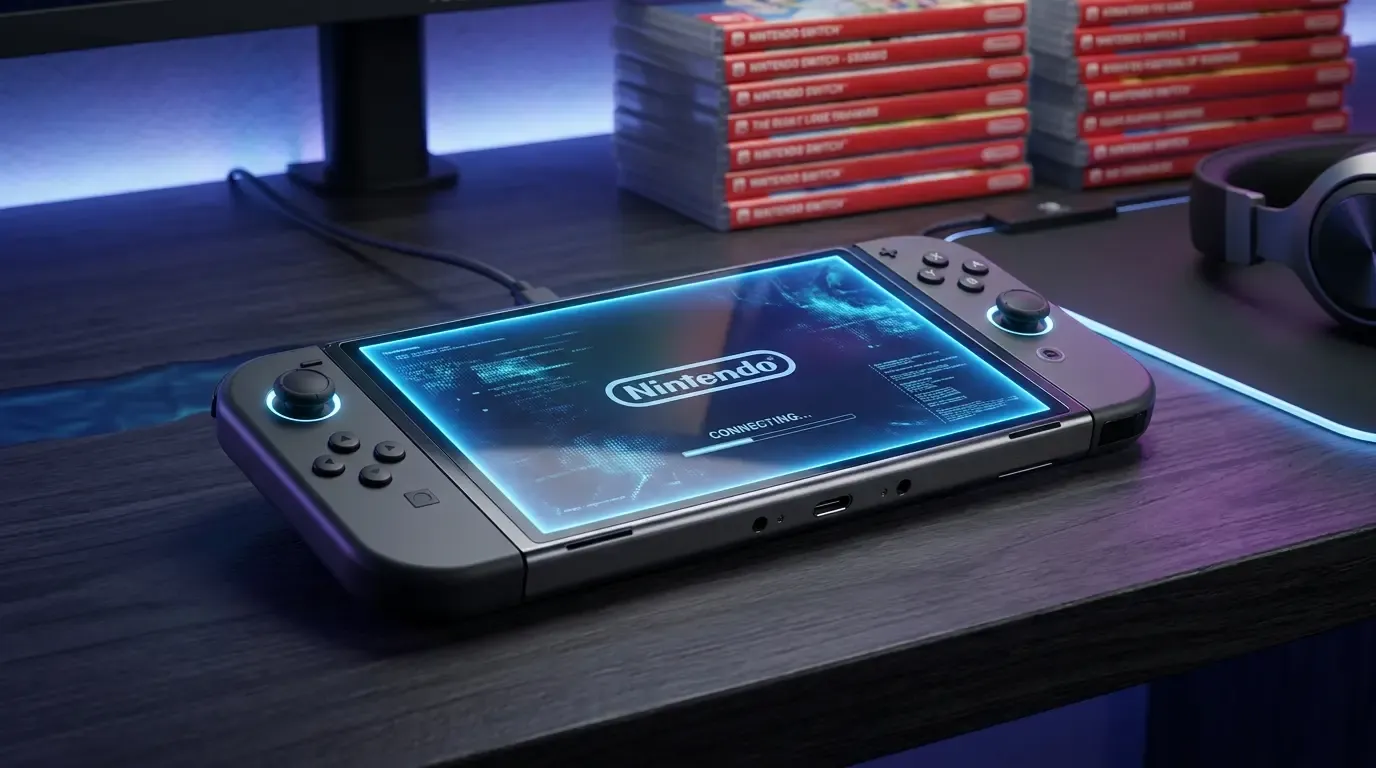
Image: gameluster.com
Nintendo’s latest pass fixes 22 Switch 1 games, but six still have progression problems
Nintendo has pushed another round of Nintendo Switch 2 backward compatibility updates, and the September 2026 pass moves 22 original Switch games into working order while leaving six titles on the current unsupported list due to game progression issues, according to Nintendo Everything’s September 19 report.
The confirmed fixes include a handful of recognizable names for migrating Switch owners: Attack on Titan 2, Go Vacation, and Ninja Five-O are specifically called out by Nintendo Everything as games now in working order. The full fixed group reported for September is Aidan In Danger, Asatsugutori, Attack on Titan 2, Bar Stella Abyss, Boot Hill Heroes, D.C.4 Da Capo 4, Fig, Go Vacation, Hayarigami: Keishicho Kaii Jiken File, Hyperdimension Neptunia Re;Birth3 V Generation, Kiyo: Bunny Tyranny, Laboratory Rat Escape Simulator Pro, Monster Menu: The Scavenger’s Cookbook, Ninja Five-O, Overdriven Reloaded: Special Edition, Shin Hayarigami 3, Suuran Digit for Nintendo Switch, Terraformers, The Wild Case, Tiny Lands, What the Dub, and ZikSquare.
The tension is in the other list. Nintendo’s current unsupported lineup, as reported by Nintendo Everything and My Nintendo News, is Herdling, ILA: A Frosty Glide, Lost Twins 2, Operation: Tango, Rain World, and Slay the Princess: The Pristine Cut. These are not described as minor visual hiccups. The reason given is game progression issues, which makes them especially important for players deciding what to install first on new hardware.
The September fixes appear tied to firmware 23.0.0
Nintendo Everything reports that many of the latest Switch 1 compatibility fixes are tied to the Nintendo Switch 2’s version 23.0.0 firmware update, which arrived a few days before the September compatibility list. Its linked patch-note coverage describes that firmware as adding new features, including docked VRR support and Mii Maker music, but the compatibility story itself is narrower: the practical result is that a new system update has coincided with another batch of Switch 2 game fixes.
That distinction matters because it suggests players should treat Nintendo Switch update timing as part of library migration. If you are moving a large Switch 1 collection over to Switch 2, the safest first step is to make sure the console is current before testing older software. The sources do not say whether every listed game requires only the system firmware, whether any individual game updates are also involved, or whether all fixes arrive identically across regions. What is confirmed is that this compatibility pass is associated with the wider 23.0.0 update window.
My Nintendo News adds that Nintendo has been working with third-party developers to get problematic Switch games running as intended on Switch 2. That framing is useful, but it should not be stretched into a guarantee. The current list shows active maintenance, not a promise that every remaining issue has a date or a committed fix.
Nintendo is prioritizing blockers over polish
The pattern in the September list is fairly clear: Nintendo’s public compatibility tracking is separating games that now work, games that remain unsupported because progress can break, and games with known non-blocking issues. That is the most useful reading for players. A title that has a sound problem is inconvenient; a title that cannot be reliably progressed is a different risk entirely.
Nintendo Everything reports one example in that middle ground: Colors Live. Nintendo says users may experience audio problems in some areas, and the outlet notes that this could be fixed in a future backward compatibility update. That is materially different from the unsupported list. Colors Live has a known audio issue, while the six unsupported games are flagged around progression.
For an indie-heavy library, that split is especially important. Rain World and Slay the Princess: The Pristine Cut are both the kind of games where rhythm, repetition, dialogue routes, and accumulated knowledge are core to the experience. The sources do not detail the exact progression bugs in either game, so there is no basis for saying where they fail or how often. Still, Nintendo’s label is enough to make the advice simple: if a game is currently unsupported due to progression issues, do not start a serious playthrough on Switch 2 unless you are willing to risk interruption.
The fixed list is wide, weird, and very Switch
This is not a compatibility pass built only around obvious tentpole releases. Attack on Titan 2 gives the list a licensed action headline, Go Vacation brings in a family-friendly activity collection, and Ninja Five-O carries historical weight as a long-requested action-platformer revival. Around them sit visual novels, small puzzle games, strategy, party games, RPG curiosities, and deeply specific eShop fare.
That breadth is the real story for anyone with a messy digital library. Switch 1 became a home for compact experiments, late ports, regional curios, and budget discoveries alongside Nintendo’s biggest releases. A backward compatibility program that only cleaned up the most famous games would leave many players with gaps in the exact part of the library they are least likely to rebuy elsewhere.
The September batch suggests Nintendo is still working through that long tail. Tiny Lands, What the Dub, The Wild Case, Boot Hill Heroes, Terraformers, and Monster Menu: The Scavenger’s Cookbook do not all serve the same audience, but they represent the kind of back-catalog clutter that defines a real Switch owner’s home screen. For platformer fans and indie collectors, that is where compatibility confidence is won: not in a marketing graphic, but in whether the odd little purchase from years ago still boots when curiosity strikes.
Players migrating to Switch 2 should check three categories before committing time
Based on the reported September status, the practical guidance is less about panic and more about triage. If your Switch 1 game is in the September fixed group, Nintendo’s latest compatibility pass indicates it is now in working order on Switch 2. If it is in the unsupported group, the reported reason is progression issues, so it is a poor candidate for a first playthrough or a save-file transfer you care about. If it is Colors Live, the known issue is audio in some areas, with a future compatibility update presented as possible rather than dated.
Players should also be careful with assumptions around the phrase “fixed.” The sources do not provide frame-rate tests, load-time comparisons, input-latency measurements, or side-by-side performance notes for the newly fixed games. “Working order,” as reported here, means the title has moved out of the problem category in Nintendo’s compatibility tracking, not that it has received a Switch 2-enhanced version or a performance upgrade.
That matters for buying decisions. If you were waiting to continue Attack on Titan 2, Go Vacation, or Ninja Five-O on Switch 2, the September list is a good sign. If you were planning to start Rain World or Slay the Princess: The Pristine Cut specifically on the new hardware, the current unsupported label is a reason to wait or use original Switch hardware until Nintendo’s status changes.
The remaining gaps show backward compatibility is a moving target
NewsBeep’s mirror of the Nintendo Everything report notes that Nintendo has been issuing compatibility fixes since Switch 2 launched last year, with prior rounds spanning 2025 and 2026. My Nintendo News similarly frames this as an ongoing process rather than a one-time patch. The September update fits that rhythm: another batch improves, another small set remains flagged, and one known audio issue sits in the “could be fixed later” lane.
That rolling approach is encouraging, but it also leaves unanswered questions. Nintendo has not, in the provided reports, dated fixes for the six currently unsupported titles. The sources do not specify whether the progression issues are caused by Switch 2 firmware behavior, game-specific code, third-party engine quirks, or some combination of those factors. They also do not say whether players should expect future compatibility fixes to keep arriving alongside major firmware updates such as 23.0.0 or through smaller background changes.
For now, the safest read is that Nintendo Switch 2 backward compatibility is improving in visible batches, with Nintendo appearing to prioritize games that fail to run correctly or block progression before polishing less severe issues. That is good news for players bringing years of Switch 1 purchases forward, but the September list is also a reminder to check status before assuming every old favorite is ready for the new dock.