

Nintendo is reportedly asking partners to build 20 million Switch 2 units by March 2027, well above its public sales forecast. Here is what that production target says about demand expectations, launch momentum, and why abundant hardware supply could change the console’s third-party fortunes.
Nintendo reportedly wants suppliers to build around 20 million Switch 2 units by the end of its fiscal year in March 2027, a figure sourced to Bloomberg and echoed by outlets like VGC, Eurogamer, and Nintendo Life. That target sits roughly 20% above Nintendo’s own public sales guidance of 16.5 million units, which is unusually bullish for a company that tends to talk conservatively and let results do the boasting.
The context is important. Switch 2 is already off to a blistering start, with reports pegging year‑one sell‑through at about 19.86 million units. That means Nintendo is not just hoping for a big launch window; it is planning around sustained momentum into the system’s second full year on the market, even as it prepares to raise the console’s price in major territories in late 2026.
This production story is really three stories layered together. It is about Nintendo’s demand forecast, about how it wants to manage launch momentum, and about the message abundant hardware supply sends to third‑party publishers that spent much of the original Switch’s life straddling aging mobile hardware and bleeding‑edge consoles.
Reading The 20 Million Target As A Demand Forecast
The 20 million figure is not an official sales projection. It is an internal build plan, given to suppliers as a target. That distinction matters, but the gap between the two numbers is what makes analysts pay attention.
Nintendo’s public forecast of 16.5 million Switch 2 shipments for the year to March 2027 already assumes a healthy second year following a giant launch cycle. Asking manufacturers to be ready for 20 million units implies three things about internal expectations.
First, Nintendo clearly believes demand has not peaked yet. You do not commission an extra few million units on a speculative whim when you are still recovering from the scars of the Wii U. Between the strong launch, the clear appetite for Switch‑style hybrid hardware, and the current software slate, Nintendo seems confident that there is still a large pool of fence‑sitters and upgrade‑shy original Switch owners waiting for the right bundle, game, or price cut to jump.
Second, Nintendo wants headroom above demand rather than below it. During the original Switch generation, Nintendo repeatedly found itself constrained by components, particularly during the pandemic. That condition turned natural demand into a chain of stock shortages and inflated resale markets. The company appears determined not to relive that period. An extra 20% buffer in the manufacturing pipeline allows Nintendo to absorb holiday spikes and regional hits without immediately slamming into a hard cap on supply.
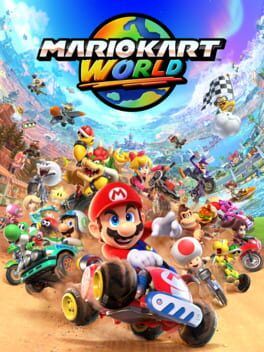
Third, Nintendo is planning around a stronger software year than it has publicly announced. The reports repeatedly point to Mario Kart World as an anchor for ongoing sales, and speculative mentions of a Star Fox remake, a new Fire Emblem entry, and an Ocarina of Time remake suggest there is a deeper first‑party lineup queued behind already revealed titles. Nintendo has traditionally tied hardware production decisions to software calendars; if they are ready to build 20 million units, it is almost certainly because they have at least one or two more major tentpoles penciled into the same fiscal period.
Launch Momentum: From Scarcity To Saturation
The original Switch was defined in its early years by demand outstripping supply. You could argue that scarcity became part of its narrative. Switch 2 looks to be different. Between earlier reporting that Nintendo put a robust supply chain in place and this fresh 20 million unit production target, the priority now appears to be market saturation.
Switch 2 is already tracking as one of Nintendo’s fastest‑selling systems. To keep that curve steep rather than peaking early, Nintendo needs two things: a constant stream of reasons to buy now and the physical hardware available when people finally decide.
From a launch momentum perspective, a big manufacturing number serves a few strategic purposes.
It signals to retailers that Nintendo expects this system to sell like a mainstream consumer device, not a niche gadget. That has a direct impact on how much shelf space key partners allocate, how aggressively they push bundles, and how much marketing weight they put behind Switch 2 rather than just treating it as one console among many.
It helps Nintendo manage the narrative around its upcoming price hikes. Raising the sticker price in the US, Europe, Canada and other regions in late 2026 would normally risk cooling enthusiasm. But if Nintendo can position the price increase alongside clear evidence of demand, a strong library and widely available stock, the optics shift from gouging into a confident premium play. This aligns the hardware story more closely with Apple style product cycles, where price holds longer because the perceived value is sustained by ecosystem and polish.
It keeps momentum from fragmenting as special editions and bundles start to roll out. Historically, Nintendo loves its limited edition consoles, especially around Pokémon, Zelda, or Mario releases. With a deeper manufacturing buffer, Nintendo can produce themed models without starving the base model channel. That means less consumer frustration and fewer scenarios where the most desirable version of the hardware is the one nobody can find.
Why Abundant Hardware Supply Matters To Third‑Party Publishers
The original Switch was a commercial monster, but its 2015‑era mobile chipset limited what third‑party publishers could reasonably bring to the platform as the years wore on. Many of the biggest cross‑platform releases arrived late or in compromised form, and some modern engines and feature sets simply could not be brought over without heavy rework.
If the reports are correct and Switch 2’s hardware closes much of that gap with contemporary consoles, then a production capacity aimed at 20 million units has several downstream effects for third parties.
It lowers perceived port risk. A publisher deciding whether to commit serious resources to a Switch 2 version of a new game cares about two questions: how powerful is the hardware, and how many potential customers will exist during the title’s sales window. A first‑ or second‑year install base that can easily climb past 35 million units, with no chronic stock shortages, makes porting much easier to justify to executives.
It opens the door for day‑and‑date parity on more projects. If Switch 2 can handle contemporary rendering targets and there is confidence that enough consoles will be in homes when a big AAA game launches, you can plan the Switch 2 SKU as part of the baseline rather than an afterthought. That unified pipeline is critical for games built on engines like Unreal or proprietary tech where maintaining multiple divergent versions is expensive.
It makes timed exclusivity and deeper partnerships more appealing. Third‑party publishers have often signed content deals with Sony and Microsoft because those platforms could guarantee strong day‑one reach. A healthy and well supplied Switch 2 changes that calculus. If Nintendo can show a clear path toward tens of millions of units in a short window, it becomes easier for a major publisher to justify betas, cosmetic rollouts, or DLC early access content on Switch 2 in exchange for marketing support.
It encourages experimentation with mid budget and online projects. Indie and AA publishers in particular tend to live and die by reach. Knowing that Switch 2 hardware will be easy to find makes it less risky to greenlight online centric projects that need a large, stable player base across regions. That complements Nintendo’s own growing interest in live service adjacent features, even if it still prefers traditional boxed releases.
The Shadow Of Price Hikes: Can Demand And Supply Stay In Sync?
The wrinkle in the story is Nintendo’s decision to raise Switch 2 prices in September 2026 in key markets. Conventional wisdom would say that you amortize costs by quietly revising hardware rather than overtly moving the price tag up, especially when macroeconomic conditions are shaky.
Nintendo’s willingness to both increase price and ask for 20 million units in the same fiscal window hints that internal demand projections significantly outpace what the official forecast communicates. In other words, Nintendo is pricing as if demand is strong enough that a higher ticket will not meaningfully slow adoption, particularly if the game lineup is compelling.
From a third‑party perspective, this is still good news as long as supply is not constrained. A higher priced console that remains consistently available is preferable to a cheaper console that frequently vanishes from shelves. What publishers want is predictability. A stable or growing user base, visible in both shipped hardware and online activity metrics, is more valuable over time than short term spikes caused by price cuts or fleeting scarcity.
The risk is that Nintendo overshoots and ends the fiscal year with warehoused inventory if the global economy softens or if marquee titles slip out of the window. That scenario could prompt bundles or selective discounts that confuse early adopters and complicate revenue forecasting. But Nintendo’s cautious history on hardware planning and its conservative public guidance suggest the 20 million number is more of an upper bound than a guaranteed run rate.
What This Means For The Next Few Years Of Switch 2
Nintendo’s production plans hint at a platform that is intended to live aggressively, not cautiously. With near 20 million units already sold and a manufacturing target above its own forecasts, the company is positioning Switch 2 as a genuine central pillar for third‑party efforts rather than a quirky side platform.
If the hardware delivers on its performance rumors and Nintendo follows through with a software slate that justifies this confident build plan, the second and third years of Switch 2 could look very different from the late years of the original Switch. Fewer games will need cloud versions or ultra pared back ports. More big releases can realistically consider day‑and‑date parity. And smaller developers will have a larger, more stable audience to build around.
The 20 million unit target is not just a manufacturing number. It is Nintendo writing, in hardware, what it believes about the next phase of its hybrid strategy: that demand will stay hot, that scarcity should no longer define success, and that a well supplied, technically capable Switch ecosystem can finally become a true first choice platform for more of the industry’s biggest games.