
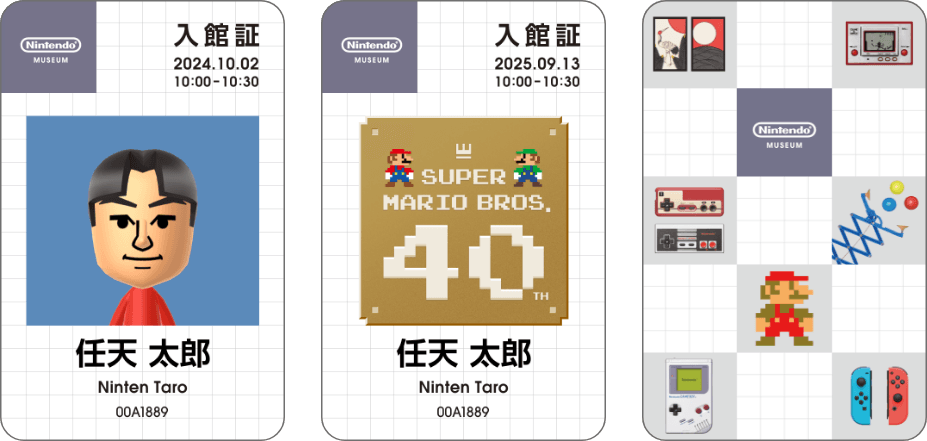

Nintendo says some visitors with third-party Nintendo Museum tickets have been refused entry. Here is what the resale warning says, what remains unclear, and how to avoid invalid tickets.
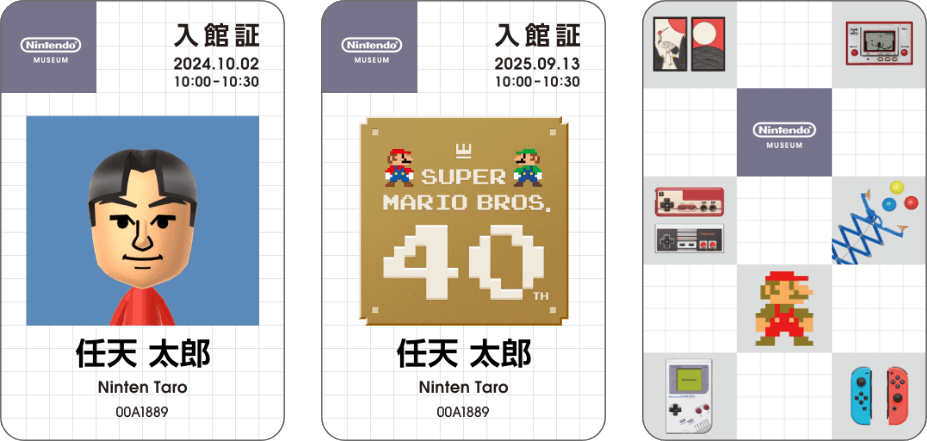
Image: check.museum-tickets.nintendo.com
Nintendo’s warning puts third-party museum tickets in the danger zone
Nintendo has issued a public warning after confirming “several cases” in which people who bought Nintendo Museum tickets outside the official ticketing site were unable to enter the museum. The notice, posted through the Nintendo Museum’s official channels and reported by Nintendo Life and Nintendo Wire, says tickets are sold only through the Nintendo Museum ticket page and that tickets bought through resale, payment-processing, or similar third-party services are invalid.
That is the key development for anyone planning a Kyoto stop around Nintendo’s history: a ticket that looks useful on a resale site may leave you at the door with no entry. Nintendo’s official X post for the Nintendo Museum says visitors have already been affected, and directs buyers to the official ticket page at museum-tickets.nintendo.com.
For travelers, the tension is obvious. Nintendo Museum Japan tickets are limited through Nintendo’s own process, and Nintendo Life notes that official tickets are sold through a random draw system. That can make planning frustrating, especially for visitors building flights, hotels, and rail bookings around a Japan itinerary. Nintendo’s warning is also blunt: trying to solve that uncertainty through a reseller creates a separate risk, and the company says those tickets can be invalidated.
What Nintendo says is prohibited
Nintendo’s position, as quoted by Nintendo Life and Nintendo Wire from the official museum statement, is that Nintendo Museum tickets can only be obtained directly through Nintendo’s official ticketing route. The company says it will cancel unauthorized purchases without prior notice, and that refunds will not be provided for those purchases.
Nintendo also says eligibility to access the museum in the future may be affected. That part of the warning is especially important because it extends the risk beyond a single failed visit. The sources do not describe the exact process Nintendo uses to determine future eligibility, and Nintendo’s quoted statement does not lay out a fixed penalty schedule. What is confirmed is that Nintendo is reserving the right to treat unauthorized ticket activity as a serious breach of the museum’s rules.
The resale warning also reaches sellers. Nintendo’s statement says that if it identifies prohibited resale activity, it may take “appropriate action” in accordance with applicable laws and regulations. The company adds that anyone who continues to resell tickets while knowing they cannot be redeemed may be subject to criminal liability for fraud. That is stronger language than a simple “do not buy from scalpers” reminder, and it frames some resale activity as a potential legal issue rather than a customer-service problem.
The practical risk is not abstract anymore
The most useful part of this Nintendo Museum resale warning is also the least comfortable one: Nintendo says people have already been unable to enter after buying through unofficial means. This is not presented by Nintendo as a theoretical loophole or a future enforcement plan. The company says multiple invalid-ticket cases have occurred.
That changes the visitor calculation. If a third-party listing promises a confirmed slot, the buyer still has to get through Nintendo’s entry process. The source material does not provide a full technical explanation of how Nintendo detects unauthorized purchases, nor does it detail every form of identity or account check used at entry. A Nintendo Life commenter claims that ID is checked before entry and advises that the name on a ticket should match a passport exactly, but that is a reader anecdote, not an official statement in the supplied material.
The confirmed guidance is simpler and firmer: if the ticket did not come through the Nintendo Museum ticketing website, Nintendo says it is not a valid path into the museum. A reseller’s screenshot, forwarded QR code, payment-agent receipt, or “transfer” offer does not override Nintendo’s rule. For visitors, the danger is paying twice, once to a third party and once in lost time, travel disruption, or a missed museum day.
Why the lottery pressure feeds the resale problem
Nintendo Life points to one likely source of frustration: the official ticket system uses a random draw, so applying does not guarantee admission. That structure can be maddening when a trip has fixed dates. The Nintendo Museum is in Kyoto, Japan, a city many international visitors schedule tightly, and the museum is the sort of pilgrimage stop that can anchor a day for Nintendo fans.
Still, the resale market feeds on that exact pressure. A limited, uncertain allocation creates demand for anyone claiming they can supply certainty. Nintendo’s warning is designed to puncture that promise. The company is effectively telling visitors that a resale listing is not certainty at all, because the museum can treat the purchase as unauthorized and cancel it.
There is also a business and crowd-control logic here. Museums with limited capacity need the admissions system to remain tied to the official allocation process, especially when the attraction has global demand. The supplied sources do not say Nintendo has changed ticket supply, changed lottery odds, or introduced a new transfer tool. The confirmed action is enforcement messaging: buy through Nintendo’s ticket page or risk an invalid ticket.
How to avoid invalid Nintendo Museum tickets
The safest advice is the least glamorous: use only the Nintendo Museum ticket page that Nintendo itself identifies, museum-tickets.nintendo.com. Nintendo’s official X post says tickets are not sold outside that page, and warns that tickets purchased through resale, payment agency, or similar services will be invalid.
Do not treat “ticket transfer” language as a workaround. The angle of Nintendo’s statement, as reported by Nintendo Life, covers resale and transfer activity, and Nintendo Wire describes third-party acquisition as prohibited by museum rules. If someone offers to buy on your behalf, process payment for you, transfer a slot, or sell access after winning a draw, that sits in the risk area Nintendo is warning against.
If you are planning a trip, the practical move is to build flexibility around the official draw rather than building your itinerary around a resale promise. Apply through Nintendo’s own system, keep your confirmation and account details in order, and avoid sites that imitate official ticketing language. The supplied sources do not include a full checklist for entry documents, so visitors should check the official Nintendo Museum ticket page and museum notices directly before arrival for current admission requirements.
What remains unanswered after Nintendo’s notice
Nintendo’s warning is clear on the rule, but it leaves some visitor questions open. The statement quoted by the outlets does not explain how often invalid tickets have appeared, how many visitors have been refused entry, or exactly how Nintendo identifies a prohibited transfer. It also does not announce a replacement system for legitimate scheduling conflicts, such as an official resale queue or a sanctioned way to release unwanted tickets.
That gap matters for honest buyers. A family member may want to help with planning, a traveler may need to adjust dates, or a lottery winner may no longer be able to attend. Based on the supplied source material, Nintendo has not provided a newly detailed public process for those edge cases in this warning. Until it does, visitors should assume that unofficial transfers and resale purchases carry real entry risk.
The broader message is familiar from Nintendo’s tightly controlled approach to its brands, but the visitor consequence is immediate. Nintendo Museum tickets are valuable because access is limited, and limited access creates a market for shortcuts. Nintendo is now saying those shortcuts can fail at the gate, come without refunds, and potentially create future access problems. For anyone hoping to see the museum, the safest route is narrow but clear: use the official Nintendo Museum ticket page, ignore resale offers, and treat any third-party guarantee as a warning sign rather than a solution.