
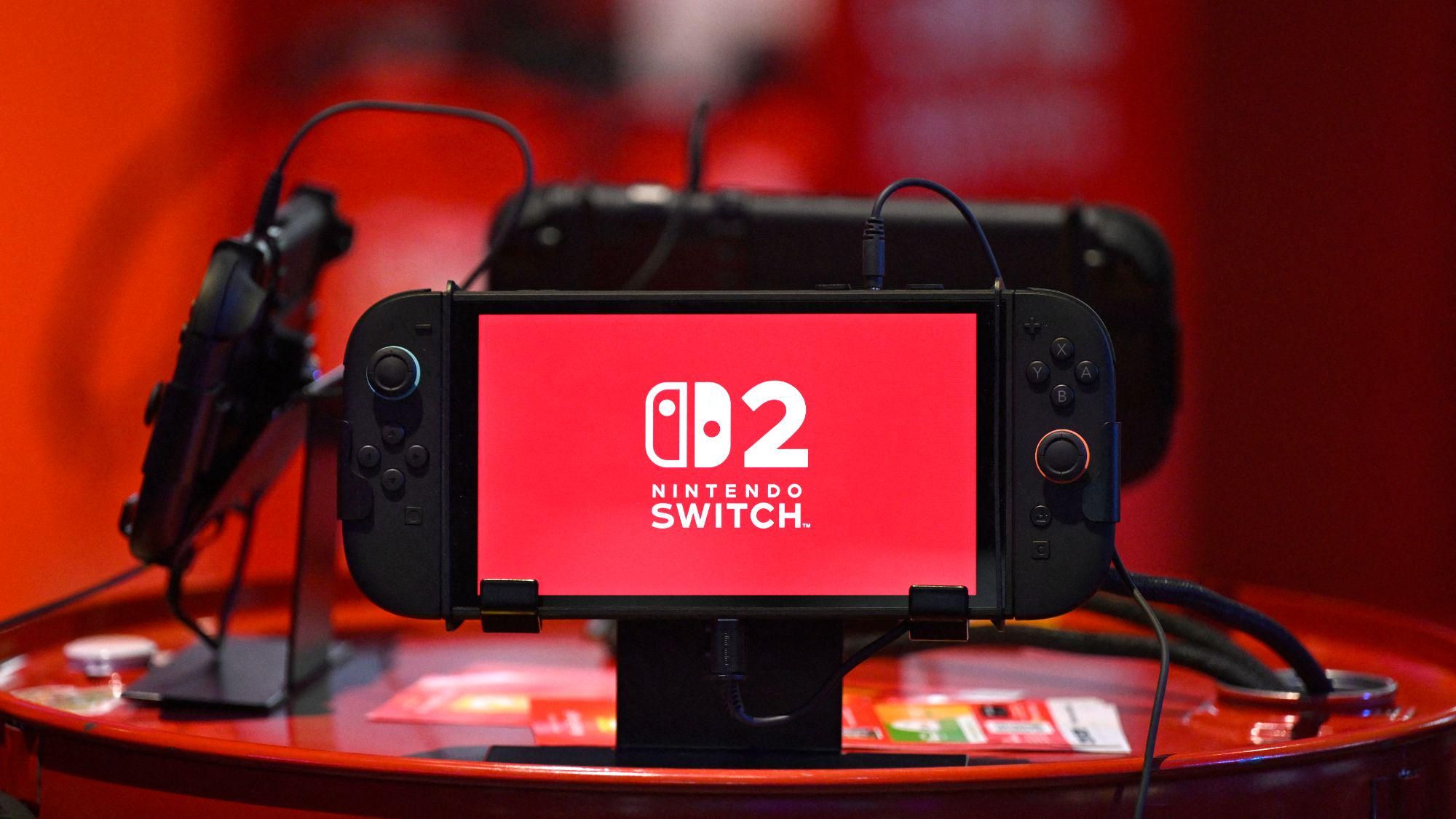

Nintendo’s latest DMCA notice disabled 144 GitHub repositories tied to Switch modchip firmware, widening its anti-piracy strategy from emulators and key tools to the code that helps hardware bypass the console’s boot protections.
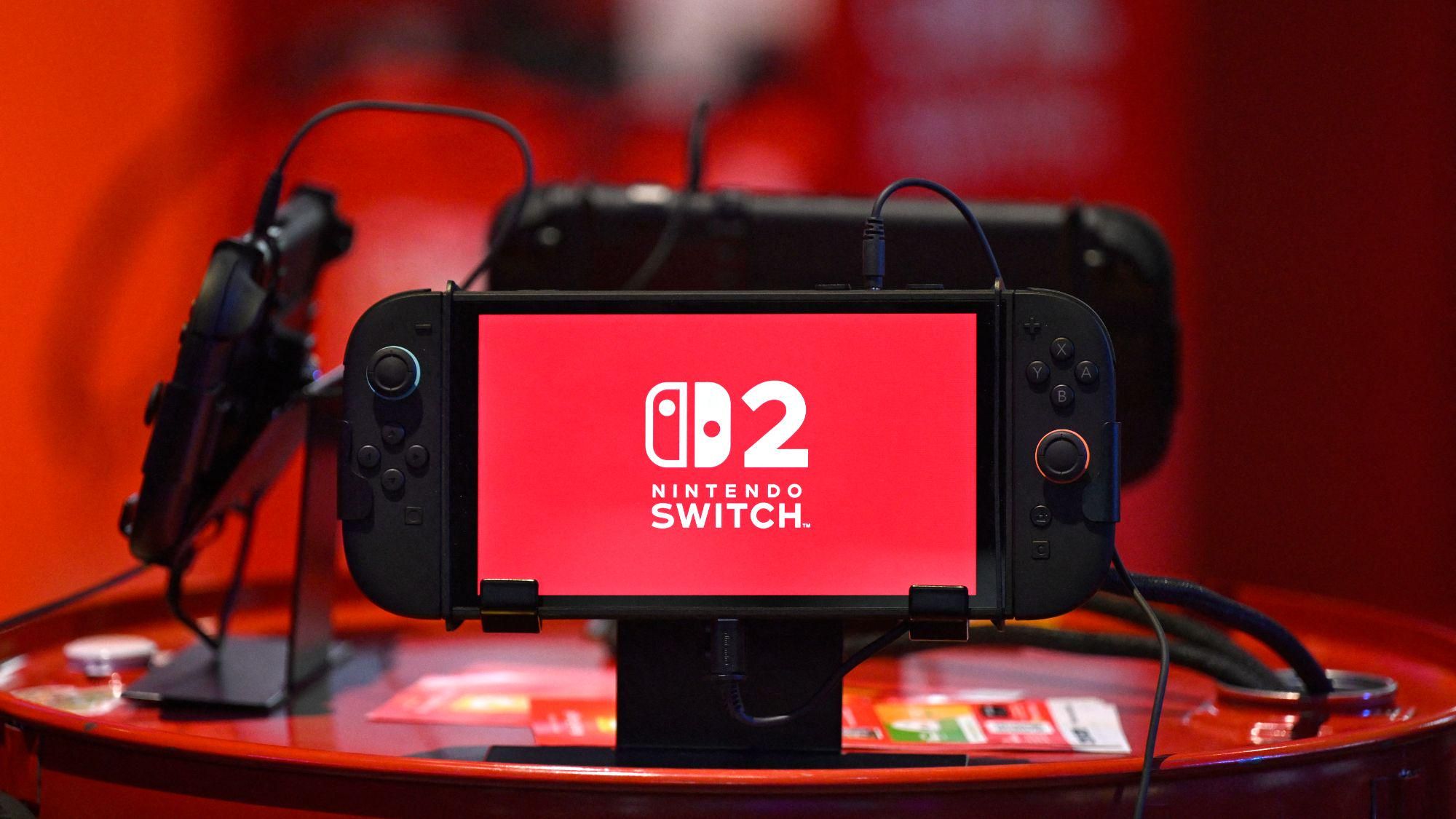
Image: borecraft.com
Nintendo’s latest target is the firmware layer of Switch modchips
Nintendo has pushed its Switch piracy crackdown into a more technical and strategically important layer: modchip firmware hosted on GitHub. According to TorrentFreak, GitHub published a Nintendo of America DMCA notice dated November 6 that targeted the Ansem-SoD/Picofly repository, a project described as offering information and firmware for a Switch modchip based on the RP2040-Zero board. Video Games Chronicle and Nintendo Everything report that the action resulted in GitHub disabling 144 repositories tied to the parent project and its forks.
That scale is the immediate tension in this Nintendo DMCA takedown. The notice named a parent repository, but TorrentFreak reports that Nintendo told GitHub all or most forks were infringing. GitHub then disabled the entire network of 144 repositories rather than only the named project. Nintendo Everything says the targeted modchip ecosystem included Picofly, SX Core, SX Lite and HWFLY, with the affected repositories offering firmware or related information.
Nintendo’s legal argument, as quoted by VGC and TorrentFreak from the notice, is that the firmware allows Switch modchips to circumvent the console’s technological protection measures in order to run illegal copies of Switch games. The company specifically points to the Switch boot sequence and cryptographic protections, arguing that the firmware bypasses those protections and therefore violates the DMCA’s anti-circumvention rules.
There is one date discrepancy worth keeping intact rather than smoothing over. TorrentFreak identifies the GitHub-published notice as dated November 6, while Nintendo Everything says Nintendo sent the DMCA on November 7. The practical result reported across the sources is consistent: GitHub disabled 144 repositories connected to Switch modchip firmware.
The important shift is from emulator software to modchip firmware
Nintendo has repeatedly used GitHub DMCA notices against software tied to Switch piracy, but this notice appears to move into a different enforcement lane. TorrentFreak says Nintendo’s earlier GitHub notices mostly focused on emulators, key-dumping tools and sigpatches. VGC similarly notes that Nintendo previously sent DMCA notices seeking removal of Switch emulators and tools used to run pirated games on them, including key dumping tools.
TorrentFreak reports that, as far as it knows, this is the first time Nintendo has targeted modchip firmware on GitHub. The outlet says none of the 90 earlier Nintendo notices in GitHub’s public archive mention modchips, with the closest prior examples being 2023 and 2024 notices aimed at key dumping tools such as Lockpick_RCM.
That distinction matters because firmware is the operating logic that makes a physical modchip useful. A modchip without available firmware is less approachable for the average user, even if hardware remains in circulation. Nintendo is not reported here as seizing chips, suing sellers in this specific action, or disabling every source of firmware on the internet. It is using the DMCA process to reduce access to the code and instructions that let a hardware exploit perform its role in the Switch boot chain.
Nintendo Everything also reports that modchip firmware was not the only target in the same broader enforcement push. According to the site, Nintendo also sought removal of Citron Neo, described as having a network of 71 repositories, plus two single copies of yuzu. The same outlet notes that Nintendo took down more than 400 Switch emulator repositories in a single day a few months earlier. Taken together, the pattern is clear: Nintendo is attacking multiple supporting layers around Switch piracy, from emulation projects to keys, patches and now modchip firmware.
Why firmware is such a high-value target in Switch piracy
Nintendo’s notice frames the firmware as circumvention technology because of where it acts in the Switch security model. According to TorrentFreak, Nintendo says the Switch’s technological protection measures include the console’s boot sequence and various cryptographic signatures. VGC quotes Nintendo’s notice as saying the reported firmware circumvents those measures by bypassing the boot sequence.
In practical terms, that makes Switch modchip firmware a multiplier. The chip is the physical implant, but the firmware tells it how to interfere with the security process. If a repository makes that firmware easy to obtain, fork, modify and reinstall, the barrier to maintaining modchip functionality becomes lower. If a public GitHub network disappears, users may still find other copies elsewhere, but the convenience, visibility and collaborative development path take a hit.
That is why the fork network is central to this Nintendo legal action. GitHub repositories are often copied, forked and mirrored, especially around open-source projects. TorrentFreak’s report that the parent repository was the named target, while the larger fork network was disabled, shows Nintendo using the structure of GitHub itself as part of the enforcement strategy. Instead of playing whack-a-mole one repository at a time, the company argued that the network was broadly infringing.
There are limits to what this takedown proves. Nintendo Everything, citing TorrentFreak, says some Picofly and HWFLY firmware repositories remained online after the action, and that one of them could even be the original Picofly source. That means the DMCA notice did not erase the firmware ecosystem. It did, however, remove a large public cluster and send a message to host platforms that Nintendo considers this category of code actionable under the DMCA.
Team-Xecuter remains the legal shadow behind the notice
Nintendo’s notice leans on the history of Team-Xecuter, the group long associated with commercial console circumvention devices. TorrentFreak reports that Nintendo went to court in 2020 to stop sales of SX Core and SX Lite, Team-Xecuter modchips designed to work on Switch consoles at the time. Those lawsuits were followed by a United States criminal prosecution, and TorrentFreak says Team-Xecuter’s operation effectively shut down.
VGC reports that Nintendo’s current notice cites a former court case in which three people were indicted in 2020 over the use of modchips. One of them, Gary Bowser, later pleaded guilty, was sentenced to 40 months in prison for his role, and was released in 2023. TorrentFreak specifies that Bowser pleaded guilty to conspiring to circumvent technological measures and to traffic in circumvention devices. VGC also cites the U.S. government’s position that Team-Xecuter’s criminal enterprise generated tens of millions of dollars in sales and resulted in up to $150 million in losses.
The legal nuance is important. VGC notes that Bowser’s guilty plea is not the same thing as a court ruling that modchips are definitively illegal in every context. Nintendo does not have to prove that broad proposition when submitting a DMCA notice to GitHub. The company has to present a claim that the hosted material violates anti-circumvention rules, and GitHub decided the notice was enough to remove the repositories.
For Nintendo, Team-Xecuter is useful precedent in a strategic sense even when it is not a universal ruling on every future modchip case. It supplies a factual and legal backdrop that connects modchip products, circumvention devices and piracy-related business models. By citing that case while targeting firmware rather than storefronts or sellers, Nintendo is extending the same anti-circumvention logic deeper into the maintenance layer of the piracy ecosystem.
This is a platform-security strategy, not a one-off takedown
The strongest reading of the move is that Nintendo is tightening the perimeter around Switch security from several directions at once. Confirmed facts first: according to the reported notice, Nintendo targeted firmware for SX Core, SX Lite, Picofly and HWFLY; GitHub disabled 144 repositories; Nintendo’s stated theory is that the firmware circumvents Switch technological protection measures; and other emulator-related repositories were also reportedly targeted around the same period.
The forward-looking interpretation is that Nintendo is treating piracy infrastructure like a supply chain. Emulators, key dumpers, sigpatches, modchip firmware and repository forks each solve a different problem for users trying to bypass official access controls. Removing one layer does not end Switch piracy, but repeated pressure across layers can raise friction, slow updates, scatter development and make public hosting riskier.
That approach fits Nintendo’s incentives near the end of the original Switch cycle and around the Switch 2 era. None of the provided source material says this DMCA notice targets Switch 2 hardware, Switch 2 software, or any confirmed Switch 2 exploit. The signal is narrower but still relevant: Nintendo is showing host platforms and modding communities that it will pursue security-adjacent code even when the target is firmware tied to third-party hardware rather than a full emulator.
For Switch 2 security, the lesson Nintendo appears to be carrying forward is legal as much as technical. Console security depends on hardware design, firmware updates and cryptographic controls, but it also depends on how quickly a platform holder can cut off public distribution points for tools that bypass those controls. If Nintendo applies the same model to future hardware, public repositories that document or distribute circumvention firmware are likely to face fast DMCA pressure before they mature into stable ecosystems.
What users, developers and observers can reasonably take from it
For ordinary Switch owners, this takedown does not change how legitimate games, eShop purchases or official firmware updates work. The reports describe a GitHub enforcement action against repositories tied to modchip firmware, not a consumer-facing system update, a ban wave, a pricing change or a new public Nintendo policy announcement.
For people following homebrew, preservation or hardware modification scenes, the useful distinction is between confirmed removal and unresolved legal debate. GitHub disabled 144 repositories after Nintendo’s complaint, according to TorrentFreak, VGC and Nintendo Everything. Some related firmware repositories reportedly remained online. VGC also stresses that the Team-Xecuter guilty plea does not amount to a definitive ruling that every modchip is illegal, even though Nintendo can still use DMCA notices to argue that specific firmware repositories traffic in circumvention technology.
For developers hosting security-sensitive or console-modification projects, the message is practical: GitHub forks are not a safe harbor simply because they are downstream copies. Nintendo’s claim that all or most forks were infringing led to removal of the wider network, according to TorrentFreak. That may shape how future projects are hosted, mirrored and described, but it also increases the risk that public collaboration tools become enforcement targets.
The unanswered question is how durable this pressure will be. Nintendo’s action removed a large public cluster, but Nintendo Everything reports that other Picofly and HWFLY firmware repositories remained online. As a strategy game, this is a map-control move rather than checkmate. Nintendo has taken ground on a visible platform, clarified its anti-circumvention argument, and tied modern modchip firmware to the older Team-Xecuter enforcement record. The next phase will show whether repository takedowns meaningfully slow Switch piracy infrastructure or simply push it into less visible channels.