
Previewing Nintendo’s June 9th Direct and its 95‑minute Treehouse Live, with a breakdown of the most likely first‑party reveals, publisher roadmaps, and how extended gameplay could define the rest of 2026 for Switch and Switch 2.
Nintendo is finally ready to talk about the rest of 2026.
On June 9th, the company is streaming a 50 minute Nintendo Direct focused on Nintendo Switch and Nintendo Switch 2 titles for the back half of the year, followed by a 95 minute Nintendo Treehouse Live block. It is the first full fat Direct in roughly nine months, and it arrives just as the Switch 2 launch window software starts to thin out.
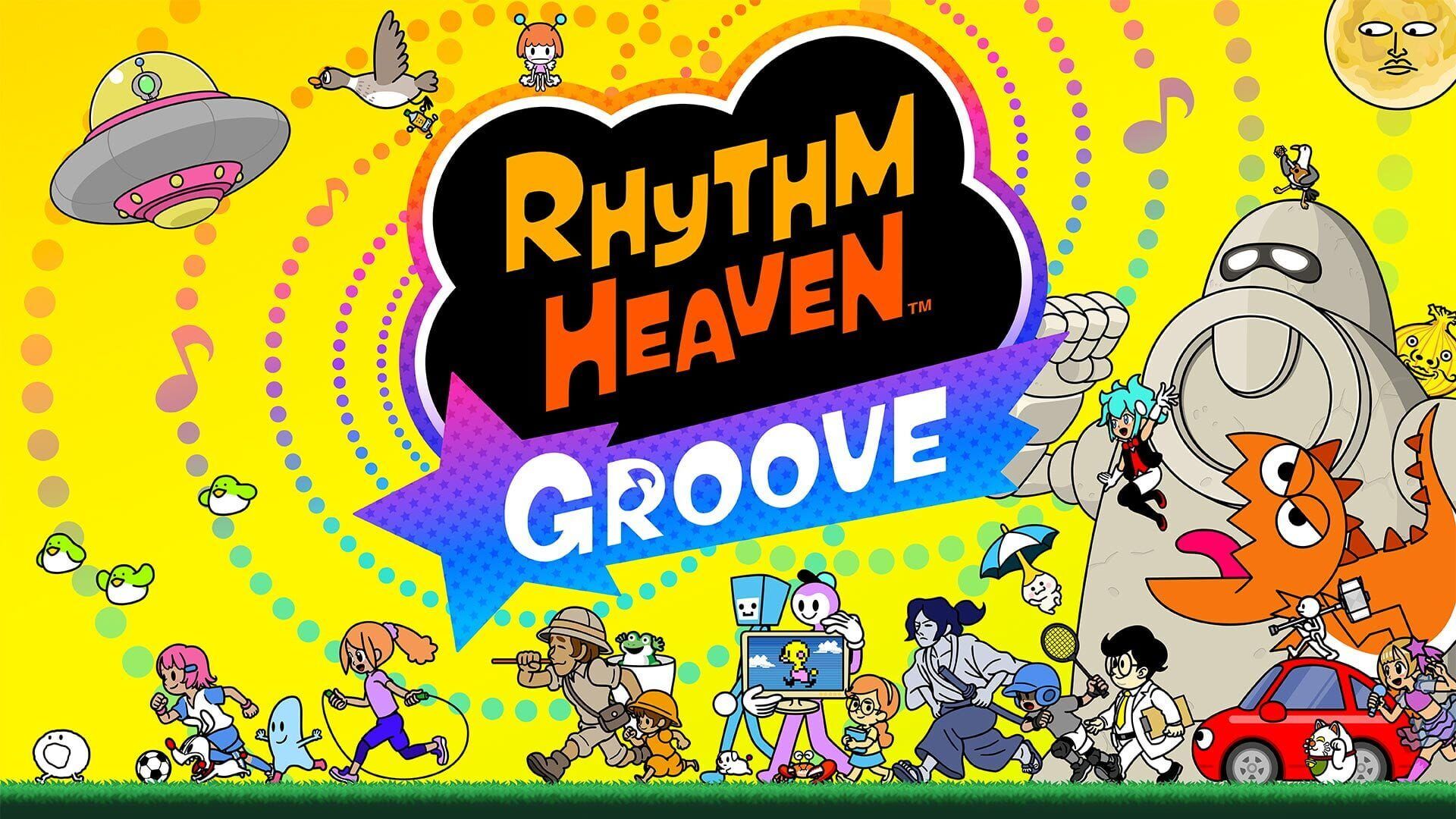
That timing matters. With Star Fox and Splatoon Raiders leading the early Switch 2 push and Rhythm Heaven Groove giving the original Switch one more marquee exclusive, this showcase has to answer a simple question: what are we playing from August through holiday 2026, and on which system?
The shape of the show
Both Nintendo and third party reports point to a fairly traditional June blowout. Expect a dense, trailer heavy Direct that sketches the release calendar through at least the first quarter of 2027, followed by a Treehouse Live that drills into a handful of tentpole titles.
The confirmed basics set expectations. The Direct runs for 50 minutes, long enough for multiple first party reveals, third party cameos and a couple of deep dive segments. The post show Treehouse stream clocks in at 95 minutes, which historically only happens when Nintendo has brand new mechanics to unpack or wants to demonstrate cross platform parity between old and new hardware.
With that framework in mind, the showcase likely splits into three broad pillars: filling out Switch 2’s first holiday, giving late era Switch owners reasons to stay engaged, and outlining a roadmap that publishers can visibly lock into.
Switch 2: Locking in a real first year
Switch 2’s launch window already has clear headline acts. Star Fox is dated for late June and Splatoon Raiders is slated for July, giving Nintendo two first party releases that foreground online play and flashy new hardware tricks.
The Direct’s job is to show what comes after those games, especially for the second half of 2026. That almost certainly means at least one major holiday system seller. Rumors have circled for months about a full remake of The Legend of Zelda: Ocarina of Time being built natively for Switch 2. With VGC and other outlets noting that the same batch of leaks accurately called this year’s new Star Fox ahead of time, expectations around Zelda are sky high.
If Ocarina of Time Remake is real and launching in holiday 2026, Nintendo will want to frame it as the centerpiece of Switch 2’s first Christmas. That would likely translate to a teaser or full trailer in the Direct proper and an extended Treehouse segment that methodically walks through the visual overhaul, quality of life changes and performance targets on Switch 2 hardware.
Beyond Zelda, Nintendo needs to prove that Switch 2 is not just a port box. Expect at least one brand new first party IP or a big sequel that has not been properly shown yet. Fire Emblem: Fortune’s Weave, which is confirmed but still without a final date, feels like a prime candidate for a mid Direct blowout trailer stitched around story beats and combat refinements, followed by hands on Treehouse time showcasing its tactical systems.
This would fit the pattern Nintendo has used for Switch era Fire Emblem launches, where a detailed gameplay segment does more to sell the game than any cinematic trailer. For Switch 2 specifically, Treehouse can demonstrate faster map loading, richer battle animations and potential new online modes that lean on the hardware upgrade.
The last great year of Switch
While Switch 2 will naturally take center stage, Nintendo keeps stressing that the original Switch is not done yet. Rhythm Heaven Groove is already dated for early July on Switch, and it is the kind of cult favorite that can quietly fill out the calendar between bigger releases.
The Direct should give Groove one last flashy trailer aimed at a mass audience, ideally with a montage that mixes returning rhythm games and brand new absurd scenarios. Treehouse Live then becomes a perfect venue to show complete songs start to finish, highlighting motion versus button controls, latency options and any multiplayer or party modes that have not been fully explained.
Beyond Rhythm Heaven, late life Switch needs at least one more notable exclusive or cross gen port to carry it through the holidays for families that are not upgrading yet. A deluxe edition of a recent hit, a compilation, or a visually modest but mechanically rich RPG could all slot into that space. Expect Nintendo to underline that these titles will also run on Switch 2, either with performance boosts or free upgrades, to avoid the perception that buying late cycle Switch software is a dead end.
If Nintendo follows its usual rhythm, the Direct will also carve out a segment for updates on live service and evergreen games that are still heavily played on Switch. Even brief mentions of new seasons, DLC or collaborations for titles like Mario Kart 8 Deluxe or a current Mario sports game can keep engagement up while development resources shift to Switch 2.
Third party and partner roadmaps
Publishers have been waiting on a clear Nintendo roadmap before committing marketing beats of their own. With a 50 minute Direct, space is tight but not impossible for third party partners.
On Switch 2, expect a focus on mid to late 2026 releases that can double as technical showcases. Ports of current gen hits that were missing from the original Switch will be used to demonstrate that Nintendo’s new hardware is a credible home for mainstream multiplatform releases. Any appearance by a visually ambitious action game or a prominent sports title will be read as a signal that publishers are treating Switch 2 as part of their mainline platforms rather than an outlier.
For original Switch, look for a smaller but still meaningful presence. Publishers with strong back catalogs on Switch, such as Capcom, Bandai Namco or Square Enix, may use the Direct to announce definitive editions or collections that squeeze one last round of sales out of the enormous Switch install base. These can slide into quieter calendar slots that Nintendo first party releases do not occupy.
Crucially, Treehouse Live is often where deep partner content gets its chance. Extended hands on gameplay with a third party RPG or co op adventure can instantly raise its profile and give publishers confidence that Nintendo will actually support their titles with marketing, not just a quick trailer cut.
What Treehouse Live is likely to show
At 95 minutes, Treehouse is almost a second event. Historically, this format favors long, unhurried demos of three or four games, each broken into multiple segments. With that in mind, a likely lineup would be some combination of Star Fox, Splatoon Raiders, Fire Emblem: Fortune’s Weave, Rhythm Heaven Groove and any surprise announcements that hinge on new mechanics.
Star Fox is practically built for this stage. Treehouse can showcase new mission structure, co op options and control schemes designed around Switch 2’s improved sticks and gyro. If the game supports both cinematic and 60 fps performance modes, this is where Nintendo will make that clear, reinforcing the hardware leap without getting bogged down in raw specs.
Splatoon Raiders, meanwhile, should benefit from a live match format. Letting Treehouse staff run through Turf War or the new flagship mode in real time makes balance changes, movement tweaks and map design shifts immediately obvious to longtime players. It also gives Nintendo a platform to talk through their post launch plans like seasonal updates, ranked playlists and collaboration events.
Fire Emblem: Fortune’s Weave almost demands a slower, more methodical walkthrough. Expect Treehouse to show off a full battle map, menu flow, support conversations and any structural shake ups, such as non linear campaigns or roguelike elements. For strategy fans, watching someone play for twenty minutes is far more convincing than any quick cut trailer.
Rhythm Heaven Groove will likely be the most energetic portion of the stream. Treehouse can rotate players through different control setups, highlight accessibility toggles and show how the game teaches timing fundamentals across its eclectic minigames. Because Rhythm Heaven lives or dies on feel, this is also a chance for Nintendo to emphasize that input latency is under control on both Switch and Switch 2 displays.
If the long rumored Ocarina of Time remake does show up, Treehouse might hold it for the finale. A guided tour of Kokiri Forest, a dungeon snippet and maybe a peek at a reimagined boss fight would send a strong message that this is not a lightly upscaled port but a ground up modernization built to sit comfortably next to Tears of the Kingdom.
Why this Direct matters
Beyond individual games, June’s Nintendo Direct is a statement about how Nintendo plans to manage a two platform ecosystem for at least the next year. The company has to juggle three audiences at once: day one Switch 2 buyers who want cutting edge experiences, tens of millions of active Switch owners who are not ready to upgrade yet and third party publishers that need confidence in a stable roadmap.
A clear, well paced showcase that alternates between Switch and Switch 2 software, backed by long, confident Treehouse demos, can do exactly that. It can make the original Switch feel relevant without undercutting Switch 2, give publishers visible slots to target with their own projects and reassure fans that the second half of 2026 will not be a software drought.
Nintendo often surprises when expectations peak, and this Direct is arriving with more rumors and speculation than usual. The real test will not be whether every leak is accurate, but whether the company leaves both hardware owners feeling like they have a defined, exciting slate of games to look forward to once the stream ends.