
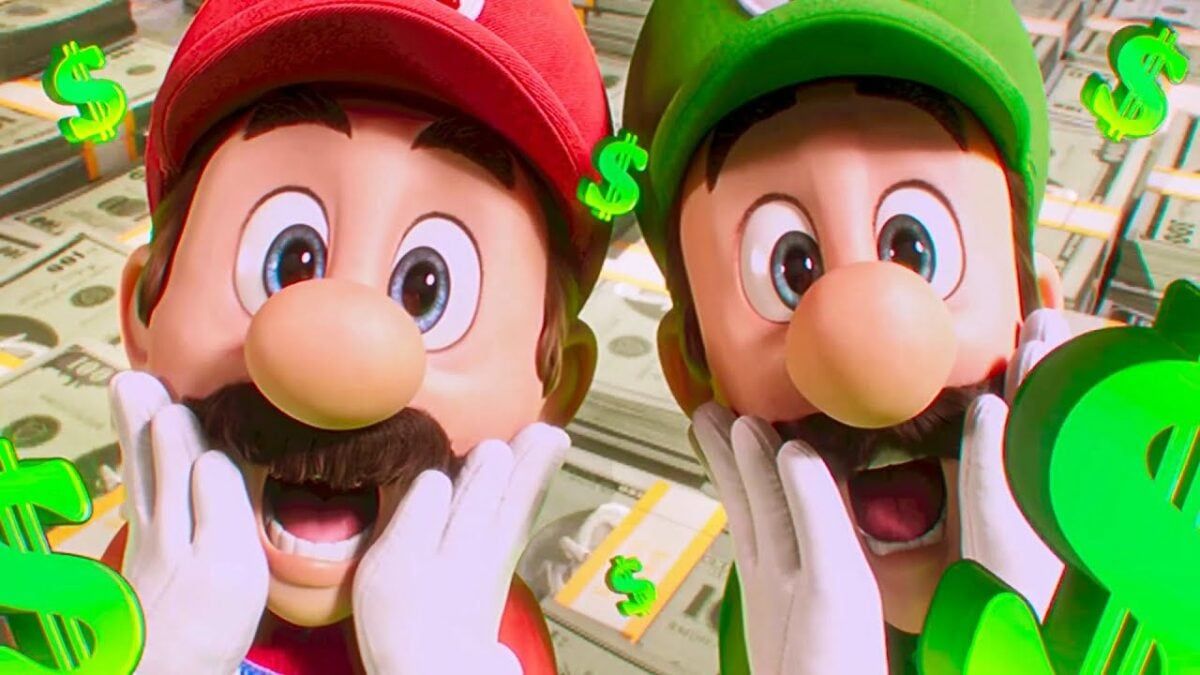

Nintendo of America says its Customer Appreciation Sale is supported in part by tariff-related refunds, a framing that has turned a 30% promotion into a debate over who should benefit from the money.
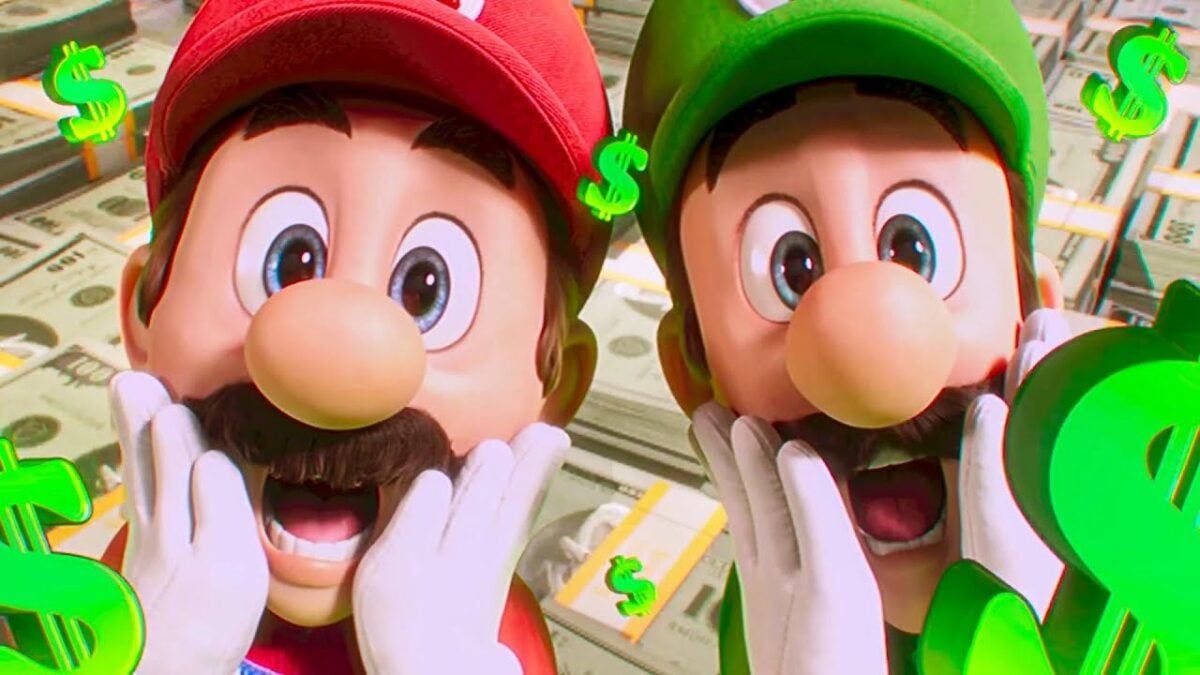
Image: memesita.com
Nintendo is turning tariff refunds into a limited sale, not direct refunds
Nintendo of America has announced a Customer Appreciation Sale running September 13 through September 26, with 30% off dozens of Nintendo Switch digital games and bundles, plus savings on select physical games, DLC, accessories, amiibo, and apparel. The immediate tension is in Nintendo’s own framing: the company says the promotion is “made possible in part by tariff-related refunds,” while also saying it “absorbed most tariff-related costs.”
That wording, reported by Nintendo Everything, My Nintendo News, GameSpot, Kotaku, Noisy Pixel, and Memesita from Nintendo’s announcement, puts the Nintendo Customer Appreciation Sale in a different category from a standard eShop event. Nintendo is not simply discounting software during a slow calendar window. It is positioning a retail promotion as a form of customer appreciation tied to refund money connected to tariffs.
What Nintendo has not announced, based on the provided source material, is a direct player refund program. The company has confirmed a sale across Nintendo eShop, Nintendo Store, and participating retail locations. It has not identified a mechanism for reimbursing individual customers who may have paid higher prices on hardware, accessories, or software during the tariff period.
What Nintendo has actually confirmed about the sale
The confirmed offer is broad but still incomplete. Nintendo says shoppers can save 30% on “dozens of Nintendo Switch digital games and bundles.” It also says select physical games, downloadable content, accessories, amiibo, and apparel will receive savings. The sale is scheduled for September 13 to September 26.
The promotion will appear across multiple sales channels: Nintendo eShop, Nintendo Store, and participating retailers. That matters because Nintendo’s own announcement, as quoted by Nintendo Everything and Noisy Pixel, says available products and offers may vary by retailer and sales channel. In practice, a discount visible on the eShop should not be assumed to apply to a physical copy at a local retailer, and an accessory discount at Nintendo Store should not be assumed to appear everywhere.
There is also a platform framing worth watching. Nintendo’s announcement refers to Nintendo Switch games and says players may revisit them on a Nintendo Switch or Nintendo Switch 2 system, according to Nintendo Everything’s quoted text. The sources do not list specific games, do not confirm whether Switch 2-specific software is included, and do not provide a complete sale catalog. My Nintendo News noted that it was not clear which titles would be included and expressed hope for discounted first-party software, but that hope is not confirmation.
The market scope is also slightly imprecise across reports. Nintendo Everything says the promotion is, at least for now, only for the American market. My Nintendo News describes it as a North American sale. The underlying announcement is from Nintendo of America, and none of the provided sources confirms equivalent promotions for Europe, Japan, or other regions.
The tariff-refund framing is where the criticism starts
Nintendo’s statement gives the company two messages at once. The first is customer-friendly: a large sale is being offered as thanks for continued support. The second is defensive: tariff-related refunds helped make promotions like this possible, but Nintendo says it absorbed most tariff-related costs.
GameSpot and Kotaku both focused on the implication behind that language. GameSpot reported that Nintendo, Sony, and Microsoft received money back from the U.S. government related to tariffs implemented under President Donald Trump and later deemed illegal by the Supreme Court. GameSpot also reported that the three companies argued in court that they should keep the money rather than return it to customers. Kotaku similarly reported that Nintendo filed a lawsuit against the United States Treasury Department, Homeland Security, and Customs & Border Protection to recover tariff money after the Supreme Court ruling, and that Nintendo has been fighting some customers in court who want related refunds passed back to them.
Those reports are the source of the backlash around Nintendo tariff refunds. The criticism is not that a 30% sale is bad for shoppers. Discounts can be useful, especially on Nintendo software and accessories that often hold price better than many third-party games. The criticism is that a limited-time sale benefits only people who buy eligible products during a two-week window, while direct refunds would target customers who previously paid higher prices.
GameSpot drew a contrast with Panic, the maker of the Playdate handheld. According to GameSpot, Panic said it would pass its own refunds on to customers who paid more, with customers expected to receive about $12 back. GameSpot quoted Panic’s Cabel Sasser, via Game Developer, saying, “It’s just not our money to keep, and it felt really good to give it back.” That comparison gives the Nintendo sale its sharper edge: different companies are choosing different ways to handle tariff refund money, and Nintendo’s choice is promotional rather than individualized.
A sale and a refund solve different problems
From a consumer-economy perspective, Nintendo’s approach changes who gets value and when. A direct refund would be tied to a past transaction. A sale is tied to a future purchase. That is the strategic difference at the center of the Nintendo of America sale.
If a player bought a Switch 2 controller, amiibo, accessory, or other affected item during a period of higher pricing, the Customer Appreciation Sale does not automatically compensate that person. It may help if that same player now wants another eligible item and finds a meaningful discount. If they do not plan to buy anything, if the product they want is excluded, or if their preferred retailer does not participate with the same offer, the sale has no practical refund value for them.
Nintendo’s language also avoids a full accounting. The company says tariff-related refunds helped make the promotion possible in part, and says it absorbed most tariff-related costs. The provided sources do not include the size of Nintendo’s refund, the amount being put toward the sale, which product categories were affected by tariffs, or how Nintendo calculated the promotion’s relationship to those refunds.
That absence matters because “30% off dozens of digital games and bundles” is easy to understand as a shopper, but hard to evaluate as restitution. A discount on a digital game has a different cost structure than reimbursing hardware buyers. A discount on apparel may be attractive, but it does not answer whether a customer who paid more for a console, controller, or accessory is receiving anything connected to that earlier purchase.
Shoppers should wait for the product list before treating this as a make good
The practical advice is simple: do not treat the Nintendo Customer Appreciation Sale as a make good until the exact item you want is confirmed at a price that beats its normal sale history. The sources confirm the timing, broad categories, and headline 30% figure for dozens of Switch digital games and bundles. They do not confirm the full lineup.
That is especially important for first-party Nintendo games. My Nintendo News noted that the specific titles were unclear at announcement time. Nintendo software discounts tend to draw attention because many major first-party releases remain close to full price for long stretches, but the provided source material does not confirm which first-party games, if any, will be included.
Shoppers should also check the sales channel carefully. Nintendo says offers may vary by retailer and channel. A digital bundle on the eShop may not match a physical copy at a participating retail location. DLC may be discounted separately from a base game. Accessories and amiibo may have stock limitations or different availability between Nintendo Store and retailers.
Switch 2 owners should read product pages closely as well. Nintendo’s announcement references playing Nintendo Switch favorites on Nintendo Switch or Nintendo Switch 2 systems, but the sources do not establish that every discounted Switch title has a Switch 2-specific upgrade, enhanced version, or relevant performance difference. If a game has an upgrade path, paid upgrade pack, DLC bundle, or separate Switch 2 edition, the discount that looks best at a glance may not be the best total-price option.
Nintendo is trying to control the price narrative before shoppers do it for them
The forward-looking read is that Nintendo is choosing a familiar tool, the platform-wide sale, to manage an unfamiliar public-relations problem. The company can frame the event around appreciation, discovery, and savings. Critics can frame the same event around tariff refunds that are being converted into optional purchases instead of direct payments.
Both readings are supported by the source material in different ways. Nintendo has confirmed the sale and its tariff-refund connection. GameSpot and Kotaku have reported the legal and consumer-pressure context that makes that connection controversial. No source provided here confirms that Nintendo will issue direct refunds to affected customers, and no source provides a full accounting of how much tariff-refund money is being passed through the sale.
For players, the best response is to evaluate the promotion as a sale first and a moral gesture second. If a game, controller, amiibo, or DLC pack you already wanted is genuinely cheaper from September 13 to September 26, the Nintendo discounts may be worth using. If you are looking for reimbursement for something you already bought, the Customer Appreciation Sale is not confirmed to offer that. It is a two-week buying opportunity funded in part by tariff-related refunds, and that is exactly why the framing is drawing scrutiny.