
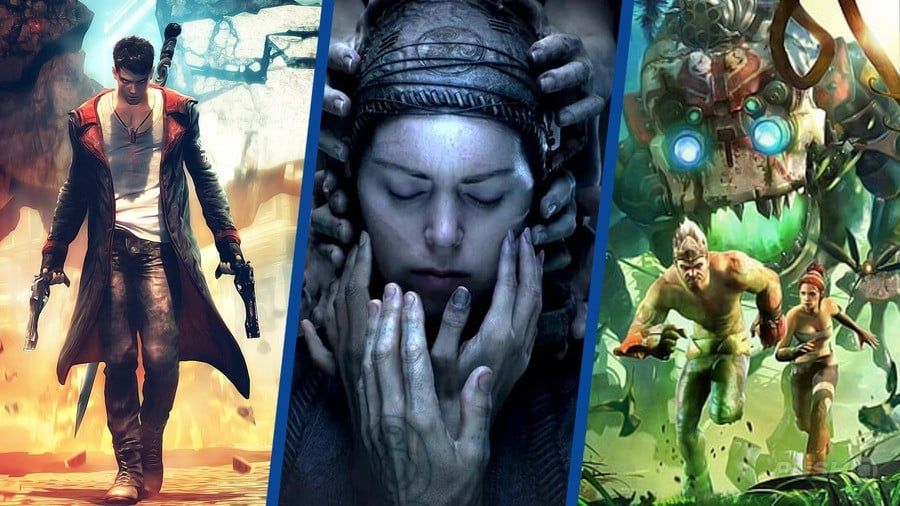

Microsoft says two proposed Ninja Theory deals collapsed, leaving the Hellblade studio in consultation over a possible shutdown as Xbox continues a wider studio reset.
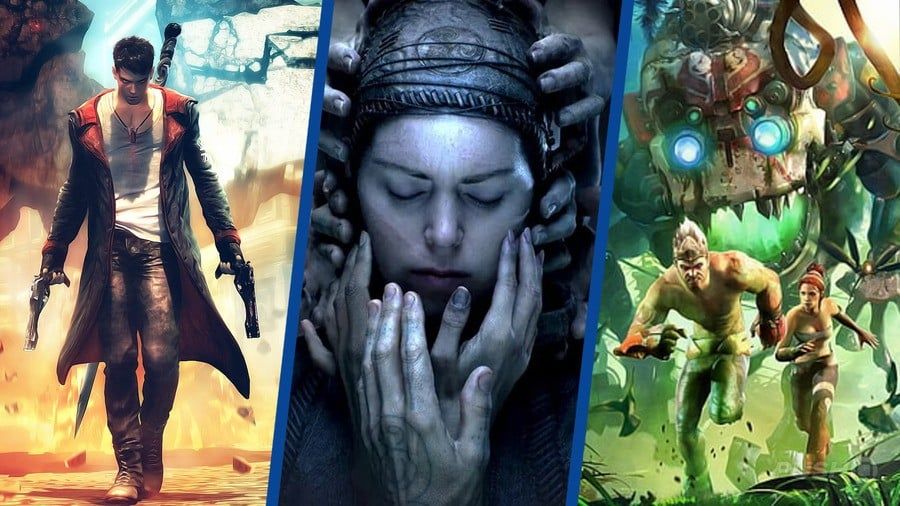
Image: pushsquare.com
Microsoft’s buyer search has reached the danger phase
Microsoft has begun consultation with Ninja Theory employees over a proposed closure after two attempted deals for the Hellblade studio fell through, according to Xbox chief content officer Matt Booty’s September 22 Xbox Wire memo. Booty wrote that “two separate agreements for Ninja Theory fell through” and said Microsoft would “begin consultation with employees on a proposed closure while continuing to explore other paths forward.”
That wording is important. The confirmed development is not that the Cambridge studio has already closed, but that Microsoft is now formally moving toward that outcome while leaving room for another rescue route. IGN notes the consultation process lines up with UK employment law, and GameSpot similarly points out that this language likely refers to the required consultation period before redundancies, during which alternatives can be discussed.
The practical tension is stark: a studio Microsoft bought in 2018, promoted on the back of Hellblade, and showcased again this summer is now at risk because the exit plan did not land. For players searching for the latest on a possible Ninja Theory closure, the most reliable reading is this: the studio is still alive today, but Microsoft has publicly confirmed that its attempted sale process failed twice and that closure is now the proposal on the table.
The failed sale turns a summer showcase into a harsher signal
The timing has made the situation harder to parse from the outside. Multiple outlets, including Eurogamer, Kotaku, and IGN, report that Microsoft announced Senua, a third Hellblade game, at the Xbox Games Showcase in June. Eurogamer says Ninja Theory described the project as a larger, “more expansive” entry compared with the earlier Hellblade games. GameSpot reports the new entry had been planned for 2027, while also stressing that the studio’s fate now leaves the project uncertain.
Then came the July reset. Rock Paper Shotgun and GameSpot both cite Microsoft’s earlier statement that Ninja Theory and Undead Labs had “entered terms to join new ownership with funding to complete and grow” existing projects. That created the impression that Ninja Theory had a path out of Microsoft similar to other smaller Xbox studios. Booty’s new memo changes that picture: according to Microsoft, the Ninja Theory talks did not survive to completion.
There is also a reported strategic reason behind the awkward sequence. Kotaku and IGN both cite Game File reporting that Microsoft revealed the new Hellblade project in part to make Ninja Theory more attractive to buyers. That remains a reported motive rather than a statement Microsoft has confirmed in the material provided. Even so, it explains why a game reveal could sit so close to a planned divestment. From a business strategy angle, the reveal may have been less a green light for a secure first-party project and more a sales pitch attached to an asset Microsoft wanted off its books.
Senua’s future now depends on ownership, IP, and funding
The immediate player question is whether Senua, the third Hellblade game, can still come out. No source provided confirms cancellation. The safer conclusion is that the project’s future is unresolved and increasingly fragile. Push Square writes that the game now seems unlikely to see release unless circumstances change. IGN says its prospects look bleak unless a late deal saves both the studio and the franchise’s future.
The unknown is not only whether Ninja Theory survives, but what would happen to Hellblade as an IP if it does. IGN notes that other Xbox studios, including Double Fine and Compulsion, were able to move to independence with intellectual property and funding for new games. That suggests Microsoft has been willing, at least in some cases, to let departing studios carry projects out of the company. However, none of the supplied sources confirm that Ninja Theory has secured a similar package for Senua.
That distinction matters because Hellblade is closely tied to Ninja Theory’s identity and production style. The first Hellblade: Senua’s Sacrifice launched in 2017 and became the studio’s defining modern work, while Senua’s Saga: Hellblade II followed under Microsoft ownership. Rock Paper Shotgun notes the studio revealed a third game only weeks before Microsoft announced it was trying to sell Ninja Theory. If the studio closes without a buyer, the franchise could remain with Microsoft, move with a rescue deal, or go dormant. None of those outcomes has been publicly confirmed in the provided material.
Ninja Theory’s history makes the potential shutdown feel especially sharp
Ninja Theory’s current risk is landing on a studio with a long record of survival through volatile ownership and publishing arrangements. Rock Paper Shotgun recounts that the developer was founded in 2000 as Just Add Monsters Limited, initially under Argonaut Games, and made Kung Fu Chaos for the original Xbox before buying back its independence after Argonaut collapsed.
The studio then built a reputation through a sequence of distinctive action games: Heavenly Sword for PlayStation 3, Enslaved: Odyssey to the West, Capcom’s DmC: Devil May Cry reboot, and eventually Hellblade. Eurogamer also points to later work including Disney Infinity 3.0, Bleeding Edge, and Dexed. This was never a studio operating on one narrow lane for its entire life. It moved between platform exclusives, licensed work, publisher partnerships, and self-defining creative bets.
That is why the Microsoft Ninja Theory story has a strategic irony. Microsoft acquired the studio in 2018 during an Xbox expansion push that emphasized creative teams and portfolio breadth. Now, according to the latest Xbox Wire memo and the reporting around it, the same studio sits inside a consolidation effort focused on fewer, larger priorities. Ninja Theory once survived by escaping a collapsed owner. This time, the proposed escape route was acquisition by someone else, and Microsoft says two such routes have already failed.
Xbox’s wider reset is prioritizing scale and safer portfolio bets
Ninja Theory is only one piece of a broader Xbox studio reset. Rock Paper Shotgun reports the latest round includes 268 Xbox layoffs and several studio mergers. Push Square and GameSpot report that Activision will develop the next Halo title. GameSpot also says Playground Games and Turn 10 Studios have merged, while Obsidian will operate under Bethesda Game Studios. Kotaku reports that Arkane remains in consultation over a possible closure, with Booty saying that process is expected to continue through the end of the year.
The pattern is easy to read from a strategy desk: Microsoft is reducing fragmentation, moving marquee franchises toward larger internal machines, and trying to spin out or sell studios that do not fit the new operating model. Kotaku describes Ninja Theory as one of four smaller, limited-integration Xbox Game Studios teams being spun out this year, alongside Double Fine, Compulsion Games, and Undead Labs. The exact buyer details are not uniformly clear across reports. Rock Paper Shotgun says Undead Labs has been sold to unknown parties, while Kotaku describes Double Fine, Compulsion, and Undead Labs as sold back to management. Microsoft’s own quoted language in the supplied material does not name the buyers.
This is where the Hellblade studio shutdown risk fits into the larger Xbox picture. IGN reports that Microsoft is doubling down on bigger franchises such as Minecraft, Halo, Fallout, and The Elder Scrolls as it tries to improve revenue and profitability. In that environment, a high-craft, cinematic action-adventure studio making a third Hellblade game becomes a difficult portfolio asset unless its budget, sales expectations, and ownership structure all line up. The failed Ninja Theory buyout talks suggest they did not.
What to watch next if you care about Hellblade
The next concrete checkpoint is Microsoft’s process, not a release date. Booty’s memo says Microsoft will consult with employees on the proposed closure while continuing to explore other paths forward. Eurogamer quotes the same memo ending with a reference to an October 6 all-Xbox town hall, where Microsoft plans to “reflect on our progress” and look ahead to its game lineup. That town hall may clarify the studio map, although there is no guarantee Microsoft will reveal a final Ninja Theory outcome there.
For Hellblade fans, there are three realistic questions to track. First, does another buyer emerge during consultation? Second, would any rescue include the Senua project and the Hellblade IP, or only staff and tools? Third, if no deal happens, does Microsoft keep the franchise dormant, reassign it, or cancel the announced game outright? None of those answers has been confirmed by Microsoft in the provided sources.
For now, waiting is the only honest guidance. Senua has been announced, but its release timing, platforms, price, and production future are not secure in the source material. Anyone treating the third Hellblade as a normal upcoming Xbox release is ahead of the facts. The confirmed story is narrower and more serious: Microsoft tried to move Ninja Theory into new ownership, two agreements collapsed, and the Hellblade studio is now in consultation over a proposed closure during one of Xbox’s most consequential restructurings.