
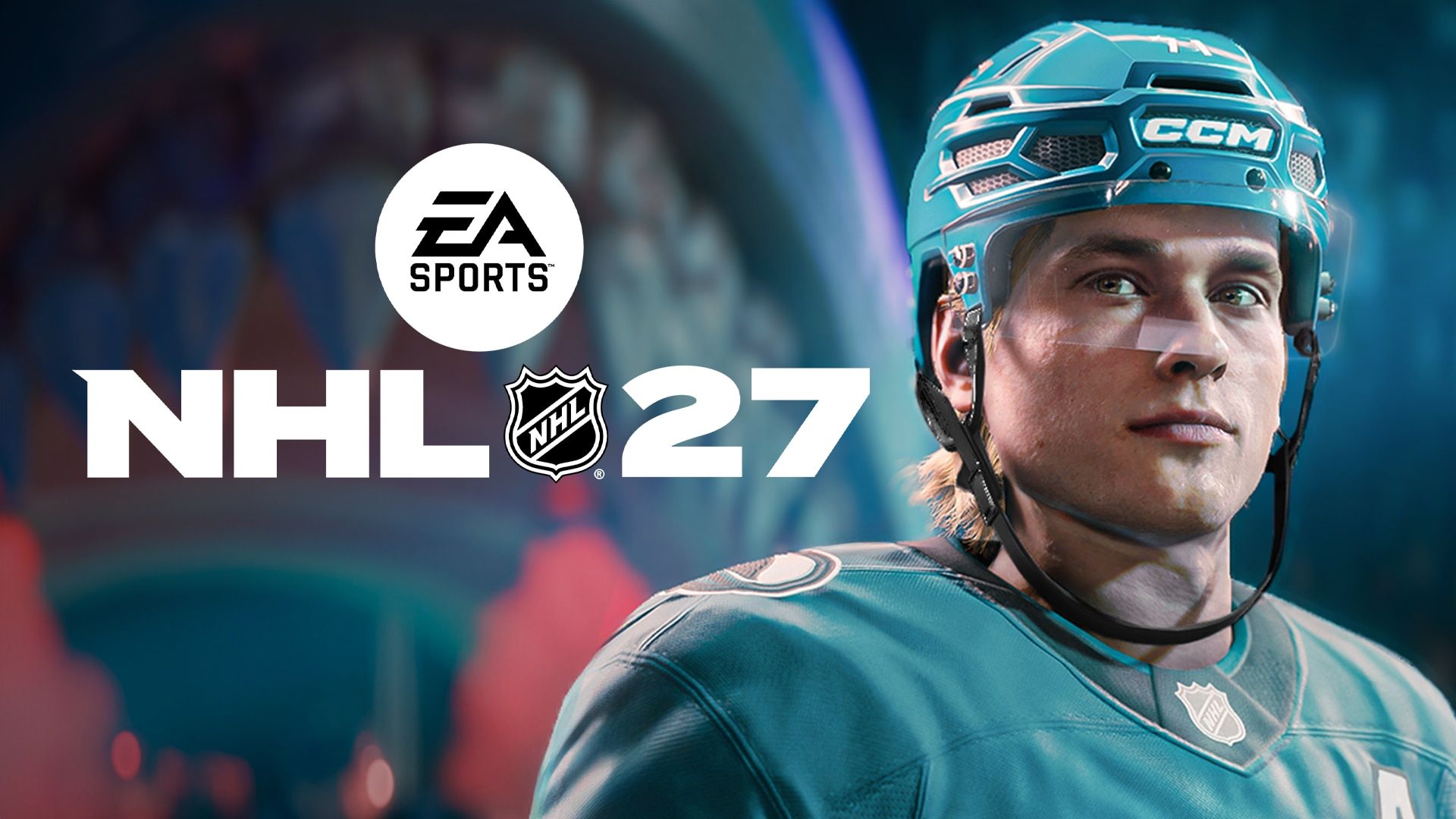

EA Sports is bringing Connected Franchise back in NHL 27 with up to 32 human-controlled teams, commissioner tools, and online seasons, but early details show limits for long-term team builders.
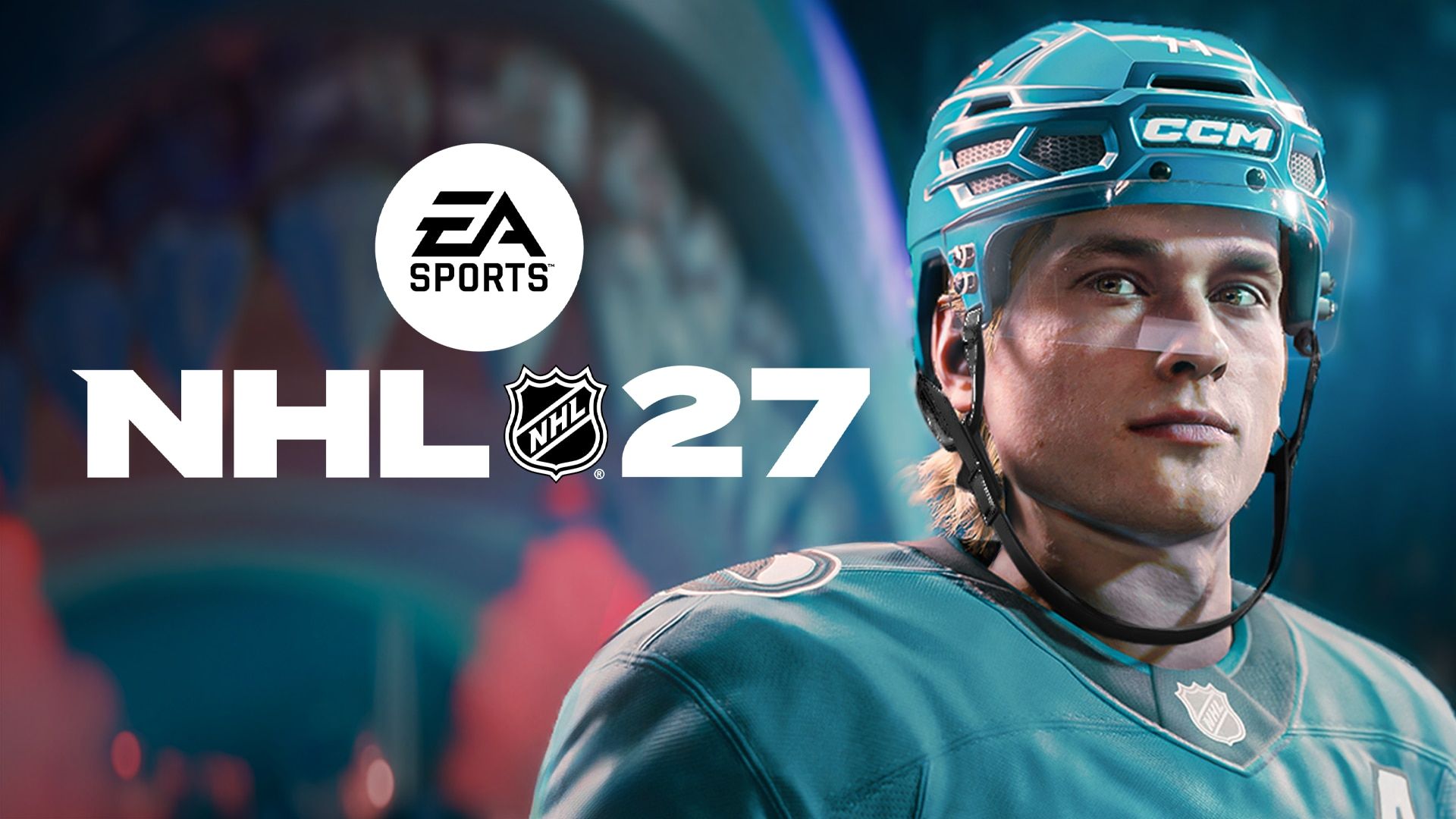
Image: ea.com
Connected Franchise returns with a real online league pitch, and a year-one catch
EA Sports has put Connected Franchise at the center of its NHL 27 rollout, confirming that players will be able to create online leagues with friends, manage rosters, and compete head-to-head across a full online season with up to 32 human-controlled teams. EA’s official NHL 27 features page lists flexible settings, schedules, and commissioner tools as part of the mode, while NHL.com describes it as a 32-team online league built around shared league management.
That is the strongest concrete change in this NHL 27 deep dive cycle because Connected Franchise has been absent from the series for years. The Hockey News reports that the last playable online version of the feature was in NHL 14, putting its return at nearly 13 years later. GamingBolt similarly frames it as a returning mode last seen in the franchise’s 2014 edition.
The tension is that EA is presenting this as a new foundation rather than a fully complete replacement for every offline franchise habit. The Hockey News, citing the Connected Franchise deep dive, reports that annual statistics, records, awards, pending free agents, and player growth will not carry over from year to year in Connected Franchise. For players who treat EA Sports NHL 27 franchise mode as a long-term roster-building lab, that limitation matters as much as the headline return. NHL 27 Connected Franchise is clearly aimed at bringing human GMs into the same competitive ecosystem, but the available reporting suggests its first version is not built to mirror every long-range offline dynasty detail.
League setup is the biggest structural change for commissioners
The new mode’s strongest confirmed tools are on the league-creation side. EA says players can create a league with friends, manage rosters, and play head-to-head across an online season. NHL.com adds that the mode includes flexible scheduling, comprehensive roster management, and commissioner tools. GamingBolt and The Hockey News both report that league sizes can range from a minimum of three user-operated teams to as many as 32.
That range is important for real sports sim communities. A three-user minimum means NHL 27 Connected Franchise is not restricted to full-league operations or forum-scale groups. A small friend group can run a compact power struggle, while a 32-user league can attempt the full NHL GM room experience if it has the organization and availability to survive a season.
The commissioner layer is where online franchise either becomes a recurring appointment or collapses after two weeks. According to GamingBolt, custom league options include season length, playoff formats, scoring formats, salary caps, and adjustments to the free agency process. The Hockey News also reports commissioner settings for custom rosters, season length, playoff and scoring formats, salary cap, and more. These are the levers that matter when a league wants fewer games, a fantasy-style reset, a different postseason structure, or a tighter economy.
EA’s own reveal blog says the team used prototypes, user research, community playtesting, and UX refinement to reduce friction in league setup and help players get into action faster. That is a publisher claim, not a performance guarantee, but it directly addresses the practical failure point for online franchise modes: menus, scheduling, and admin workload can kill a league before roster strategy ever gets interesting.
The new free agency system changes how teams get built
The most mode-specific roster detail in the reporting is free agency. The Hockey News says the Connected Franchise deep dive showed a free agency process that differs from NHL’s offline mode, using a bidding system in which users compete for players. The outlet describes it as an auction-style setup where users bid back and forth while also sorting claims by priority, comparing its function to fantasy sports waiver claims.
For long-term team building, that is a very different pressure test than browsing a CPU-driven market. In an online league, a second-line center is not priced by AI alone. He is priced by the desperation of the rival who lost his top scorer, the commissioner’s cap settings, and the number of active GMs who show up during the bidding window. That can make roster construction feel more like a human market, which is exactly where online franchise can separate itself from offline franchise.
The Hockey News raises an interesting possibility based on custom rosters: commissioners could hypothetically make every NHL player a free agent and let users build teams from scratch through that bidding process. That should be treated as an interpretation of the reported tools rather than a separate EA-confirmed preset. Still, if custom roster control and the auction-style free agency process work together as described, NHL 27 Connected Franchise could support fantasy-draft-adjacent leagues without relying on a traditional snake draft format.
The cap setting becomes the key stat-aware variable. A no-cap or loose-cap league turns free agency into talent hoarding and social negotiation. A stricter cap gives every bid a cost beyond the player’s rating, especially if the league has enough human teams to create positional scarcity. EA has not provided enough public detail in the supplied material to judge contract depth, trade logic, or how aggressively the system prevents exploit behavior, so serious commissioners should wait for hands-on impressions before planning multi-season rulebooks around the economy.
Year-one limitations may matter most to offline franchise loyalists
Connected Franchise returning does not automatically answer every complaint from franchise-mode players. The Hockey News reports that annual statistics, records, awards, pending free agents, and player growth will not carry over from year to year in Connected Franchise. If that reporting reflects the final launch behavior, it creates a clear divide between two audiences.
The first audience wants a shared competitive season with friends, head-to-head games, roster decisions, and rivalries that form because humans are making the choices. For them, the absence of deeper historical carryover may be tolerable if the mode is stable, easy to schedule, and fun to administer. A 32-team league with real users can create its own history through Discord debates, playoff grudges, and trade drama even if the game itself does not preserve every annual record.
The second audience wants the spreadsheet spine of franchise mode: prospect growth over years, award histories, pending free agent planning, and statistical continuity that gives a rebuild its texture. For those players, the reported carryover limits are not minor. A rebuild is only as satisfying as the evidence that the plan matured over time. If player growth and league history do not carry forward in Connected Franchise, then the mode becomes a seasonal online competition first and a dynasty simulator second.
That distinction should shape upgrade decisions. EA Sports NHL 27 online franchise looks positioned as a major return for league players who have been waiting for shared NHL seasons. It is less clearly a one-to-one online version of offline franchise mode, at least based on the current public details and The Hockey News’ report on year-to-year limitations.
Presentation and team identity are part of the franchise sell
Connected Franchise is the headline for mode players, but EA is pairing it with changes that could affect how online leagues feel on the ice. EA’s NHL 27 features page says all 32 NHL arenas have been rebuilt with team energy, traditions, goal songs, chants, dynamic lighting, jumbotrons, and matchup-reactive presentation. NHL.com also cites 32 authentically represented arenas with genuine pre-game presentations, goal songs, and overhauled crowds.
EA is also promoting a new broadcast package with updated camera work, cleaner graphics, and sharper on-screen storytelling, plus a new commentary team featuring ESPN play-by-play voice John Buccigross and former NHL goaltender Darren Pang. NHL.com confirms Buccigross and Pang as the commentary voices for gameplay.
For Connected Franchise, these presentation upgrades are not cosmetic trivia if they land properly. Online leagues rely on repeated matchups. If every road game feels interchangeable, the league calendar becomes a menu grind. If arenas, crowd reactions, goal songs, and broadcast beats create a stronger home-ice identity, then a seven-game playoff series between human GMs has a better chance to feel like an event instead of a lobby sequence.
EA is also advertising NHL Team Playbooks, saying every NHL team has unique playbooks and tendencies powered by ICE-Q and NHL EDGE data. The official features page says matchups will feel distinct through real NHL systems that players can study, equip, and use across modes. That is especially relevant for online franchise because user skill often flattens team identity. If playbooks and tendencies create meaningful differences between clubs, choosing a roster becomes a systems decision rather than simply chasing the highest-rated forwards and fastest defensemen.
Platforms, timing, editions, and the practical upgrade call
EA’s official NHL 27 page lists the game as coming September 11, and NHL.com specifies PlayStation 5 and Xbox Series X|S as the launch platforms. GamingBolt also reports the September 11 release date for PS5 and Xbox Series X|S. No PC, PlayStation 4, Xbox One, or Switch version is listed in the supplied source material, so players outside current PlayStation and Xbox hardware should treat availability as unannounced unless EA says otherwise.
EA’s preorder page says the Deluxe Edition includes seven days of early access, 4600 NHL Points, HUT packs, and World of Chel-related extras. The Standard Edition preorder bonuses listed by EA include a HUT NHL Player Pack, 500 NHL Points, and WOC 2XP Boost. The supplied material does not include pricing, so there is no sourced price comparison to make here.
For sports sim players deciding whether to upgrade, the cleanest read is this: NHL 27 is the strongest upgrade case in years if your group has been waiting for EA Sports NHL 27 online franchise play, because Connected Franchise directly supports user leagues, commissioner tools, flexible settings, roster management, and up to 32 human-controlled teams. The case is weaker if your priority is a deep solo franchise timeline, because the most important new mode is online-focused and, according to The Hockey News, lacks several year-to-year carryover elements that offline franchise players usually care about.
Commissioners should also be realistic. A full 32-user league is the dream scenario, but it brings scheduling discipline, rule enforcement, trade oversight, and inactive-owner management. The confirmed tools sound built to help with that workload, but no menu promise can replace an organized league culture. Small leagues may get the best first-month experience: enough human rivalry to justify the mode, fewer calendars to coordinate, and less risk of a season stalling before the playoffs.
If Connected Franchise stability, free agency flow, and commissioner controls hold up at launch, NHL 27 could become the default purchase for online league communities on PS5 and Xbox Series X|S. If you play mostly offline and care about multi-year records, prospect growth, and historical continuity, waiting for reviews and post-launch league impressions is the safer play.