
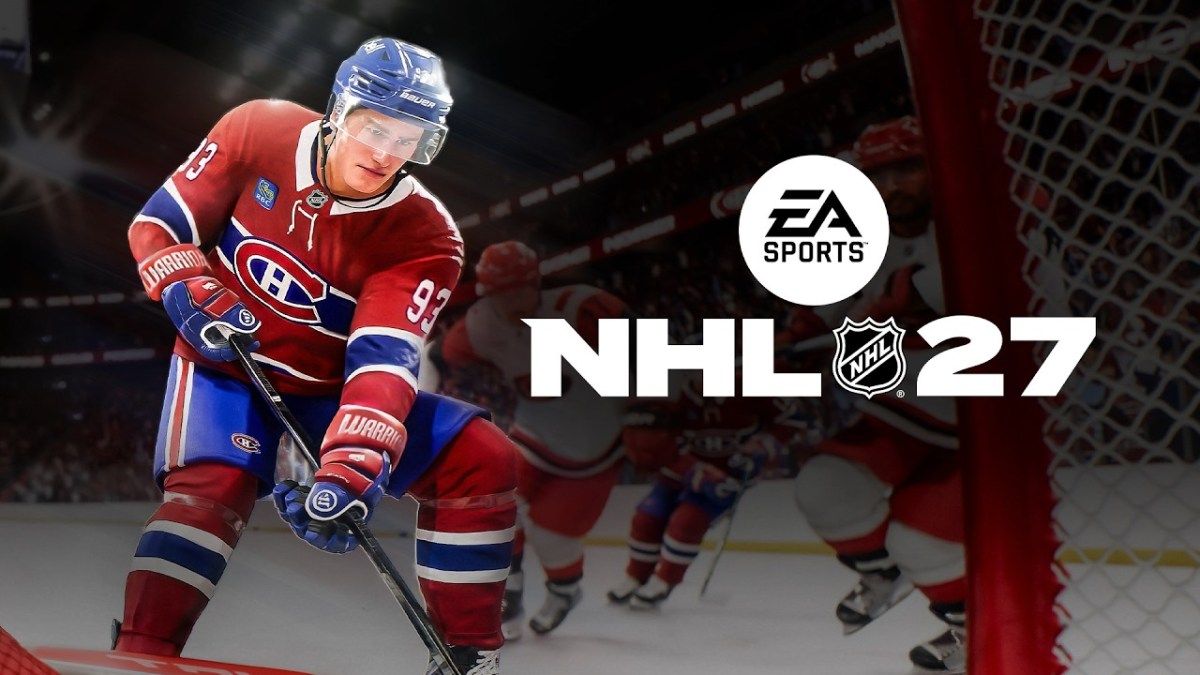
NHL 27 Be a Pro adds captaincy, leadership roles, two-phase progression, and team influence. Here is how the new career mode systems could answer player complaints.
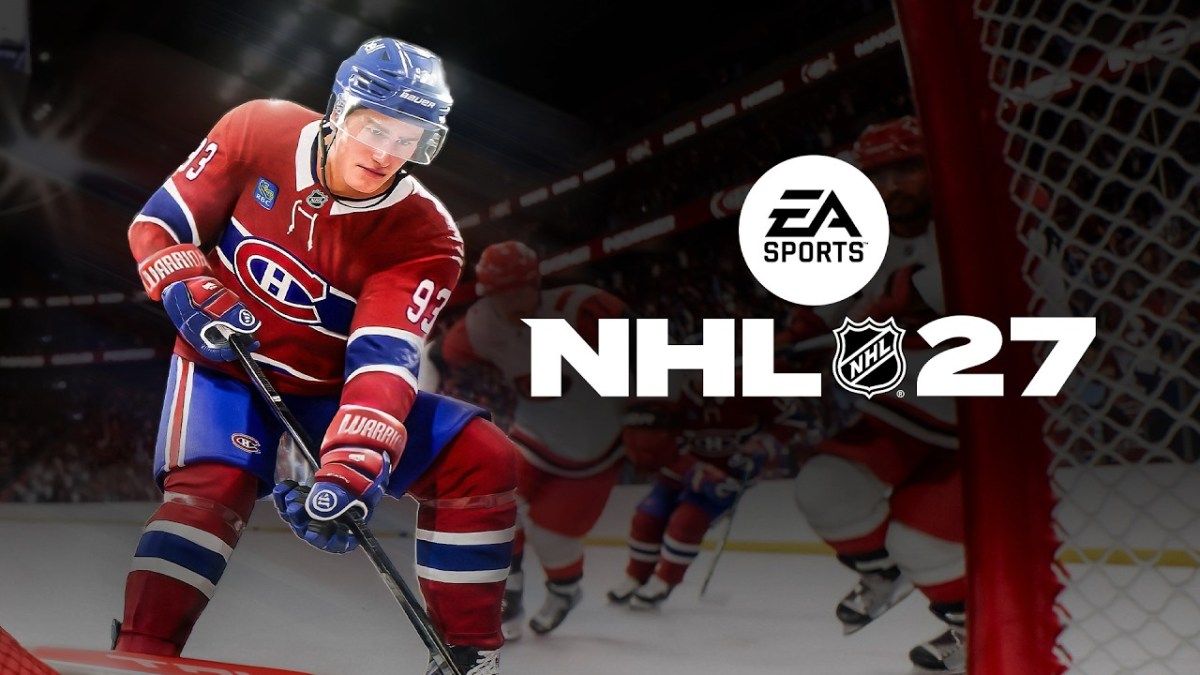
Image: operationsports.com
NHL 27 Be a Pro is putting the C behind performance checks
EA Sports has revealed a new Be a Pro leadership path for NHL 27, and the key change is simple: captaincy is no longer being presented as a one-time story reward. According to Operation Sports’ report on EA’s Be a Pro reveal, skaters can work from Non-Leader to Leader, Alternate Captain, and eventually Captain, while goalies follow a separate route through Leader, Presence, and Cornerstone.
That is the strongest piece of the NHL 27 Be a Pro reveal because it creates the mode’s central tension. The game is giving players more status and team influence, but it is also tying that status to performance, coach feedback, roster movement, and organizational trust. Operation Sports reports that strong play can speed up advancement, while falling short can cost a player their rank. Leadership can also change after an AHL demotion, trade, or free-agent move.
For NHL 27 career mode, that matters because captaincy only works as a progression system if it has friction. If the C is handed out too quickly, it becomes cosmetic. If it never reacts to performance, it becomes another menu label. EA’s stated design, as relayed by Operation Sports, sits closer to a dynamic role ladder: earn the room, keep the room, and understand that a different team may not treat your reputation the same way.
The leadership story starts before the NHL, but it does not shortcut the NHL grind
The first major decision in the new NHL 27 Be a Pro path comes in the opening media interview. Operation Sports reports that players choose between Influential, Confident, or Leader traits. Selecting Leader can immediately open captain or alternate captain roles during the World Juniors, Memorial Cup, and Champions Hockey League portions of a career.
The important limitation is that early status does not carry straight into the NHL. According to the same report, players still need to make the roster after a new four-game preseason, build Team and Management Likeability, and advance through the new Leader Skill Tree. That distinction is useful design if it holds up in the shipped game. Junior dominance should create a profile, not guarantee NHL authority.
This also gives Be a Pro a clearer early-career arc. In prior career modes across annual sports games, one of the recurring mode-design problems is that pre-draft or pre-roster content can feel detached from the pro career once the regular season begins. Based on the revealed NHL 27 captaincy systems, EA is trying to turn early interviews, international or junior leadership, preseason performance, and locker-room trust into connected steps rather than isolated scenes.
The unanswered question is how readable that progression will be. Operation Sports names Team Likeability, Management Likeability, Coach Feedback, and the Leader Skill Tree as part of the path, but the source material does not specify how transparent the thresholds are, how much each game grade matters, or whether simmed games affect leadership at the same weight as played games. Those details will decide whether the system feels earned or opaque.
Two 42-game phases could give career mode a real season structure
Once the regular season begins, Operation Sports reports that the leadership chase plays out across two 42-game phases in a new 84-game schedule. Coach Feedback and performance determine whether a player climbs from Non-Leader to Leader, Alternate Captain, and Captain. Goalies are evaluated through their own leadership labels, ending at Cornerstone rather than Captain.
The two-phase setup is the most mode-focused detail in the reveal. Career modes often struggle with pacing because an entire season can blur into stat accumulation. Splitting leadership evaluation into two major chunks gives NHL 27 career mode a midseason checkpoint and an end-of-season judgment point. If implemented cleanly, that could make a January slump or a late-season hot streak matter beyond XP.
There is also a stat-aware question here: what does “performance” mean for each position? The source text confirms that Coach Feedback and performance are part of the evaluation, but it does not list the metrics. For forwards, goals and assists are obvious but incomplete. For defensemen, defensive positioning, matchups, blocked shots, breakouts, and penalty control should matter if the mode wants to avoid turning every player into a point-chasing rover. For goalies, the separate Presence and Cornerstone track suggests EA knows a netminder should not be judged through the same captaincy lens as a first-line center.
Until EA shows the underlying scoring logic, the promise is stronger than the proof. The structure sounds better than a linear story promotion, but career mode players will need to see whether the game rewards role-appropriate hockey or simply accelerates leadership for anyone stacking box-score numbers.
Team influence is the reward that could make NHL 27 captaincy matter
The new leadership ladder is tied to tangible influence. Operation Sports reports that Alternate Captains can have a say in potential linemates, while Captains get more control over who they want to play alongside. Captains and Cornerstones can work with the coach on team identity, which can provide attribute boosts, and they can give the GM input on roster needs around the trade deadline.
That is where NHL 27 leadership roles become more interesting than a jersey patch. If a captain can affect line chemistry, team identity, and deadline priorities, Be a Pro starts to resemble a career-long relationship with an organization rather than a sequence of games and cutscenes. The reveal also says leadership brings more media, coach, and GM interactions tied to winning streaks, losing streaks, road trips, home stands, and individual performance.
The risk is that influence can easily become too scripted. A captain suggesting linemates is only meaningful if the coach sometimes pushes back, roster depth matters, and the player’s role fits the team’s tactics. GM input at the trade deadline only lands if it has visible outcomes, even if those outcomes are limited. A text prompt that asks whether the team needs scoring, defense, or goaltending would be thin. A system that weighs your status, team needs, cap or roster constraints, and front-office trust would be much closer to what career players have been asking for when they say they want agency.
Based on the revealed details, NHL 27 captaincy is at least aiming at the correct pressure point: career status should change how the organization treats you. The remaining question is whether those choices are systemic enough to stay fresh beyond the first season.
The Be a Pro changes fit NHL 27’s larger identity push
EA’s official NHL 27 features page frames this year’s game around stronger team identity. EA says all 32 NHL arenas have been rebuilt with team-specific energy, traditions, goal songs, chants, lighting, jumbotrons, and presentation that reacts to matchups. EA also lists a refreshed broadcast package, new commentary from ESPN play-by-play voice John Buccigross and former NHL goaltender Darren Pang, and NHL Team Playbooks powered by ICE-Q and NHL EDGE data.
That broader feature set matters for Be a Pro because a leadership mode depends on context. Being named captain in a generic rink with generic tactics and generic team behavior does not carry much weight. If NHL 27’s arenas, playbooks, and broadcast presentation make teams feel more distinct, then a career with Montreal, San Jose, Toronto, or Carolina should create different leadership expectations and on-ice responsibilities.
GamingBolt’s overview of NHL 27’s announced changes also points to team-specific tactics and Cohesive AI as part of the year’s push, while EA’s own features page says team playbooks are designed to give every NHL team a true identity across modes. For Be a Pro, the practical question is whether those playbooks intersect with the captaincy systems. If Captains and Cornerstones can work with the coach on team identity, the best-case version of this feature would let a player influence how their team attacks, supports breakouts, or manages pressure in a way that is felt on the ice.
That connection is not fully confirmed in the source material. EA has confirmed team playbooks on its features page, and Operation Sports reports that Captains and Cornerstones can work with the coach on team identity for attribute boosts. The exact depth of that bridge, tactical or statistical, remains unannounced in the provided sources.
Does this answer longtime Be a Pro complaints? Partly, if the systems have teeth
As a career-mode pitch, NHL 27 Be a Pro is targeting several familiar pain points: progression that feels too predetermined, team relationships that do not affect enough, and career milestones that lack consequences after the cutscene ends. The reveal’s strongest answers are the leadership rank ladder, the possibility of losing status, and the added influence over linemates, team identity, and trade-deadline needs.
The captaincy path also appears to address a goalie-specific issue by avoiding a straight copy of the skater track. Operation Sports reports that goalies move toward Presence and Cornerstone rather than Captain. That is a smart distinction on paper because a franchise goalie can be the defining player in a room without occupying the same formal leadership structure as a skater wearing the C.
There are still gaps players should watch closely at launch. The source material does not confirm how many unique conversations are in the mode, how often media and GM interactions repeat, whether leadership choices create long-term branching outcomes, or how trades and free agency recalculate status. It also does not clarify whether the new four-game preseason can be shortened, how custom rosters affect draft flow beyond the World Juniors path, or how much control Captains actually have over line assignments.
Two smaller additions are worth noting for mode regulars. Operation Sports reports that Custom Rosters can now be used during the World Juniors flow when starting through the Memorial Cup or Champions Hockey League, and defensemen will see the James Norris Memorial Trophy during award ceremonies. Those are not headline systems, but they speak to career-mode continuity and positional recognition, both of which matter in long saves.
Release timing, platforms, and whether career players should wait
NHL 27 arrives September 11 on PlayStation 5 and Xbox Series X|S, according to Operation Sports. The same report says Deluxe Edition pre-orders and EA Play members get access one week early on September 4. EA’s features page also advertises the Deluxe Edition with 4600 NHL Points, HUT Packs, bonus content, and 7 Days Early Access.
For players mainly interested in NHL 27 career mode, the reveal is promising but not yet a full buyer’s-guide green light. The confirmed Be a Pro systems are more substantial than a surface-level presentation update, especially the two-phase leadership evaluation, role loss, goalie-specific Cornerstone path, and captain-level team influence. Those are the right categories of change for a mode that needs replayable progression.
The wait-and-see part is execution. Career modes live or die on tuning, repetition, and consequence. If Coach Feedback is consistent, if leadership thresholds are understandable, if line and GM input produce visible changes, and if losing the C feels like an actual career setback, NHL 27 captaincy could give Be a Pro the structure it has needed. If those features resolve into a handful of repeated prompts and hidden meters, the mode may still feel familiar after the first season.
The safest advice is simple: HUT-focused players may care more about the Deluxe extras and early access, but Be a Pro-first players should watch early impressions from the September 4 access window before committing. The reveal gives NHL 27 Be a Pro a much sharper career-mode pitch. Launch week will show whether the leadership roles are deep systems or well-presented checkpoints.