
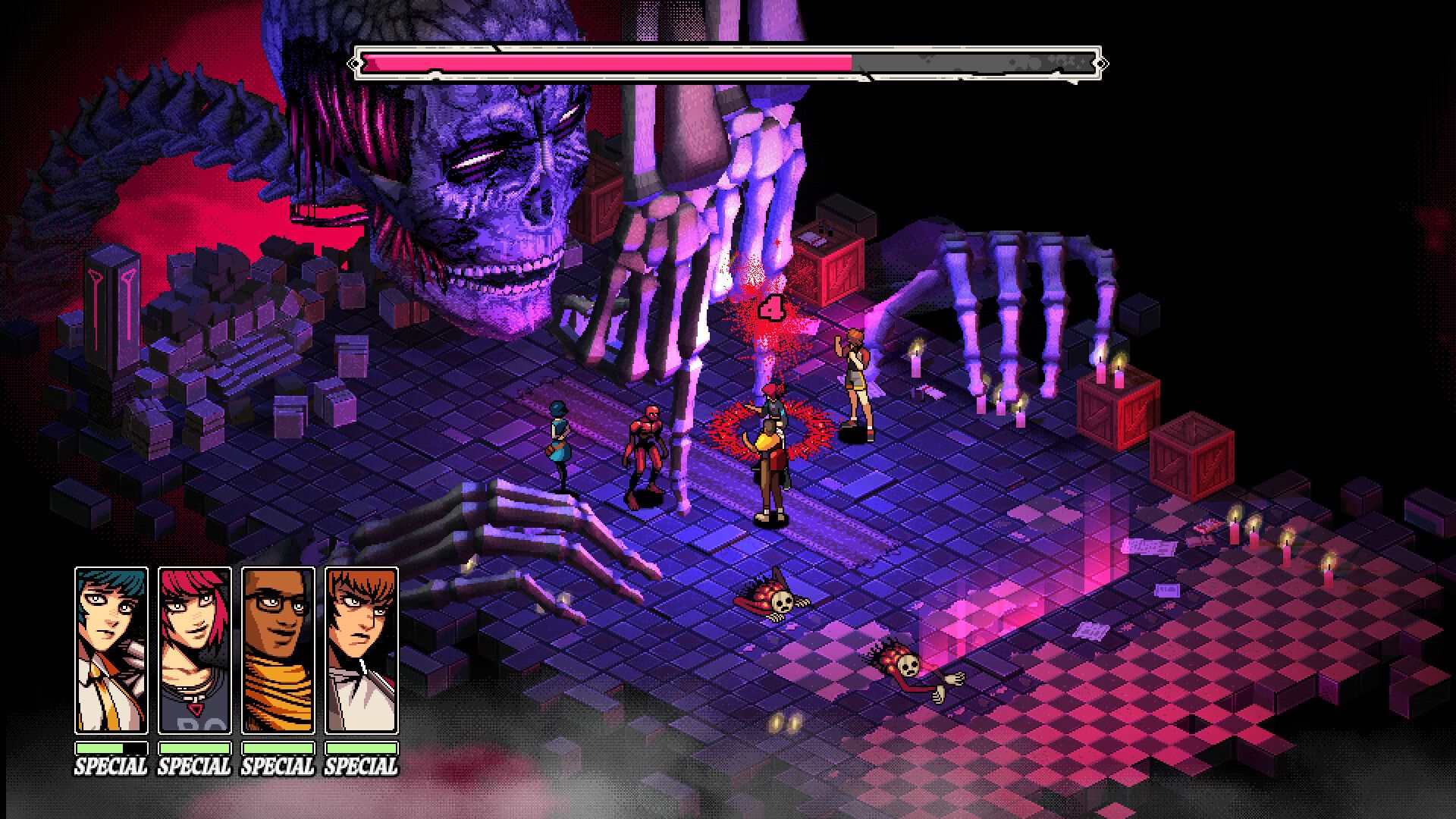

Eternal Anima is a new Marvelous RPG with Final Fantasy, Kingdom Hearts, Monster Hunter Stories, Persona 5, and Metaphor veterans attached. Here is what is confirmed, what the premise suggests, and what fans should not assume yet.
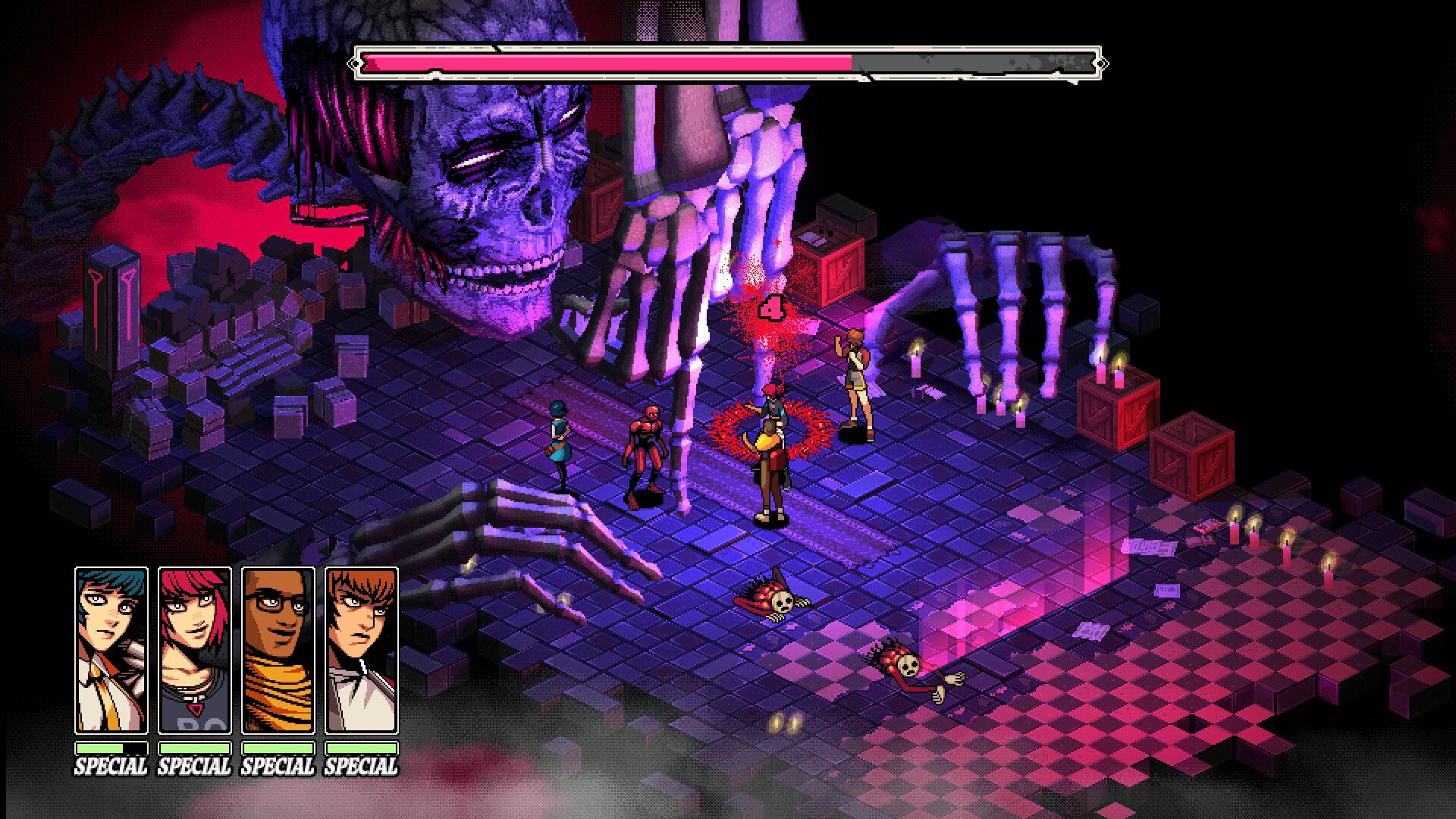
Image: escapistmagazine.com
Eternal Anima is a Marvelous RPG, not a Final Fantasy or Persona spinoff
The concrete news is that Marvelous has shown Eternal Anima, an all-new Japanese RPG with a staff list that immediately explains why RPG fans are paying attention. Kotaku reports that director Katsuhisa Higuchi was a programmer on several early Final Fantasy games, worked on Chrono Trigger, and later directed Capcom’s first two Monster Hunter Stories games. The same report identifies Kazushige Nojima, known for story work on Final Fantasy VII, Final Fantasy VIII, and Kingdom Hearts, as another Square Enix veteran involved with the project. Its narrative is based on a concept submitted by author Keisuke Makino, who Kotaku says contributed to Persona 5 and Metaphor: ReFantazio.
That credit mix is the hook, but it is also the place where expectations need careful sorting. Eternal Anima is being reported as a Marvelous project and an original RPG, not a new Final Fantasy, Persona, Kingdom Hearts, Chrono, or Metaphor game. The phrase “new RPG Final Fantasy Persona veterans” is useful as a search trail because those creators’ past work is relevant, but it should not be read as a franchise label. The revealed premise points to a different identity: a time-spanning story about inherited catastrophe, forbidden history, and the cost of assuming the future will correct itself.
The premise turns lore into the central conflict
According to Kotaku’s report, Eternal Anima follows Wade, a man who can see the history of objects by touching them. He lives in Urvis Ael, a world where the truth about the past has been lost and where attempting to uncover it is forbidden. Wade is hunted as a dissident and eventually journeys into the past, where he begins learning how the world became damaged in the first place.
For RPG players who care about progression, quests, and lore structure, that setup matters because it makes investigation a core narrative engine rather than background flavor. Wade’s power gives the story a built-in reason to connect objects, places, and historical records to quest advancement. The source material does not confirm how that ability works mechanically, so it would be premature to describe it as a puzzle system, dialogue skill, or collectible-history feature. Still, the premise clearly frames knowledge as dangerous and actionable. In a genre where ancient ruins often function as lore dumps after the dungeon boss, Eternal Anima’s reveal suggests a game built around the act of recovering suppressed context.
The time-travel element also sharpens the stakes. Kotaku says Wade explores the continent of Ambulis roughly 200 years in the past, a place that has been submerged underwater and lost to history in his own era. The developers also told the outlet that players will later explore other troubled continents named Wistregen, Himeshiro, and Rotala. That is the clearest structural clue we have: Eternal Anima is not presenting one doomed kingdom in isolation, but a wider world where multiple regions appear to be facing their own forms of crisis.
The demo’s environmental crisis gives the old-school frame a sharper edge
Kotaku attended an hour-long showcase shortly before Tokyo Game Show and described a demo set early in Wade’s journey, after he and a small crew arrive on Ambulis 200 years in the past. The area shown was the Somber Woods, a dying forest where the planet’s Anima, described in the report as its life force, is being drained by human exploitation of natural resources. Kotaku’s account says those sworn to protect the land have retreated into prayer and passive belief that the land will solve the problem without material change.
That is a familiar JRPG scale, but the framing is specific. The future party knows the outcome of inaction. In Wade’s time, Ambulis is gone beneath the water. The conflict is therefore less about whether disaster is coming and more about whether people with knowledge of the outcome can alter the social, spiritual, or political habits that made the disaster inevitable.
This is where the Final Fantasy and Persona comparisons are most useful as a reference point, not a promise. Nojima’s involvement invites interest from players who value character melodrama, memory, and worlds shaped by past trauma. Makino’s Persona 5 and Metaphor: ReFantazio connection will naturally catch the eye of fans who like RPGs with social pressure and ideological conflict. Higuchi’s history across early Final Fantasy, Chrono Trigger, and Monster Hunter Stories suggests a development background comfortable with both classic RPG language and accessible adventure framing. None of that confirms combat rules, party-building depth, calendar systems, social links, job classes, or monster-raising. The confirmed material instead shows a thematic spine: a party from the future confronting a society that has chosen denial over repair.
What the veteran credits suggest, and where they stop being evidence
The strongest expectation the credits support is not that Eternal Anima will play like one of its creators’ best-known games. It is that Marvelous is positioning the project around experienced RPG storytellers and developers whose prior work spans multiple schools of Japanese role-playing design. Higuchi’s reported background reaches from early Final Fantasy programming to Chrono Trigger and Monster Hunter Stories. Nojima’s credited history includes Final Fantasy VII, Final Fantasy VIII, and Kingdom Hearts. Makino’s reported contributions to Persona 5 and Metaphor: ReFantazio place him near recent Atlus-style thematic RPG writing.
Those histories matter because Eternal Anima’s premise depends on continuity across time, a world with concealed history, and a protagonist whose ability is tied to memory. RPGs live or die on whether their systems give players reasons to care about that lore after the cutscene ends. A good version of this premise could make the player’s route through Ambulis feel like an autopsy of a future catastrophe: each settlement, ruin, resource conflict, and local belief system helping explain how a continent reaches the point of disappearance.
The limit is equally important. The source material provided does not confirm a turn-based battle system, an action battle system, a job system, romance mechanics, party affinity ranks, platform targets, performance modes, price, English voice options, or a release date. Kotaku places Eternal Anima within a revived RPG field that includes turn-based successes and HD-2D nostalgia, but that contextual comparison is not the same as a feature sheet. Fans searching for a Final Fantasy Persona vets RPG should treat the names as pedigree, not as a mechanical guarantee.
The 2026 RPG context is crowded, but Eternal Anima’s release details are still unclear
Eternal Anima arrives in a market where RPG attention is already fragmented. GamesRadar’s upcoming RPG roundup frames 2026 and beyond as a busy period for role-playing releases across platforms. RPG Site’s 2026 release-date list, updated October 16, 2026, states that it includes games with confirmed English versions set to release in 2026 and avoids predicting Early Access exits without hard dates. Those list rules are useful context because the materials provided for Eternal Anima do not establish the practical basics players usually need before planning a purchase.
As of the supplied sources, there is no confirmed Eternal Anima release date, platform list, storefront page, price, edition structure, PC requirement sheet, or localization detail to report. That absence should not be filled in by association with past franchises. Final Fantasy VII Remake Intergrade has its own Steam presence, and Metaphor: ReFantazio has its own documented release history, but neither storefront or encyclopedia context makes Eternal Anima a Square Enix or Atlus release. Kotaku identifies the new game as a Marvelous RPG.
For readers tracking a new JRPG 2026 lineup, the sensible move is to separate interest from commitment. Eternal Anima has enough revealed premise and staff pedigree to watch closely, especially for players drawn to ecological collapse, time travel, and forbidden-history stories. It does not yet have enough public purchasing information, at least in the provided source material, to answer whether you should preorder, which platform to target, or whether performance concerns should influence where you play.
The player-choice question is the one to watch next
From a systems-focused perspective, the most important unanswered question is how much agency Eternal Anima gives players inside its time-travel premise. A story about changing the past can be linear and still powerful, but RPG fans will reasonably want to know whether Wade’s interventions alter towns, questlines, party outcomes, resources, or later versions of the world. The current reporting confirms the premise of attempting to change the future by acting in the past; it does not confirm branching timelines, multiple endings, faction choices, or persistent world-state consequences.
That distinction will define the game’s audience fit. If Eternal Anima is primarily a guided narrative RPG, the appeal may rest on character writing, worldbuilding, and the emotional payoff of seeing how Ambulis fell. If Marvelous builds mechanical consequence into Wade’s historical investigations, the premise could support heavier quest design, where learning the origin of an object or place changes what the party can do next. Both versions can work, but they serve different kinds of RPG players.
For now, Eternal Anima is best understood as an original Marvelous RPG with unusually recognizable veteran credits and a premise aimed at generational responsibility rather than franchise nostalgia. The revealed material gives RPG fans a clear thematic identity to evaluate: a hunted man, a forbidden past, a drowned continent, and a future that may have been lost because too many people treated collapse as someone else’s problem. The next meaningful update needs to show how those ideas become play.