
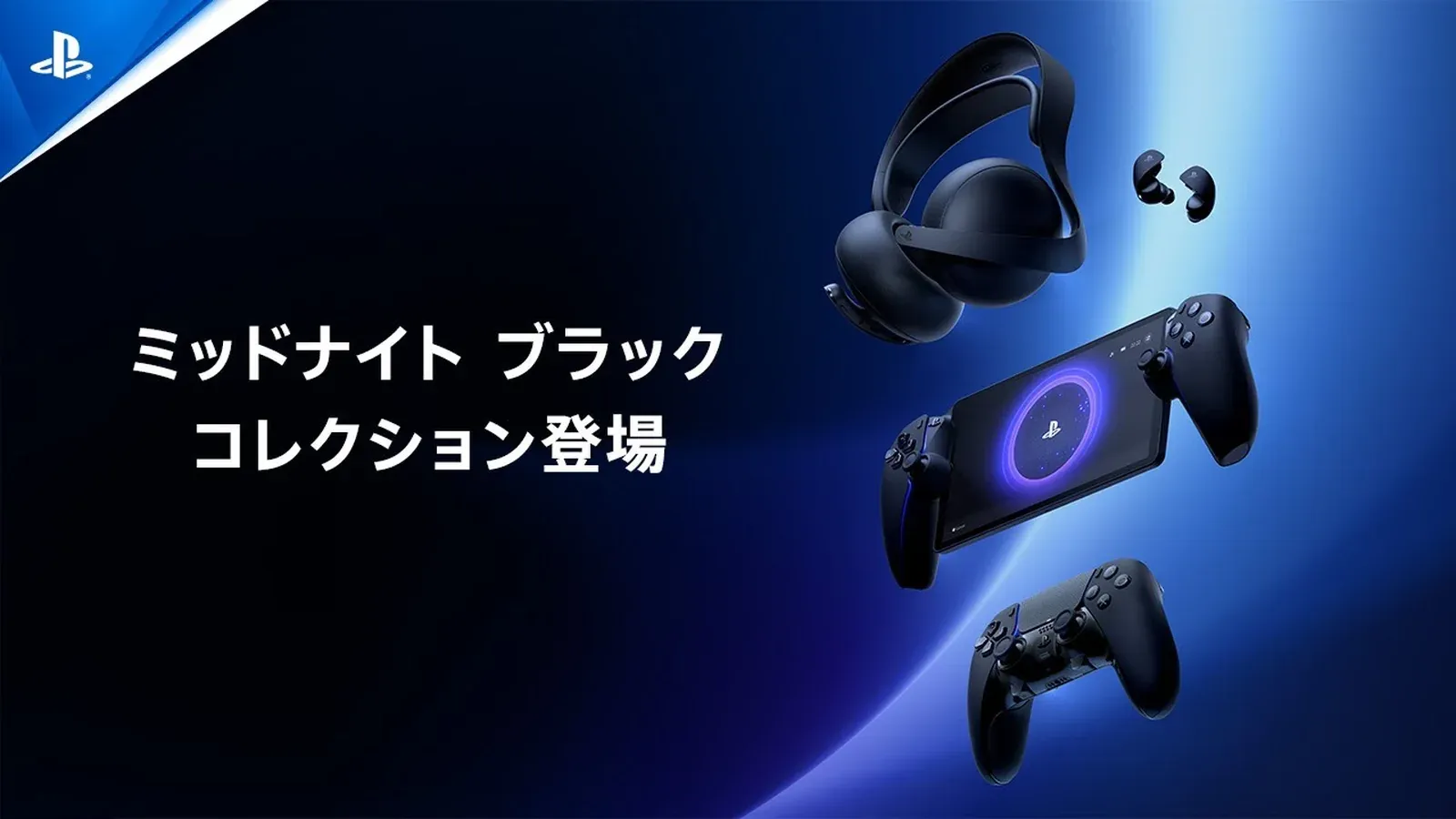

Sony’s Japan-bound PlayStation Portal revision adds internal storage, a new name, and a future-functionality tease. Here is what is confirmed, what is still unknown, and whether current buyers should hold off.
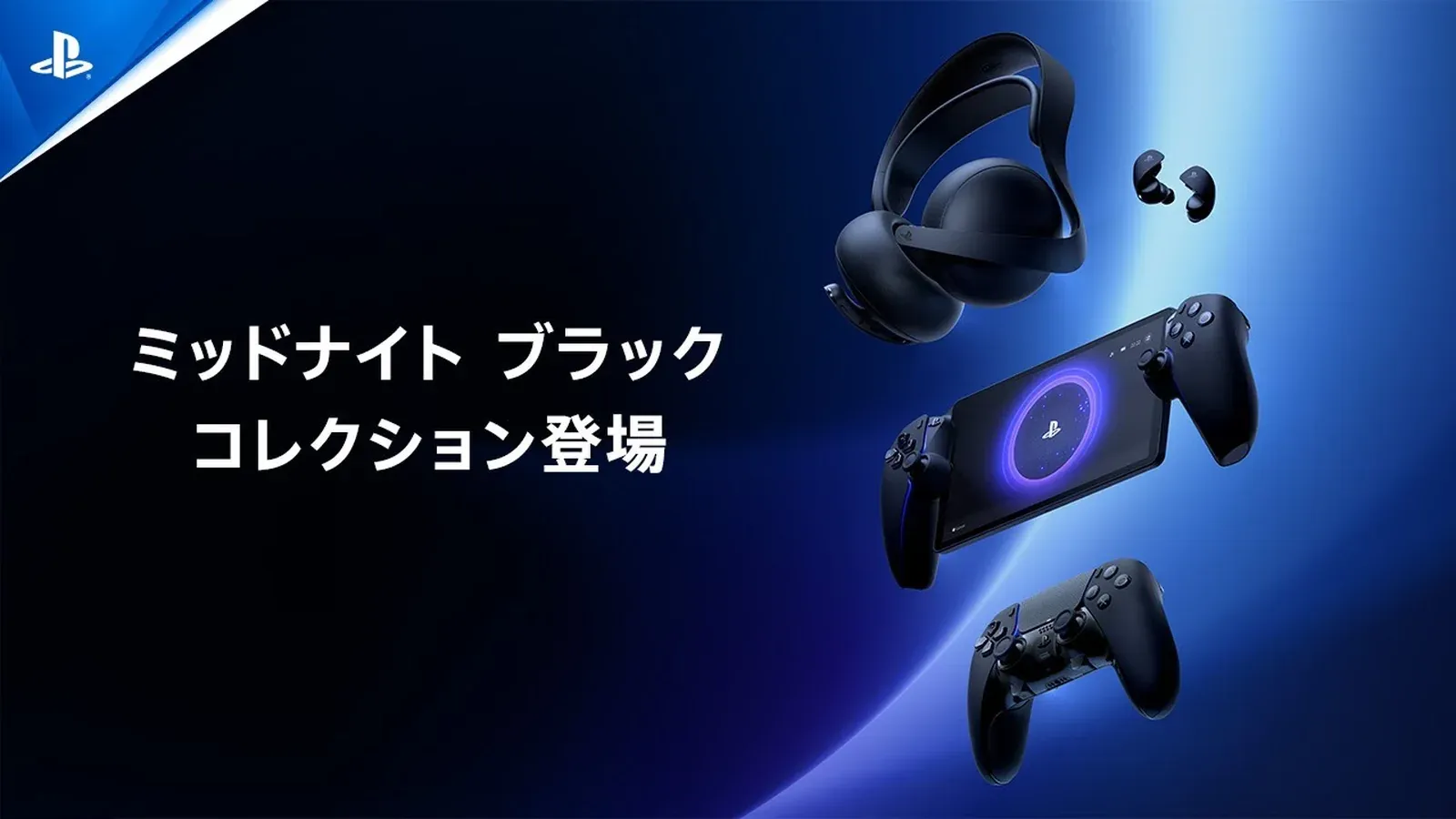
Image: techtroduce.com
Sony’s Portal revision is real, but the useful details are being held back
Sony has announced a revised PlayStation Portal for Japan with internal storage, a December 10, 2026 release date, and the same ¥39,980 price as the current model, according to Push Square’s report citing the Japanese PlayStation Blog. Pre-orders are set to open on November 13, 2026. The immediate tension is obvious: Sony has confirmed the hardware change, but has not said how much storage is inside or what buyers will be able to do with it.
The new PlayStation Portal also comes in Midnight Black and includes a one-month PlayStation Plus Premium bundle, per Push Square. Sony is changing the product name for this model from “PlayStation Portal Remote Player” to “PlayStation Portal Player,” with the stated reason being the device’s expanded role beyond PS5 remote play now that PS Plus Premium cloud streaming lets users stream PS5 games without owning a PS5.
That naming shift is the strategic tell. The original Portal was framed around extending a PS5 already in the house. This revision is being positioned as a streaming endpoint in its own right. Internal storage gives Sony room to change the Portal’s job later, but for now the company has only described it as being added with “an eye towards future functionality,” as reported by Push Square.
The regional lock makes importing a bad default plan
The Japan model is not being presented as a normal worldwide refresh. Push Square reports that, like Sony’s Japan-specific PS5 console, the new PlayStation Portal can only be set to Japanese and can only use a PlayStation Network account from the Japan region. That restriction is the practical wall around the announcement for most GameLoop readers.
There is also a source conflict on territory. Push Square describes the new model as Japan-only. Wolf’s Gaming Blog reports that Sony has also announced a South Korean version through the Korean PlayStation Blog, priced at ₩378,000, and says those regional versions are locked to their respective regions and languages. The material provided here does not include the full Japanese or Korean announcement text, so the safest read is that Japan is definitely part of the rollout, Push Square frames it as Japan-only, and Wolf’s Gaming Blog says South Korea is included as well.
Either way, there is no confirmed North American, European, or wider international release in the supplied reporting. Push Square says it will update readers if the revised version is announced for other territories. For buyers outside the confirmed regions, the announced device is currently a signal, not a purchase path.
Internal storage changes the Portal’s ceiling, even if it changes nothing today
Internal storage matters because the Portal’s value has been constrained by its identity as a network-dependent device. If a handheld cannot run games locally, store meaningful media, or reduce dependence on a constant high-quality connection, then its hardware is mostly judged by screen, controls, Wi-Fi performance, and service access. Adding storage does not automatically alter that equation, but it creates space for Sony to alter it later.
Sony has not confirmed a storage capacity, supported features, file types, local game compatibility, save handling, screenshot storage, clip capture, offline use, or any upgrade route for existing PlayStation Portal owners. Those omissions are important. A new PlayStation Portal with internal storage sounds like a hardware upgrade, but Sony’s own public-facing tease, as relayed by Push Square, stops at future functionality rather than present functionality.
Wolf’s Gaming Blog adds useful technical context while clearly separating it from confirmed plans. It notes that in 2024, Google security researchers got a PSP emulator running locally on a Portal and found 6GB of free flash memory, with Grand Theft Auto: Liberty City Stories and Tekken 6 reportedly running smoothly in that research context. That does not mean Sony will enable local PSP or PS1 play on the Portal. It does show why players are immediately connecting expanded storage to native playback, because the old hardware already invited that question once researchers probed beyond Sony’s intended use.
The most realistic uses range from mundane to transformative
There are three broad lanes for PlayStation Portal internal storage, and only the existence of storage is confirmed. The safest lane is system headroom. Sony may need more local space for operating system updates, cloud streaming infrastructure, account features, caching, or long-term support. That would be boring from a marketing perspective, but sensible for a product that is shifting from remote-play accessory to PlayStation streaming device.
A second lane is local media and user data. Wolf’s Gaming Blog raises the possibility of screenshots or gameplay clips being saved locally, rather than depending on cloud storage. That would fit the Portal’s current streaming-first identity without requiring Sony to turn it into a native gaming handheld. It would also make the device feel less thin as a self-contained product, especially if Sony continues emphasizing PS Plus Premium streaming.
The third lane is the dream scenario players are already discussing: local game playback for a limited library, perhaps classic PlayStation titles or lightweight software. Nothing in the supplied Sony-sourced reporting confirms that. Push Square mentions rumors around a future PS6 handheld supporting the home console, but that is explicitly rumor territory, not an explanation for this Portal revision. From a strategy perspective, though, the timing is interesting. If Sony wants to test account rules, store entitlements, streaming branding, and lightweight local storage on a controlled regional model before a larger handheld push, Japan is a plausible test bed. That remains interpretation, not announced roadmap.
The name change tells us Sony wants Portal judged differently
The rename from PlayStation Portal Remote Player to PlayStation Portal Player is small branding with large implications. Push Square reports Sony’s explanation: the product has expanded beyond remote play because PS Plus Premium streaming means users no longer need a PS5 to stream games. That reframes the hardware from an accessory into an entry point for PlayStation services.
That shift has business logic. A Portal tied only to PS5 ownership has a capped audience. A Portal tied to PS Plus Premium can reach players who want PlayStation streaming without buying a console immediately, at least in regions where Sony supports the service and the hardware. The one-month PS Plus Premium bundle included with the Japanese model reinforces that Sony wants first-time setup to point toward cloud play, not only pairing with a home console.
There is still uncertainty over whether the name change is regional or global. Wolf’s Gaming Blog says the Japanese and South Korean announcements do not make clear whether the new name applies worldwide or only in those markets. That matters because a global renaming would suggest a broader repositioning of the Portal line, while a regional name could simply reflect how Sony is packaging this specific model.
Existing Portal owners should not panic, but should watch the feature split
The biggest anxiety around the PlayStation Portal upgrade is whether today’s model becomes second-class hardware. Sony has not said that the current Portal will lose support, and the supplied reports do not include any statement about existing units being made obsolete. At the same time, the phrase “future functionality” attached to internal storage naturally raises the possibility that some future features could require the revised model.
That is where the strategy gets delicate. If internal storage is used only for system resilience, local captures, or cache management, existing owners may not feel much pain. If it enables local software, richer offline-adjacent functions, or specific cloud-streaming improvements, Sony will need to explain the dividing line clearly. The current communication does not do that yet.
For buyers in Japan, the choice is cleaner: the new model arrives December 10 at the same listed price as the current model, so waiting for the internal-storage version makes sense unless an immediate purchase is necessary. For buyers outside Japan, or outside the regions confirmed by official local announcements, importing looks risky because of language and PSN account restrictions. A region-locked handheld tied to a foreign PSN account is a poor fit for most players who want a daily-use device.
Should buyers elsewhere wait for a PlayStation Portal 2026 upgrade?
If you are outside Japan and are asking whether to buy the current Portal now, the answer depends on urgency and tolerance for uncertainty. The confirmed facts do not support saying a worldwide PlayStation Portal 2026 refresh is coming. They do support saying Sony has built a revised model with internal storage, has priced it the same in Japan, and is publicly hinting at future functionality without explaining the feature set.
If you want the Portal for what it already does, PS5 remote play and supported PS Plus Premium cloud streaming where available, the current model remains the only broadly available option in many markets based on the supplied reporting. If you are buying mainly because you hope the Portal becomes a local-play handheld, you should wait. That feature is unannounced, the storage size is unknown, and Sony has not said whether any future functions will come to existing hardware.
My read as a hardware-strategy move is that Sony is testing a new branch of the Portal line rather than merely launching a color variant. Internal storage, a service-forward name, and a PS Plus Premium pack-in all push in the same direction: Portal is being prepared for a larger role in the PlayStation ecosystem. The unanswered question is whether that role becomes a global PS Portal upgrade or stays a region-specific revision with limited visible benefit. Until Sony answers that, buyers elsewhere should avoid importing, buy the current model only if its present-day feature set is enough, and treat the internal-storage version as a watchlist item rather than a promised upgrade path.