
A newcomer-focused look at Neverness to Everness at launch, from its huge pre-registration numbers and platform rollout to its systems, rewards and chances of surviving the crowded anime live-service RPG scene.
A 35 Million Player Question
Neverness to Everness is not sneaking onto the scene. Hotta Studio’s new open-world action RPG arrives with more than 35 million pre-registrations across platforms, a global marketing push and Twitch Drops backing it up. That scale immediately puts it in the same conversation as games like Genshin Impact, Wuthering Waves and Zenless Zone Zero, which means the launch is much more than “another anime gacha is out.” The real question is whether Neverness to Everness has the systems and identity to keep even a slice of those 35 million players around past the honeymoon period.
If you are just hearing about it for the first time, this is a newcomer-friendly breakdown of what Neverness to Everness actually is, what you get at launch and why publishers are betting so hard on it.
What Kind Of Game Is Neverness to Everness?
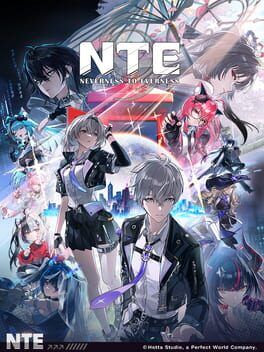
Neverness to Everness is an urban fantasy open-world action RPG from Hotta Studio, the developer behind Tower of Fantasy. Instead of a sprawling sci fi wilderness, the setting here is Hethereau, a supernatural city full of neon lights, haunted alleys and liminal spaces where reality frays. You play as the first “unlicensed” Anomaly Hunter, someone who can investigate and fight disturbances that slip through the cracks of this strange world.
Moment to moment, the game mixes exploration, third person real time combat and character collection. You roam districts of Hethereau on foot and by glider, pick up commissions from a rundown antique shop called Eibon that doubles as your base, and gradually recruit a cast of stylish specialists who help you tackle anomalies. It is built as a live service title with regular updates, banners and events rather than a one and done boxed RPG.
Platforms, Cross Play And How To Start
At launch, Neverness to Everness is available on PC, PlayStation 5 and mobile, including iOS and Android. The intent is to let players treat it as a long term “home base” game they can bounce into from almost any device. Accounts can be linked so you can pick up your progress between platforms if you are willing to set up the proper login, which is worth doing early if you split your time between console and phone.
The client size is hefty on every platform, reflecting the open city structure and high end anime presentation. If you are coming from other gacha RPGs, expect a similar first patch download routine before you are actually running around Hethereau.
Story, Structure And The City Of Hethereau
Hethereau is the real star of Neverness to Everness. Where most anime live service RPGs lean heavily on fantasy kingdoms or high tech sci fi, Hotta’s new game tries to carve out a space somewhere between urban slice of life and ghost story. The city is broken into districts, each with its own mood, secrets and micro stories.
Your day job is hunting anomalies, but in practice that means a lot of hanging around the city, taking odd jobs and slowly untangling how all these supernatural incidents connect. Eibon, the antique shop that hires you, acts as a hub where characters converge, new commissions unlock and systems like the City Fund become available.
The main story pushes you through key set pieces while side missions, Anomaly Commissions and character quests fill in the gaps. Racing, fishing and other diversions are tucked into the city so there is always something to poke at between big plot beats. For newcomers, that means you do not have to rush the main story to feel like you are “playing correctly” and can treat Hethereau like a playground as much as a narrative corridor.
Combat And Characters: How It Actually Plays
Combat in Neverness to Everness leans into quick swapping between specialists rather than locking you into a single hero. You control a squad and swap in and out to trigger synergies and exploit enemy weaknesses. The animations go hard on cinematic flair, with flashy finishers and stylish camera swings playing up each character’s personality.
Where it tries to separate itself is in the way character identity feeds back into exploration. Anomaly Hunters do not just exist in a vacuum. Their day jobs, relationships and personal storylines tie into jobs around Hethereau, and character missions often send you back into familiar spaces with new perspectives. It is very much an action RPG first and a collector’s book of pretty portraits second, at least in terms of how the early game introduces itself.
If you are coming from other anime live service games, you can expect a similar loop of building a main squad, farming materials, unlocking passives and refining weapons to push into harder content. The difference lies in the city scale and the way side activities break up pure combat grinding.
Systems That Define The Grind
Every big live service RPG is really defined by its systems once the novelty of the world wears off. Neverness to Everness lines up a few key pillars that will matter for long term play.
The Anomaly Commission board is your bread and butter, doling out contracts that send you across the city for rewards and story snippets. It is designed as a repeatable content treadmill, almost like a job board in a classic RPG, but dressed in urban supernatural style.
The City Fund system acts like a light management sim built into the city itself. As you invest in different initiatives, Hethereau grows, shops and facilities expand and new activities unlock. For players who like the sense of owning a space over time, City Fund gives a meta progression layer beyond just boosting numbers on your characters.
Then there are the usual live service fixtures, from daily and weekly tasks to limited time events layered over the city map. Fishing spots, races and other minigames serve as low pressure ways to break up more demanding content while still feeding resources back into your account.
Gacha, Launch Rewards And How Generous It Feels
Like its peers, Neverness to Everness is built around a gacha system for recruiting characters. Banners use premium and earnable currencies to pull for new Hunters and upgrades, and part of the long tail appeal will come down to how fair those systems feel.
At launch, Hotta is clearly trying to win over skeptical players with a heavy shower of rewards. New accounts can expect at least 20 standard character pulls and 20 Elite Hunter Guides just for stepping into Hethereau and running through early milestones. There is a free A rank character on the table and even a glider cosmetic to start building an identity for your Anomaly Hunter without opening your wallet.
The headline number is more than 470 pulls available through gameplay, events and login rewards across the launch window, plus a free S class character, Chiz, if you commit to the early game. When combined with Twitch Drops campaigns that hand out extra items for watching partnered streamers, the opening weeks are structured to make the gacha feel generous and approachable.
This matters for newcomers who may have bounced off harsher economies before. The launch window is often the best time to build a roster without spending, and Neverness to Everness appears to understand that it needs a strong first impression in a very crowded market.
Where It Fits In A Crowded Anime RPG Market
The context around Neverness to Everness might be its biggest challenge. It launches into an ecosystem where players already juggle multiple daily live service check ins and have established favorite universes. The 35 million pre registrations show interest, but retention will depend on whether Hethereau and its systems make it worth carving out space next to games like Genshin Impact or Wuthering Waves.
From a distance, the pitch is clear. A supernatural urban city instead of fantasy kingdoms, a more grounded sense of place in Eibon and Hethereau, and a focus on being an Anomaly Hunter with a day job, not a destined chosen one. The City Fund system and the mix of commissions and slice of life side content help the game feel like you are maintaining a living city rather than just clearing checklists for currency.
The flip side is that visually and structurally it will still read as “another anime gacha” for players who are not interested in parsing subtle differences. For it to stand out long term, Hotta will need to keep leaning into unique character writing, memorable city stories and distinct mechanical twists in future updates.
Should Newcomers Pay Attention?
If you already have a favorite live service RPG and are stretched thin on daily grinds, Neverness to Everness is still worth at least trying during its launch window. The sheer generosity of rewards, the 35 million player surge and the multi platform rollout give it one of the loudest debuts in the genre this year, and early adopters are likely to benefit the most.
For absolute newcomers to anime style gacha RPGs, this is a relatively friendly entry point. The city is approachable, combat is flashy without being too complex out of the gate and the story leans on familiar supernatural mystery beats rather than dense lore dumps. As long as you are aware that this is a long term service game with ongoing monetization, you can treat Hethereau as a place to drop into for a few hours a week and see whether its urban legends and Anomaly Hunter drama hook you.
Ultimately, the launch of Neverness to Everness matters because it is another sign that urban fantasy live service RPGs are becoming one of the core pillars of the market rather than an experimental side line. With strong pre registrations, a global platform rollout and a clear attempt to differentiate its city and systems, it has every chance to carve out a community of its own. Whether it can keep those millions coming back will be decided in the quiet weeks after the launch fireworks fade.