
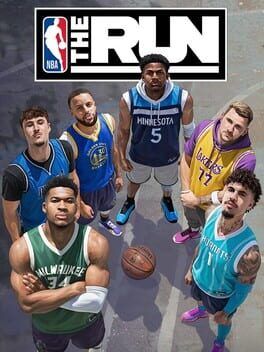
NBA The Run's Wave One update adds Allen Iverson, Vince Carter, Tracy McGrady, Kevin Garnett and Dirk Nowitzki, plus custom matches, practice mode and key gameplay tuning.
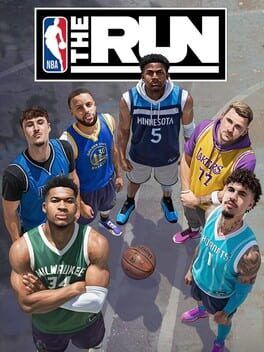
Image: IGDB
Store links: NBA The Run on Steam
NBA The Run’s 2000s wave is live, but the roster is only half the story
NBA The Run has added five 2000s stars with its Wave One update: Allen Iverson, Vince Carter, Tracy McGrady, Kevin Garnett and Dirk Nowitzki. Operation Sports reported that the update has arrived, while Xbox Wire, in a post from Play by Play Studios marketing and communications lead Ray Almeda, described Wave One as the 3v3 streetball game’s first seasonal update and its biggest since launching in June.
The immediate tension is the split between a free NBA The Run update and paid or progression-based roster access. The update itself adds modes, cameras, courts, music and gameplay changes for players, but the five legends have to be unlocked. Operation Sports and Bleeding Cool both report that each legend costs 5,000 in-game CRED, while the full group can be purchased for $9.99. Xbox Wire says that CRED is earned by progressing through the game and that the full group can be bought through the Microsoft Store as DLC.
That structure matters because this is the game’s first major test as a live sports title. The headline draw is nostalgia, but the update is also trying to add reasons to keep running games after the first few tournament wins. For sports game players, the better question is not only whether Iverson, Carter, McGrady, Garnett and Nowitzki look right on the court. It is whether NBA The Run now has enough mode flexibility to make those unlocks worth using repeatedly.
Which NBA The Run 2000s legends are arriving and how they fit the game
The NBA The Run 2000s legends list is built around five Hall of Fame names that map cleanly onto arcade basketball roles. Operation Sports reports that Wave One gives each player a stylized look and moves built around what fans remember them for: Iverson’s crossovers, Carter’s dunks, McGrady’s scoring, Garnett’s defense and Nowitzki’s shooting. Bleeding Cool’s write-up uses the same role language, framing Iverson as the crossover creator, Carter as the dunker, McGrady as the scorer, Garnett as the lockdown defender and Nowitzki as the three-point threat.
But Why Tho reported, citing the studio, that these five players are the first Hall of Famers in NBA The Run and that they combined for 126,108 points and 55 All-Star selections. That stat line is useful because it explains why this first paid-or-grind roster wave leans on instantly recognizable archetypes. In 3v3, player identity has to show up quickly. A smaller lineup magnifies every handle rating, power interaction, defensive stop and finishing animation.
From a lineup-building perspective, the group covers most of the classic streetball needs. Iverson should be the obvious first look for players who want to create off the dribble, especially with the update tying style dribble moves to Handles. Carter is the cleanest pick for players who want to test new dunk content. McGrady gives the update a pure shot-creation star. Garnett is the defensive and physical counterweight, which matters because the patch also changes shoves, forward tricks and blocks from behind. Nowitzki’s value sits in spacing, shooting and mismatch hunting, particularly if players are experimenting with new camera angles that make passing lanes easier to read.
Custom matches give the update its best replay-value hook
Custom matches may end up being the most important feature in this NBA The Run update for players who already understand the core tournament loop. Operation Sports reports that custom matches let players create a private party, choose a court and ruleset, and play a single game with or against an online friend. Bleeding Cool describes the feature the same way: a private party, court selection, ruleset selection and a one-off online game with or against a friend.
That is a practical replay-value upgrade because it gives players control over variables that tournament structures usually rotate for them. NBA The Run’s core format, as described by Bleeding Cool and Xbox Wire, is Run the World Tournament, a four-round Knockout tournament where teams of three play quick must-win games with different rulesets and win conditions. That format is built for pressure and variety, but it is not always the ideal place to test a new lineup, settle a matchup with friends or replay a favorite ruleset.
Custom matches create a lower-friction way to use the 2000s legends once they are unlocked. If a player wants to test Iverson against Garnett, run Carter in dunk-friendly conditions, or see whether Nowitzki’s shooting can stretch a specific court, the new mode gives them a direct path. That is the kind of addition that tends to matter in sports games because rosters only stay fresh when players have enough ways to apply them.
There is one limitation in the sourced descriptions: the feature is described as a single online game, not a full custom league, bracket or persistent private season. Based on the published details, players should treat NBA The Run custom matches as a targeted friend-play tool rather than a full competitive mode replacement.
Practice mode is the update’s smartest feature for learning the new meta
Practice mode gives NBA The Run a clearer onboarding lane for its new mechanics. Operation Sports reports that practice mode lets players pick a court and ruleset, then play against AI opponents. Bleeding Cool says the mode is designed to let players hone their skills against AI with chosen court and ruleset settings.
That matters because Wave One changes the feel of possession, contact and finishing. Operation Sports lists several gameplay updates from the patch notes, including a significant goaltending nerf, refactored shoves and forward tricks, style dribble moves based on Handles, driving layups and standing dunks replacing the standing layup, added Off-the-Heezay options, stylish backboard setup plays for alley-oops, less effective blocking from behind and an Oop City ruleset with 2s and 3s, first to 23, and 4 points for alley-oops.
Those are not cosmetic tweaks. They affect how players attack the rim, defend from recovery positions and choose ball handlers. The shove changes are especially important for lineup balance. Operation Sports reports that lower Power Rating characters previously struggled to shove characters around their level, while high Power Rating players rarely lost shove interactions. The update makes shove and forward trick choices more viable for less powerful characters and less automatic for stronger ones.
Practice mode is the safest place to feel those changes before risking a tournament run. If style dribbles now scale with Handles, Iverson and other elite ball handlers should be tested in isolation before players assume old inputs and timing still apply. If blocking from behind is less effective and goaltending has been significantly reduced, defenders need to learn earlier positioning rather than relying on late chase-down recovery. For a 3v3 game, that is a meaningful shift.
The free update adds courts, cameras, music and tournament identity
The roster wave arrives alongside a broader content pass. Operation Sports reports that the free additions include the Dyckman NYC court in daytime and tournament versions, overhead Drive Cam and Drive Flip Cam options, new dunks, taunts, original music, the game’s first licensed tracks and a championship belt for tournament winners. Xbox Wire also lists new cameras, licensed music, Practice Mode, Custom Match, new courts, dunks, taunts, alternate jerseys and community-requested gameplay additions and improvements.
The camera changes deserve attention from serious sports game players. Xbox Wire says Drive Cam places the camera behind the player and looks toward the basket being attacked, while Drive Flip Cam switches between offensive and defensive ends. The same post says these views can help players see passing lanes, defensive positioning and openness depending on play style.
For NBA The Run, that is a gameplay readability change as much as a presentation option. Arcade 3v3 lives on quick reads: when to throw an alley-oop, when to cut, when to gamble for a block, when to use a power interaction and when to reset. A new camera can make a player better or worse immediately if it changes spacing perception. Players who have been using the default view should not assume Drive Cam is automatically superior, but it is worth testing with guards and finishers because the update also adds new style moves, layups and dunks.
The licensed music addition is also confirmed through Xbox Wire, which names the feature Run Anthems and says it includes 11 licensed tracks featuring artists from cities represented by courts in the game, including New York, Philly, Chicago and Los Angeles. According to the Play by Play Studios post, the playlist was vetted with announcer Bobbito Garcia. That does not change the competitive layer, but it reinforces the update’s 2000s streetball framing.
What sports game fans should try first after the update
If you are jumping into the NBA The Run update today, start with Practice Mode before spending CRED or buying the full legends bundle. That recommendation is based on the confirmed scope of the patch: new finishing, new dribble logic, altered physical interactions, goaltending changes and camera options all arrive at once. A few AI games with your preferred court and ruleset should tell you whether Drive Cam helps your passing reads, whether the new layup and dunk behavior changes your timing, and whether your old defensive habits still work after the goaltending and behind-block tuning.
After that, try a custom match with a friend using a ruleset that stresses the new mechanics. Oop City is the obvious first test if it is available in your selected setup, because Operation Sports reports that it uses 2s and 3s, plays to 23 and awards 4 points for alley-oops. That format should quickly expose whether you can defend lobs without relying on late goaltending and whether the new backboard bounce setup has real momentum value.
For roster unlock order, your first choice should match the skill you plan to use most. Handles-focused players should look at Iverson first because the update ties style dribble moves to Handles and includes unique moves for certain elite players, according to Operation Sports. Rim-pressure players should try Carter to feel the new dunk package. Players who want a balanced scorer should consider McGrady, while defensive players should test Garnett under the revised shove and block conditions. If spacing and shooting are your priority, Nowitzki is the clearest thematic fit.
The safest buyer advice is to avoid treating the $9.99 bundle as mandatory on day one unless you already know you want all five. The sources confirm a progression path through 5,000 CRED per legend, and But Why Tho reported that the official NBA The Run X account said there is no level requirement to unlock them. That makes this a friendlier setup for players willing to grind, while the bundle serves players who want immediate access to the full basketball game legends group.