
The NASCAR 26 gameplay trailer confirms Dynamic Track technology, cross-play, revised handling, new modes, pricing, and a Sept. 18 launch. Here is how the evolving surface could reshape race strategy.
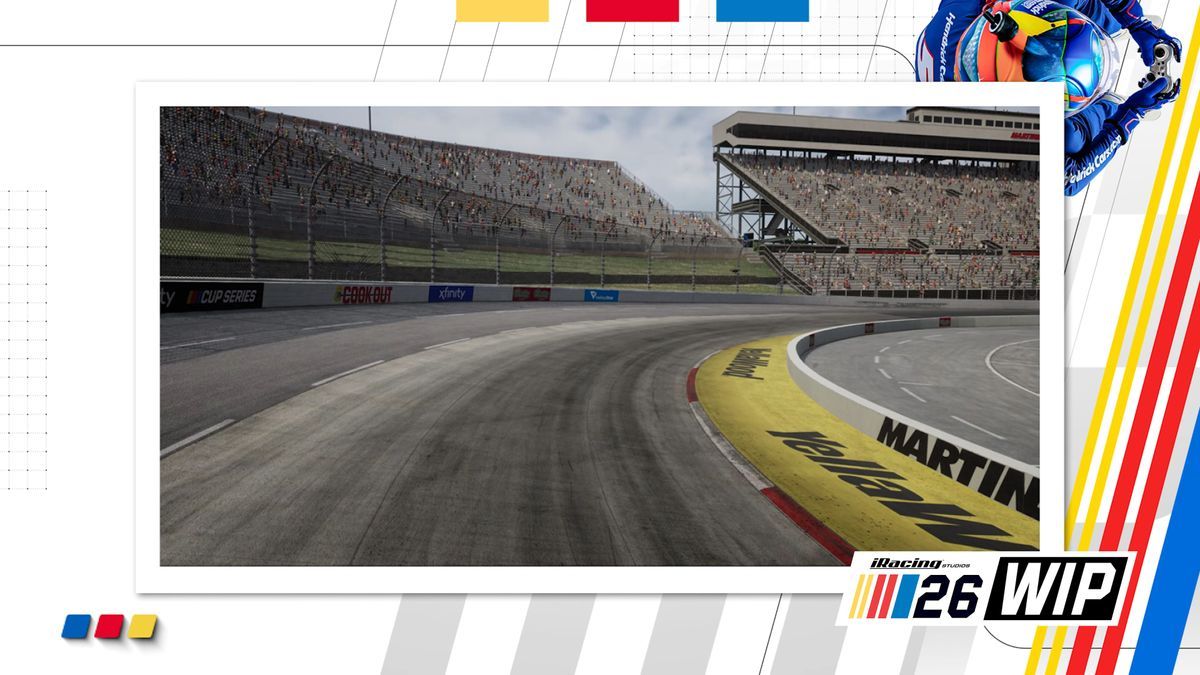
Image: windowscentral.com
NASCAR 26 finally shows its hand, and the track surface is the headline
NASCAR and iRacing Studios have released the first official NASCAR 26 gameplay trailer and opened pre-orders, confirming a Sept. 18 launch for PlayStation 5, Xbox Series X|S, and PC via Steam. The strongest new detail is Dynamic Track technology, a system NASCAR’s official release says will make tracks evolve across a race weekend, alongside cross-platform multiplayer, an enhanced driving model, burnout celebrations, a standalone mode based on The Chase, and a new Peak Performance training mode.
That feature list is broad, but Dynamic Track is the one that changes the racing question most directly. A NASCAR game can add modes, cameras, and presentation layers without altering how a player drives lap to lap. A changing surface can alter braking references, throttle timing, tire management, preferred lanes, and setup priorities if the simulation follows through. That is the tension around this reveal: NASCAR 26 is being pitched as a major step toward a more authentic console stock-car sim, but the trailer and official materials still leave open how deep the track-state model will be in long races, career weekends, and online play.
Operation Sports reports that pre-orders opened with a Standard Edition priced at $59.99 and a Gold Edition at $79.99. The Gold Edition includes three days of early access beginning Sept. 15, four monthly paint scheme DLC packs, 1,000 Career Mode Rep Points, a $10,000 Career bonus, and additional content. Those details make the trailer more than a marketing beat for returning players. Buyers now have to decide whether the handling and surface changes sound meaningful enough to commit early, or whether to wait for hands-on impressions closer to launch.
How Dynamic Track could change NASCAR 26 race strategy
The confirmed promise is that NASCAR 26 dynamic tracks will change racing conditions as an event progresses. NASCAR’s release and Jayski’s reproduction of it describe a dynamic track feature that evolves over the course of every race weekend. Operation Sports adds that the system changes the surface through a race weekend, while Insider Gaming says track condition changes can lead to strategy shifts. Shane the Gamer, citing the reveal and surrounding details, describes rubber building up on the racing surface while grip levels, debris, lighting, and weather conditions push players to adjust.
The practical racing effect, if the system behaves as described, is that the fastest line at the start of practice should not automatically remain the safest or quickest line late in a race. Operation Sports’ coverage of a developer diary says tracks can begin a weekend in a “green” state with little rubber on the surface, then evolve through practice, qualifying, and the race. In racing terms, a green track usually means lower grip, less predictable corner entry, and more sensitivity to overdriving. As rubber goes down, the groove can gain grip, and alternate lanes may become viable depending on how the model treats buildup and marbles.
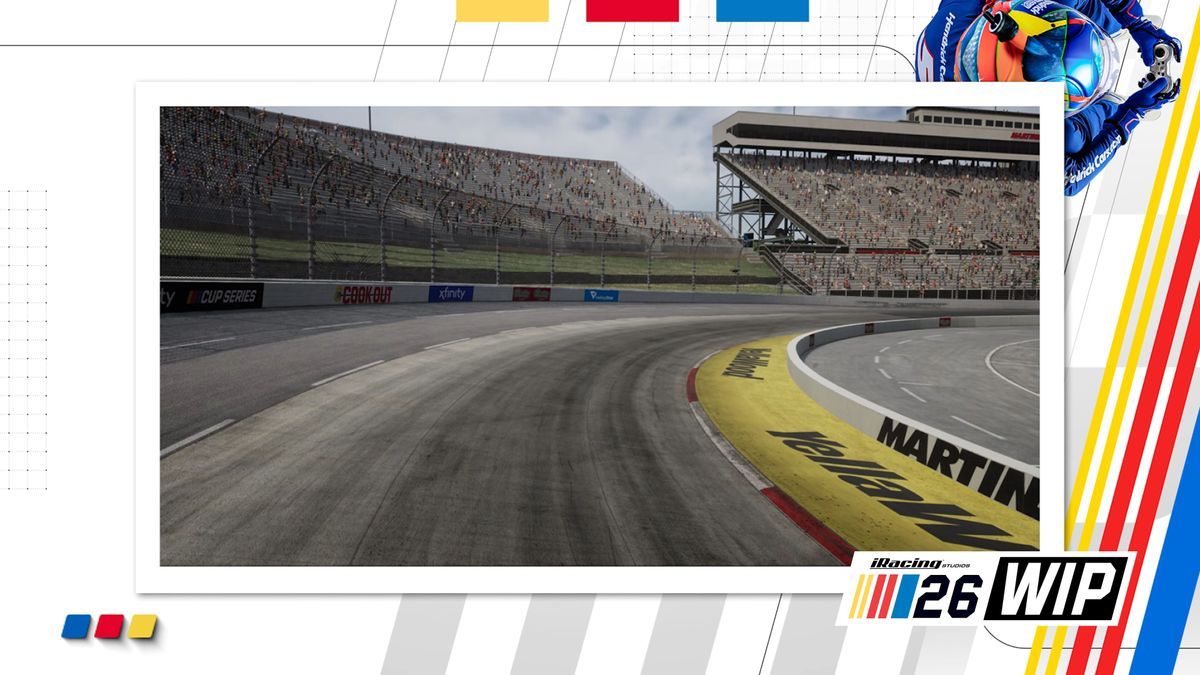
For a player, that can turn strategy into a moving target. A car that feels stable in qualifying trim may become too tight or too free after the surface rubbers in. A conservative setup that protects the rear tires early may lose rotation once grip increases. On short tracks such as Martinsville, where the included media shows surface condition changes, the difference could be felt in how early the player can trail brake, how soon the throttle can be picked up at corner exit, and whether the preferred groove remains pinned to the bottom or widens with use.
There is also a pit strategy implication. If rubber buildup and debris are persistent enough, late-race tire calls may become less obvious. Fresh tires on a dirty or under-rubbered lane can still be tricky. Older tires on a heavily rubbered groove might remain usable for longer than expected. NASCAR 26 has not yet shown the full mechanical rules behind this system, so that remains an expectation rather than a confirmed behavior. Still, the disclosed direction is clear: iRacing Studios wants players to react to a changing surface rather than memorize a single braking point and repeat it for an entire event.
The handling package is being rebuilt around that idea
Dynamic Track would have limited value if the car model could not communicate changing grip. That is why the supporting NASCAR 26 new details matter. Operation Sports reports an improved driving model with overhauled tire and braking models, better driver AI, enhanced calibration tools for controls and force feedback, and a 750-horsepower package. Jayski’s version of the official feature list also mentions a particle system meant to enhance smoke, debris, and rubber buildup.
For sim-leaning players, the important phrase is not simply “improved physics.” It is the combination of tires, brakes, force feedback, and surface state. Stock-car handling depends on load transfer and tire temperature cues that can be easy to flatten in a console racer. If the tire model has more believable falloff and the braking model gives better feedback near lockup, Dynamic Track can become something a player feels through corner entry rather than something seen only in darker racing lines on the asphalt.
Controller and wheel users will be watching different parts of this. Operation Sports says NASCAR 26 includes enhanced calibration tools for controls and force feedback, which is a meaningful signal for wheel players who found older console NASCAR releases too vague or too canned through the rim. Controller players need assists and input filtering that still allow small corrections when grip changes. The sources confirm improved calibration tools, but they do not specify supported wheels, platform-by-platform force feedback behavior, frame-rate targets, or PC system requirements. Those remain key unanswered technical questions.
The 750-horsepower package is another sim-facing detail, though the sources do not provide a full rules breakdown. In broad handling terms, more power raises the cost of impatient throttle application, especially on worn tires or a low-grip lane. If NASCAR 26 links that power delivery to evolving surface grip and overhauled tire behavior, the game may reward smoother exits and better long-run discipline. That is an interpretation based on the announced systems, not a confirmed performance claim.
Modes and race-weekend structure are being used to support the sim pitch
NASCAR 26 is not being sold only through its driving model. NASCAR’s official release lists cross-platform multiplayer, The Chase as a standalone mode, burnout celebrations, and Peak Performance training mode. Operation Sports adds an enhanced career mode with a new facilities feature and team upgrades, plus Career, Quick Race, Championship, Multiplayer, and the standalone Chase mode as ways to play. Insider Gaming also cites an improved paint kit, race shops, better replay cameras, an “involved in caution” screen, a trophy room, and other presentation updates.
The mode structure matters because Dynamic Track is most convincing when it has a weekend rhythm. Practice, qualifying, and the race each give the player a reason to read the track differently. If career mode facilities and team upgrades affect car development, setup direction, or long-run strength, then the evolving track can become part of the player’s broader season planning. The sources confirm facilities and upgrades, but they do not explain how deep those systems go or how directly they interact with setup, tire wear, or AI pace.
Peak Performance training mode could be especially useful if NASCAR 26 is leaning harder into simulation. A dynamic surface raises the learning burden. Newer players need to understand why a car that felt fine five laps ago suddenly pushes wide or steps out under throttle. The official materials confirm the mode exists and Operation Sports says it is designed to help drivers sharpen their skills, but no source here gives lesson types, telemetry tools, scoring criteria, or whether the mode teaches oval-specific technique such as brake release, line adaptation, or tire saving.
Cross-platform multiplayer is the other major practical addition. NASCAR and iRacing Studios say cross-platform play will bring the community together, and Operation Sports states that it allows players on different platforms to race together for the first time. For a NASCAR racing game, that could help lobby health across PS5, Xbox Series X|S, and PC. The open question is competitive consistency. Dynamic surfaces, force feedback differences, controller tuning, and platform performance all matter more when the same race includes players across different hardware.
Tracks, series, and presentation show a broader authenticity push
The trailer also confirms a larger content and presentation pass. Operation Sports reports that Kyle Larson appears on the cover and that four NASCAR national series return with real-world drivers. Its list names the NASCAR Cup Series, Xfinity Series, Craftsman Truck Series, and ARCA Menards Series. Jayski’s version of the official release names the NASCAR Cup Series, O’Reilly Auto Parts Series, Craftsman Truck Series, and ARCA Menards Series. That creates a naming discrepancy across the provided reports, likely tied to series branding, but the shared point is that four national series are included with real drivers.
New tracks are another confirmed piece. Operation Sports and Jayski list Qualcomm Circuit at Naval Base Coronado, Chicagoland Speedway, and St. Petersburg. The inclusion of different track types is relevant to the Dynamic Track pitch because the system needs to work across ovals, road courses, and street-style layouts. A rubbered-in short track should not feel like a rubbered-in road course. Chicagoland asks for sustained high-speed balance, Martinsville stresses braking and rotation, and St. Petersburg would put a premium on traction zones and surface change if represented with enough fidelity.
Visual upgrades are part of the same authenticity push. Operation Sports cites improved graphics, skies, dynamic lighting, and replay cameras. Jayski’s official-feature list also mentions dynamic lighting and improved replay cameras, while the particle system is said to enhance smoke, debris, and rubber buildup. Those details can help sell the track-state model visually, but presentation alone will not satisfy sim-leaning players. The surface has to influence lap time and car behavior in a readable way.
There are smaller details that point toward race procedure and consequence. Operation Sports lists safety violations and DNFs, and Insider Gaming mentions an “involved in caution” screen. If those systems are implemented with enough clarity, NASCAR 26 could make race management less binary than simply winning or restarting. The sources do not yet specify damage depth, caution logic, penalty options, online enforcement, or whether DNFs can be mechanical, crash-related, or both across all modes.
A second iRacing Studios NASCAR entry with higher expectations
The reveal lands in the context of NASCAR 25, iRacing Studios’ previous franchise entry. GamingBolt describes NASCAR 26 as iRacing’s “second stab” at the franchise and says its review of last year’s iteration found an ambitious effort that needed refinement. Shane the Gamer frames NASCAR 26 as the second console release since iRacing Studios took over development duties from Motorsport Games, and says this year’s build leans on player feedback gathered after NASCAR 25 launched last October.
That history changes how the trailer should be read. NASCAR 26 is not an unknown studio making broad promises from scratch. It is iRacing Studios trying to move its console NASCAR game closer to the strengths associated with its simulation background while still selling a boxed annual-style release across console and PC. The official NASCAR quote from Nick Rend, reproduced by Jayski, says NASCAR 26 takes a step forward “from how the cars drive and tracks evolve to cross-platform play.” Matt Lewis, iRacing Studios’ vice president and senior producer, is also quoted by Jayski saying Dynamic Track Technology means conditions evolve throughout a race weekend.
For players who want a sim-leaning NASCAR 26 racing game, the encouraging signal is that the headline systems are connected. Dynamic Track, revised tires, braking changes, force feedback calibration, AI work, and training tools all point in the same direction. The caution is that the trailer is still a controlled reveal. None of the provided sources includes independent hands-on testing, performance analysis, wheel compatibility verification, AI racecraft assessment, or long-run tire data.
That makes the best buying advice straightforward. If you already know you want the next NASCAR game at launch and value early access, the Gold Edition has a clear Sept. 15 start date and listed bonuses. If your interest depends on whether NASCAR 26 truly behaves like a deeper stock-car sim, wait for extended gameplay, wheel impressions, and career-mode details. Dynamic Track is the right feature to build around, but its success will be measured in the middle of a fuel run, not in a trailer cut.