
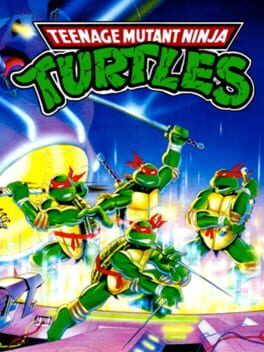

Magic: The Gathering’s Teenage Mutant Ninja Turtles Universes Beyond set is packed with deep‑cut TMNT references, from a 1996 Japanese anime to NES nightmares. Here’s how the cards honor decades of Turtles history, plus a quick buyer’s guide to the Commander deck, boosters, and Draft Night box.
Magic: The Gathering’s latest Universes Beyond set does not just put the Teenage Mutant Ninja Turtles on cards. It acts like a time machine for the entire franchise, pulling details from comics, cartoons, toys, arcade cabinets, and even a 1996 Japanese anime many fans have never heard of.
If you grew up on VHS tapes and rental-store NES carts, this is the most old‑school crossover Magic has ever printed.
From Sewers To Shandalar: What This TMNT Set Actually Is
Magic: The Gathering | Teenage Mutant Ninja Turtles is a full Universes Beyond release, hitting tabletop in March 2026. It brings the Turtles and their extended cast into Magic as a self‑contained setting with its own Draft format, Commander deck, and collector‑focused products.
The core set appears in Play Boosters and Collector Boosters, with an Eternal‑legal subset for Commander and Legacy players. There is one preconstructed Commander deck, Turtle Power!, plus a Draft Night box that turns the release into a ready‑to‑run party kit.
Under the hood, the set is built around creature‑centric gameplay that leans into TMNT’s scrappy team‑up action. Mechanics like Alliance (rewarding you for creatures entering the battlefield) and a heavy +1/+1 counter theme mirror the way the Turtles snowball from four sneaky street‑level heroes into a full squad of mutants and allies.
The Deepest Cut: Leonardo, Cutting Edge And The 1996 TMNT Anime
The wildest lore reference in the entire product line is a special variant of Leonardo, Cutting Edge that swaps his familiar blue headband look for a tall, sharp‑masked superhero design. This is not just a random anime take on Leo. It is directly pulled from Mutant Turtles: Superman Legend, a pair of Japanese OVA episodes released in 1996.
In the mid‑90s, the TMNT franchise was in a slump. The third movie underperformed, the original cartoon was fading, and toy sales were slipping. To give the brand a jolt, Playmates funded two anime specials in Japan with Bee Media and Tsuburaya Productions. Each was basically a toy commercial with its own lore, designs, and power‑up gimmicks.
The first episode introduces Mutastones, magical gems that let the Turtles transform into taller, sleeker "Super Turtles" with pointed, Wolverine‑style masks and a bold T emblem on their chests. Splinter becomes more muscular, Shredder and his lackeys get powered‑up forms, and the whole cast leans into high‑energy superhero melodrama.
That precise Supermutant Leonardo design is what Wizards of the Coast chose for the Leonardo, Cutting Edge variant. It is a card that will read as "cool alternate art" to casual players but as a jaw‑dropping deep cut to anyone who remembers importing murky VHS fansubs or stumbling across screenshots on old web forums.
Saint Mutation, Devil Shredder, And Other Anime‑Level Nonsense
Mutant Turtles: Superman Legend goes even further than just new costumes. Krang awakens an evil fairy named Dark Mu who turns Shredder into Devil Shredder, then into a kaiju‑sized Dark Devil Shredder. The Turtles respond by fusing together via their Mutastones into a winged, white‑skinned being called Saint Mutation, but only for 100 seconds at a time.
Magic’s TMNT set hints at these story beats in several ways. Leonardo, Cutting Edge focuses on leading a team and scaling up your board as you attack, a nod to Leo’s role as the focal point of the Supermutants power‑up. Other Source Material bonus‑sheet cards in the set pull keyframes and character designs from across TMNT history, including the anime, and present them in borderless frames that look more like animation cels than standard Magic cards.
If your memory of TMNT begins and ends with the 1987 cartoon, these anime references will feel surreal. To old‑school collectors and toy obsessives, though, it is a rare case of Wizards validating a long‑ignored, deeply regional corner of Turtles canon.
NES Nightmares, Arcade Cabinets, And VHS Deep Cuts
The anime callback is only one part of the nostalgia trip. A big chunk of the Turtle Power! Commander deck and the wider set riffs directly on classic TMNT games and home‑video culture.
Cards like Arcade Cabinet, High Score, and Game Over frame TMNT through the lens of a late‑80s or early‑90s arcade. They evoke memories of Konami’s four‑player TMNT cabinet and its SNES and Genesis follow‑ups with mechanics that reward going wide, teaming up, and smashing through blockers in one huge swing.
Electric Seaweed digs into the darker side of that nostalgia. It references the frustrating swimming stage from the 1989 NES Teenage Mutant Ninja Turtles game, one of the most notorious difficulty spikes of the 8‑bit era. In Commander, the card functions as a nasty tempo or control piece, but if you know the source, every cast is a callback to hours spent trying not to brush a single pixel of glowing seaweed.
Even noncreature spells like Fast Forward and Shellshock play into the feeling of watching cartoon marathons taped off TV, or fast‑forwarding through bad live action segments to get to another animated fight.
The Turtle Power! Commander Deck: Who It Is For
Turtle Power! is the lone preconstructed Commander deck tied to the set, but it is loaded. Wizards designed it as a nostalgia bomb that also functions as a clean on‑ramp to multiplayer Magic.
The deck comes with a full 100 cards, featuring all four Turtles, Splinter, and a five‑color Heroes in a Half Shell team‑up card that lets you play the whole squad as a single commander. It also includes a generous spread of new TMNT‑themed legends like Casey Jones, April, Krang, Bebop, Rocksteady, and more obscure faces like Tempestra and Rat King.
Mechanically, Turtle Power! leans on Alliance triggers, token production, and +1/+1 counters. The goal is to curve out with small mutants and allies, then snowball into a board that can swing for lethal using team‑based payoff cards. It is a style that feels closer to classic, creature‑combat Magic than many recent combo‑heavy precons.
If you are a lapsed player who mainly wants to sit down, shuffle, and play "Turtles vs anything" at the kitchen table, this is the product to buy first. It is ready out of the box and offers more obvious TMNT flavor per dollar than hunting specific singles.
Play Boosters vs Collector Boosters: Which Turtle Packs To Open
The TMNT set uses Magic’s modern dual‑booster model, and the two main pack types serve very different audiences.
Play Boosters are the draftable workhorses. Each pack combines the roles of Draft Booster and Set Booster, mixing commons, uncommons, a rare or mythic, and at least one foil. You can use them for Limited play at a store event or just crack them for a steady flow of TMNT cards to flesh out your Commander deck.
Collector Boosters are the premium chase product. These packs focus on foils, alternate frames, and special Source Material variants that pull art from every era of Turtles history, including the Mutant Turtles: Superman Legend anime design for Leonardo. If you care more about filling a binder with wild treatments and anime‑style frames than about maximizing raw card volume, Collector Boosters are where the deep‑cut references live.
From a value perspective, Play Boosters are usually the most efficient starting point if you plan to build multiple decks or play Limited. Collector Boosters make more sense if you already know which cards you want and you specifically care about alternate art, textured foils, and similar collectibles.
The Draft Night Box: TMNT As A One‑Night Event
New for this release is the Teenage Mutant Ninja Turtles Draft Night box. It is essentially a self‑contained limited event in one purchase, built around a fast "pick two" draft format for four players.
Inside the box you get:
A stack of TMNT Play Boosters tailored for a four‑player draft, a promo, accessories like a life‑tracking die, and a single Collector Booster to crown the winner.
If you have three friends who are at least moderately familiar with Magic, this is arguably the most fun way to experience the set for the first time. The pick‑two draft rules keep things moving quickly, the smaller pod means you see more of the set’s characters per event, and the winner‑takes‑the‑Collector‑Booster prize structure gives the night a clear story arc.
For newer players who mostly care about TMNT, the Draft Night box works best if at least one person at the table can explain Limited basics and deck construction. It is less of a long‑term product than a themed board‑game night that happens to revolve around real Magic cards.
Quick Buyer’s Guide: What To Get Based On Your Fandom
If you want the shortest path from "I like TMNT" to actually playing, start with the Turtle Power! Commander deck. It is a complete, playable experience anchored around the core cast and packed with nostalgia references, including NES and arcade nods that will hit home for anyone who grew up in the 80s or 90s.
If you are a collector or lifelong Turtles historian, prioritize Collector Boosters. That is where you will find the Mutant Turtles: Superman Legend variant of Leonardo, Cutting Edge and other Source Material cards that use art from obscure corners of the franchise.
If you care most about gameplay variety or you enjoy drafting with friends, grab Play Boosters or the Draft Night box. The Draft Night box is especially good if you want a single purchase that supports a four‑player event with a prize structure right out of an arcade challenge.
Finally, if you are both a Magic player and a Turtles loyalist, consider pairing the Turtle Power! precon with a handful of singles from Collector Boosters. That way you get a deck you can play immediately, and you can upgrade it over time with the anime variants, NES callouts, and other deep‑cut cards that speak directly to your personal slice of TMNT history.
Magic’s TMNT Universes Beyond set works because it treats that history as more than just marketing. From Supermutant Leonardo to Electric Seaweed, it feels like the designers combed through decades of cartoons, toy lines, and imported tapes specifically to reward the fans who never stopped shouting "Cowabunga" at their TV.