
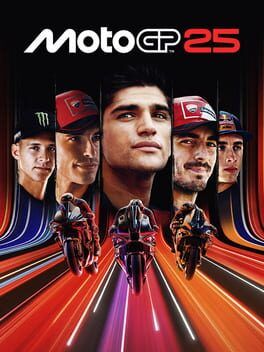
Milestone’s latest MotoGP finally hits both Nintendo Switch systems, with a new rider‑based handling model that tries to balance realism, accessibility and true pick‑up‑and‑play portability for racing fans.
MotoGP 26 is quietly shaping up to be one of the most interesting third‑party racers on Nintendo hardware this year. Not because it looks set to dethrone dedicated sims on PC or PS5, but because Milestone is deliberately steering its official bike series into “sim‑lite” territory at the exact moment it lands on both Nintendo Switch and the more powerful Switch 2.
For racing fans who live on handhelds during commutes and couch sessions, that combination of portability and a friendlier physics model could finally make a modern MotoGP game feel at home on Nintendo’s platforms.
Two Nintendo Versions, Two Different Expectations
Milestone and MotoGP Sports Entertainment Group have confirmed that MotoGP 26 launches on April 29, 2026 for both Nintendo Switch and Nintendo Switch 2, alongside PC, PS5 and Xbox Series consoles. What matters most for Nintendo players is that this is not a cloud experiment or a delayed port. Nintendo consoles are in the first wave, on the same date as everyone else.
The fine print across publisher notes and press sites paints a clear picture, though. Switch 2 gets “the full experience,” matching other current‑gen platforms with the complete physics overhaul, expanded 3D paddock‑style Career mode, and full‑size online grids. The original Switch version is described more than once as a “cut‑down” edition, with some compromises in presentation and systems.
Even so, both versions share the core handling revamp that defines MotoGP 26, and that is exactly what makes this release relevant for sim‑lite fans who prefer Nintendo hardware.
Rider‑Based Handling: What Actually Changed?
For years, Milestone’s official MotoGP games treated the bike as the primary object you were pushing around the track, with assists layered on top for players who did not want the full sim treatment. MotoGP 26 flips that approach. You no longer directly “steer the bike” so much as you manage the rider’s body, weight transfer and inputs, with the bike reacting more believably underneath you.
In practical terms, the studio describes three intertwined changes.
First, input is now mapped around the rider as the reference point. As you lean, shift weight, and modulate throttle and brake, the game’s new physics system calculates how the bike loads up, grips and slides. That sounds subtle, but it should make quick flicks and mid‑corner corrections more natural on a handheld stick, since you feel like you are guiding a person, not wrestling a rigid object.
Second, Milestone has reworked cornering behaviour so that micro corrections are easier and more effective. Official materials talk about “micro corrections to the trajectory, even during the exit, just like in real life.” In past entries tiny mistakes could snowball, forcing you wide with little chance to save the lap. Here, being able to trim your line in the last third of the corner should make aggressive, on‑the‑edge riding more viable on a small screen where depth perception is not perfect.
Third, bike reactions are now more tightly tied to context. Dynamic Rider Ratings feed into how each rider behaves under braking, in dirty air and while recovering from mistakes. In theory it means Marc Márquez or Pecco Bagnaia should feel different to a back‑marker, without demanding that the player master an entirely new physics vocabulary for every bike.
All of this is still filtered through Milestone’s long history of chasing authenticity, but the studio’s language this year is less “pure sim” and more “race like the real riders, with tools that help you get there.” That reads as a deliberate nudge toward sim‑lite territory, especially on platforms where many players arrive from Mario Kart or arcade racers.
Accessibility On A Handheld Screen
The obvious question is whether this new handling direction makes MotoGP 26 more approachable for players who treat the Switch as a pick‑up‑and‑play machine. Several systems suggest that is exactly the goal.
Because the rider is the anchor point, the game can use assists to smooth the bike’s more punishing behaviours without feeling like it is driving for you. Stronger traction control, more forgiving front‑end washouts and subtle steering aids can all sit behind that rider model, nudging you back toward the ideal line rather than snapping control away.
On a handheld, that matters. Joy‑Con sticks are short‑throw and less precise than a full‑size pad or wheel. Being able to lean a little too hard or brake a touch too late, then rescue the lap with an in‑corner body shift and gentle throttle lift, fits that “sim‑lite” fantasy of riding like a pro without needing pro‑level hardware.
Dynamic Rider Ratings also double as a soft difficulty system. AI opponents and even your own created rider evolve across a season, so early races should be more forgiving while you learn how the new physics wants to be driven. As you improve, rivals ramp up, their confidence under braking and mid‑corner speed climbing alongside yours.
Layer this over the usual adjustable assists and you get a game that can be tuned closer to an authentic bike sim on Switch 2, or closer to a technical but friendly racer on a launch‑era Switch OLED during a train ride.
Portability For Sim‑Lite Fans
Pure physics are only half the story for anyone considering MotoGP 26 as their portable racing game for the year. The other half is how well its structure fits into short, handheld sessions.
Milestone is leaning into a denser Career mode with a 3D paddock hub, mid‑week management, media obligations and staff interactions. On a living room console that can come across as immersive. On the go, it risks becoming friction between you and the next race.
The saving grace is that races themselves remain modular. It is still possible to tweak weekend length, practice and qualifying demands, and race distance. A quick three‑lap sprint around Mugello in handheld mode, with assists turned up and the new handling doing the heavy lifting, is a very different prospect to a 100 percent distance race on a wheel, but both styles live in the same framework.
If Milestone keeps loading times reasonable on the original Switch, MotoGP 26 could slide into the same niche as portable F1 games on older handhelds: a title you dip into for a race or two in bed, using the assists and rider‑based physics as a safety net, then grind longer stints on docked hardware or on Switch 2.
Switch Versus Switch 2: What To Expect
The big unknown right now is exactly how much the original Switch version will be pared back. Wording on several announcement posts points to visual and systemic compromises. Expect scaled‑back trackside detail, lower resolution and pared‑down crowd and weather effects there, while Switch 2 should be closer to the PS5 and Xbox Series builds.
Handling and physics, however, appear to be sacred. Milestone is talking about the same core riding experience everywhere, which is good news for anyone eyeing a Switch 2 but not ready to upgrade on day one, or for families with a mix of devices. You should be able to learn the bikes on an older Switch and then carry that muscle memory over if you later jump to the new hardware.
Online is an area where Nintendo’s platforms are treated more cautiously. Cross‑play is confirmed for other systems, but official details repeatedly carve out an exception for Nintendo hardware. That means Switch and Switch 2 owners are likely to be racing within their own smaller ecosystems rather than across the full player pool.
For sim‑lite fans that might not be a deal‑breaker. Local split‑screen and portable hot‑lap chasing can still carry much of the fun, especially if you are more interested in mastering the physics than in ranked online competition.
What It Signals For Racing On Nintendo In 2026
More interesting than any single feature is what MotoGP 26 represents for Nintendo racing fans this year. It is an annual, licensed sim series arriving on both generations of Switch hardware on time, with a meaningful physics refresh instead of a bare‑bones roster update.
Historically, serious racing support on Nintendo systems has been patchy. First‑party arcade hits dominate, while full simulation experiences either skip the platform or arrive years late. Seeing Milestone commit to a same‑day Switch 2 version and a tailored build for the original Switch suggests that Nintendo’s next hardware is being treated less as an afterthought and more as a genuine home for multi‑platform racers.
If Switch 2 really can host decent versions of titles like MotoGP 26 without leaning on cloud streaming, the door opens for a healthier ecosystem of “sim‑lite” ports: racers that aim for authenticity but are flexible enough to live on a handheld screen. For players who want more nuance than Mario Kart but less punishment than hardcore PC sims, that is a compelling place for the platform to land.
The Bottom Line For Portable Racing Fans
MotoGP 26 is not reinventing motorcycle games from the ground up, but Milestone’s rider‑focused handling shift arrives at an ideal moment for Nintendo’s hybrid future. On both Switch and Switch 2, it promises a style of riding that feels more human, more saveable and more adaptable to the quirks of handheld play.
If you are a sim‑lite racing fan who spends most of your time on Nintendo hardware, this dual‑platform launch is worth watching. The original Switch version might be visually compromised, and online limitations are a shame, but the idea of a robust, official MotoGP season that you can lap in bed or on the bus with genuinely improved physics is exactly the kind of support many have been waiting to see on a Nintendo system.
If Milestone sticks the landing, MotoGP 26 could become the template for how serious racing games live on Switch 2 for the rest of this generation.