
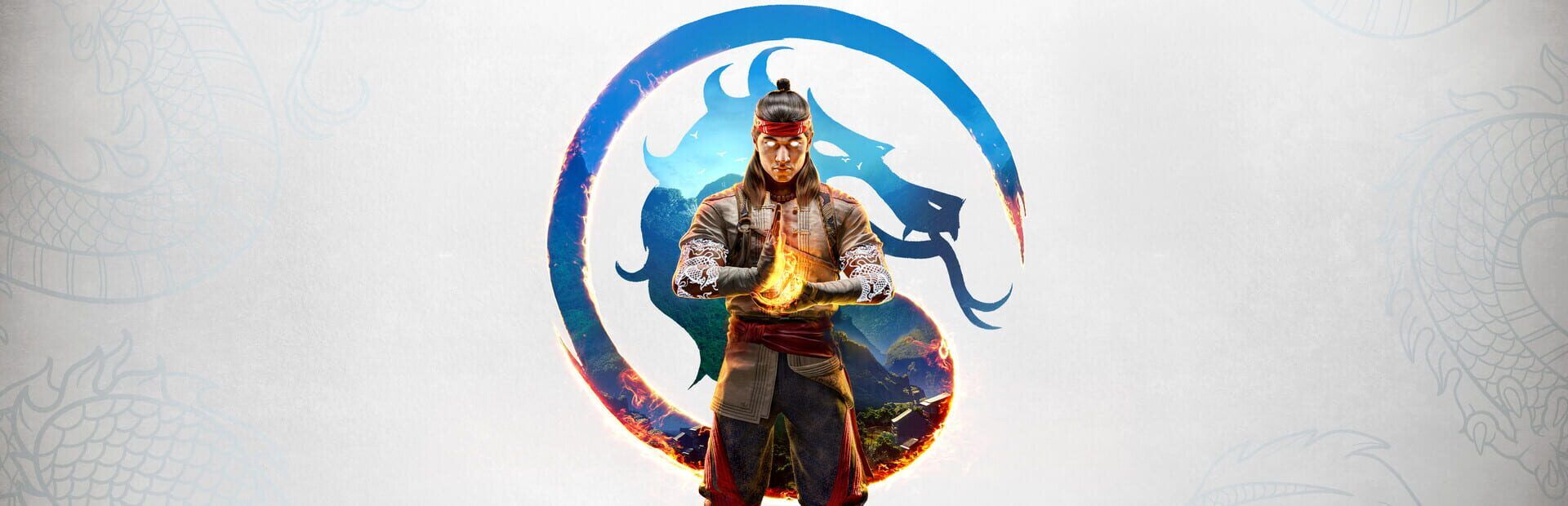

Mortal Kombat II’s strong preview numbers and aggressive cross-promo strategy signal that Warner Bros. is treating the series as a multi-front fighting brand, not just a movie or a game. Here is what that means for WB, NetherRealm, and the wider fighting game ecosystem.
Mortal Kombat II has not even reached its first full weekend and it is already behaving like a flagship franchise for Warner Bros. Discovery. With roughly $5.2 million from Thursday previews and IMAX fan screenings, and projections in the $65 million to $80 million global range for opening weekend, the sequel is tracking well above what most fighting game adaptations could have expected a decade ago.
For WB and NetherRealm, this is less about a single movie overperforming and more about proving that Mortal Kombat can function as a durable, cross-medium fighting brand alongside giants like Marvel and Star Wars. The strategy around Mortal Kombat II reveals how the company is thinking about long-tail value, game sales and the broader health of the fighting genre.
A sequel built on 2021’s hybrid success
The 2021 Mortal Kombat reboot arrived in the middle of the pandemic as a day-and-date HBO Max and theatrical release. That film topped the U.S. box office on opening weekend while also becoming one of HBO Max’s most-watched titles of the year. It had limited runway in theaters, but it embedded the modern take on the franchise in a much wider audience than the core tournament scene.
Mortal Kombat II is the payoff to that experiment. The sequel has the benefit of a traditional theatrical window, stronger premium format support and a fanbase that has already shown up for both the game and the film. Early preview revenue landing in the mid single digit millions ahead of its first full day is proof that audiences are willing to treat this as an event, not a curiosity.
From an industry perspective, this is exactly the sort of second-chapter growth Wall Street likes to see from a transmedia play. The first entry establishes the IP in a new format. The second tests whether the audience will actually deepen its investment when you move back to a more conventional business model.
WB’s “fight universe” playbook
Warner Bros is not marketing Mortal Kombat II in isolation. The Polygon report on the Microsoft Rewards promotion, which gives users a free copy of the 2021 film for completing a week-long Bing punch card, illustrates how broadly the studio is willing to spread the brand. The tasks quietly funnel people through the Mortal Kombat ecosystem: watch the MK2 trailer, visit the Xbox store page for Mortal Kombat 1, check showtimes, tap into the soundtrack.
This is not a simple awareness campaign. It is an onboarding funnel built around low-cost content. The 2021 movie is now essentially a lead-generation tool for MK2 ticket sales and for Mortal Kombat 1, which remains WB’s current tentpole fighting game. Every new owner of that film has a reason to sample the sequel and then check what the modern games look like.
On the theatrical side, WB has aligned MK2 with premium screens and is leaning into IMAX previews as a fanservice play. That is consistent with how the studio treated releases like Godzilla x Kong. Fighting fans are being encouraged to experience these fatalities on the biggest possible canvas, which also happens to be the priciest ticket tier.
The result is a media mix where streaming, loyalty programs, theatrical exclusivity and console storefronts are all in service of the same goal: extend the Mortal Kombat universe across formats while keeping the cost of entry artificially low at the top of the funnel.
What it means for NetherRealm and the mainline games
For NetherRealm, strong early box office for MK2 does not just mean bragging rights, it reinforces the studio’s position inside WB’s portfolio. Mortal Kombat 1 already launched in 2023 as a complete reboot of the story timeline, designed to be an accessible on-ramp for new and lapsed players. The film franchise now mirrors that reset, with a cast and tone that are easier for casual audiences to parse than the lore-heavy later games.
If MK2 sustains its trajectory over the next few weeks, NetherRealm gets powerful leverage for the next few years of planning. Bigger and more frequent cinematic projects tend to translate into:
Cross-promotional content in the live game, from movie-inspired skins and gear sets to limited-time events framed around film characters and locations.
Marketing support that can treat new game releases as pillars in a broader Mortal Kombat calendar instead of isolated launches. A future Mortal Kombat 2 or 3 on the game side can be positioned as part of an ongoing screen-to-stick narrative, not just the next numbered fighter.
More confidence from WB to invest in experimental formats around the IP, such as animated series, streaming specials or even esports doc projects that lean into MK’s tournament culture.
The more that Mortal Kombat behaves like a multi-platform entertainment universe, the easier it is for NetherRealm to justify long-term content roadmaps and more ambitious updates for its fighting systems.
Fighting games as brand platforms, not niches
The real significance of Mortal Kombat II’s early numbers is what they say about fighting games as media properties. For decades, the genre has been treated as a relatively narrow competitive niche compared to shooters, open-world games or sports sims. Yet publishers are increasingly discovering that fighting IPs punch above their weight when translated to film and television.
Capcom and Legendary saw that with Street Fighter’s renewed slate of projects. Sega experienced it with the Sonic films, which helped prime audiences for Sonic Superstars and retro compilations. For WB, Mortal Kombat may be the clearest proof that a fighting game universe with bold, readable character designs and simple, archetypal rivalries can travel more easily than complex RPG worlds.
MK2’s strong preview performance helps dispel two persistent myths. The first is that video game movies inevitably underperform or rely strictly on built-in fans. Audience turnout suggests a much broader action crowd is now comfortable embracing game adaptations as mainstream popcorn entertainment. The second is that hard-R genre projects cannot anchor a wide brand ecosystem. Mortal Kombat is as violent and self-aware as ever, yet it is also becoming one of WB’s most flexible IPs.
The risk and reward calculus for WB
This success does not come without risks. Mortal Kombat 1’s launch on Nintendo Switch was widely criticized for technical issues, and the community is vocal when DLC or live-service decisions feel predatory. If WB leans too hard into monetization on the game side while using the films as constant hype engines, the goodwill that currently drives theater turnout could erode.
There is also the question of fatigue. MK2 is part of a larger wave of game adaptations that includes projects like The Last of Us and Fallout on television. If audiences begin to see these as formulaic extensions of game marketing plans rather than stories that stand on their own, the box office premium around films like MK2 could evaporate quickly.
But for now, the calculus looks favorable. Mortal Kombat II appears poised to deliver a solid to strong opening frame, and the promotional ecosystem around it is sophisticated in ways that were rare for game movies even five years ago. WB is using every touch point it controls, from Microsoft Rewards to HBO Max and console storefronts, to make the MK universe feel continuously present without demanding constant full-price purchases.
A template for the next generation of adaptations
If MK2 holds its ground in the weeks ahead, expect other publishers to study the blueprint. A few lessons stand out. Start with a reboot that is clear enough to onboard new viewers. Pair the second film or season with a modern, actively supported game entry. Use low-friction promotions, free streams and loyalty rewards to seed the back catalog. Reserve premium theatrical experiences for the moments when the universe takes a big swing.
For NetherRealm and the Mortal Kombat brand, that approach could translate into a more stable cadence of games, films and live content that all speak to each other without overwhelming fans. For the wider fighting game ecosystem, it signals that the genre can sustain multi-year, multi-platform storytelling in a way that supports esports scenes, collectible merchandising and evergreen back catalog sales.
Mortal Kombat II’s early box office results are not just a win for a single movie. They are another data point that fighting games and their worlds can anchor serious, long-term media strategies. If the sequel’s strong start turns into sustained momentum, it will help solidify Mortal Kombat as a central pillar of WB’s broader franchise strategy and could encourage other fighting brands to step into the ring with similar ambitions.