
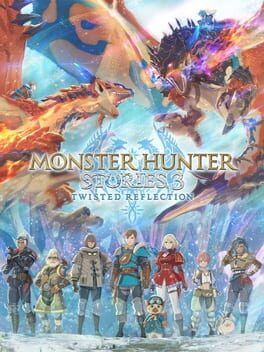
How puzzle‑boss invasions and rare endangered monsties turn Monster Hunter Stories 3’s postgame into a deep RPG hunting loop.
Monster Hunter Stories 3 looks like a breezy JRPG about raising cool monsties, but its most interesting ideas live in the endgame. Once the credits roll and the map fully opens up, two paired systems quietly take over: Invasive Monsters and Endangered Species.
They are not just side distractions. Together they form a layered loop of scouting, team building, and custom encounters that has players combing every corner of Azuria, Canalta and beyond. If you are wondering what keeps people hooked after the story, it is chasing that last striped egg at the back of a deadly den.
Invasive Monsters: Puzzle bosses that rewrite the fight
On paper, an Invasive Monster is just a tough variant that barges into a den and refuses to leave. In practice, each one is a bespoke combat puzzle that asks you to read the field, bring a specific tool, and play around a single deadly gimmick. You rarely win these fights through raw level advantage. You win because you knew to pack a hammer with a part‑breaking skill or a gunlance with Wyvern Blaze.
Yian Garuga looks like any other angry bird wyvern until you realize the real objective is its legs. If you stroll in with a random greatsword, you are in for a slog. Come prepared with a hammer that can quickly break those parts, though, and the entire encounter flips from attrition to a targeted strike. It is a small twist, but it trains you to think about monsters as more than HP bars.
Other invasives push that idea even further. Plesioth turns its whole fight around its head. Ignore its elemental weakness and it will line up a devastating water attack that can wipe a sloppy party. Focus fire with strong fire damage on its head and you effectively defuse the bomb before it goes off. Seregios adds another wrinkle by announcing its patterns with a colored roar, then daring you to respond with the correct attack type and an area‑of‑effect hammer move to shred multiple parts at once.
These quirks make Invasive Monsters feel closer to MMO raid mechanics than standard JRPG trash fights. You are reading telegraphs, preparing counters, and tuning gear beforehand instead of relying on a single over‑leveled monstie to steamroll everything.
Why retreat, not murder, is the real goal
The clever hook to invasives is that you usually do not need to kill them. Driving them to retreat is what opens the way to the real prize: a rare egg containing an Endangered Species. That small distinction quietly changes how you approach combat.
Because your job is to trigger retreat conditions, you think in terms of breakpoints and status setups rather than simple damage races. Odogaron, for example, only really cracks once you smash its claws with piercing damage and then inflict Mudbogged using a skill like Mud Torrent. Diablos, on the other hand, is all about catching it as it emerges from underground with a Meteor Hammer hit. Pick the wrong weapon or forget that specialized skill and the fight drags on forever.
The retreat focus encourages experimentation with weapons and rider builds. Swapping to a gunlance with Wyvern Fire for the invisible Nerscylla encounter feels meaningful because it is not just about higher numbers, it is about accessing a unique interaction that answers a specific gimmick. Nerscylla’s Invasive Death Scissors cannot be handled with normal attacks while it is invisible. You must meet it on its own terms with the right tool, and that makes finally forcing its retreat feel earned instead of incidental.
Endangered Species: Collection as character building
If invasives are the lock, Endangered Species are the key items you are bending the whole game around. Each endangered monster lives in a carefully hidden den, often in a remote corner of a region, and almost always behind an invasive encounter. Rathian and Canyne are woven directly into the main story so every player sees the structure, but the best of these hunts sit just off the critical path waiting for curious riders.
Azuria’s lakes and cliffs hide their share of secrets. Lagiacrus lurks in a cave near Mirror Lake that you will ride past a dozen times before realizing there is an entrance tucked beside the Catavan Stand. Astalos waits even further out of the way, tucked behind a glide path that only becomes accessible once you have a strong flying monstie in your stable. Both hunts reward players who link their exploration tools to their combat ambitions. You are not gliding just to fill in the map, you are gliding to claim an endgame powerhouse.
Later regions continue that pattern. Canalta Timberland layers vertical routes and hidden waterfalls across its forests and frozen grottos. Knowing there might be a Mizutsune den behind the northern waterfall turns a decorative vista into a lead to chase. Tarukan and Serathis push this to a climax, tucking Zinogre on a mountain that demands careful use of updrafts, or hiding Barioth beyond a cold coastline that only reveals its secret if you take the time to circle the map instead of beelining for the next marker.
The result is that collecting Endangered Species feels like building a curated roster, not filling a Pokédex. Each rare monstie you hatch has a story attached to it: the night you finally beat Shogun Ceanataur after failing to buff Defense Up to survive its claws, or the hours spent guessing which sand mound Diablos would erupt from so you could land that perfect Meteor Hammer counter.
How the loop deepens the RPG instead of repeating it
On the surface, “fight boss, get egg, repeat” sounds like a grind. In practice, the invasive and endangered loop actually works against repetition by constantly shifting your tactical focus.
First, encounters are strongly build driven. Preparing for Nerscylla is a different exercise than preparing for Khezu. One has you crafting and slotting gunlance skills that can hit an invisible target during a specific window, while the other has you riding the line between building Kinship and holding it to interrupt Learning Complete. You find yourself building multiple loadouts and rotating monsties in and out of your party based on the next egg you are chasing.
Second, exploration and combat are tightly linked. You are not grinding random battles just to raise levels, you are charting efficient routes across regions that hit multiple endangered dens in one sweep. A typical late‑game session might look like this: swap your active monstie to one with glide, ride out from a Catavan, scout an island cave for Lagiacrus, then loop through updrafts to a highland where Zinogre waits. Every detour serves a clear goal and rewards you with either a new egg or better knowledge of how the world fits together.
Finally, these systems give your existing power a new context. Heading into an invasive fight 10 levels over the recommended range does not guarantee success. If you forgot the right elemental coverage or neglected to bring a skill like Defense Up (L), the boss can still delete you with its signature move. That keeps gear progression and monster raising relevant without letting stats erase the need to think.
Why endgame hunters are hooked on these systems
For players who enjoy theorycrafting and long‑tail goals, invasives and endangered species are where Monster Hunter Stories 3 truly blossoms. The rare monsties you hatch from these dens are not just trophies. They open new attack types, kinship skills, and traversal options that in turn unlock more efficient hunting routes and let you tackle higher tier challenges.
Chasing every endangered egg also gives structure to the late game. Instead of wandering aimlessly between sidequests, you always have the next target in mind: a Barioth den off the Serathis coast, a hidden canyon where Canyne’s story continues, or a new Seregios rematch because you want that perfect gene layout. Each objective asks you to reexamine your party, refine your weapon picks, and read monster behavior more carefully.
In that sense, Monster Hunter Stories 3’s invasive and endangered systems are not just bonus content. They are the spine of a smart, combat‑driven collection endgame, one that keeps players riding out from the Catavan Stand long after the final cutscene fades.