
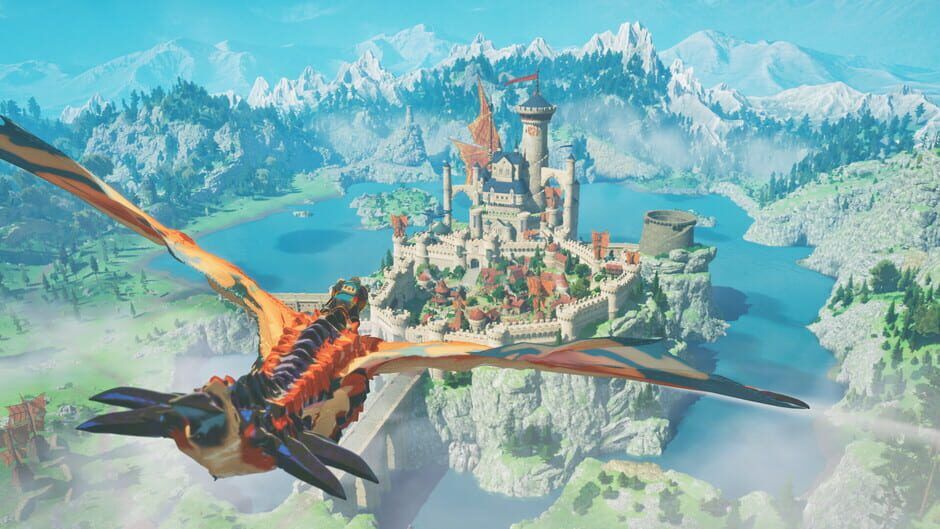

Capcom’s new Habitat Restoration system in Monster Hunter Stories 3: Twisted Reflection ties monster raising, mutated variants, and Title Update 4 into a single narrative pillar for the series in 2026.
Capcom has finally lifted the lid on the big new system that is supposed to carry Monster Hunter Stories 3: Twisted Reflection well beyond launch. Habitat Restoration is not just another side activity about raising Monsties. It is the spine that connects monster collection, endgame builds, and a surprisingly ambitious story that Capcom is already positioning as Monster Hunter’s flagship narrative project for 2026.
How Habitat Restoration Actually Works
In the new trailer and interviews, Capcom lays out Habitat Restoration as a full loop rather than a one-off gimmick. You venture into the field, track down monster eggs and bring them back to your village. Those eggs can be standard species or rare finds like Rathian. Once hatched, you raise these Monsties as usual, but the twist is what happens next. Instead of keeping every partner by your side, you can release specific monsters into designated restoration sites across the world.
These zones represent biomes that have been damaged by past conflicts and invasive threats. Sending the right monsters back into these places begins to rebuild the ecosystem. Over time, the region’s monster population, elemental affinity, and available encounters shift. A desert ravaged by invasive wyverns starts to fill with creatures that thrive in the restored conditions. A burned-out forest regains plant life and attracts flying wyverns again. The game tracks this regeneration and uses it as a lever for story and progression.
The important detail is that restoration is not just cosmetic. The more you restore a habitat, the more it can produce rare spawns and special mutations tied to that location. That turns every restored biome into a kind of living incubator where your earlier choices about which Monsties to release feed directly into what future encounters become possible.
Mutated Monsters And Elemental Rewrites
Habitat Restoration is also the delivery mechanism for some of the wildest Monstie variants the series has shown so far. Capcom highlights that properly restored environments can give rise to unique mutated monsters such as Dreadqueen Rathian. Instead of treating these as separate monsters tucked away behind opaque drop tables, Stories 3 anchors them in the logic of its world. A recovering swamp with strong poisonous flora becomes the natural birthplace for a more venomous Rathian subspecies.
The system goes further with elemental adaptation. Certain monsters will shift their elemental focus based on the traits of the area they grow up in. A Zinogre that would ordinarily embody thunder can become a red, fire oriented variant when raised and released in a fire aligned habitat. That change is not just cosmetic. It suggests new attack patterns, skill emphasis, and gear synergy for your party.
Capcom has been explicit that some monster types are only obtainable through Habitat Restoration. If you want the rarest mutations and bespoke elements, you have to invest in multiple ecosystems instead of camping one late game route. For players, that means collection is no longer a straight line of egg farming. You are curating environments, experimenting with what happens if you seed a tundra with certain Monsties, or push a coastal zone toward lightning or water dominance to see which variants surface.
This approach cleverly uses Stories’ slower paced, turn based framework. You are not reacting to reactive open world systems every second. You are setting conditions, backing out into story quests and combat, then coming back later to see how the world has changed and what new monsters have emerged.
Invasive Monsters, Rangers, And Story Progression
The Habitat Restoration loop is also baked directly into the narrative scaffolding of Twisted Reflection. The trailer shows Rangers acting as stewards of the land. They respond to invasive monsters that spill into habitats they do not belong to, disrupting the balance and threatening both locals and Monsties.
These invasive threats turn restoration sites into story episodes instead of static side zones. Clear out an invasive species and you open the door to the next phase of a region’s recovery. Ignore them and that area may stall in a degraded state, cutting you off from certain mutations or rare Monstie eggs until you intervene.
Capcom describes this as a story about healing an ecosystem shattered by earlier conflicts. Habitat Restoration makes that theme playable. When you find and raise an egg, you are not just filling a compendium entry; you are deciding whether to bring that creature into your battle party or send it back out to repair the scars of the setting’s past wars. As habitats recover, new quests, NPC reactions, and narrative vignettes can unfold, folding your collection work back into the main plot.
All of this plays against the backdrop of a world still haunted by the legend of twin Rathalos hatched from one egg, an omen of destruction that ties back to the series’ larger themes about coexistence versus exploitation. Habitat Restoration becomes the ground level expression of that question. Are Riders willing to take a step back and give monsters space to live, even when that means giving up direct power in the short term for a healthier world later?
Title Update 4 And The Long Tail
Capcom is already talking about Title Update 4 when it showcases Habitat Restoration. That is telling. Stories 3 is clearly being built with a long support roadmap in mind, and Habitat Restoration offers an obvious hook for future updates.
Mutated monsters are the most direct tie in. If the base game already uses restoration milestones to spawn Dreadqueen Rathian and elemental variants like fire based Zinogre, Title Update 4 can escalate things by seeding entirely new mutation lines into existing habitats. Think back to how previous Monster Hunter titles use event quests and late title updates to introduce apex or tempered versions of fan favorites. In Stories 3, those show up as new restoration outcomes that require deeper investment in the ecosystem.
Title updates can also tweak how invasive monsters behave. A post launch patch might introduce a roaming invader that crosses multiple restored zones, forcing you to juggle which habitats to defend to preserve your carefully cultivated mutations. That sort of systemic shake up suits a Title Update 4 that arrives once players have already maximized many regions.
The other likely avenue is cross game synergy. Capcom has already confirmed that Arkveld, the flagship monster from Monster Hunter Wilds, will appear in Stories 3 as a Monstie. There is a clear opportunity for a later title update to expand that bridge by tying Wilds themed restoration projects to brand new Monsties and variants, keeping the Stories player base aligned with whatever is happening in the mainline series at the time.
Why Stories 3 Is Being Framed As Monster Hunter’s Big 2026 Narrative Pillar
The way Capcom is talking about Monster Hunter Stories 3 suggests it sees the game as more than a side project that rides on Wilds’ marketing wave. With Stories 3 set for March 13, 2026 across PS5, Xbox Series X|S, PC, and Nintendo Switch 2, it lands in a slot where it can carry Monster Hunter’s universe forward narratively while the mainline entry focuses on big open world hunts.
Habitat Restoration is key to that positioning. It turns ecological themes that have always simmered under the surface of Monster Hunter into front and center mechanics. You are not just reading about how the Guild manages populations or watching NPCs react to elder dragon migrations. You are actively rebuilding the world from the ground up, making decisions that feel like they matter to villages, Rangers, and even future generations of Riders.
From a storytelling perspective, that gives Capcom room to explore Subjects that are difficult to tackle in a mainline action game. Riders treat monsters as partners, not quarry, which makes the moral and emotional weight of restoration more immediate. Returning a rare Monstie to the wild could be framed as a key character moment, the sort of narrative beat that can anchor the arcs of both your avatar and their companions.
On top of that, the presence of Arkveld on the Monstie roster and the references to Wilds tie Stories 3 directly into the broader Monster Hunter canon. If Wilds is the technical showpiece of this era, Twisted Reflection is being set up as the lore container where players can sit with the implications of the series’ shifting ecosystems and threats.
Capcom’s messaging makes it clear that they want Monster Hunter to have a sustained story presence in 2026 rather than discrete bursts tied only to expansion launches. By welding Habitat Restoration, mutated monsters, and long term title updates together, Monster Hunter Stories 3 looks poised to be that narrative pillar. It invites you to stay, to watch a broken world heal over months and patches, and to raise a generation of Monsties that reflect the choices you made along the way.