
A practical Monster Hunter Stories 2 tier list that separates story carries, midgame role players, and endgame monsties using current tier-list interest without treating Fatalis and PvP as the only goals.
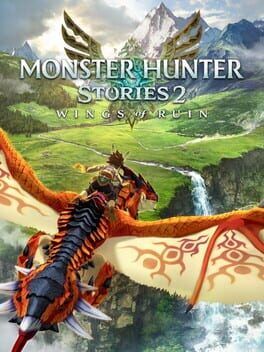
Image: IGDB
Store links: Monster Hunter Stories 2: Wings of Ruin on Steam
Endgame lists are useful, but they can mislead story riders
Renewed interest in a Monster Hunter Stories 2 tier list has centered on an endgame and PvP-focused ranking from LootStrategist, which frames the current discussion around Title Update 5 balancing, high-rank co-op expeditions, Special Lair runs, Fatalis, and competitive play. That is the strongest concrete development for riders returning to Wings of Ruin: the conversation is being pulled toward optimized late-game monsters such as Silver Rathalos, Gold Rathian, Nergigante, Bloodbath Diablos, Boltreaver Astalos, and Soulseer Mizutsune.
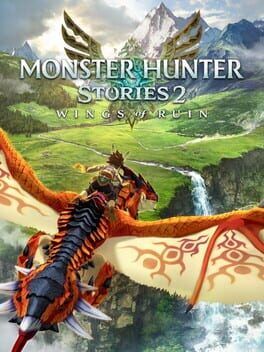
The tension is that Monster Hunter Stories 2 is still a progression RPG before it is an endgame optimization project. Capcom’s own game overview, preserved on the Monster Hunter Wiki, describes Wings of Ruin as a turn-based RPG built around hatching, training, and living alongside Monsties, using Monster Hunter weapons, strategic skills, and Kinship Attacks across a story about the disappearance of Rathalos and the prophecy surrounding the Wings of Ruin. It also notes that Monsties have unique abilities used to reach new areas and uncover hidden valuables. In practice, that means the best monsties Monster Hunter Stories 2 players should chase depend heavily on whether they are clearing the story, filling traversal gaps, stabilizing midgame battles, or building for high-rank co-op and PvP.
This guide treats LootStrategist’s list as an endgame signal, not a universal commandment. Where the outlet identifies meta picks, role tiers, attack tendencies, and gene concepts, those are attributed as such. Where the Monster Hunter Wiki’s MHST2 Monsties database lists riding actions such as Stealth, Dash, Fly, Jump, Roar, Ground Dive, Ivy Climb, Rock Breaker, and Swim, those utility facts matter just as much for a rider still opening paths and gathering resources. A monster that is merely a C-tier candidate in a Fatalis or PvP frame can still be the correct companion for a story party that needs coverage, consistency, or a field action.
How to read this Monster Hunter Stories 2 tier list without overbuilding too early
LootStrategist’s ranking says success in high-rank co-op dens, Special Lair runs, and PvP comes down to three broad factors: base stat scaling, attack tendencies across Power, Speed, and Technical, and bingo board flexibility through the Rite of Channeling. That is a sound way to think about late-game team building because Monster Hunter Stories 2’s combat asks riders to manage turn-based matchups, skills, and Kinship Attacks rather than simply bring a favorite monster and hope the numbers carry.
For story progression, the weighting changes. A practical Monster Hunter Stories 2 best monsters list should value three things in order: access, role coverage, and staying power. Access means the Monstie gives you a riding action that solves exploration friction. Role coverage means your party can answer Power, Speed, and Technical tendencies rather than losing repeated head-to-head clashes. Staying power means the Monstie remains useful long enough to justify gene investment, even if it will eventually be replaced by an Elder Dragon, Deviant, or rare variant.
That is why the same monster can sit in different mental tiers depending on the question. LootStrategist places Ranmar, Royal Ludroth, Kulu-Ya-Ku, and Pukei-Pukei in its C-tier and labels that tier for early or niche campaign progression and utility. In an endgame table, that is low. In a fresh playthrough, it is permission to use them without guilt until stronger options arrive. Conversely, LootStrategist’s S-tier names are framed around endgame and PvP excellence, but many of those monsters are not the practical answer to a rider who still needs a balanced story team and field actions.
The smartest approach is to avoid pouring every resource into the first monster that wins a few fights. Use early companions to cover the basics, graduate into durable mid-to-late-game carries, then commit serious Rite of Channeling planning once the pool of high-rank options opens and you know whether your goal is co-op dens, Special Lairs, Fatalis, or PvP.
Early story picks: utility first, perfect boards later
For the early game, the best Monsties are the ones that let you keep moving while teaching you the combat triangle. LootStrategist’s C-tier specifically groups Ranmar, Royal Ludroth, Kulu-Ya-Ku, and Pukei-Pukei as campaign progression and utility choices. That label is important because it keeps expectations realistic. These are not presented by the outlet as final meta monsters, but they are useful while the story is still asking you to hatch eggs, learn attack tendencies, and build a functioning party.
Ranmar deserves special mention because the story itself gives emotional and mechanical weight to early rider bonds. The broader Monster Hunter Stories series has always treated riding as a partnership rather than a capture-and-discard loop, and the Monster Hunter Wiki’s page for the original Stories describes the series foundation as collecting eggs from nests, hatching species with skills, forming teams, and mixing genes to create monsters with additional abilities. In Wings of Ruin, that structure returns with richer presentation and co-op support, according to the game overview. Early Monsties are therefore part of the learning curve, not failed investments.
Kulu-Ya-Ku and Pukei-Pukei fit the same practical lane when judged by the available source framing. LootStrategist does not elevate them for endgame, but it does include them in the early and niche bracket. That makes them reasonable temporary choices for riders who need a complete party before worrying about high-rank dens. Royal Ludroth carries the same caveat. It is named in that early utility tier, which supports using it as a progression piece rather than forcing a premature grind for monsters that a new save may not be ready to support.
The key recommendation is restraint. Do enough gene work to make an early Monstie reliable, but save the obsessive board sculpting for candidates that remain relevant past the campaign. If a monster’s main job is to cover a tendency, fill a slot, or supply a riding action until your roster improves, treat it as a bridge. That is not disrespecting the Monstie. It is good RPG pacing.
Midgame and late-story carries: the monsters that justify investment
The middle of Monster Hunter Stories 2 is where a tier list becomes genuinely useful. You are no longer surviving with whatever hatched first, but you may not yet be building around LootStrategist’s top S-tier endgame names. This is the range where the outlet’s B-tier is most practical: Tigrex, Nargacuga, Lagiacrus, Brachydios, Mizutsune, and Razewing Ratha are identified as solid role players for mid-to-late-game carrying.
Tigrex is the cleanest example of why combat and traversal should be judged together. The MHST2 Monsties database on Monster Hunter Wiki lists Tigrex with Dash and Ivy Climb as riding actions. LootStrategist places Tigrex in the mid-to-late carry bracket. Together, those two facts make Tigrex one of the more sensible story investments in this source set: it is named as a capable progression monster and it brings field utility that can reduce backtracking pain.
Nargacuga is another standout because the Monster Hunter Wiki’s Monsties list gives it Stealth. A stealth-capable Monstie has obvious practical value in a game where the official overview emphasizes exploration, hidden valuables, and using Monstie abilities to reach or interact with new areas. LootStrategist’s placement of Nargacuga in B-tier keeps it out of the final meta conversation but supports its value as a story and midgame companion. For riders asking for Monster Hunter Stories 2 best monsters rather than tournament-optimized builds, that is a strong profile.
Lagiacrus, Brachydios, Mizutsune, and Razewing Ratha fill the same broad band from the provided ranking: not the absolute ceiling, but strong enough to carry into later content. The source material here does not provide full stat tables or acquisition routes for each, so this guide should not pretend precision it cannot source. What can be said is that LootStrategist groups them above the early utility picks and below the high-rank elite. That makes them the most reasonable zone for meaningful but not irreversible investment.
If you are deciding where to spend time, pick a midgame carry that solves two problems at once. Tigrex offers a cited traversal package. Nargacuga offers cited Stealth. Razewing Ratha has unique story importance by the premise of Wings of Ruin, where the player’s journey is tied to the prophecy surrounding the Wings of Ruin after Rathalos vanish. A party built around a few of these practical anchors will usually feel better than one warped around monsters you cannot meaningfully build yet.
Endgame monsties: where the meta list actually belongs
Once the campaign gives way to high-rank co-op expeditions, Special Lair runs, Fatalis attempts, and PvP, LootStrategist’s list becomes far more directly applicable. The outlet places Silver Rathalos, Gold Rathian, Nergigante, Bloodbath Diablos, Boltreaver Astalos, and Soulseer Mizutsune in S-tier, calling that group essential for endgame and PvP. It also highlights Dreadking Rathalos, Hellblade Glavenus, Kirin, Velkhana, Teostra, Silverwind Nargacuga, and Stygian Zinogre as A-tier top performers for high-rank co-op and Trial Lairs.
The individual examples show the shape of the meta. LootStrategist identifies Silver Rathalos as a Power and Fire Monstie with Fly, arguing that it sits at the top of the Fire damage meta and recommending Fire-focused gene synergy such as Hellblade Gene and Fire Boost Gene. It describes Bloodbath Diablos as a Speed and non-elemental burst option with Roar and Ground Dive, built around non-elemental boosting, Might, and Critical genes. Boltreaver Astalos is described as a Technical and Thunder choice with Fly, critical scaling, and paralysis application. Soulseer Mizutsune is described as a Speed and Water choice with Dash, valued by the outlet because Water endgame options are comparatively rare in that meta framing.
Those claims should be read as endgame and PvP claims, not as a demand that every story player abandon their roster. The practical takeaway is that your final team should cover attack tendencies, elemental needs, and gene board goals. If your strongest late-game plan is all Fire damage, the sources here do not support pretending that will answer every situation. If your party lacks Technical representation, Boltreaver Astalos becomes interesting because LootStrategist specifically calls out Technical value. If you need raw non-elemental burst, Bloodbath Diablos is the cited name. If you want Fire power with Fly, Silver Rathalos is the cited leader.
The A-tier list is also worth taking seriously because it may be more forgiving for players who are not chasing the absolute PvP ceiling. LootStrategist places Kirin, Velkhana, Teostra, Silverwind Nargacuga, Stygian Zinogre, Dreadking Rathalos, and Hellblade Glavenus as top performers rather than meta gods. In many RPGs, that is the tier where preference and availability can matter most. The provided source does not give enough detail to rank every A-tier pick by exact matchup, but it does support treating them as high-rank-ready options rather than mere collectibles.
A practical progression tier list for riders, not spreadsheet perfectionists
Putting the sourced pieces together, the most useful Monster Hunter Stories 2 tier list is a progression ladder. For early story play, use Ranmar, Royal Ludroth, Kulu-Ya-Ku, and Pukei-Pukei as temporary campaign and utility picks, as LootStrategist’s C-tier framing supports. Do not confuse their low endgame placement with uselessness. Their job is to help you learn the game and keep the party functional.
For the midgame and late story, prioritize Tigrex and Nargacuga if you value cited field utility alongside battle relevance. Monster Hunter Wiki lists Tigrex with Dash and Ivy Climb, and Nargacuga with Stealth, while LootStrategist places both in its mid-to-late carry tier. Add other B-tier names from LootStrategist, including Lagiacrus, Brachydios, Mizutsune, and Razewing Ratha, when they fit your attack tendency and element needs. This is the stage where replacing early companions starts to make sense, but you still do not need to copy an endgame board from a PvP context.
For endgame, build around the S-tier and A-tier pools identified by LootStrategist. Silver Rathalos, Gold Rathian, Nergigante, Bloodbath Diablos, Boltreaver Astalos, and Soulseer Mizutsune are the cited top-end names. Dreadking Rathalos, Hellblade Glavenus, Kirin, Velkhana, Teostra, Silverwind Nargacuga, and Stygian Zinogre are cited as strong high-rank and Trial Lair performers. That is where serious Rite of Channeling planning belongs, because the outlet’s own editorial note says its recommendations reflect Title Update 5 balancing and meta optimization.
The unanswered question is how much of this renewed tier-list interest applies to the average rider. The source material does not provide official Capcom balance notes in this packet, detailed stat tables, full egg routes, or performance testing across platforms. It also does not resolve every matchup in PvE versus PvP. So the responsible recommendation is to treat the endgame meta as a destination and the story roster as a route. Build a team that wins head-to-heads, carries useful riding actions, and gives you enough elemental and tendency coverage to keep progressing. Then, once the story is done, start asking which Monster Hunter Stories 2 endgame monsties deserve your best genes.