
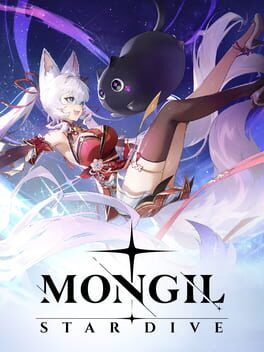

Breaking down the latest Mongil: Star Dive developer showcase, how its Monsterling collection and progression really work, and whether this sleek action RPG has what it takes to rise above today’s crowded monster-collecting field.
Mongil: Star Dive is pulling into final approach for its April 15 launch, and Netmarble’s latest online showcase was the clearest look yet at what this “monster-collection action RPG” actually is. Rather than a traditional turn-based creature battler, Mongil is leaning into kinetic real-time combat where your monsters are more like a flexible support toolkit than the stars of the show.
That angle matters, because the monster-collecting space has never been more crowded. Between mobile gacha RPGs, console-friendly spin‑offs, and a new wave of indie tamers, anything new needs a very sharp hook. The showcase and subsequent dev Q&A finally put the Monsterling system, progression structure, and early roadmap into focus, giving a much better sense of whether Mongil looks like a long-term mainstay or just another collectible curiosity.
Monsterlings As Your Tactical Backline
The headline hook is still the Monsterlings. These are small, stylized creatures you recruit throughout your journey and slot into loadouts. The showcase clarified that they are not one‑to‑one replacements for your playable heroes, but dedicated support units that augment your three‑character battle team.
In practice, this makes combat look closer to an action RPG with summon skills layered on top rather than a pure monster battler. During the stream, Netmarble walked through encounters where Monsterlings were triggered to drop heals, shields, crowd control effects, or big burst damage windows. Instead of swapping your protagonist out to let a monster take over, you weave Monsterling abilities into combos and team rotations.
This structure cuts both ways. It immediately differentiates Mongil from the more Pokémon‑like competitors, but it may disappoint players who want their creatures front and center. The upside is that Monsterlings become a deckbuilding space with fewer hard constraints. Because they are not your only damage source, there is room for weird niche utilities, longer‑cooldown “panic buttons,” and support‑heavy builds that would feel punishing in a purer monster-battle framework.
A Three‑Character Tag Battle Core
If Monsterlings are the backline, the real spine of Mongil’s gameplay is the three‑character tag system. Parties are built around trios of heroes with defined roles, and the showcase spent time highlighting characters like Francis and Mina to sell how different they feel on the field.
Combat is a fast, direct-control affair that leans into reading enemy patterns, swapping characters mid‑string, and targeting weak points. The developers emphasized that you can break specific monster parts during fights, not only to deal extra damage but also to disrupt attack patterns or open enemies to follow-ups. That layer of targeting gives Mongil a whiff of Monster Hunter or God Eater in a more compact, mobile‑friendly format.
This is where Monsterlings fold back into the loop. A well‑timed Monsterling cast can lock an enemy down or expose a weak point, letting you hot‑swap to a different hero to cash in with their specialty. It turns what could have been a passive “stat stick companion” system into a rhythm of setups and payoffs, with your creature collection effectively expanding the number of lines you can draw between heroes and situations.
Progression: Episodes, Regions, And A Clear Early Roadmap
The other big question the showcase addressed is how Mongil is structured. Instead of an open‑world sprawl, Mongil is broken into episodic story content, with Episodes acting as chapters that introduce new regions, story beats, characters, and Monsterlings.
Netmarble confirmed that Episode 6 is already locked in as the game’s first big post‑launch expansion. It will add a fresh region to explore along with a new playable character, Esther. That is notable because the game is not even out yet and the team is already messaging where the story and content go next, which can help reassure players wary of thin launch offerings.
Within each Episode, progression looks like a familiar mix of narrative stages, combat encounters, and collection opportunities. Monsterlings act as a parallel grind to your heroes, encouraging you to keep running content not just for character experience and gear, but also to round out your creature roster. The showcase suggested that part and weak point mechanics will feed into this loop, with specific Monsterlings or gear dropping from hunts that emphasize a certain boss gimmick.
The dev Q&A also hinted at recurring in‑game events scheduled to kick in fairly quickly after release. While details stayed high‑level, this should mean time‑limited hunts, bonus Monsterling acquisition routes, and possibly themed Episodes or side stories that keep the game from settling into a static farm.
Beyond The Screen: Real‑World Events And Brand Building
Netmarble is investing in more than just digital content. The showcase highlighted a slate of real‑world promotions, including pop‑up stores, merchandise runs, and even a collaboration café in Taiwan. That kind of push is a strong tell that the publisher sees Mongil as a long‑term IP rather than a disposable gacha experiment.
For players, those initiatives do not directly change the combat loop, but they can impact the perceived staying power of a live service RPG. A game that is getting themed food collabs and pop‑ups this early is almost always backed by a multi‑year roadmap. In a space where many collectible RPGs collapse in their first year, that matters.
Does Mongil Actually Stand Out?
The big question hanging over Mongil: Star Dive is whether its Monsterling hook and tag‑battle action are unique enough to win attention in a genre that is nearly saturated.
On the plus side, the three‑character action focus is a cleaner pitch than “another turn-based team RPG with auto‑battle.” The fights shown in the showcase had a readable blend of pattern recognition, part targeting, and burst windows that should appeal to players who enjoy hands-on combat. Monsterlings, by existing as layered support rather than the main actors, help Mongil feel like its own thing rather than a straight lift from bigger monster IPs.
The early commitment to episodic expansions and the confirmation of Episode 6 and Esther before launch is also encouraging. It implies that the first few months will not just be recycled events and banner reruns, but fresh story and regions that actually move the world forward.
The potential weak spot is clarity and identity. Monsterlings being support units is a clever twist, but it needs to be sold cleanly to players who might open the store page expecting a full creature battler. Netmarble’s own messaging acknowledges this balancing act, often doubling down on the action side while still spotlighting the cute monster designs and collection meta. If the game can keep both audiences happy, it will carve out a niche. If not, it risks losing taming fans to more traditional competitors while fighting for room against other action RPGs.
Heading into launch, though, Mongil: Star Dive looks more promising than generic. Strong visual polish, a clear combat identity, and a visible roadmap give it a better starting point than many mobile and cross‑platform collectible RPGs. The showcase did not just parade trailers; it finally connected the dots between Monsterling collection, three‑character teamcrafting, and episodic progression into a coherent picture.
Now the question is whether that picture holds up once players start grinding for their perfect Monsterling loadouts and pushing through the higher‑tier Episodes. If the moment‑to‑moment combat and collection loops feel as tight as they looked on stream, Mongil might earn a real foothold in a genre that usually only has room for a few big names at a time.