
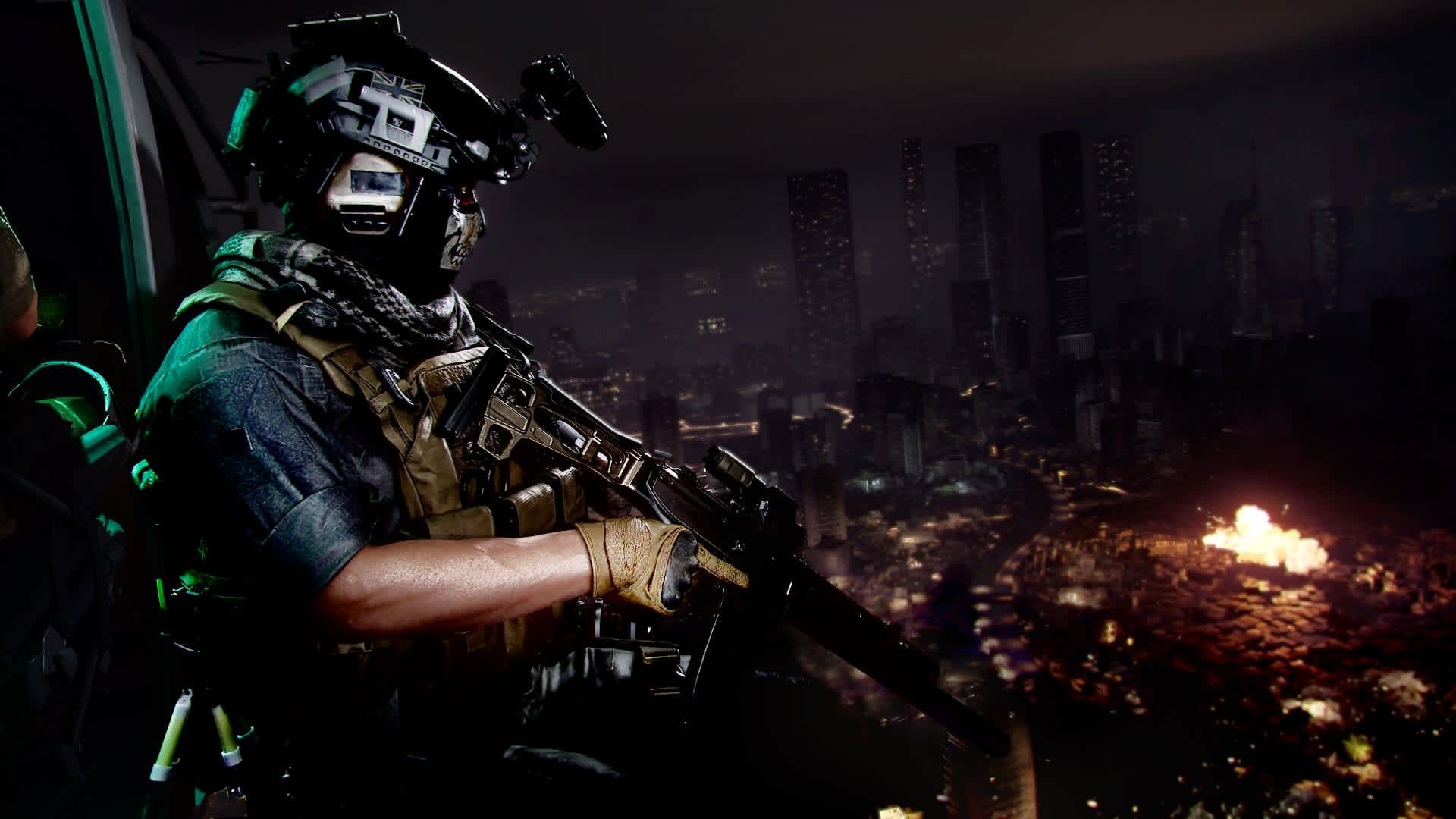
Digital Foundry’s Modern Warfare 4 Switch 2 findings point to a capable native port with real handheld compromises: dynamic 720p, a 30fps campaign, a 60fps multiplayer target, and weaker input response than PS5.
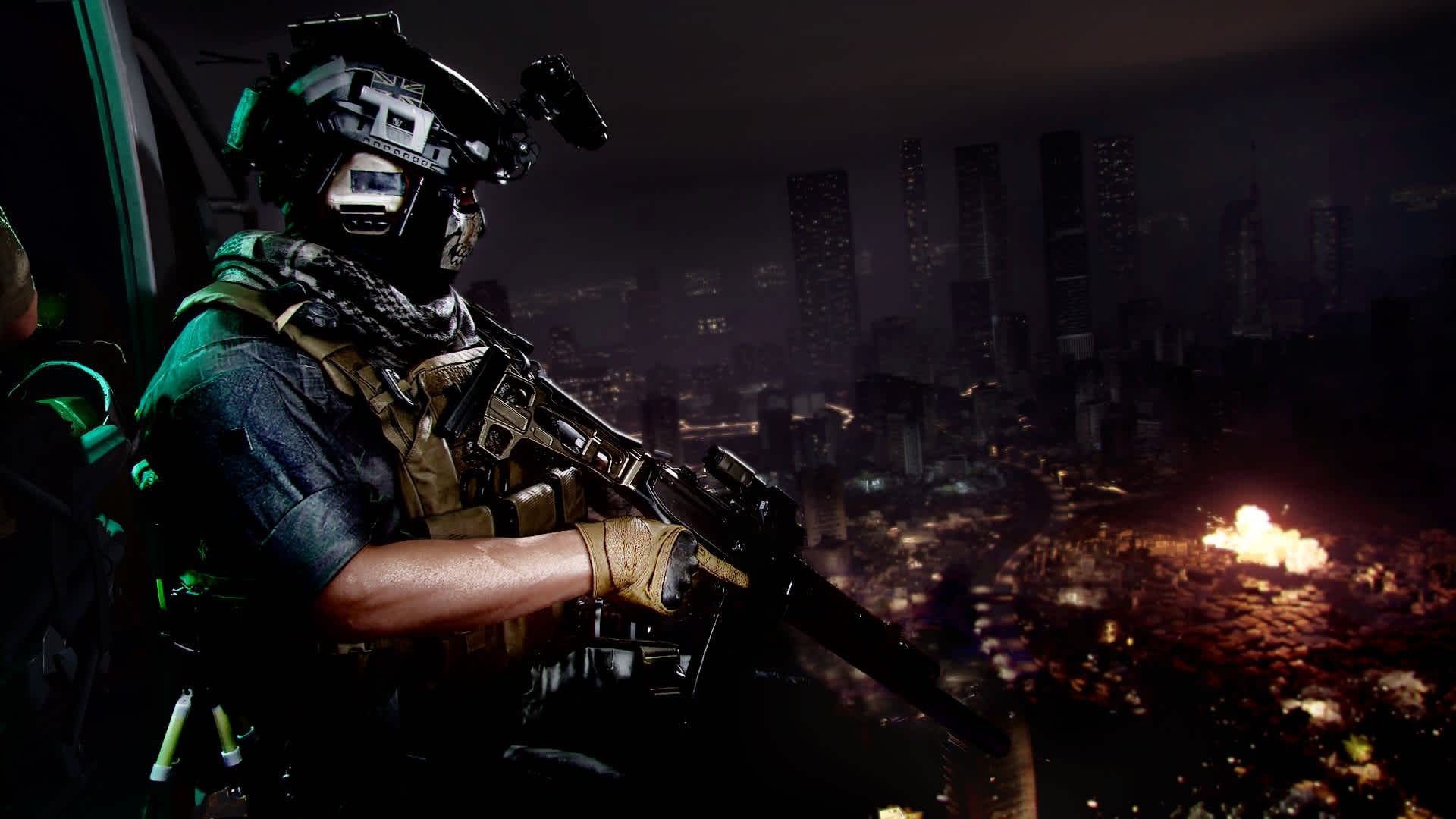
Image: cubed3.com
Digital Foundry’s verdict is positive, but the split frame rate defines the port
Call of Duty: Modern Warfare 4 on Switch 2 targets 60 frames per second in competitive multiplayer, while the campaign targets 30fps. That is the core tension in Digital Foundry’s Modern Warfare 4 analysis, as reported by Nintendo Everything, Nintendo Life, and Digital Foundry’s own review text: Nintendo’s first Call of Duty release since Ghosts on Wii U in 2013 is feature-complete and technically intact in important ways, but it does not deliver the same frame-rate profile across every mode as the PlayStation and Xbox versions.
Digital Foundry describes the Switch 2 edition as arriving day and date with its PlayStation and Xbox counterparts and retaining the full suite of modes and content on Nintendo’s hybrid hardware. Nintendo Everything’s roundup lists an 88GB install on Switch 2 compared with 120GB on PS5, while Digital Foundry says the game keeps core IW Engine features including ray-marched smoke, real-time weather simulation, and updated global illumination techniques, albeit with settings adjusted for the hardware.
For shooter players, the important read is simple: Activision and its teams prioritized 60fps where the kill trade actually lives. Campaign drops to 30fps, DMZ targets 40fps with the right display setup, and multiplayer is the mode built around a 60fps target. That is the sensible competitive hierarchy, but it still leaves Switch 2 players dealing with lower responsiveness and image clarity than the stronger boxes.
Modern Warfare 4 resolution on Switch 2 changes by mode and anti-aliasing choice
The Modern Warfare 4 resolution picture is complicated because Switch 2 offers multiple anti-aliasing options. According to Digital Foundry’s analysis, docked play with the DLSS option uses a dynamic 900p target and can fall as low as 450p in heavy scenes. Nintendo Everything reports the same range, noting that the game uses an in-house option by default and that DLSS improves detail handling in motion and noisy areas, while producing a softer overall image.
The SMAA path is different. Nintendo Life’s summary of Digital Foundry says the SMAA T2X mode runs in a similar dynamic range but resolves to a higher 1080p target. Digital Foundry’s own text says SMAA can preserve finer foliage and structural detail in static scenes, but it brings more visual noise and artifacts on glass, transparent surfaces, and particle effects. In multiplayer, Digital Foundry notes an alternate SMAA NX variant alongside DLSS, though Nintendo Everything says it does not solve transparency issues.
Handheld mode is where the real cut lands. Digital Foundry reports a dynamic 720p baseline in portable play, with dips to 360p under intense rendering loads. Nintendo Everything also lists dynamic 720p with a low of 360p in handheld mode and says there are no visual setting changes between docked and handheld modes beyond the resolution output. That means portable players are not getting a separate stripped-down effects profile, but they are getting a much softer and more variable image when the engine is stressed.
Frame rate holds better in campaign and DMZ than the numbers suggest, multiplayer can still dip
The campaign target is 30fps, and the reports generally describe it as stable. Nintendo Everything says campaign performance is stable with some drops during the Paris shootout, while Nintendo Life’s summary says pre-rendered cutscenes can hitch but actual gameplay runs smoothly at 30fps. Digital Foundry adds that those opening video hitches are present on other current-generation platforms as well, so that specific issue is not a Switch 2-only fault.
DMZ sits in its own lane. Nintendo Everything and Nintendo Life both report a 40fps target for DMZ when Switch 2 is connected to a 120Hz TV. Nintendo Everything says DMZ frame rate is stable. That condition matters because the reported 40fps mode is tied to a 120Hz display setup, so handheld players should not read it as a blanket portable guarantee from the supplied sources.
Competitive multiplayer is the mode most players will judge hardest, and it is where the frame-rate target is strongest but not perfect. Nintendo Life reports that online multiplayer can occasionally drop into the 50s or even the high 40s. Digital Foundry’s supplied text says competitive multiplayer remains 60fps to keep Switch 2 players on level footing with rival platforms, but the Nintendo Life summary makes clear that level footing is a target, not a locked line in every firefight. For ranked-minded players, those drops are the kind of thing you feel during close-range tracking, snap aim, and trades around doorways.
Handheld players should expect softer aim reads and heavier latency, not missing content
The biggest handheld compromise is not a missing mode. It is the combination of lower resolution, tougher image reconstruction, and slower response. At dynamic 720p with potential drops to 360p, distant players, thin geometry, smoke edges, muzzle flash, and transparent surfaces can become harder to parse on the smaller screen. DLSS helps motion stability and cleans up noisy effects better than SMAA, according to Digital Foundry, but it also makes the image softer. SMAA can look sharper in still moments, but it struggles more with flicker and artifacts on transparent surfaces.
There is also an input response concern. Nintendo Life reports that lower locked frame rates bring added input latency, and says multiplayer latency adds an extra challenge when chasing a better kill-to-death ratio. Shattered.io’s summary of Digital Foundry goes further, reporting measured multiplayer input latency of 81ms docked and 100ms in portable mode, with the Switch 2 build responding 31ms to 51ms slower than PS5 in multiplayer. Because those precise figures come through Shattered’s write-up of Digital Foundry rather than the supplied Digital Foundry excerpt, they should be treated as attributed measurements from that secondary report.
From a competitive shooter perspective, that is the stat to watch after frame rate. A dynamic 720p image can still be playable if the contrast is readable and the reticle response is clean. Extra latency is harder to forgive, especially in cross-play lobbies where enemies may be on PS5, Xbox Series hardware, or PC. The sources do not say Switch 2 multiplayer is broken. They say it targets 60fps, includes the same core mode structure, and carries technical compromises that can matter in gunfights.
The visual cuts are targeted, but they show up in surfaces, reflections, and distance detail
Digital Foundry’s reporting indicates that the Switch 2 version keeps several high-value scene features. Nintendo Everything says interactive smoke volume, glass destruction, wall projection effects, and dense NPC counts in the New York City mission are intact. Digital Foundry’s text also says core mechanics, physics, and character animations match the PS5 and Xbox Series versions. For multiplayer fairness, that is important: the port is not described as changing movement, animation timing, or physics behavior to fit the hardware.
The cuts are still visible. Nintendo Everything says screen-space reflections are removed, self shadows are removed in campaign, and self shadows return in multiplayer at heavily reduced resolution. Digital Foundry says reflections lose detail, shadow quality is lowered, and lower-resolution textures are noticeable up close, especially when crouching. Nintendo Life also flags lower-quality shadows, more pop-in detail jumps, and weaker asset resolution compared with other platforms.
There is one small wording conflict in the provided summaries. Nintendo Everything says bump mapping has been removed on Switch 2, while Digital Foundry’s supplied text says bump mapping is reduced. Either way, the supported conclusion is that surface detail is cut back versus the higher-end versions. Nintendo Everything also reports more abrupt level-of-detail switchovers at set distances, lower transparency effects, and reduced grass density in certain missions. Those are classic hybrid-hardware compromises: the map layout and encounter structure remain, but the material depth, reflection quality, shadowing, and distance polish take the hit.
This is a real Call of Duty port, but portable-first players should choose their priorities
The practical verdict is cleaner than the spec sheet looks. If you want Modern Warfare 4 Switch 2 mainly for campaign on the couch or in handheld bursts, the sources point to a stable 30fps experience with major engine features retained, though it will not have the fluidity expected from 60fps campaign play on other consoles. If you want multiplayer, the Switch 2 version targets the right frame rate for Call of Duty, but Nintendo Life reports occasional drops below 60fps and the available reporting flags input latency as a competitive drawback.
For handheld-first players, the best expectation is a complete version with a visibly softer image. Dynamic 720p down to 360p is a serious range, and it means busy missions and effects-heavy scenes can get rougher than docked play. DLSS appears to be the safer choice for motion and noisy effects, based on Digital Foundry’s findings, while SMAA may appeal to players who prefer sharper static detail and can tolerate more shimmer.
Digital Foundry’s overall assessment, as relayed by Nintendo Life, calls the conversion a “job well done.” That praise tracks with the reported facts: the game keeps campaign, multiplayer, and DMZ, preserves key modern IW Engine effects, cuts install size to 88GB, and targets 60fps where competitive Call of Duty needs it most. The warning is equally clear. Switch 2 players, especially in handheld mode, should expect lower resolution, reduced visual detail, occasional multiplayer dips, and weaker response than the stronger platforms. That does not make the port a failure. It defines the cost of taking current Call of Duty portable.