
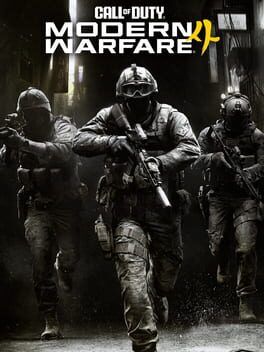

Unionized Activision QA workers have voted to authorize a strike as contract talks stall before Call of Duty: Modern Warfare 4 launches, but timing and player impact remain unclear.
Image: IGDB
Store links: Call of Duty: Modern Warfare 4 on Steam
Activision QA workers have cleared the way for a strike
Unionized Activision quality assurance workers have voted to authorize a strike shortly before Call of Duty: Modern Warfare 4 reaches players, according to reports from Kotaku, Rock Paper Shotgun, and Aftermath. The vote does not mean a strike has started. It gives the Call of Duty testers union, represented by the Communications Workers of America, the authority to call one if bargaining does not move in a direction members will accept.
That distinction matters. A strike authorization is leverage, not the walkout itself. But the timing puts real pressure on Activision because QA is usually most visible to players when it fails: broken progression, crashes, matchmaking instability, bad spawns, busted attachments, and day-one fixes that arrive too slowly. Kotaku reports that the group includes testers working to get Modern Warfare 4 ready for launch. Aftermath framed the risk more bluntly through worker concerns, quoting the warning that without QA, “There could be more bugs. There could be server issues. There could be missing features.”
Activision, in a statement to Kotaku, said it respects employees’ right to protected activity, including striking, and added that it has “plans in place to ensure there is no disruption to players or upcoming game releases.” That is the company’s position. The unknown is how those plans would hold up if the authorization turns into an actual Activision QA strike during the most compressed part of a Call of Duty release window.
The contract fight is now colliding with launch pressure
The union at the center of the dispute formed in March 2024 and is made up of almost 600 quality assurance workers at Activision, according to Rock Paper Shotgun and Kotaku. More than two years later, the group has not secured its first collective bargaining agreement.
Emily Danko, an Activision Quality Assurance United-CWA bargaining committee member and QA functional tester, said in a press release quoted by Kotaku and Rock Paper Shotgun that bargaining has been “a long, exhausting process” and accused the company of stalling on wages, accommodations, and worker protections. Danko said the committee has tried to bargain in good faith, but that “meaningful progress has been difficult,” leaving major issues unresolved.
Kotaku reports that the union has accused Activision of failing to bargain in good faith over wage increases, AI guardrails, and the company’s use of contractors. Rock Paper Shotgun similarly notes that the protections being discussed include concerns around AI usage and contract workers. These are not abstract workplace topics for QA. Testers are the people repeatedly running builds, documenting edge cases, checking whether fixes create new failures, and validating changes under deadlines. If a publisher leans harder on contractors or AI-assisted processes without agreed protections, the union is arguing that the terms of the job can change before workers have a contract governing those changes.
Activision says talks are still open
Activision’s public response pushes back on the union’s account of stalled bargaining. In a statement provided to Kotaku and quoted by Rock Paper Shotgun, an Activision spokesperson said the company has been “working in good faith with the CWA for the Central QA team” and has made “meaningful progress on a number of issues.” The spokesperson said Activision’s goal is a fair first contract that supports QA team members and the long-term success of the business.
The company also said it remains committed to open dialogue and has offered to meet with the union again on October 21 and 22. That date creates one of the clearest tensions in the story: the next proposed bargaining dates sit around Modern Warfare 4’s launch window as described in the reporting. Kotaku states the game’s big launch is October 16 and also says it will release globally over the next week. Rock Paper Shotgun characterizes the vote as arriving a week ahead of launch. The source material does not fully reconcile that timing, so the safest read is that the strike authorization has landed during the final pre-launch and launch-period push, when QA labor is typically under maximum demand.
Activision also told Kotaku it has plans to avoid disruption to players or upcoming releases. No source provided those plans in detail. We do not know whether that means reassigned QA capacity, management coverage, contractor use, external testing partners, schedule buffers, or something else. Until a strike is actually called, and until Activision explains how it would cover the work, the effect on the Modern Warfare 4 launch remains unconfirmed.
What QA disruption could touch in a Call of Duty launch
For an FPS release, QA is not a background credit roll function. It is part of how a shooter survives first contact with millions of players. Call of Duty launches stress systems that are hard to simulate perfectly in a lab: matchmaking load, party joins, cross-play behavior, progression tracking, weapon unlocks, spawn logic, hit registration reports, crash patterns, and playlist rotation. Testers do not make the final design calls, but they are central to finding, reproducing, and verifying problems fast enough for engineers and designers to act.
Kotaku notes that modern blockbuster releases commonly require large post-launch patches after players uncover issues during the initial release period. Its report says a strike could have a major impact on Modern Warfare 4’s live-service experience during the holiday sales period. That is a possibility, not a confirmed outcome. Activision says it has plans to avoid player disruption. The union’s position is that the company has not resolved core contract issues while QA workers remain essential to shipping the game.
From a competitive shooter perspective, the danger zone is the first two weeks. If progression breaks, the conversation becomes grind compensation. If a weapon attachment behaves incorrectly, the meta tilts before players trust the data. If matchmaking or servers wobble, even good maps and gunfeel get buried under disconnect clips. None of those problems has been reported as present in Modern Warfare 4 by the provided sources. The point is that launch QA exists to catch and triage exactly that class of problem, and the authorization vote arrives when that work is most visible.
Accommodations, return-to-office policy, and layoff fears are part of the dispute
The dispute is also about working conditions beyond pay. Rock Paper Shotgun quotes a tester, via Kotaku, saying workers are in the office every day trying to make progress on Modern Warfare 4 while expecting “fair pay, fair treatment, and the fair contract” they have spent more than two years bargaining for. The same worker said employees are coming to work without fair accommodations and under the threat of sweeping layoffs without meaningful protections.
Aftermath adds a more specific accommodation account through Jordan Kunze, described as a now-former Activision union steward and QA employee of several years. Kunze told Aftermath that after Microsoft’s Activision Blizzard purchase closed in 2024, he spent “well over a year” trying to obtain a remote-work accommodation tied to a documented medical condition. According to Kunze, Activision repeatedly treated in-office work as an essential function and would not meaningfully consider remote work. Aftermath reports that Kunze filed complaints with the Minnesota Department of Human Rights and the U.S. Equal Employment Opportunity Commission in 2025. The outlet says Activision and Microsoft did not reply to its questions about Kunze’s case.
Rock Paper Shotgun also connects the strike authorization to recent Xbox layoffs, reporting that the vote arrived less than a month after another round of staff cuts. The provided source text does not establish that those layoffs directly changed the union talks, but it does show why layoff protections are a live issue for workers. QA teams already sit close to the pressure point of cost cutting, outsourcing, and seasonal launch staffing. That is the business context behind a contract fight that might otherwise look like a narrow dispute over one upcoming shooter.
What remains unknown before Modern Warfare 4 launches
The confirmed news is narrow but significant: the Call of Duty testers union has authorized a strike, contract talks have not produced a first agreement, and both sides are publicly disputing the state of bargaining. The union says Activision has stalled on wages, accommodations, AI protections, contractor issues, and worker protections. Activision says it has bargained in good faith, made progress, offered new meeting dates, and prepared to avoid disruption.
What is not confirmed is equally important for players. There is no reported strike start date in the provided sources. There is no confirmed delay to Modern Warfare 4. There is no confirmed reduction in launch support. There is no detailed public explanation of Activision’s contingency plan. There is also a timing mismatch in the reporting, with Kotaku citing an October 16 launch and a global rollout over the next week, while Rock Paper Shotgun describes the game as launching next week. Readers should treat the launch timing in these reports as close-window context unless Activision’s official release schedule is checked directly.
If you are planning around the Modern Warfare 4 launch, the practical advice is to watch for two things: whether CWA or Activision Quality Assurance United announces an actual strike, and whether Activision changes any public messaging around launch support, playlists, patches, or server readiness. A strike authorization alone does not tell you the game will launch rough. It does tell you that the people tasked with finding many of those rough edges have escalated a contract fight at the exact moment Activision needs the cleanest possible rollout.