
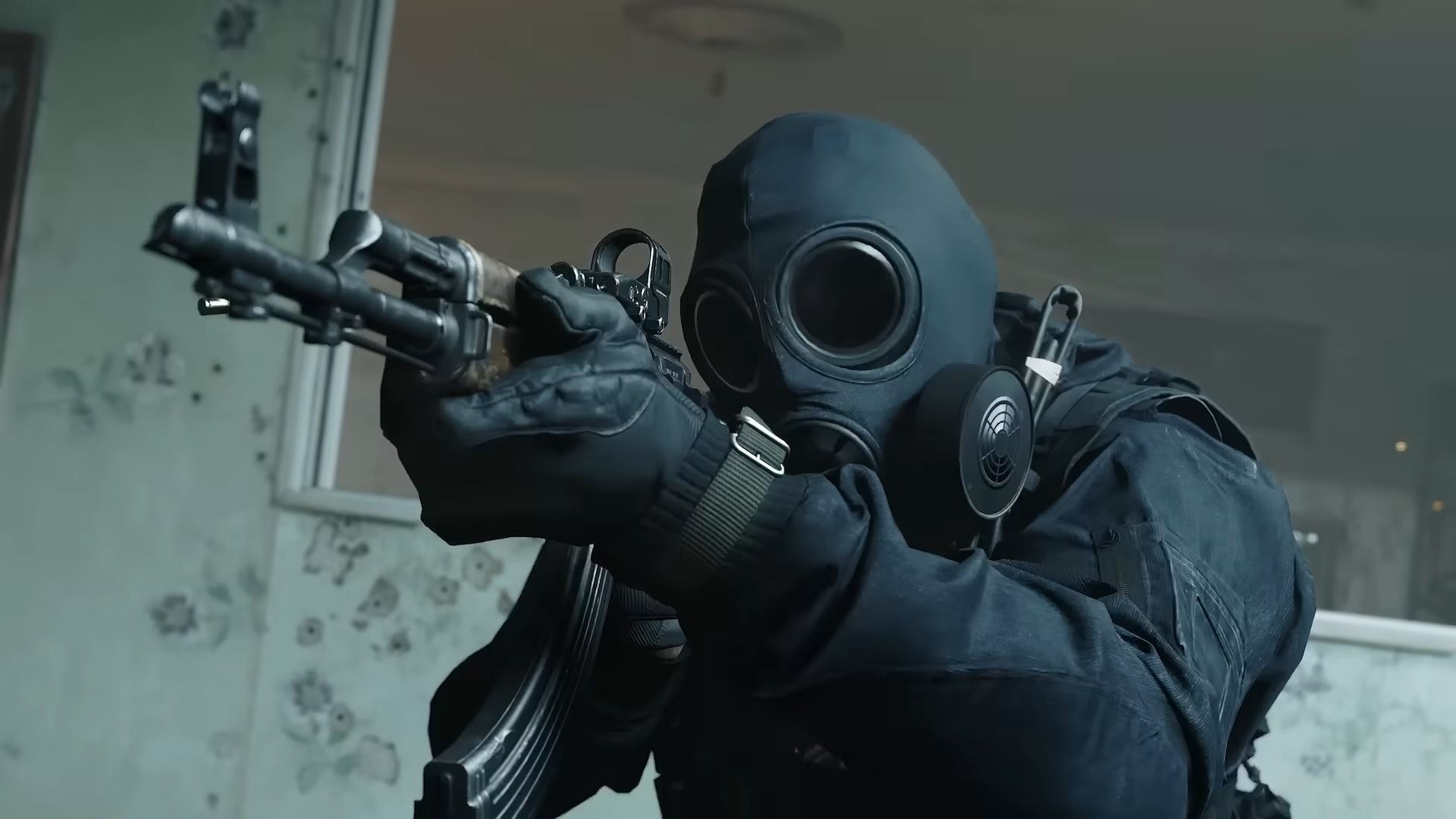

Infinity Ward's latest Modern Warfare 4 DMZ update cuts UAV Tower spawns, buffs stealth tools, and raises payouts, changing how squads route, fight, and extract.
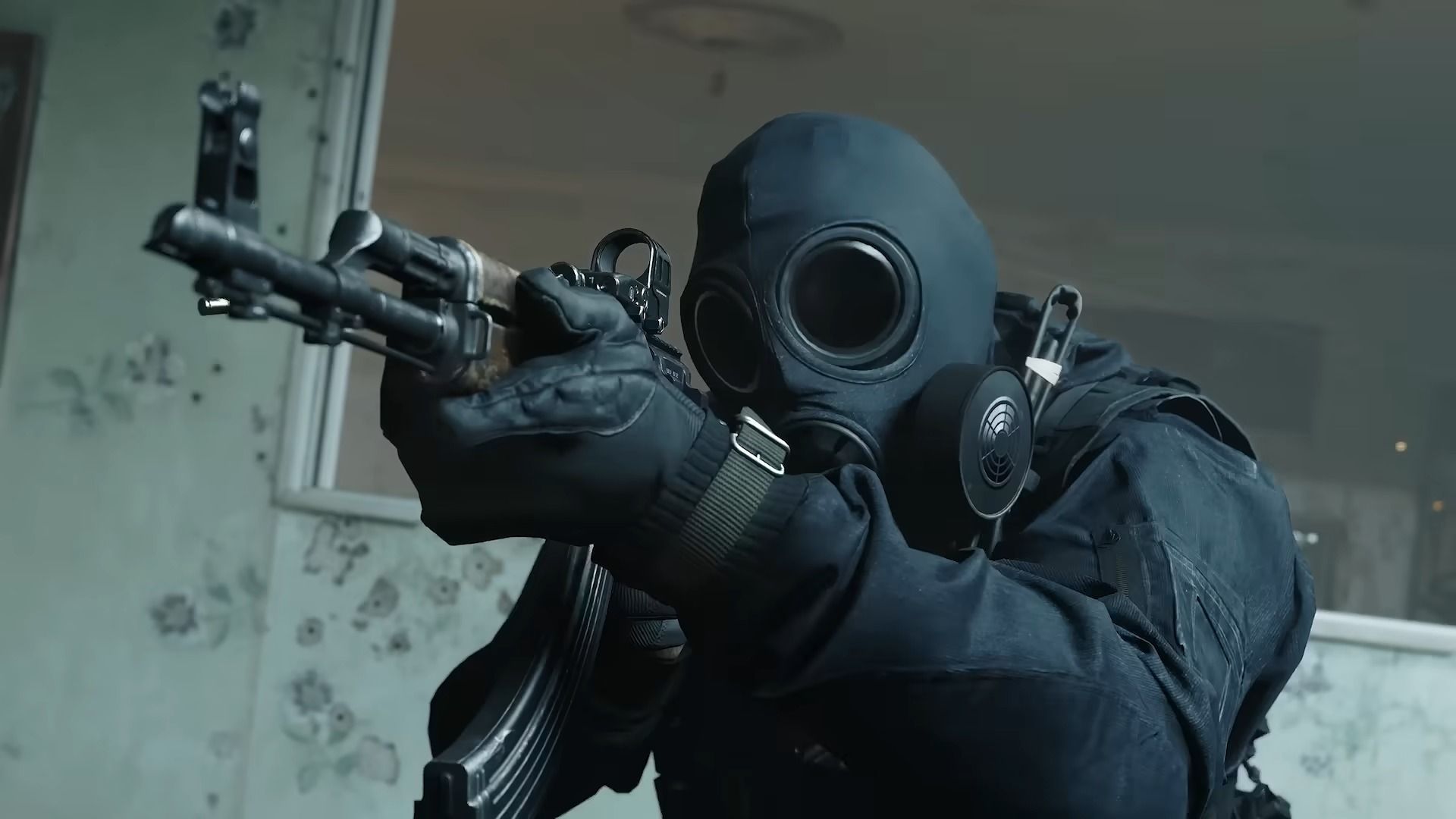
Image: gamesradar.com
DMZ’s early radar meta just took a hit
Infinity Ward’s November 2 Modern Warfare 4 update cuts UAV Tower spawns in DMZ by 40 percent, randomizes where they appear, and removes the previous guarantee that every Point of Interest would have one. That is the strongest change in the latest Modern Warfare 4 DMZ patch notes because it attacks the mode’s first dominant habit: spawn in, light up nearby towers, and turn large chunks of the map into a live radar feed.
Eurogamer, citing Infinity Ward’s patch notes, reports that UAV Towers are also prevented from stacking multiple spawns in the same area. The exception is Deadtown, where multiple towers remain because the area factors into DMZ Order progression. GameSpot separately framed the change as a response to community complaints around UAV Tower spam, reporting that the old setup left much of Hajin under constant radar pings.
The immediate tension is clear. DMZ still rewards information, pressure, and smart ambushes, but the map is no longer as reliably solved from the opening minute. Squads that built their routes around guaranteed tower chains now have to scout first. Squads that were tired of crossing POIs while permanently exposed have more room to breathe, especially with the Sedative Inhaler duration doubled from 60 seconds to 120 seconds in the same update.
The MW4 UAV Tower nerf changes first rotations, not just late fights
Before the MW4 UAV Tower nerf, aggressive teams had a simple early script. Hit the nearest POI, activate the tower, read movement, and either crash weaker squads or post up near the cleanest exfil lane. Eurogamer notes that some players were activating multiple towers immediately after spawning even when they were not looking for a direct fight, because the information alone shaped the lobby.
Randomized spawns make that opener less automatic. A squad cannot assume every named area has a tower to anchor its first fight, and the 40 percent reduction means a bad tower roll can leave a high-value route without the same safety net. That does not delete PvP pressure. It changes where the pressure starts. Teams that still find a tower early will have a stronger local advantage because fewer towers are competing for attention across the map. Teams that do not find one will need to lean harder on audio, sightlines, vehicles, and contract reads.
For competitive-minded DMZ players, the better early route after this Call of Duty DMZ update is likely less greedy. If your squad was previously sprinting tower to tower, you now need a backup plan when the first POI is dark. That means choosing rotations with cover, checking likely tower areas before committing, and treating a missing tower as information in itself. If the area has no radar tool, other squads may also move through it more confidently, which raises the value of holding strong angles rather than chasing pings.
Extraction traps are weaker, but exfil is not safe
The nerf lands hardest on teams using UAV Towers to police extraction zones. Eurogamer points to player reports that some UAV Towers covered extraction areas, making it easier for hostile squads to set traps around players trying to leave. When a tower gave persistent visibility over an exfil route, the defending team could wait for movement instead of exposing itself with a search.
With fewer towers and randomized tower locations, that setup becomes less consistent. You may still run into a squad holding an extraction point with radar support, but it should happen less often if the tower coverage is not guaranteed in every relevant POI. That changes the risk calculation for squads carrying mission items, cash, or recovered gear. Exfil decisions should rely less on the old question of whether the nearest tower is already active and more on broader signs: vehicle noise, gunfire patterns, missing AI, and whether another team has had time to set a perimeter.
The update does not remove the need for discipline at extraction. If anything, it makes sloppy pushes more punishable because teams may overestimate how safe they are without a tower icon nearby. A squad waiting cold, without a UAV ping, can still beat a team that sprints straight to the helicopter. The difference is that the ambush team now has to work harder for its read, and the extracting team has more ways to break line of sight before committing.
Sedative Inhaler is now a real route-planning tool
Infinity Ward also doubled the Sedative Inhaler’s duration from 60 seconds to 120 seconds, according to Eurogamer and Twisted Voxel’s summaries of the November 2 update. That buff matters because it gives squads a longer stealth window against UAV detection while the wider tower system is being toned down.
There is still an unresolved edge case. Eurogamer reports that a particular character trait can prevent UAV Towers from expiring, letting scans remain active for the whole match. Infinity Ward has not directly commented on that trait, according to Eurogamer, but the developer has confirmed a future change: the Sedative Inhaler will also work against towers upgraded by that trait. That fix is not in the November 2 hotfix and is expected sometime in Season 1.
So the confirmed state is mixed. Right now, the inhaler lasts twice as long, which makes it more useful for crossing a watched POI, slipping through a contested extraction route, or repositioning after a teammate is spotted. The larger counterplay fix for trait-upgraded towers is still pending. Until that lands, squads should not treat the inhaler as a perfect answer to every radar problem. It is stronger than it was, but the known permanent-tower concern has not been fully resolved in the live patch described by Eurogamer.
The payout update pushes squads back into the open
The stealth changes arrive alongside a Modern Warfare 4 payout update that makes DMZ activities more lucrative. PCGamesN, citing Infinity Ward’s patch notes, reports that Dynamic Ops now pay between $10,000 and $20,000, up from the previous $5,000 to $10,000 range. Side Ops have been raised from $500 to $2,000, and individual mission step rewards have increased from $300 to $500.
That economy shift matters because it pulls against the safer, quieter play encouraged by the UAV Tower nerf. More money means better recovery after a bad deployment, but it also gives squads a stronger reason to leave low-risk looting patterns and contest objectives. Five Side Ops now match the new minimum Dynamic Op payout, based on PCGamesN’s figures, which gives smaller squads or undergeared players a credible way to rebuild without committing to the biggest objective on the board.
The early meta could split around that choice. Aggressive teams will still chase Dynamic Ops because $20,000 is a meaningful payday. More cautious squads may chain Side Ops, especially now that tower coverage is less reliable and stealth tools last longer. That creates a healthier route spread on paper: fewer squads funneled into the same radar-backed POI fights, more incentives to move through secondary spaces, and less punishment for rebuilding after a wipe.
Season 1 timing leaves a few DMZ questions open
Infinity Ward’s official November 2 patch notes say Season 1 patch notes are due later in the week, ahead of launch on Thursday, November 5 at 9pm PT. PCGamesN reports that the next MW4 DMZ map, X01, launches Friday, November 6 with Season One, which lines up with the time-zone rollover from a late Thursday Pacific launch. PCGamesN also says X01 appears to take inspiration from Building 21, the limited-time Modern Warfare 2 map from 2022, though that comparison is its interpretation of the announced locale rather than a mechanical promise from Infinity Ward in the provided material.
For now, the practical guidance is simple. If you are playing DMZ before Season 1, stop assuming a UAV Tower will be waiting in every POI. Plan routes with a no-radar version in mind, carry or prioritize Sedative Inhalers when you expect to cross watched ground, and treat extraction zones as lower-information fights rather than safe exits. If your bank is hurting, the payout changes make Side Ops far more viable than they were, while Dynamic Ops are now worth contesting if your squad has plates, ammo, and an exit plan.
Modern Warfare 4 is listed by Eurogamer for Nintendo Switch 2, PC, PS5, and Xbox Series X/S. The November 2 update also includes wider fixes outside DMZ, including stability work, Shipment spawn adjustments, a restored dive velocity after a temporary 23 percent reduction, and a temporary disable for the JOKR Launcher’s Infrared mode while Infinity Ward works on an exploit fix. Those changes matter for the full game, but in DMZ the headline is sharper: less guaranteed radar, better stealth uptime, and enough extra cash on the table to keep squads moving.