

A deep dive into Mistfall Hunter’s class-driven PvPvE design, extraction-focused progression, and what to expect from its upcoming open beta and July 29, 2026 launch.
Mistfall Hunter is not shy about what it wants to be. Bellring Games calls it an “extraction RPG,” and that label fits. You drop into hostile zones as a Gyldhunter, scrape together whatever gear and arcane trinkets you can find, and then fight your way back out before the fog and rival squads swallow you whole.
With the open beta running June 14 to June 22, 2026 and full release on July 29, 2026 for PC, PS5, and Xbox Series X|S, this is shaping up to be one of the more interesting spins on the extraction formula.
A PvPvE Loop Built Around Pressure, Not Just Punishment
Mistfall Hunter’s core loop will feel familiar if you have played Escape from Tarkov, The Cycle: Frontier, or Dark and Darker. You gear up in a safe hub, select a contract, drop into the Gyldenmist, hoover up valuables, and then race for extraction.
The twist is how heavily it leans into cooperative action RPG design. Runs support solo or three-player squads, and every character is a distinct class with a defined combat kit, skill tree, and long-term progression path. That immediately shifts the tone away from pure mil-sim tension toward something closer to a dark fantasy MMO dungeon run that can go horribly wrong at any moment.
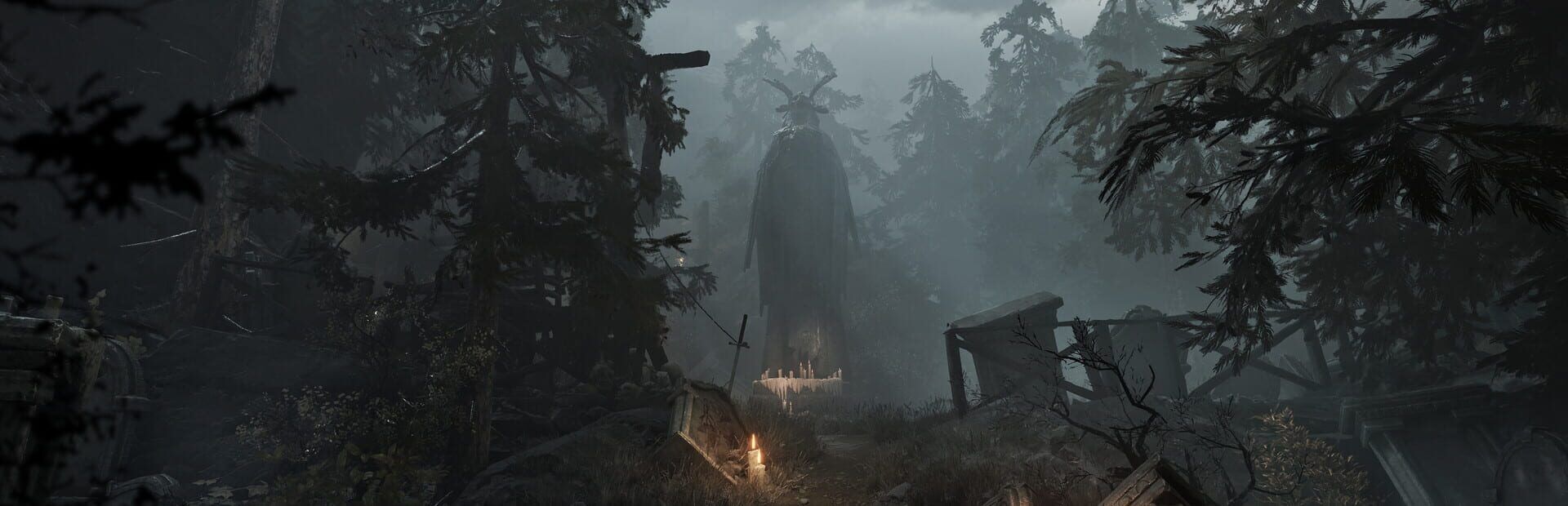
The PvPvE structure means that any expedition can flip without warning. One minute your party is kiting a corroded horror around a ruined chapel, the next you are pincered by another trio of Gyldhunters who have been shadowing you through the mist. The match does not reset to a lobby after every fight. Instead the world keeps rolling, with roaming monsters, patrol routes, and randomized objectives pushing squads toward contested hot spots.
Crucially, Bellring has already talked about easing some of the harsher extraction-style penalties in recent betas. You are still rewarded for successful extractions with gear, currency, and progression, but the game seems less interested in deleting your night’s progress over a single bad ambush and more interested in keeping you queuing up for “one more run.”
Class-Driven Combat: Five Archetypes Plus The Withered Knight
At launch Mistfall Hunter’s roster is built around class identity instead of blank-slate operators. These are not just stat templates. Each class has its own weapon preferences, abilities, and talent options that dramatically change how you approach a raid.
The line-up currently includes Mercenary, Sorcerer, Blackarrow, Shadowstrix, and Seer, with the newly revealed Withered Knight joining as a greatsword specialist.
Mercenary is the bruiser of the bunch. This is your frontline brawler who excels at trading blows with elite monsters and holding chokepoints when another squad pushes your extraction route. Damage mitigation tools and gap closers make Mercenary a natural anchor for less durable party members.
Sorcerer occupies the classic mage fantasy but frames spellcasting around mobility and burst windows. Area denial skills let Sorcerers shape how fights unfold, either zoning PvE packs into kill funnels or forcing human opponents to reposition right when they want to push.
Blackarrow fills the ranged marksman role. The kit is built around positioning, kiting, and sustained damage over time. In an extraction context this makes Blackarrow incredibly important for scouting angles and softening up enemies before your frontliners commit.
Shadowstrix is Mistfall Hunter’s rogue archetype, all about flanking, high-risk assassinations, and battlefield manipulation. In PvPvE terms, this is the player who peels off to trace another squad through the mist, waiting for the perfect moment to delete their healer or secure a clutch third-party wipe while two groups are distracted by a boss.
Seer leans into hybrid support and damage. Depending on talents, a Seer can act as a debuff-heavy controller that makes elite mobs and enemy Gyldhunters more vulnerable, or pivot into a more self-sufficient damage dealer that thrives in smaller, high-skill skirmishes.
The newest reveal, Withered Knight, is where Mistfall Hunter starts to really separate itself from other extraction titles. A disgraced Rose Knight exiled from the kingdom of Gaenaria, this class wields a massive greatsword and uses a sigil-based combat system. You mark enemies with Withering Sigils, then detonate those marks with Reckoning, creating bursts of damage and crowd control. Parry adds a timing-based defensive tool that can swing duels against both monsters and players, while Thorn Guide acts as a kind of spectral grappling pull to reposition priority targets.
Combined with the Withering Talent system that lets you lean into suppression or aggressive line-breaking styles, the Withered Knight feels like it was built for coordinated PvPvE. Think of it as a walking frontline controller that can set the tempo of an entire fight, especially when paired with spell and ranged classes.
Progression That Revolves Around Extraction, Not Just Loot
Progression in Mistfall Hunter is tightly tied to getting out alive, but it is more than just securing higher-tier weapons.
Successful extractions feed into several overlapping systems. There is the expected gear treadmill, where pulling rare weapons, armor, and trinkets out of the Gyldenmist directly improves your kit for the next raid. On top of that, you earn currencies and materials that unlock talents, craft affixes, and expand your build options inside each class.
Bellring is pitching a structure where each run nudges you toward a more defined playstyle. For example, repeated Mercenary extractions might unlock talent paths that specialize in either raw survivability or group-wide buffs that make your party harder to dislodge from contested objectives. A Seer main could funnel resources into a debuff-centric build, turning bosses into glass cannons that melt once your team’s damage dealers get rolling.
Because character power is tied so closely to extraction success, losing a run still stings. You might miss out on that last material you needed for a key talent node or fail to bring home the rare drop that would complete a build-defining combo. The difference compared to harsher extraction titles is that Mistfall Hunter appears to keep some forms of progression insulated from total loss. Talent unlocks, class paths, and certain meta upgrades should persist, softening the blow of an unlucky streak while still keeping the risk-reward loop intact.
This puts the game in an interesting middle ground between hardcore extraction and cooperative ARPG. It is trying to capture the tension of risking your best gear without trapping new players in a bottomless hole every time they die.
How PvPvE Shapes Roles And Party Composition
Because you are always contending with both monsters and other Gyldhunters, party composition matters more than in a typical dungeon crawler.
Classes are designed to answer specific threats. Mercenary and Withered Knight handle front-line pressure, whether that is a charging beast or an enemy trio trying to bully your team away from a loot cache. Sorcerer and Seer manipulate space and tempo, dropping fields, sigils, and debuffs that can lock down choke points or peel back an aggressive push. Blackarrow and Shadowstrix apply constant flanking pressure, either sniping from range or darting in and out of the fog to dismantle distracted squads.
This becomes especially important around extractions. Every squad in the instance knows that the evac point is where value concentrates. You can push early and set up as defenders, betting on your controllers and tanks to outlast all challengers. Or you can arrive late and try to clean up, relying on burst damage and mobility to steal the prize at the last second.
The class kits are tuned for these choices. Parry windows, gap closers, crowd control, stealth tools, and mobility skills all gain extra weight in a game where you are just as likely to be ambushed by humans on your way out as you are to be one-shot by a boss.
What The Open Beta Will Actually Tell Us
The June open beta is not just a stress test. It is the first time a broad audience will get to feel Mistfall Hunter’s extraction loop end to end.
Expect a vertical slice of what Bellring wants the final game to be. You will build a Gyldhunter, pick a class, tinker with early talents, and then repeat runs through a limited set of Gyldenmist zones, watching how your character grows with each successful evac. It should reveal how quickly you progress, how punishing death feels, and whether the PvPvE balance hits the intended sweet spot.
It will also be a test of whether the class fantasy lands for each archetype. If Mercenary feels too fragile, or Sorcerer’s control tools do not meaningfully shape engagements, that will ripple through the entire meta. The Withered Knight in particular will be under scrutiny, since its sigil-based design is a marquee addition used to headline the latest trailer.
Finally, beta data will determine how aggressive Bellring can be with future content. The extraction RPG framework is built to accommodate new classes, bosses, and zones over time. If the beta proves the core loop is fun and the progression curve is satisfying, Mistfall Hunter could carve out a dedicated niche alongside the current crop of extraction games instead of being swallowed by them.
How Mistfall Hunter Differentiates Itself
There are already plenty of extraction-focused games competing for your time, so where does Mistfall Hunter actually stand apart?
The most obvious answer is its commitment to being a true RPG first. Persistent classes with deep talent systems, strong narrative flavor like the Gyldenmist and Gaenaria, and a focus on party roles all point away from the barebones operator kits you see in more grounded shooters. The game wants you to main a class, to chase specific builds, and to feel that investment every time you risk a high-value run.
The second is its tone. This is dark fantasy, not paramilitary simulation. Corroded horrors and towering bosses share the battlefield with rival Gyldhunters. Encounters look closer to boss runs in an action RPG than to the twitchy corner peeks of a tactical shooter, which should appeal to players who like the stakes of extraction design but prefer swords, spells, and grotesque monsters over plate carriers.
Finally, the developers appear willing to tune the punishment curve to avoid making the game a niche-only experience. By tying progression to extraction success while also preserving long-term unlocks and class growth, Mistfall Hunter aims to keep the risk-reward tension alive without turning every death into a rage-quit moment.
If the beta delivers on that promise, Mistfall Hunter could be the extraction RPG that convinces more traditional action RPG fans to give the genre a shot when it launches on July 29, 2026.