
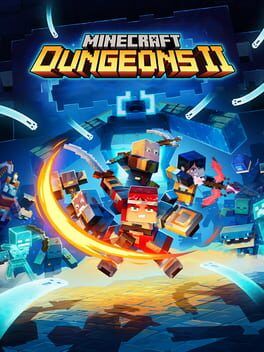
Minecraft Dungeons II is launching day one on Game Pass, but SteamOS and Linux handheld players should check Proton reports before installing on Steam Deck.
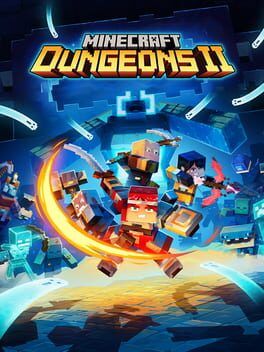
Image: IGDB
Store links: Minecraft Dungeons II on Steam
Minecraft Dungeons II launches into Game Pass with a PC handheld catch
Minecraft Dungeons II launches on September 29 with day-one Game Pass access for Xbox and PC players, but the cleanest route into Mojang’s new dungeon crawler may not be the one Steam Deck owners expect. GamingOnLinux reported on launch day that the sequel currently appears to run into a black screen on SteamOS and Linux when played through Valve’s Proton compatibility layer.
That creates an unusually sharp split for a game built around quick co-op sessions, loot progression, and account-linked play. TheXboxHub reports that Minecraft Dungeons II is headed to Xbox Series X|S and PC with day-one Game Pass access, while the platform-focused Dungeons II guide lists Xbox Series X|S, the Xbox PC app, and cloud as Game Pass paths for the Standard campaign. Steam, however, is described in that same guide as a separate PC license, even though it still links to a Microsoft account.
For players on a Windows desktop or Xbox console, the launch proposition is straightforward: install through the subscription you already use, or buy the edition you want. For PC handheld players, the question is more specific. A Windows handheld using the Xbox PC app sits much closer to the Game Pass plan described by the platform guide. A Steam Deck running SteamOS depends on the Steam version and Proton, and that is exactly where the reported launch issue sits.
What Game Pass includes, and where the license lines are drawn
The reported Game Pass arrangement is useful, but it is not universal across every storefront. The Dungeons II platform guide, last updated before launch, says day-one Game Pass is confirmed for Xbox Series X|S, Xbox on PC, and Xbox Cloud Gaming. It also states that the Game Pass route covers the Standard campaign rather than the Deluxe Edition.
That distinction matters because Minecraft Dungeons II is a loot-driven action RPG rather than a one-and-done linear release. The FAQ maintained at minecraftdungeons.wiki describes the sequel as using weapons, armor, artifacts, talismans, and enchantments instead of permanent character classes. It also says the sequel adds large connected regions, main and side quests, jumping, twelve combat slots, random item effects, rechargeable unlimited ammunition, an expanded enchanting system, and rifts leading to the Sift. If you expect to settle into a long-term build path, the store route you choose is effectively the foundation for where that progression lives.
According to the same platform guide, Xbox Play Anywhere applies to the Microsoft Store and Xbox purchase path, meaning one purchase covers Xbox console and PC through Microsoft’s ecosystem. Steam is described separately as its own PC license. The guide says Steam friends and Xbox friends can still sit in the broader account structure because Mojang’s live services use a Microsoft account, but a Steam purchase is not the same entitlement as the Xbox and Microsoft Store version.
The Deluxe Edition is also separate from the subscription baseline. The FAQ says Standard is priced at $29.99 in the United States, while Deluxe is $49.99 and includes the base game, four hero skins, the Soul Cape, the Blub pet, and DLC 1 and DLC 2 when those packs release. The platform guide says Game Pass does not include Deluxe by default, so subscribers who want those extras should expect an upgrade path rather than assuming the subscription grants every cosmetic and future DLC item.
The reported SteamOS problem is a Proton issue, not a canceled platform
GamingOnLinux’s report is careful about the current evidence: Minecraft Dungeons II appears to have issues on SteamOS and Linux, and the site says it was told the problem involves Microsoft Game Services failing under Valve’s Proton compatibility layer, leading to a black screen. That is a reported launch failure, not an official Linux support statement from Mojang or Microsoft.
WindowsForum’s coverage of the same report adds an important boundary for readers trying to diagnose the problem. It notes that GamingOnLinux did not provide logs, a Proton version, or a reproducible test procedure in the source text available, so the Microsoft Game Services explanation remains unconfirmed from the public evidence. It also points out that a Microsoft account requirement on Steam does not by itself prove which component is causing the black screen.
The official support picture is still narrower than many Steam Deck players may expect. WindowsForum says the game’s official system requirements list Windows 10 64-bit, version 1703 or newer, for both minimum and recommended configurations, plus DirectX 11, and do not list Linux or SteamOS. That matches the practical reality of Proton gaming: many Windows games work well on Linux-based devices, but a Steam page is not the same thing as a native SteamOS support commitment.
GamingOnLinux also reported a brief Bluesky exchange with Mojang developer Marc Watson. According to the site, Watson initially wrote that he did not believe Mojang had said anything about supporting SteamOS or Linux, adding that choosing or adding platforms is a major undertaking based on priorities, opportunity, and team bandwidth. GamingOnLinux then updated its article to say Watson deleted that post and followed up by saying he removed it because platform choice has nothing to do with his work. The deletion matters. His first comment is useful context about how platform support is chosen in general, but it should not be treated as an official platform policy for Minecraft Dungeons II.
Why the first Minecraft Dungeons working on Linux does not settle the sequel
One reason this story is likely to frustrate handheld players is that the first Minecraft Dungeons has a better reputation under Linux than the sequel appears to have at launch. GamingOnLinux explicitly notes that the first game works, while the sequel currently appears to have trouble on SteamOS and Linux.
That history is encouraging, but it is not a compatibility guarantee. Minecraft Dungeons II is described by the FAQ as a direct sequel that keeps the dungeon-crawling core while replacing the first game’s mission-select structure with a connected fixed world and expanding the equipment model with four armor slots and three talisman slots. Those design changes do not automatically explain a Proton failure, but they reinforce that this is a new PC release with its own dependencies, services, and storefront behavior.
The Microsoft Game Services detail, if confirmed, would also make the problem less about raw graphics performance and more about launch requirements. A Steam Deck can often brute-force surprising Windows games through Proton, especially when the barrier is rendering API translation or controller mapping. A dependency tied to Microsoft’s Windows gaming stack is a different class of issue. GamingOnLinux says Microsoft Game Services is heavily tied to the Microsoft Store on Windows, which is why the site found the reported Proton failure unsurprising. That remains an interpretation from the outlet until Mojang, Microsoft, Valve, or a documented Proton fix clarifies the exact cause.
This is the key distinction for Minecraft Dungeons II Linux players: the game being on Steam does not mean the SteamOS path is verified, and the original game working does not mean the sequel inherits that status. The sources currently support a narrower reading: Windows is the listed PC target, SteamOS has a reported black-screen problem, and the community is already looking at the Proton GitHub issue for evidence and possible workarounds.
The safest route depends on the handheld you own
If you are playing on Xbox Series X|S, a Windows PC, or a Windows handheld with access to the Xbox app, the Game Pass route looks like the least risky launch-day option. The platform guide lists Game Pass for Xbox Series X|S, Xbox on PC, and cloud, while TheXboxHub frames the launch around Game Pass access on Xbox Series X|S and PC. The Minecraft Wiki lists a Windows and Xbox size of 9.06 GB, which also suggests a relatively modest install compared with many current action RPGs, although file sizes can vary by platform and updates.
If you are on Steam Deck running SteamOS, the practical advice is different. Treat Minecraft Dungeons II as a Windows-listed Steam game with a reported Proton launch problem until there is a clear compatibility update. GamingOnLinux says there is a bug report on Valve’s official Proton GitHub where people are trying to work through the issue, but the provided sources do not establish a stable workaround, a Proton version fix, or a setting that reliably gets players past the black screen.
Cloud play may be the fallback for some subscribers. The platform guide lists Xbox Cloud Gaming through Game Pass and specifically frames it as useful when a laptop misses recommended specs. That does not solve native Steam Deck ownership or offline play, and cloud availability depends on plan and region according to the FAQ’s Game Pass note. Still, for a player who mainly wants to start the campaign, test the combat loop, or join friends on launch day, cloud access may be less painful than fighting a Proton issue with no confirmed fix.
Nintendo Switch, Switch 2, and PlayStation 5 sit outside the Game Pass question. The FAQ lists those as confirmed platforms, while the platform guide stresses that Switch and Switch 2 are separate products. Those versions may make sense for players who want a console handheld route, but they do not answer the specific SteamOS compatibility question and should not be confused with the Windows PC or Steam entitlements.
Build-focused players should think about progression before picking a storefront
Minecraft Dungeons II’s systems make platform choice more consequential than it might first appear. The FAQ describes a classless build model built from weapons, armor, artifacts, talismans, and enchantments. It also says co-op supports solo play plus local or online parties of up to four, and that Steam and Xbox product pages list cross-platform multiplayer features without documenting every individual platform pairing.
For a progression player, that means the first few hours are likely to involve experimentation rather than a disposable tutorial run. You may be testing how the new armor slots change survivability, whether talismans push you toward specific artifact rhythms, and how random item effects shape the early loot chase. If you start on a platform because it was convenient, then discover your preferred handheld cannot run that version, the friction lands right in the middle of build planning.
The cleanest ecosystem route, based on the platform guide, is Xbox Play Anywhere through Microsoft’s store path if you plan to move between Xbox console, Windows PC, and cloud. The most flexible PC storefront route in social terms may still be Steam for some players, especially if that is where their friends manage libraries, but Steam currently carries the reported SteamOS risk. Those are different tradeoffs. One is about entitlement and supported devices, the other is about storefront preference and Proton compatibility.
Players who care about Deluxe content should also avoid assuming Game Pass is a complete long-term ownership plan. The Deluxe Edition includes DLC 1 and DLC 2 when released, according to the FAQ, while Game Pass is described by the platform guide as access to the Standard campaign. If you expect to chase every questline and post-launch pack, check the edition and upgrade path before you commit your main save routine to a platform.
What to check before installing on SteamOS or Linux
At launch, the responsible read is that Minecraft Dungeons II Game Pass access is real for Microsoft’s supported subscription paths, while Minecraft Dungeons II SteamOS support is unconfirmed and currently troubled by reports of a black screen through Proton. GamingOnLinux has reached out to Mojang and Microsoft for clarification, but the provided source material does not include an official response from either company.
Before installing on Steam Deck or another Linux handheld, check whether Valve has assigned a Steam Deck compatibility rating, whether the Proton GitHub issue has a documented fix, and whether Mojang or Microsoft has commented on the reported Microsoft Game Services dependency. A community comment, a deleted developer post, and a black-screen report are all signals, but they are not the same as an official compatibility notice or patch note.
If your goal is simply to play on launch day, use the path that matches the sources: Game Pass through Xbox Series X|S, the Xbox PC app on Windows, or cloud where your plan and region allow it. If your goal is specifically to play the Steam version on SteamOS, waiting for verified Proton reports is the safer choice. Minecraft Dungeons II may be a natural fit for handheld dungeon runs, but right now the confirmed launch access and the reported Linux behavior point in different directions.