
Build a Rocket Boy’s legal action against YouTuber Cyberboi has turned the troubled MindsEye launch into a wider dispute over creator criticism, alleged sabotage, and creditor recovery.
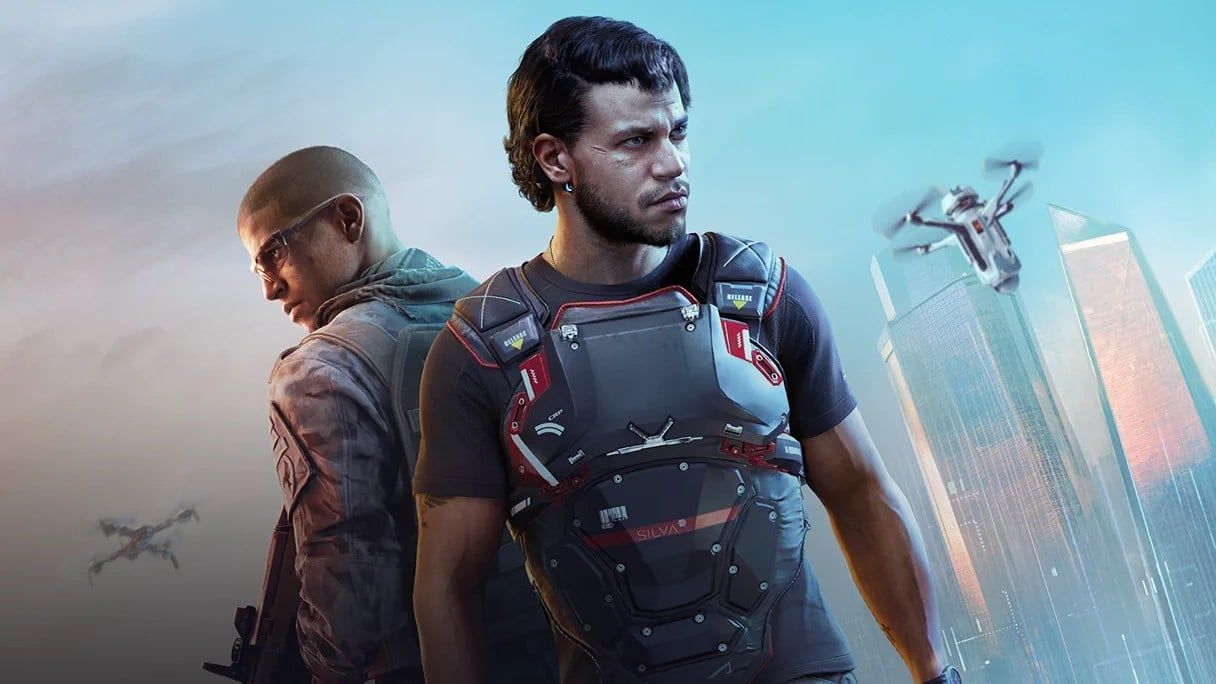
Image: kotaku.com
Cyberboi says the MindsEye lawsuit could cost him his home
UK-based YouTuber Cyberboi says he is likely to lose his home even if he wins the legal fight brought by MindsEye developer Build a Rocket Boy, according to a statement he provided to Insider Gaming and subsequently reported by Eurogamer, Kotaku, Games.gg, and Dexerto.
The immediate tension in the MindsEye lawsuit is stark: Build a Rocket Boy alleges that outside actors helped sabotage the game’s success, while one of the named creators says the legal process itself may financially ruin him regardless of the final result. Cyberboi told Insider Gaming that he “categorically” denies the allegations against him. He also said, “Even if I win, it would appear that I will lose my home as a result of this.”
That claim has pushed the Build a Rocket Boy Cyberboi dispute beyond the usual perimeter of post-launch backlash. The case is drawing attention because it sits at the intersection of a poorly received game, an insolvent studio, creator criticism, and a legal strategy that administrators have identified as a possible route to recover money for creditors. None of the available reporting establishes that Cyberboi sabotaged MindsEye. What is confirmed by the cited reports is that Build a Rocket Boy has pursued legal proceedings connected to alleged sabotage, that Cyberboi says he is involved in those proceedings, and that he denies the claims.
The court order at the center of the dispute
According to Cyberboi’s statement to Insider Gaming, Build a Rocket Boy obtained a court order in August after a private hearing he did not attend. He said the studio told the court he was one of the most significant people covering MindsEye online and alleged he was part of a conspiracy to sabotage the game.
Cyberboi said the order required him to allow access to his home for two days while his electronic devices were copied. Insider Gaming described this as an imaging order, and Eurogamer, Games.gg, Kotaku, and Dexerto all reported Cyberboi’s account of representatives copying his devices.
A further hearing took place on November 26 and 27, according to Cyberboi and court listings cited by Dexerto, to decide whether the copied material should be returned to him or held by third-party IT experts pending a potential trial. Cyberboi said he does not expect a ruling until January.
That procedural detail matters because the dispute is not only about a creator being sued after negative coverage. It is also about access to a critic’s digital devices, the handling of copied material, and the balance between evidence preservation and personal risk. Based on the available source material, the court has not yet made the January ruling Cyberboi expects, and the reports do not provide a final finding on the allegations.
Build a Rocket Boy’s sabotage theory remains an allegation
Build a Rocket Boy has accused alleged “saboteurs” of undermining MindsEye through what Insider Gaming and Eurogamer describe as an alleged €1 million smear campaign. The company’s co-CEO Mark Gerhard had previously named Cyberboi and Ritual Network in internal calls as being responsible for the game’s downfall, according to Insider Gaming and Eurogamer.
Those are allegations, not proven findings in the reporting provided. Cyberboi denies them. Ritual Network did not respond to requests for comment before the original report was published, according to Eurogamer, and Build a Rocket Boy also did not respond before that publication’s report.
One of the most scrutinized details is Cyberboi’s claim about performance coverage. He said some original accusations from Gerhard treated his discussion of MindsEye’s frame rates as evidence that he must have accessed internal company documents and published confidential information. That claim comes from Cyberboi’s account of the allegations, and the available source material does not include Build a Rocket Boy’s evidentiary response.
For players and creators watching the MindsEye YouTuber lawsuit, this is the key line between confirmed fact and contested interpretation. It is confirmed that Cyberboi says frame-rate discussion formed part of the original accusations. It is not confirmed in the provided material that he accessed internal documents, that frame-rate information was confidential, or that his coverage was part of a coordinated campaign.
Administration changes the incentives around the legal fight
The Build a Rocket Boy legal dispute is unfolding while the studio is in serious financial distress. Eurogamer reported that Build a Rocket Boy recently entered administration with £61.7 million in debt. Dexerto places the administration in September 2026. Eurogamer reported that a large portion of the debt appears to be owed to Chinese gaming company NetEase, approximately £36.5 million, while more than £1 million appears to be owed to Build a Rocket Boy founder Leslie Benzies.
Games.gg reported that administrators identified litigation as the company’s largest potential asset, including possible recoveries through action against alleged saboteurs. Eurogamer similarly reported that the administrators listed possible legal action against alleged saboteurs as one way of recovering money for creditors.
That financial context changes how the case is read. A legal action can be framed by a company as an attempt to prove wrongdoing and recover losses. It can also appear, from the outside, as an expensive final asset play after a failed launch and heavy debt. Cyberboi has questioned the logic of the case, saying he is concerned Build a Rocket Boy is asking investors to fund a case based on false allegations, while claiming that he has no money even if the company wins.
That is Cyberboi’s position, not a court finding. Still, it explains why the lawsuit is receiving scrutiny from gaming audiences who usually treat post-launch criticism as part of the market feedback loop. If litigation becomes a creditor-recovery strategy after commercial failure, the incentives around criticism, internal accountability, and public blame become much harder to separate.
MindsEye’s launch criticism is now part of the legal battlefield
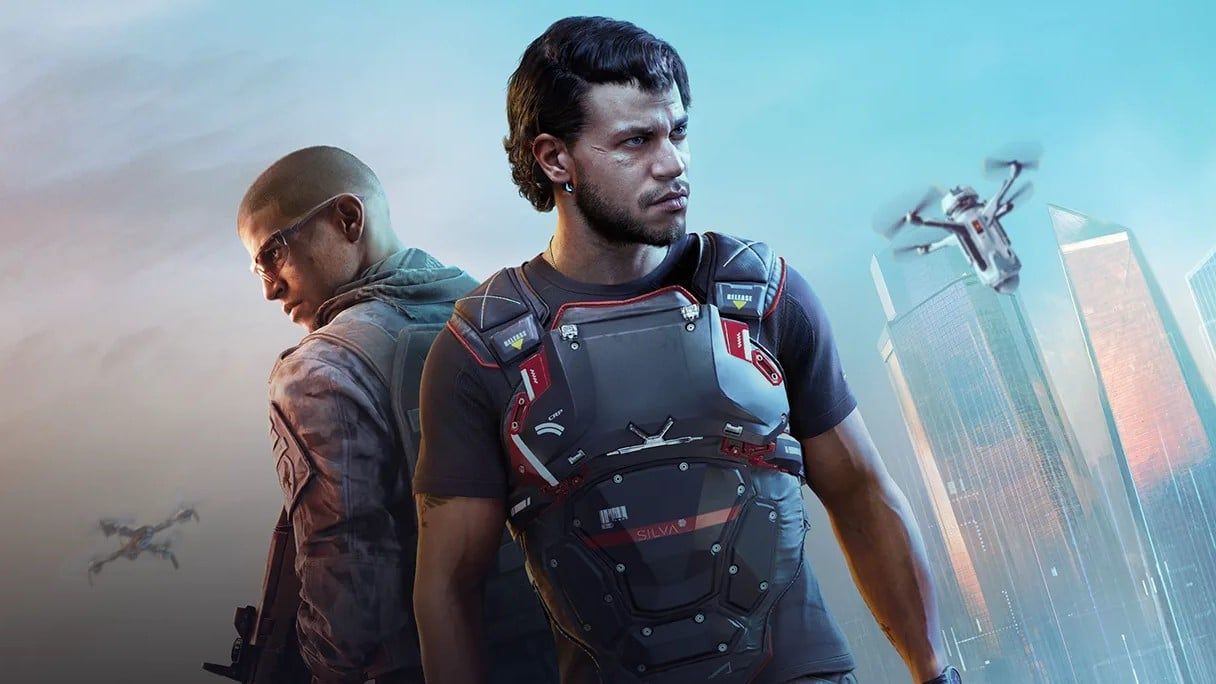
MindsEye was Build a Rocket Boy’s first game, with Kotaku describing the studio as founded by former Rockstar North president Leslie Benzies in 2018. Kotaku characterized MindsEye as resembling a cyberpunk-tinted Grand Theft Auto and said it was undercooked upon release, while Dexerto called its June 2025 launch disastrous. Those are outlet assessments, not findings from the lawsuit, but they form the public backdrop to the case.
The scrutiny around the MindsEye lawsuit comes from the way post-launch criticism appears to have become entangled with allegations of sabotage. Negative coverage, performance complaints, glitch videos, and creator commentary are normal pressure points for a troubled game launch. A studio can dispute unfair coverage, challenge false claims, or pursue genuine misconduct. The hard part is proving where criticism ends and coordinated sabotage begins.
The sources provided do not show that line has been established in court. Cyberboi says Build a Rocket Boy’s solicitors have withdrawn evidence against him over the past three months. That is his allegation about the litigation, and the available reports do not include a response from Build a Rocket Boy. Former staff, according to Kotaku, have pointed instead to mismanagement as the root of MindsEye’s problems, which further complicates any simple claim that outside critics caused the game’s downfall.
From a strategic view, this is the pressure point for Build a Rocket Boy. If the company can substantiate a coordinated smear campaign, the case becomes a serious test of how studios respond to organized reputational attacks. If it cannot, the legal push risks reinforcing the perception that public criticism is being recast as sabotage after a failed launch.
What remains unresolved before the January decision
The next practical milestone, based on Cyberboi’s statement, is the expected January ruling on whether copied material from his devices should be returned or remain with third-party IT experts pending a potential trial. Until then, the public record described in the source material is incomplete.
Readers should separate three layers of the Build a Rocket Boy Cyberboi story. First, there are confirmed procedural details reported through Cyberboi’s statement and court listings cited by Dexerto: legal proceedings exist, hearings occurred on November 26 and 27, and Cyberboi says an August imaging order led to his devices being copied. Second, there are allegations from Build a Rocket Boy about sabotage and an alleged €1 million smear campaign, which Cyberboi denies. Third, there are broader interpretations about MindsEye’s failure, including outlet criticism of the game’s launch and Kotaku’s reporting that former staff attributed problems to mismanagement.
Cyberboi has said he plans to publish a video explaining what has happened in detail. Build a Rocket Boy and Ritual Network did not respond to requests for comment before Eurogamer’s original report was published, according to Eurogamer.
For players, the immediate guidance is simple: treat the MindsEye YouTuber lawsuit as an unresolved legal dispute, not as proof that creator criticism was sabotage or that the studio’s claims are baseless. The available reporting supports a narrower conclusion. A financially distressed studio is pursuing legal action tied to alleged sabotage of MindsEye, a named YouTuber denies the allegations and says the fight could cost him his home, and the case is now testing how far a post-launch accountability fight can move from public criticism into the courts.