
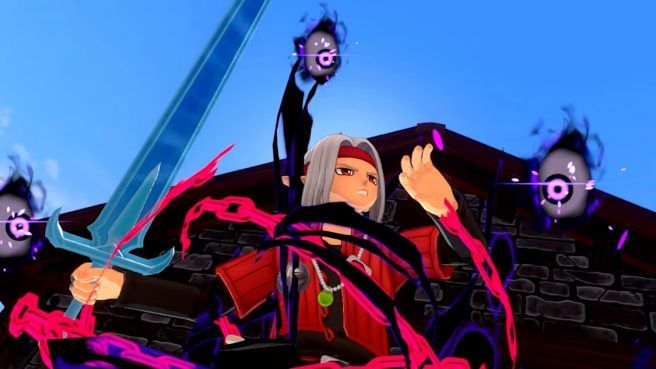
Famitsu's November 28, 2026 scores put Million Depth at 32/40, with praise for its crafting, atmosphere, and stop-time combat, while GTA 6 and StarVaders frame the week.
Image: nintendoeverything.com
Million Depth earns a strong but uneven 32/40 from Famitsu
The latest Famitsu review scores for November 28, 2026 have one obvious headline grabber, but the more useful signal for import-minded and eShop-focused players is Million Depth. According to NintendoEverything’s report of the new Famitsu scores, Million Depth received 9/8/8/7 from the magazine’s four reviewers, for a total of 32/40.
That places it behind Grand Theft Auto 6, which Famitsu scored 10/10/9/10 for a 39/40, and narrowly ahead of StarVaders, which received 8/8/8/7 for a 31/40. The spread is the story. Million Depth did not land as a unanimous critical darling, but the quoted Famitsu text points to a game with distinct systems, a carefully built mood, and some usability friction around crafting.
For readers searching for the Million Depth Famitsu score, the useful takeaway is not simply that it crossed the 30-point line. It is that one Famitsu reviewer went as high as 9 while another landed at 7, suggesting a game whose specific pleasures may depend heavily on tolerance for menu work, weapon tinkering, and a deliberately lonely underground descent.
How to read the Famitsu scores this week
Famitsu’s format matters because its totals can flatten disagreement. NintendoEverything notes that each reviewed game is scored by four editors, each out of 10, with the four numbers added for a maximum of 40 points. Wikipedia’s overview of Famitsu scores describes the same structure and notes that Famitsu, formerly Famicom Tsūshin, has been part of Japanese games media since 1986.
That makes a 32/40 a different kind of recommendation than a single 8/10. Million Depth’s 9/8/8/7 tells us there was broad approval, but not uniform conviction. StarVaders’ 8/8/8/7 is slightly lower and similarly clustered. GTA 6’s 10/10/9/10, by contrast, shows near-total agreement among Famitsu’s four reviewers in the material reported by NintendoEverything.
Famitsu scores also carry a particular historical weight in Japanese game coverage. Wikipedia’s Famitsu score list says the magazine’s first perfect 40/40 went to The Legend of Zelda: Ocarina of Time in 1998. Recent reporting from Nintendo Life and VGC on the Switch 2 remake of Ocarina of Time again emphasized Famitsu’s four-reviewer format when that remake received 37/40. That context does not make every Famitsu number definitive, but it explains why these weekly scores still travel quickly among players tracking Japanese game reviews.
The appeal of Million Depth is in its weapon-building friction
The most revealing part of this week’s report is the quoted Million Depth review text from Famitsu, published by NintendoEverything. Famitsu describes a game built around remotely controlling “funnel-type weapons” and crafting weapons from locally sourced materials. The reviewers say both actions require effort to operate, which is the first clear caution for players who prefer clean loadout menus and immediate action readability.
The same passage frames that effort as part of the game’s identity rather than a simple flaw. Famitsu says the game has a kind of looseness where “anything goes as long as the parts are attached,” and that the resulting changes to a weapon’s appearance increase attachment to the gear. For a systems-focused player, that is the most important line in the whole review excerpt. Million Depth appears to be selling the fantasy of assembling something personal out of scavenged parts, then watching that creation become visually and mechanically yours.
That also tells us where expectations should be set. This does not sound, from the Famitsu excerpt, like a game chasing frictionless optimization screens. The pleasure appears to come from experimentation, imperfect assembly, and ownership over strange equipment. If you play RPGs and action hybrids for builds, oddball gear identity, and the satisfaction of making a tool fit your route, Famitsu’s comments make Million Depth worth watching. If a fiddly crafting interface is a dealbreaker, the same source gives you reason to wait for more impressions.
Combat pauses for thought, but the crafting menu draws a warning
Famitsu’s review text, as quoted by NintendoEverything, describes Million Depth’s battle system as intuitive like an action game, with one crucial twist: time stops while the player is standing still. The reviewer says this lets players carefully consider attacks and dodges. That detail positions Million Depth closer to tactical action than pure reflex combat, at least in the way Famitsu experienced it.
For players who enjoy deliberate dungeon routing and build expression, that stop-time behavior could be the bridge between action and planning. It suggests space to read enemy movement, consider weapon placement, and make choices under pressure without requiring constant real-time execution. The source does not provide deeper mechanical details, so it would be a mistake to label it as a specific genre hybrid beyond what Famitsu describes. Still, the quoted review clearly values the ability to pause through stillness and think.
The caveat is equally clear. Famitsu says “it would have been even better if the crafting menu was easier to use.” That is the sharpest practical criticism in the available text. The reviewers like the act of arranging parts to make weapons, and one says they are looking forward to crafting, but the menu itself appears to have enough friction to mention in a short excerpt. For completionists, build planners, and players who spend long sessions in equipment screens, that one sentence is worth holding onto.
Atmosphere may be Million Depth’s strongest hook
Beyond systems, Famitsu’s quoted text gives Million Depth a strong atmospheric identity. The review praises an “ephemeral atmosphere” depicted in pixel art, the use of background music, and the story of descending into the depths of an underground world. Another quoted passage describes dim underground visuals, a relentless downward structure, sudden beautiful scenery, and encounters with charming robots.
That language is unusually specific for a score roundup. It suggests that Million Depth’s progression is not only numerical or mechanical. The descent itself appears to be part of the emotional arc, with route charts and stage transitions leaving room for imagination, according to Famitsu’s review text. For an RPG audience, that is where the game becomes interesting as a journey rather than a checklist. The source material does not outline quests, party structure, endings, or character progression, so those remain unanswered. What is supported is a focus on downward movement, isolation, crafted weapons, robots, pixel-art mood, and music.
The tension is that Million Depth’s score spread matches that description. A lonely, systems-heavy underground game with menu friction and unusual weapon construction is exactly the kind of release that can inspire one reviewer and mildly frustrate another. The 32/40 total is positive, but the 9 and 7 sitting in the same row are a useful warning against treating it as a universally safe recommendation.
StarVaders and GTA 6 frame the import and eShop watchlist differently
StarVaders received 8/8/8/7 from Famitsu, according to NintendoEverything, for a total of 31/40. The provided source text does not include a review excerpt for StarVaders, so there is less to responsibly say about its systems, story, performance, or platform-specific appeal. As a score signal, it sits close to Million Depth, but without the supporting review language that helps explain who might connect with it.
Grand Theft Auto 6, meanwhile, towers over the week numerically with 39/40. NintendoEverything lists the individual scores as 10/10/9/10. For readers tracking Famitsu scores broadly, that is the week’s highest mark by a wide margin. For import and eShop shoppers, however, the provided material gives more actionable texture for Million Depth than for GTA 6. A higher score does not automatically answer questions about platform availability, price, download size, localization, or regional storefront timing.
NintendoEverything’s headline for the same post also references a cozy railway puzzler making it to Nintendo Switch 2, and the article is filed in the outlet’s Switch category. However, the supplied review-score text lists only Grand Theft Auto 6, Million Depth, and StarVaders, and it does not provide the railway game’s title, price, release date, or score. That gap is worth keeping separate from the confirmed Famitsu numbers rather than filling it with assumptions.
How to use this roundup before buying or importing
The practical guidance from this Famitsu review scores November 28 2026 roundup is cautious but useful. Million Depth has the clearest personality of the three games in the available reporting. Famitsu praises its pixel-art atmosphere, music, underground descent, route-chart presentation, stop-time combat consideration, and flexible weapon crafting. Famitsu also flags that the funnel-style weapon control and material-based crafting take effort, and that the crafting menu could be easier to use.
If your ideal RPG-adjacent game gives you strange tools, visible customization, and room to plan attacks instead of relying only on reflexes, the Million Depth Famitsu score should put it on your watchlist. If you are sensitive to awkward menus, or if you need confirmed platform, localization, performance, and pricing information before buying from a regional storefront, the current sources do not answer those questions. Waiting for store pages, platform-holder listings, or longer reviews would be the safer move.
For StarVaders, the 31/40 score is a modestly positive signal, but the absence of quoted review detail in the provided source limits any buyer’s-guide read. For GTA 6, Famitsu’s 39/40 is the strongest numerical result of the week, though it belongs to a very different kind of release and comes without additional practical storefront detail in the supplied report. The best use of Famitsu scores here is as an early filter: Million Depth looks like the smaller release with the most distinctive systems hook, but its own review excerpt tells players to expect a little resistance on the way down.