
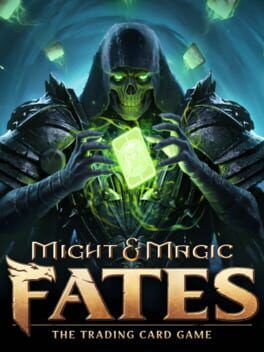

Breaking down Ubisoft’s Might and Magic Fates open beta on mobile: how matches work, how NFT cards and progression plug into the TCG, and who can actually get in right now, with the focus squarely on mechanics and player experience.
Ubisoft is using Might and Magic Fates to bring its long‑running fantasy universe into mobile trading card games, while quietly testing blockchain tech in the background. The result in open beta is a fairly traditional TCG at its core, where deck building, card synergies and long‑term progression matter more than whether your cards are on‑chain.
How matches work in Might and Magic Fates
Matches in Fates feel familiar if you have played other digital TCGs. You assemble a deck built around a main hero, then face off against another player (or AI) on a lane‑based board where creatures, spells and special effects trade blows over several turns.
Each turn, you draw from your deck and spend a resource to play cards. Different cards lean into classic Might and Magic archetypes: sturdy defensive units, fragile glass‑cannon mages, utility creatures that buff allies, and direct damage or control spells. Positioning and timing matter, because you are constantly juggling when to commit units to the board, when to hold removal for a bigger threat, and when to push for lethal.
The game uses a structure that encourages back‑and‑forth tempo swings rather than quick, one‑sided blowouts. Early turns are about establishing a foothold and reading your opponent’s plan. The midgame is where combos and faction identities come online, and late turns often revolve around high‑impact cards that can flip the board. The outcome of a match still comes down to classic TCG fundamentals: card advantage, sequencing and understanding what your opponent’s deck is capable of.
Deck building and faction identity
Deck building in Fates is where a lot of the depth sits. Ubisoft is leaning on the Might and Magic universe for flavor, but mechanically you have a lot of flexibility. You pick a hero, which sets a broad playstyle and influences your pool of preferred cards, but you are not fully locked into a single faction’s card list.
This means you can brew decks that mix familiar fantasy roles. Aggressive lists try to curve out with low‑cost creatures and pressure the opponent’s life total before they stabilize. Control and midrange shells seek to grind with removal, card draw and value engines. There is room for synergy‑driven builds that revolve around a specific tag, tribe or mechanic, chaining smaller effects into large swing turns.
The card designs aim to support both newcomers and more experienced deck crafters. Straightforward vanilla units and simple combat tricks give new players something easy to understand, while more advanced cards reward planning and sequencing, such as effects that trigger only if you have already played a certain number of spells or maintained board presence for several turns.
How NFT cards plug into actual gameplay
On the surface, playing Fates does not feel dramatically different from any other mobile TCG. You download the Android app, make an account, build decks and queue into matches. You can play entirely with non‑NFT cards and still access the full core gameplay loop.
Where blockchain shows up is in how some cards are treated behind the scenes. Certain cards can exist as NFT versions that live on Immutable’s infrastructure. Functionally, they play the same in a match as their non‑NFT counterparts. Their stats, text and in‑game balance are not boosted because they are on‑chain, and Ubisoft has emphasized that they are not designed to offer competitive advantages.
From a player’s perspective, the difference is mostly about ownership and portability. NFT cards can be traded in supported regions, or moved between compatible wallets and marketplaces outside the game client. If you choose to engage with that layer, it turns high‑rarity or cosmetic‑leaning cards into items you can hold and manage beyond the app. If you do not care about crypto at all, Fates still behaves like a regular free‑to‑play card game, with progression systems that unlock and upgrade cards through play.
Progression that carries into full release
One of the big draws of the open beta is that it is not a temporary test server that wipes everything later. Ubisoft has confirmed that progress in Might and Magic Fates during the beta will carry over when the game fully launches.
That persistence covers your unlocked cards, achievements and general account progression. If you put time into building a collection now, that collection will be waiting for you post‑launch. Any NFT cards you obtain before or during beta are also intended to remain usable afterward, since they exist independently of beta servers.
In practice, this means that refining decks, climbing any early ladders or experimenting with different heroes during open beta is useful preparation rather than throwaway testing. It softens the usual beta friction where players feel reluctant to invest hours into a profile that might get reset.
Where you can actually play the open beta
The open beta is not yet worldwide, so whether you can dive in depends on where you live and what device you own.
Right now, Might and Magic Fates is running an Android‑only open beta. You access it via the regional Google Play release. Ubisoft is rolling out the test in stages to control server load and gather feedback.
The first wave of the open beta targets players in Poland and Ukraine. If your Google Play account is set to one of those countries, you can download the app directly, create an account and start playing. The servers and matchmaking are active for those regions, and progression is persistent.
Outside those countries, access is more limited. Ubisoft has given early entry to players who hold specific founder‑style passes tied to the project, such as Founder or Key Keeper status. These roles grant access regardless of region once verified, letting more dedicated fans and community members start testing even if they are not in Poland or Ukraine. New sales of these passes are paused during beta and are expected to return around the global launch window.
Ubisoft has already confirmed plans for a broader rollout and future platforms, including iOS and PC, but those versions are not part of the current open beta. For now, the live test is strictly focused on Android phones and tablets.
What the overall player experience feels like
Playing Might and Magic Fates in its open beta form is less about learning a brand new genre and more about seeing how Ubisoft translates a classic universe into mobile TCG format. Matches are short enough to fit on commutes or breaks, but have enough decision points to reward skillful play. The familiar rhythm of tempo, card advantage and deck archetypes is intact, making it easy to read boards and understand why you are winning or losing.
The blockchain layer sits off to the side of that experience rather than in front of it. Once you are in a match, what matters is whether you kept a solid opening hand, sequenced your plays correctly and built a deck with a coherent plan. NFT cards matter mostly when you are thinking about long‑term collection value or trading in supported regions, not when you are making the call to trade creatures or hold back a removal spell.
For Might and Magic fans, the appeal is seeing familiar themes, factions and fantasy beats represented as cards and combat effects on a phone. For TCG players, the interest lies in how robust the card pool and deck building tools will become as the game moves toward global launch. The open beta is the first public look at how those systems fit together, with progression that will follow you into the full release if you decide to stick around.