
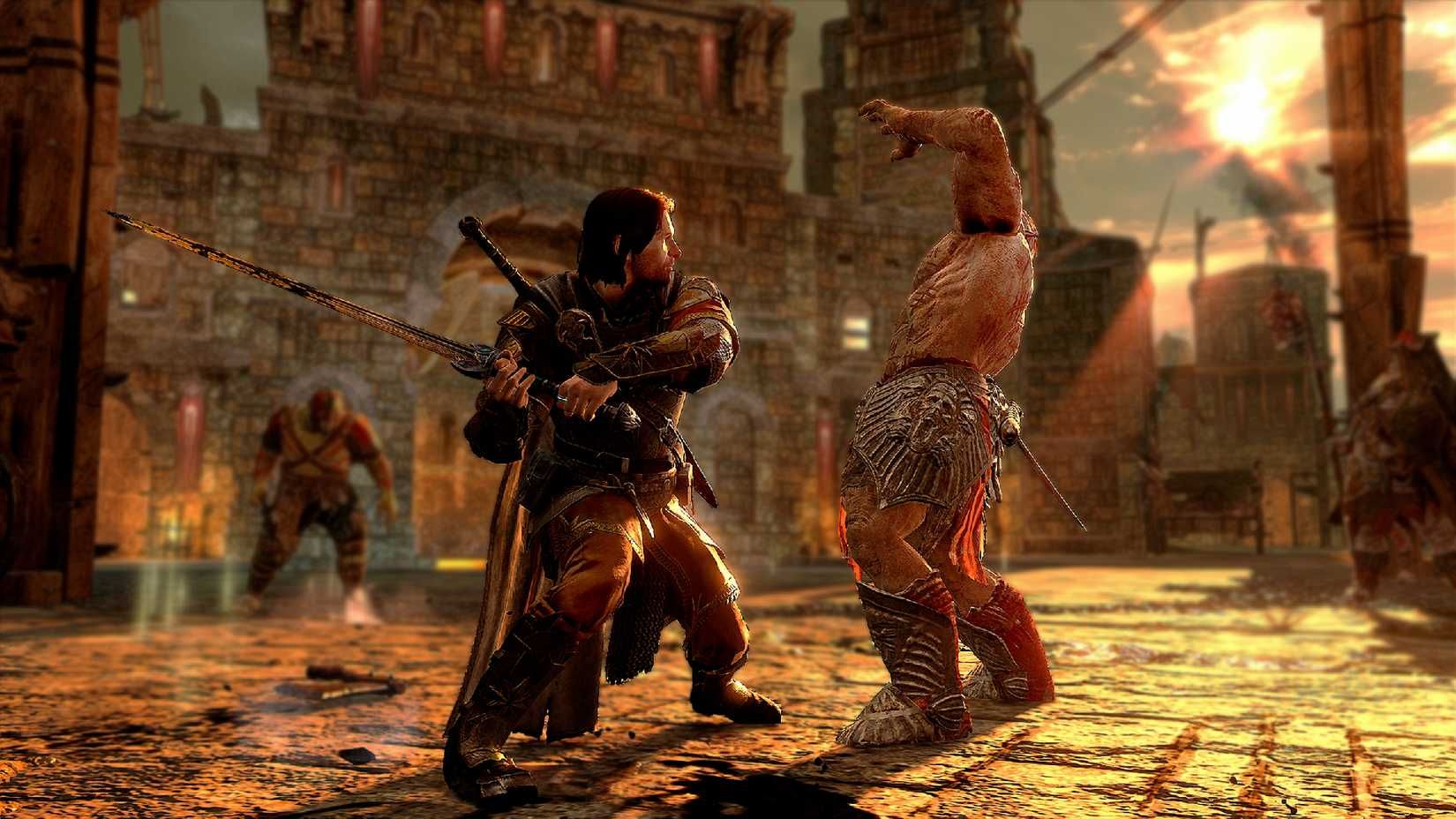
Middle-earth: Shadow of Mordor and Shadow of War are coming to Switch 2 on September 30. Here is what the ports include, what is missing, and why the Nemesis system still stands out.
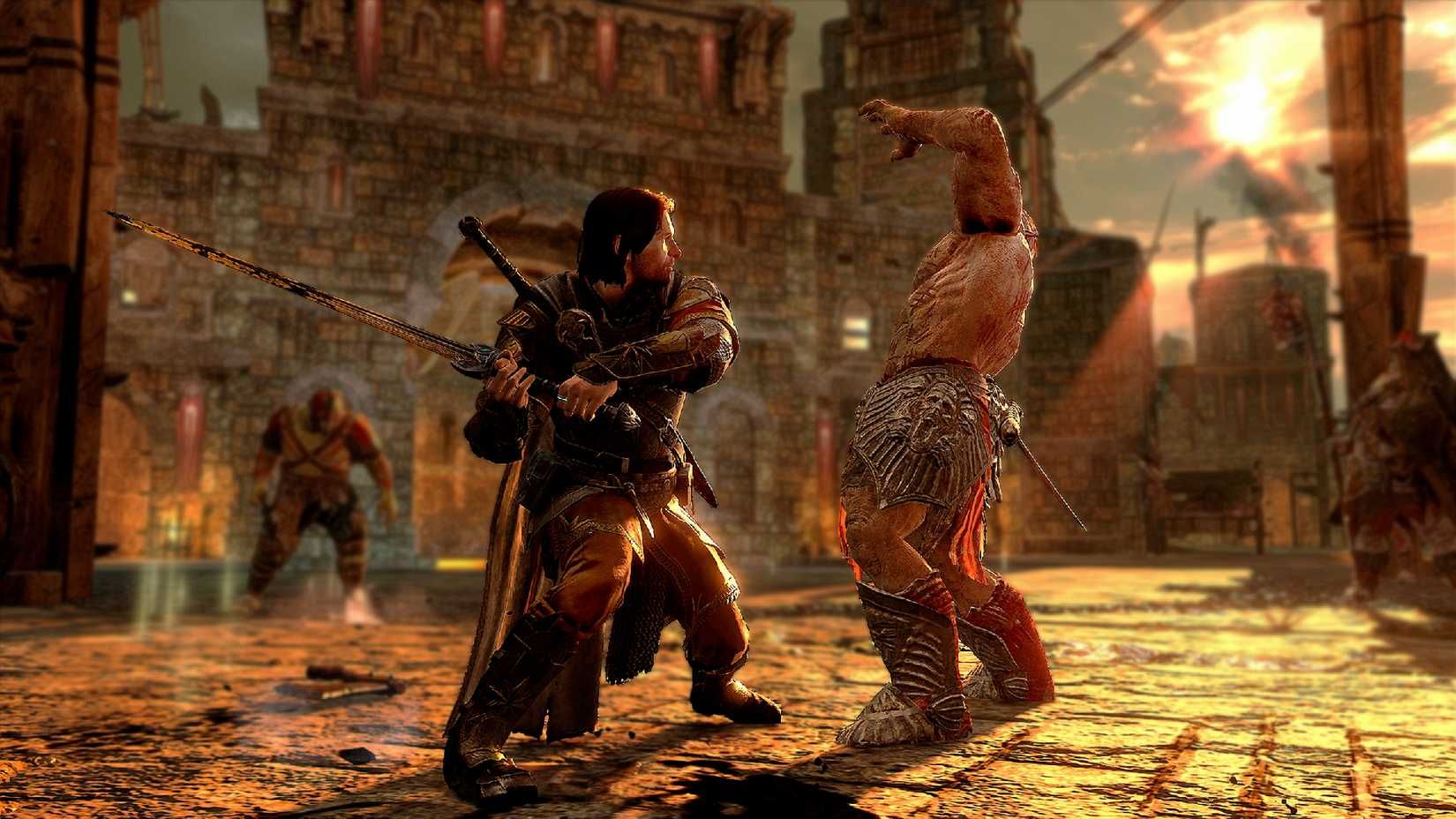
Image: screenrant.com
Talion reaches Nintendo at last, but the package has tradeoffs
Middle-earth: Shadow of Mordor Game of the Year Edition and Middle-earth: Shadow of War Definitive Edition are coming to Nintendo Switch 2 on September 30, 2026, with Aspyr announcing the Middle-earth: Shadow Bundle after the games appeared on the Nintendo eShop. Gematsu reports that the bundle is available to pre-order for $34.99, a limited 50 percent discount from its $69.99 base price, and that each game will also be sold individually.
That is the concrete news. The tension is in the shape of the release. These are two of the most important action-adventure Lord of the Rings games finally arriving on a Nintendo platform years after their PlayStation, Xbox, and PC runs, but the Switch 2 editions are also ports of older games with some modern compromises. Nintendo Life reports that Shadow of Mordor is $9.99 during pre-orders and $19.99 at launch, while Shadow of War is $24.99 during pre-orders and $49.99 at launch. The bundle price does not appear to create an extra discount beyond buying both pre-order prices together.
For players searching for Middle-earth Shadow of War Switch 2 or Shadow of Mordor Switch 2 because they missed the original releases, the offer is straightforward: both games, their major expansions, and the Nemesis system on a handheld-capable Nintendo console. For returning players, the harder question is whether portability and a fresh platform are enough to justify buying Mordor again.
What the Switch 2 editions include
Aspyr’s overview, published by Gematsu, lists Middle-earth: Shadow of Mordor Game of the Year Edition as the first game’s complete edition, with the Guardians of the Flaming Eye warband mission, Lord of the Hunt story mission, The Bright Lord story mission, and additional warband missions, runes, and skins. The same Aspyr overview describes Shadow of War Definitive Edition as including the Desolation of Mordor and Blade of Galadriel story expansions, plus the Slaughter Tribe and Outlaw Tribe Nemesis expansions.
Nintendo Life’s report adds a useful content note for Shadow of War on Switch 2: the Garrison is described as fully playable offline, allowing players to reassign undeployed Orc followers across regions while on the go, but Online Conquests, Vendettas, Fight Pits, Chests, and Training Orders are unavailable in this version. That is a meaningful distinction for anyone whose memory of Shadow of War is tied to its live-service-adjacent systems and fortress competition. The core campaign and army-building fantasy remain the focus here, while online layers are being cut from the Switch 2 edition according to that listing information.
There is also a small reporting wrinkle worth flagging. NintendoEverything reported the eShop listing and release date, but one paragraph in its article appears to transpose the edition labels and expansion groupings, referring to Shadow of War Game of the Year Edition and Shadow of Mordor Definitive Edition. Aspyr’s overview as carried by Gematsu, Nintendo Life’s pricing report, and Screen Rant’s trailer coverage align on the product names: Shadow of Mordor Game of the Year Edition and Shadow of War Definitive Edition.
The Nemesis system is still the real headline
The marketing hook for these Switch 2 ports is not simply that Talion is back. Aspyr’s description, quoted by Gematsu, puts the Nemesis system at the center: Orc rivals remember battles, defeats, and encounters, while Talion can use Wraith powers to dominate enemies and turn them into captains. NintendoEverything’s eShop-sourced text uses similar language, emphasizing Orc rivals who remember what happened and a war where choices leave a mark.
That system is the reason these games have had a longer afterlife than many open-world action games from the same period. Shadow of Mordor, originally released in 2014, took familiar stealth, climbing, counter-based swordplay, and outpost infiltration rhythms, then gave them a reactive cast. An Orc captain who kills you can climb the hierarchy. A coward who survives can return with a title, a scar, or a grudge. A disposable encounter can become a recurring duel because the game preserves that friction.
For the Nemesis system Switch 2 pitch, that matters because the feature plays especially well in short sessions. A patrol ambush, captain hunt, revenge run, or fortress preparation can create a small self-contained story without needing a full evening. The best moments in these games often come from the machine misbehaving in memorable ways: a planned assassination collapses, reinforcements arrive, a captain reveals an immunity, and suddenly the clean cinematic kill becomes a retreat through burning ruins. That rhythm should fit the portable use case, even though Aspyr has not provided performance targets in the supplied material.
Two action games with different shapes
The two games share Talion, Mordor, Wraith abilities, and the fundamental thrill of turning Sauron’s war machine against itself, but they do not carry the same weight. Shadow of Mordor is leaner. Its pacing is built around the predator fantasy: enter a stronghold, read the captain board, pick apart bodyguards, and create a private legend through repeated clashes. Its best combat beats come from timing and pressure, when the flow of counters, executions, arrows, and Wraith stuns makes a crowd feel like a living hazard rather than background noise.
Shadow of War expands that foundation into a broader conquest game. Aspyr’s overview says the sequel has players forge a new Ring of Power, conquer fortresses in large battles, and dominate Mordor from within while confronting Sauron and the Ringwraiths. Its Definitive Edition content also adds new playable characters through story expansions, with Nintendo Life citing Baranor in Desolation of Mordor and Eltariel in Blade of Galadriel. The sequel’s scale gives the Nemesis system more battlefield theater, especially around fortresses and army composition, but it also moves farther from the tight revenge structure that made Shadow of Mordor so sharp.
That split is reflected in some outlet commentary. Nintendo Life writes that it would probably recommend Shadow of Mordor on its own based on prior reception, while calling Shadow of War a downgrade from the original rather than a bad game. That is an opinion from Nintendo Life rather than a new technical finding about the Switch 2 port, but it lines up with the broader player conversation around the series: Mordor is the cleaner strike, War is the larger siege.
The first Nintendo release changes the audience
Kotaku and FullCleared both report that these Switch 2 versions mark the first time either Middle-earth: Shadow game has appeared on a Nintendo system. Gematsu notes that Shadow of Mordor and Shadow of War previously launched on PlayStation 4, Xbox One, and PC, with Shadow of Mordor also available on PlayStation 3 and Xbox 360. For Nintendo-only players, then, these ports are not nostalgia bait. They are the first official path into Monolith Productions’ Mordor duology on Nintendo hardware.
FullCleared also notes that the original games were developed by Monolith Productions and published by Warner Bros. Interactive Entertainment, and that Warner Bros. shut Monolith down in February 2025. That adds a bittersweet edge to the Switch 2 arrival. The games are resurfacing through Aspyr rather than returning alongside a new Monolith sequel, and Screen Rant frames the bundle as a comeback for the series rather than a continuation of Talion’s story.
Aspyr’s involvement also fits a pattern in the supplied reporting. Nintendo Life points to Aspyr’s recent Lord of the Rings: War in the North - Legacy Edition release on Switch, while Screen Rant similarly notes that the Shadow Bundle follows that port. In practical terms, Aspyr appears to be building a lane for older Lord of the Rings Switch 2 games, especially titles that had been absent from Nintendo platforms.
What is still unknown before launch
The biggest unanswered questions are technical. None of the provided source material includes confirmed resolution, frame rate, file size, cartridge availability, download requirements, or visual settings for either Switch 2 port. Screen Rant speculates that the games’ age should make them manageable for Switch 2, but that is expectation, not a published performance target from Aspyr or Nintendo. Buyers who are sensitive to frame pacing in counter-heavy melee combat should wait for footage or hands-on reports from the final Switch 2 release.
That caution matters because both games depend on combat readability. Talion’s swordplay is built around animation priority, enemy tells, timed counters, stun windows, ranged interruptions, and sudden captain modifiers. A fortress assault in Shadow of War can become crowded quickly, with Orcs, beasts, followers, fire, poison, and siege effects all competing for attention. If the Switch 2 versions hold steady, these systems can sing. If they struggle, the fantasy of a clean Wraith-fueled rampage can turn muddy.
Pricing is clearer than performance. Based on Nintendo Life and Gematsu’s reports, the best launch-window value is the $34.99 pre-order bundle if you want both games. If you only want the tighter, more celebrated first entry, Shadow of Mordor’s $9.99 pre-order price is the lowest-risk entry point. Shadow of War at $24.99 during pre-orders is a bigger commitment, but it brings the fortress layer, the Definitive Edition expansions, and a wider canvas for the Nemesis system. After launch, the individual prices reportedly rise to $19.99 and $49.99, with the bundle at $69.99.
A strong fit for Switch 2, if the port holds
As a piece of action-adventure design, the appeal of these ports is easy to understand. Shadow of Mordor gives Switch 2 a fast, readable open-world revenge game with stealth routes, brutal counters, and emergent rivalries. Shadow of War gives it a larger war campaign where those rivalries feed fortress assaults and army management. Together, they fill a specific gap among Lord of the Rings Switch 2 games: third-person action with a reactive enemy hierarchy rather than a purely scripted journey through familiar Tolkien iconography.
The Tolkien fit has always been debated. Screen Rant notes that the Shadow games may not be the ideal treatment for Tolkien diehards looking for the themes of the books, even as it praises the patented Nemesis system as a special selling point. That distinction is useful. These are grim, muscular, systems-driven action games set in Middle-earth, built around domination, revenge, and battlefield escalation. Their version of Mordor works best as a stage for personal feuds and combat momentum.
For Switch 2 players, the draw is the chance to carry that stage around. A captain who humiliated you at lunch can be hunted on the train home. A fortress can be prepared over several short sessions before the assault. Years later, the Nemesis system still makes those encounters feel authored by the player’s failures as much as the designers’ missions. That is why Middle-earth Shadow of War Switch 2 and Shadow of Mordor Switch 2 are notable arrivals, even before we know how well Aspyr’s ports perform.