

Satya Nadella called Xbox's post-layoff streamlining "great to see." The reaction shows how much goodwill Microsoft has put at risk after sweeping 2026 gaming cuts.
Image: kotaku.com
Nadella praised the plan while Xbox is still cutting jobs
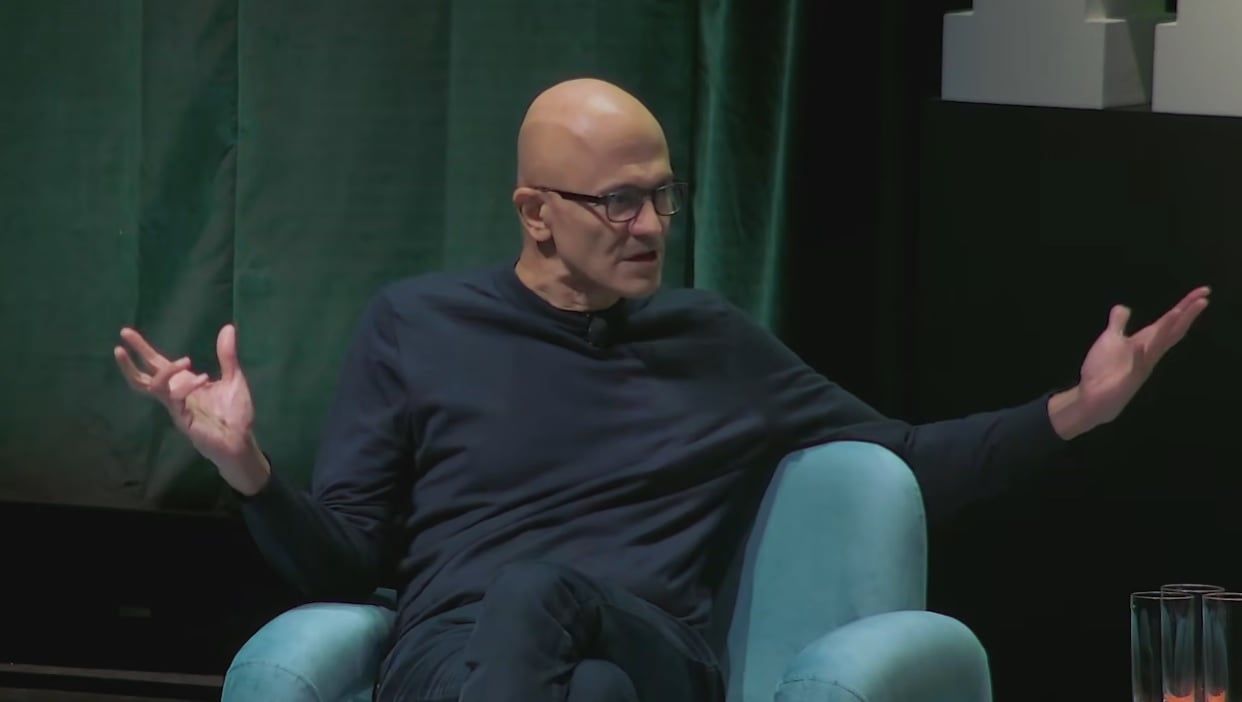
Microsoft CEO Satya Nadella has put a corporate victory lap around one of Xbox’s most painful periods, telling the Sources Podcast that the “streamlining” being carried out under new Xbox CEO Asha Sharma is “great to see.” The comment, reported by VGC, GameSpot, Kotaku, GamesRadar, TheGamer, and PC Gamer, landed days after another wave of Xbox layoffs and restructuring news, which is why it has become a flashpoint rather than a routine executive update.
Nadella’s full framing was broader than the clipped quote now circulating. According to VGC, he said he feels “fantastic” about Microsoft’s studios, IP portfolio, and “ability to then take that and produce great games going forward.” He added that Xbox needs “the right sustainable business model” to deliver gaming to “more and more people,” and described Microsoft’s goal as being “a great publisher and a great platform provider for games across both PCs and Xboxes.”
The tension is obvious. The same remarks that reassure investors about focus and growth read very differently to players and developers watching studios shrink, teams move, and long-running Xbox identities get reorganized. Nadella did not present the cuts as a tragedy, a failure, or a tradeoff. He presented them as execution. That is the strategic reason the comments are drawing backlash: Microsoft is asking the Xbox audience to believe in a healthier future while using language that makes the present damage sound like a clean operational upgrade.
The confirmed cuts are large enough to redefine Xbox’s structure
The backlash is rooted in the scale of the Microsoft Xbox layoffs, not only the tone of one interview. VGC reports that Microsoft enacted sweeping layoffs across the Xbox business this summer, initially affecting 1,600 jobs, with another 1,600 planned by the end of Microsoft’s business year. VGC also says the second wave, which Microsoft claims is around 75% complete, took place this week.
GameSpot similarly reports that Xbox laid off 1,600 employees over the summer and then followed with more layoffs and studio closures this week. Kotaku characterizes the current period as an Xbox “reset” under Sharma, saying the process has mainly involved layoffs, expected further cuts, divestment from some studios, and shuffling of franchises and teams. TheGamer reports that Sharma announced 3,200 job cuts across fiscal years 2026 and 2027, with almost 2,000 employees already let go.
There are small differences in how outlets frame the timeline and totals, but the core picture is consistent: Xbox layoffs 2026 are not a minor staffing adjustment. They are part of a broad restructuring of Microsoft’s gaming organization. When Nadella praises “streamlining” in that context, the word carries the weight of thousands of jobs, changed reporting lines, and uncertain studio futures.
The restructuring is changing who controls Xbox’s biggest franchises
The layoffs are only one layer of the story. VGC reports that Halo Studios has been significantly cut, with the Halo IP moved to Activision. VGC also says Sea of Thieves developer Rare is being moved alongside Activision, while Obsidian has been moved to Bethesda. Kotaku also highlights Halo moving under Activision as one example of the franchise and team reshuffling underway.
Those moves are strategically legible. Microsoft spent heavily to acquire Activision Blizzard and ZeniMax, and a company with that many studios will eventually try to remove duplicated management and push major IP toward the structures it thinks can scale them. In Nadella’s language, Xbox is trying to become both a major publisher and a platform provider across PC and Xbox, which means prioritizing the games and franchises that can support that model.
But platform goodwill is built on continuity as much as output. Halo is not an ordinary catalog asset for Xbox; it is the franchise most closely tied to the console’s identity. Rare has decades of history as a first-party symbol. Obsidian’s move under Bethesda may make business sense inside Microsoft’s RPG portfolio, but for players and developers it signals that the post-acquisition Xbox structure is still unsettled. The practical question is no longer simply which games Microsoft owns. It is which teams keep creative authority, which brands survive as distinct studios, and which projects become resource pools inside a larger publishing machine.
The phrase ‘streamlining’ sounds efficient to executives and cold to everyone else
Corporate language often compresses messy reality into neutral terms, but “streamlining” is especially volatile here because it turns job loss, closures, and studio displacement into a process improvement. Kotaku’s report argues that Nadella offered “no empathetic statement” about the people affected, while GameSpot’s headline-level framing says the Microsoft CEO “attempts to kill remaining Xbox goodwill.” Those are editorial judgments, not Microsoft statements, but they reflect the reputational problem the company has created.
Nadella’s comments also arrived amid broader skepticism about Microsoft’s priorities. GameSpot notes that he discussed AI in the same podcast appearance and argued that the industry needs to earn trust by showing benefits to consumers, enterprises, and communities. GameSpot also cites AI skeptic Ed Zitron blaming Xbox’s precarious position on “catastrophic mismanagement” and AI bets that allegedly did not pan out. That is Zitron’s view, not a confirmed internal Microsoft explanation, but it adds to the perception that Xbox staff are paying the price for executive bets made above them.
This is where backlash becomes a strategy problem rather than a public-relations annoyance. Xbox has spent years positioning itself as a player-friendly ecosystem built around Game Pass access, cross-platform flexibility, and a broad first-party bench. If the same ecosystem now appears to be funded by repeated cuts and franchise consolidation, every future promise faces a trust discount. Players will ask whether a newly announced game has stable support behind it. Developers will ask whether joining or staying inside Xbox means security or exposure to the next reshuffle.
Developer concern is being reported from inside the organization
The developer side of the backlash is not limited to outside commentary. TheGamer, citing a recent Aftermath report, says current and former employees have described aggressive goals that “would have been unrealistic even before the layoffs.” TheGamer also reports, again citing Aftermath, that id Software staff described the environment within Xbox as “chaotic” and said leadership’s message has been that it wants higher profits immediately.
Those claims are reported allegations, not direct public statements from Microsoft or id Software in the provided material. They should be treated differently from Nadella’s on-record podcast comments or VGC’s account of announced restructuring. Still, they matter because they point to the internal risk behind the external pitch. A leaner organization can move faster if decision-making improves. It can also become brittle if fewer people are asked to hit larger targets with less clarity.
From a strategy perspective, Xbox’s problem is execution load. Microsoft is trying to return gaming to growth, reshape studio reporting lines, protect flagship IP, preserve its platform identity, and invent what Nadella called a “sustainable business model.” Doing all of that after major cuts raises the margin for error. If the next wave of Xbox releases hits, leadership will call the reset disciplined. If quality slips, schedules move, or live-service support weakens, the streamlining narrative will look like capacity was removed before the system was ready.
The next fiscal year is the test Microsoft set for itself
Nadella said Sharma and the Xbox team have stated that Xbox is going to return to growth in the next fiscal year, according to VGC. That gives Microsoft a clear benchmark, even if the public does not yet have the full scorecard. The company has not announced, in the provided source material, a detailed public plan for how many more cuts remain, which studios may still be affected, or how the new structure will change specific release schedules.
For players, the practical guidance is to separate platform promises from deliverables. Microsoft still says it wants to be both a publisher and a platform provider across PC and Xbox. Nothing in the cited comments says Xbox hardware is being abandoned. But the company is reorganizing around growth and sustainability, and that can affect which games get prioritized, which teams expand, and how much support smaller projects receive.
For developers and fans, the damage is less about one badly received quote than about timing. Nadella praised streamlining while the human cost of Microsoft gaming layoffs is still fresh and while outlets are reporting continued uncertainty inside Xbox. The result is a goodwill deficit Microsoft cannot solve with another statement about IP strength. It will have to prove, through stable teams and strong releases, that a smaller and reshuffled Xbox can still make the games its audience was promised.