

Why the non-Redux Metro games still matter, and what their arrival in GOG’s Preservation Program means for PC game history.
The original Metro games are back from the tunnels
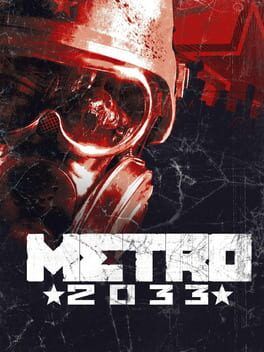
The Metro series has always been about clinging to fragile light in oppressive darkness, so it feels oddly fitting that the original versions of Metro 2033 and Metro: Last Light Complete Edition have just been pulled out of digital obscurity. As part of GOG’s ongoing Preservation Program, both non-Redux releases are now available DRM free, with fresh compatibility work to keep them playable on modern PCs.
For a lot of players, this is more than a simple re release. On Steam, the original Metro 2033 was delisted years ago in favor of Metro 2033 Redux, and Last Light’s focus shifted to its Redux version too. The result was a familiar problem in PC gaming: history quietly rewritten so that only the “definitive” editions remained on sale. GOG’s move pushes in the opposite direction and puts the messy, atmospheric originals back in the spotlight.
What GOG is actually preserving
GOG’s Preservation Program is built around a simple promise: classic PC releases should stay available, DRM free, and functional on today’s machines. For Metro 2033 and Metro: Last Light Complete Edition that also means practical updates that keep them out of the “it technically runs, but” graveyard.
The GOG builds include support for Windows 10 and 11, modern controller setups, VSync options, and better behavior on high resolution displays. Under the hood, that work matters just as much as the store page banner, because it means you can install these 2010 and 2013 shooters today without digging for community fixes or compatibility shims.
Crucially, this effort does not overwrite the Redux releases that already exist. Instead, the originals sit alongside them in GOG’s catalog. For preservation, that distinction is huge. The point is not to pretend the Redux versions never happened, it is to keep every rung of the series’ evolution accessible, flaws and all.
Why fans still care about the non Redux versions
From a distance it is easy to think of Redux as a strict upgrade. Metro 2033 Redux migrated the original’s content to the Last Light engine, brought improved performance and lighting, and baked in various mechanical tweaks. Last Light Redux bundled all DLC and balance changes into a cleaner package. For many players, these are the versions they first experienced.
Yet long time fans have been vocal about wanting the original PC builds back, and not just out of nostalgia. The first Metro 2033 in particular has a distinctive texture that Redux smooths over.
The original’s pacing is harsher and more survival focused. Ammunition feels scarcer, enemy encounters rely more on clumsy, panicked gunfights, and stealth is less forgiving. Lighting is grittier and less stylized, with thick grain and gloom that match its 2010 PC DNA. Metro 2033 Redux is more consistent and technically better, but some of that raw tension is sanded down.
Last Light’s Complete Edition also represents a specific snapshot of design that Redux subtly adjusts. Some AI behaviors, combat timings, and difficulty spikes were toned down or rebalanced in the remaster. For players who learned the game’s rhythms a decade ago, those differences are not minor. The non Redux builds show exactly what 4A Games shipped at the time, before years of hindsight and engine refactors.
Preservation in this context is about giving people a choice between interpretations of the same story. If you want the more approachable, feature rich Redux experience, it is there. If you want the clunkier but more oppressive original, that is also available again in a convenient, legal, and stable way.
A window into a specific PC gaming era
The original Metro 2033 is a time capsule of the late DirectX 9 and early DirectX 11 PC scene. It was the sort of game people used to benchmark new GPUs with, full of advanced lighting, volumetric effects, and punishing performance hits that made enthusiasts tweak every slider. When you revisit that version, you see both its technical ambition and its rough edges. The Redux rebuild reframes the game through a more modern, more efficient lens.
Last Light’s original release carries its own cultural baggage. In 2013 it arrived during a wave of story driven shooters like BioShock Infinite and the tail end of the Xbox 360 generation, when linear campaigns were under heavy scrutiny. The later Redux release came out into a different landscape, one that had already absorbed the lessons of that era.
By preserving the original SKUs alongside their reworks, GOG is effectively letting players and critics study how expectations changed, how 4A’s design philosophy shifted between releases, and how technical priorities moved over time. That kind of comparative context is invaluable for anyone who cares about games as more than disposable entertainment.
Why this matters more as PC libraries get messier
The Metro originals returning through GOG arrives at a moment when PC game availability is more fragile than ever. Games vanish from stores due to expiring licenses, changing publishers, shuttered storefronts, or a simple strategic decision to push players toward a newer edition. Sometimes the code survives only in private collections or on old discs. Sometimes it does not survive at all.
GOG’s approach helps counter that fragility, particularly on PC where there is rarely a single authoritative version. Instead of cleaning up the catalog by removing superseded SKUs, GOG’s Preservation Program leans into the mess and treats older builds as artifacts worth curating. You get a DRM free installer, documentation where available, and compatibility work that keeps the barrier to entry low.
That philosophy has already paid off for a range of classic CRPGs, adventure games, and oddities that might otherwise have been stranded on obsolete operating systems. Bringing the original Metro games into that framework sends a strong signal that preservation is not limited to the 90s and early 2000s. Even relatively recent releases from 2010 or 2013 can quietly become inaccessible if nobody chooses to keep them in circulation.
Originals vs remasters is not a zero sum battle
It is tempting to treat the Redux vs original debate like a binary contest, but one of the healthiest aspects of this GOG release is that it rejects that framing. Redux editions can coexist with their predecessors. Players who only care about the smoothest experience can stick with the remasters. Players who are curious about the series’ rougher origins, or who remember them fondly, now have an official path back.
That model is something more publishers could emulate. There is room in digital storefronts for multiple takes on the same game, especially when remasters make changes beyond pure visual upgrades. In film and music, it is normal to have theatrical cuts, director’s cuts, remasters, and archival releases side by side. PC gaming is slowly learning to do the same.
In Metro’s case, it helps that the original releases still hold up on their own terms. The oppressive tunnels, suffocating surface excursions, and tense economy of bullets and filters retain their power even without Redux’s technical lift. GOG’s new compatibility work simply removes the friction that once made revisiting them a hassle.
A good time to revisit the tunnels
With a new Metro sequel on the horizon and the series’ early history finally restored to a DRM free storefront, there is a clear opportunity for both newcomers and returning Rangers. If you have only ever played Redux, the originals provide a fascinating contrast. If you never touched Metro at all, starting with the preserved releases on GOG offers a clean, historically grounded view of how the series began.
More broadly, the return of these versions underlines why GOG’s Preservation Program is becoming one of the quiet pillars of PC gaming. Every time a game like the original Metro 2033 or Metro: Last Light Complete Edition is rescued from digital limbo, it becomes that much harder for the medium’s past to slip away unnoticed.
For a series so obsessed with memory, decay, and the fragile remnants of civilization, that feels like the most fitting tribute possible.