

Breaking down why Metal Gear Solid: Master Collection Vol. 2 is a historic release for the series, what’s included, what’s missing, and what it means for players on modern platforms and Switch 2.
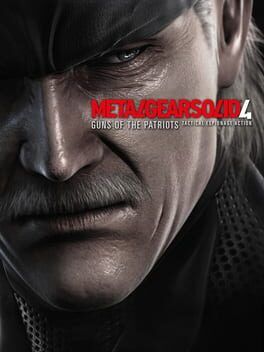
Konami’s Metal Gear Solid: Master Collection Vol. 2 is more than just another remaster bundle. For the first time since 2008, the series’ most elusive mainline entry, Metal Gear Solid 4: Guns of the Patriots, is stepping off the PlayStation 3 and onto modern hardware alongside Metal Gear Solid: Peace Walker HD and the cult handheld spin off Metal Gear: Ghost Babel. For series preservation, this might be the most important Metal Gear release since the original HD Collection.
The big win: freeing Metal Gear Solid 4 from PS3
For years, Metal Gear Solid 4 has been the missing link in the franchise timeline. It launched as a PS3 exclusive and never left. No PS4 port, no PC version, no backward compatible release on Xbox. If you wanted to experience Solid Snake’s final mission in its original form, you needed a working PS3.
Master Collection Vol. 2 finally changes that. MGS4 arrives on PS5, Xbox Series, PC, Switch and Switch 2 with higher internal resolution, an increased maximum frame rate, and fully customizable controls. While Konami has not promised a full remake or radical overhaul, even basic visual and performance upgrades are enough to preserve the game in a way that is both authentic and accessible.
From a preservation standpoint, the most important part is simple: MGS4 is no longer locked to aging hardware. A story that pulls together plot threads from the entire saga can now be played in order using Vol. 1, Vol. 2 and Metal Gear Solid Δ: Snake Eater on modern platforms.
Peace Walker HD and the restoration of co op
Metal Gear Solid: Peace Walker has always been a slightly awkward fit in the canon. It launched on PSP, designed around local co op and bite sized missions, before being remastered later in HD for PS3 and Xbox 360. The game is a crucial chapter for Big Boss, setting up Militaires Sans Frontières and the foundations of Mother Base, but actually playing it as intended has become harder every year as original servers and handhelds age out.
In Master Collection Vol. 2, Konami is using the HD version as its base, but with one key decision that matters a lot for preservation. Online CO OPS support returns, allowing 2 to 4 players to take on missions together, and the VERSUS OPS competitive multiplayer for up to 6 players is also included. That means the core design of Peace Walker as a cooperative tactical action game is intact instead of being reduced to a purely solo experience.
Modern matchmaking and online infrastructure can never perfectly recreate the original PSP era feel of huddling over handhelds, but functionally the important part is here. New players can finally experience Peace Walker the way it was originally balanced with buddies backing you up on tank hunts and Monster Hunter cameos, and returning fans get a way to revisit those systems without hunting down legacy hardware.
Ground Zeroes and The Phantom Pain by proxy
Konami has framed Vol. 2 around three titles: Metal Gear Solid 4, Metal Gear Solid: Peace Walker HD, and Metal Gear: Ghost Babel. Ground Zeroes and The Phantom Pain are not baked directly into the collection, but their presence is felt in two important ways.
First, Peace Walker’s story is effectively the prologue to Ground Zeroes and The Phantom Pain. It explains how Big Boss builds MSF, why Mother Base matters, and why the loss that opens Ground Zeroes hits so hard. By bringing Peace Walker forward and making it playable everywhere, Konami is indirectly preserving the narrative arc of the later FOX Engine games.
Second, the Master Collection framework sets an expectation. Vol. 1 reestablished the 8 bit and 32 bit pillars of the series across multiple platforms. Vol. 2 tackles the PS3 and PSP era. Once those are in place, the remaining gap for a fully modernized anthology is obvious. Even though Ground Zeroes and The Phantom Pain are already available on current systems, organizing the prequel material into a coherent, accessible package helps new players understand how all of these games fit together.
Ghost Babel and the portable past
The inclusion of Metal Gear: Ghost Babel might look like a footnote next to heavy hitters like MGS4, but it matters a lot from a preservation lens. Originally released on Game Boy Color in 2000, Ghost Babel is a self contained alternate continuity stealth game that distilled the spirit of the MSX and PlayStation titles into a handheld format.
In Vol. 2 it lives inside the Bonus Content section, complete with modern emulator style conveniences such as a rewind function, screen filters and pixel perfect modes, plus customizable controls. That combination respects the original design while acknowledging how people actually want to revisit retro handheld games in 2026.
By bringing Ghost Babel into the same package as MGS4 and Peace Walker, Konami is quietly archiving a part of Metal Gear’s history that could otherwise be lost to aging cartridges and limited digital storefronts.
What is missing: Metal Gear Online
One of the biggest questions around MGS4’s return was whether Konami would resurrect Metal Gear Online, the PS3 era competitive suite that spun off from Guns of the Patriots. The answer is no. Vol. 2 does not include Metal Gear Online, and there is no plan to bring back its dedicated servers, maps or modes.
From a pure preservation standpoint, that is a loss. Metal Gear Online experimented with stealth based multiplayer, class roles and unique systems like SOP links in ways that influenced later games across the industry. Without official servers or an offline mode bundled into the collection, its full experience remains trapped on legacy hardware and historical footage.
However, Konami’s choice to prioritize online co op for Peace Walker suggests a pragmatic approach to what is realistically sustainable. Rebuilding Metal Gear Online’s server side logic and infrastructure would be an enormous undertaking for a mode that, while beloved by a niche, was never central to the story canon. Restoring Peace Walker’s co op, on the other hand, keeps a mainline narrative entry functionally intact.
Extra materials and how they help new players
Beyond the games themselves, Vol. 2 follows the template set by Vol. 1 with a suite of digital extras that also matter for preservation. Each title comes with a scenario book that collects the full in game script and a master book packed with lore, character bios and timeline details. There is also a digital soundtrack that gathers BGM and vocal tracks across the collection.
For a series as dense and self referential as Metal Gear, having official scripts and reference material bundled in is a quiet but significant archival move. New players can read up on events they might have missed between late game MGS4 cutscenes, and returning fans have a canonical reference for debates about character motivations, retcons and timeline quirks.
What this means on modern consoles
On PS5, Xbox Series and PC, Vol. 2 completes a huge chunk of the Metal Gear saga in playable, reasonably modern form. With higher resolution output and raised frame rate caps, MGS4 will no longer feel like a blurry, framey relic tied to the quirks of Cell architecture. Peace Walker’s HD assets scale comfortably to modern displays, and Ghost Babel’s emulator layer means no one is stuck squinting at original Game Boy Color hardware.
Equally important is simple availability. Physical and digital releases on current platforms reduce the risk of these games disappearing when old digital stores close. The Master Collection structure also means that when Konami updates or patches these titles, the improvements roll out through a unified framework rather than requiring players to chase down scattered ports.
For returning fans, Vol. 2 offers a reasonably definitive way to replay the MGS timeline without juggling multiple consoles. For critics and historians, it offers a stable target for analysis instead of relying on captured PS3 footage or slowly dying handheld batteries.
The Switch and Switch 2 angle
Bringing this collection to Nintendo Switch and Switch 2 may be the most surprising part of Vol. 2 and the most important for broad access. Peace Walker began life on a handheld, but MGS4 was built entirely around Sony’s home console. Seeing it run on a hybrid device that you can undock and take on the go is a strong statement about how far portable hardware has come since 2008.
On the original Switch, technical compromises are expected. Resolution and frame rate targets will likely sit below the PS5 and Xbox versions, and some visual effects may be pared back. For Switch 2, early reporting around the collection positions it as much closer to the current generation home console versions, with higher internal resolutions and more stable performance.
From a preservation and accessibility perspective, though, the raw specs are less important than reach. Putting MGS4 and Peace Walker on systems that have become default platforms for younger players means an entirely new audience can encounter these games without tracking down decades old hardware. It also keeps the series alive in the spaces where people actually play in 2026, which is critical for any long term cultural footprint.
New players vs returning fans
For newcomers, Master Collection Vol. 2 turns what was once a fragmented, platform specific saga into something much closer to a curated anthology. Starting from Vol. 1, you can move through the timeline into Peace Walker, then into MGS4 and beyond, with access to scripts, lore books and the key cooperative mode intact. The only major experiential gap is Metal Gear Online, which now lives more as a historical footnote than a playable component.
For veterans, Vol. 2 is a chance to revisit contentious elements of MGS4’s pacing and cutscene length, to re evaluate Peace Walker outside of the constraints of PSP hardware, and to see how Ghost Babel’s level design holds up with modern conveniences like rewind. It is not a ground up remake, but it is a thoughtful consolidation of a crucial era of Metal Gear history.
In a landscape where older games routinely vanish with storefront closures and license expirations, Metal Gear Solid: Master Collection Vol. 2 stands out as a meaningful effort to keep one of gaming’s most influential series both playable and understandable. Even with the absence of Metal Gear Online, the collection marks a turning point in how the saga is preserved, and it opens the door for a new generation of players on every major platform, including Nintendo’s next hardware, to finally see why Metal Gear still matters.