
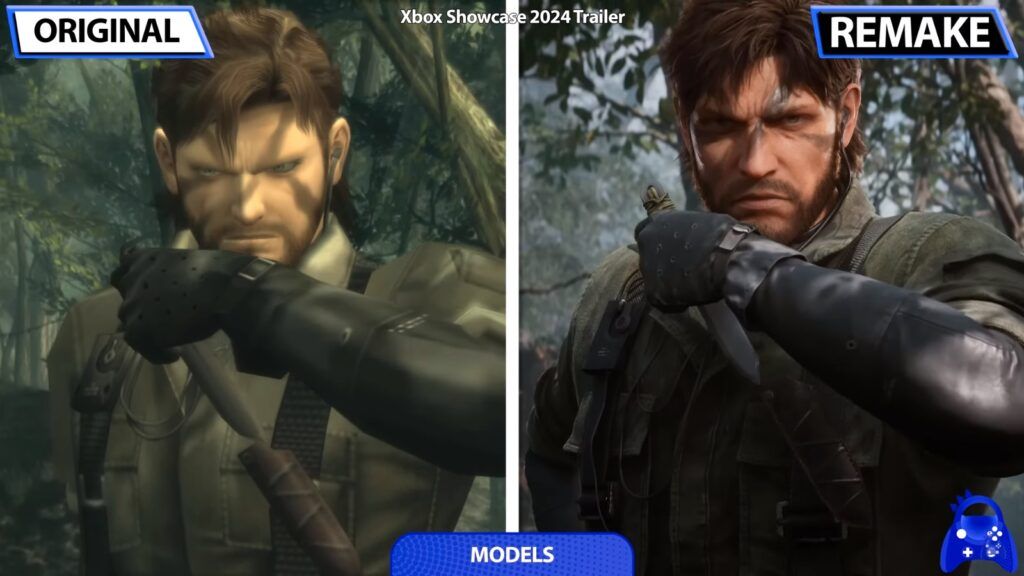

Konami president Hideki Hayakawa has named Metal Gear reboots among the pillars of the company’s business, suggesting Snake Eater Delta was a foundation rather than a farewell.
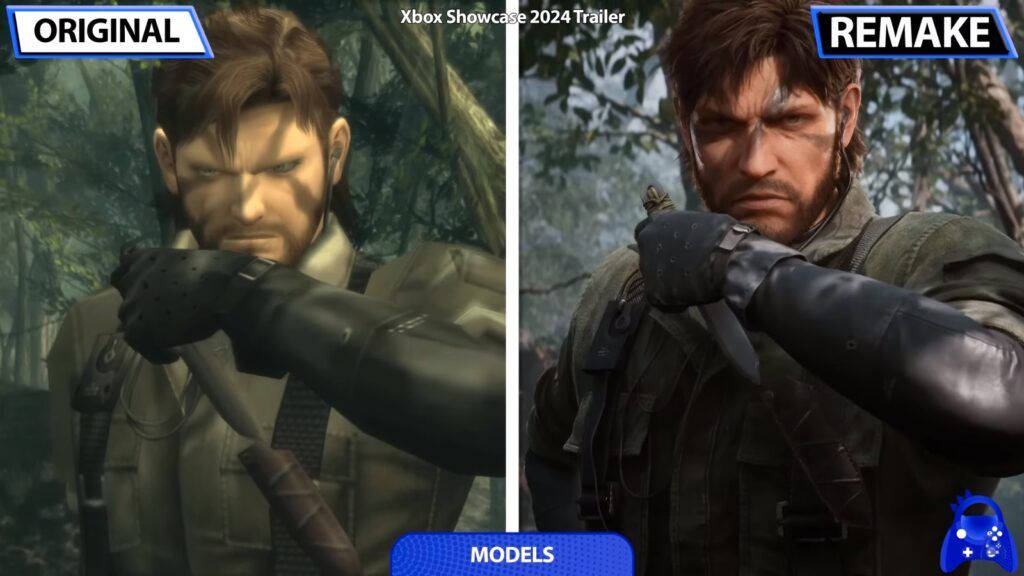
Image: tech4gamers.com
Konami’s strongest Metal Gear signal is bigger than one remake
Konami Digital Entertainment president Hideki Hayakawa has named Metal Gear alongside Silent Hill, Castlevania, and Suikoden as existing IPs whose reboots are “important initiatives” and “pillars” of the company’s business, according to comments from a Nikkei Gaming interview reported by MP1st and DualShockers. That is the concrete development: Metal Gear is being discussed by Konami leadership as part of a wider company strategy, not as a one-off nostalgia project.
The tension is in the word “reboot.” Konami has already released Metal Gear Solid Delta: Snake Eater, a faithful remake of Metal Gear Solid 3, and the company is preparing Metal Gear Solid: Master Collection Vol. 2. MP1st notes that it is unclear whether Hayakawa was using “reboots” to refer to projects like Delta or to future reimaginings still unannounced. That distinction matters. A remake preserves the old route through the jungle. A reboot can imply a new mission plan, new creative command, and a different relationship with the canon Hideo Kojima built over decades.
What is confirmed is narrower but still significant. Konami’s president has publicly grouped Metal Gear with other revivals that the company sees as business pillars. He also framed established franchises as sources of stability that can help support newer creative risks. What remains unannounced is the next full Metal Gear game after Delta and Master Collection Vol. 2, including whether Konami’s future plans involve another Metal Gear Solid remake, a remake of the pre-Solid MSX-era games, a new sequel, or a broader Metal Gear reboot.
Snake Eater Delta now looks like a foundation, not a finish line
Metal Gear Solid Delta: Snake Eater was released on August 28, 2025, according to the provided Wikipedia entry, which describes it as a Konami-developed and published action-adventure stealth remake of the 2004 game Metal Gear Solid 3: Snake Eater. The same entry says Delta was the first major Metal Gear entry since 2018’s Metal Gear Survive and that Konami chose Snake Eater because of its status as an origin story for the franchise and key characters.
That choice reads differently after Hayakawa’s comments. Delta was built around one of the safest possible Metal Gear moves: return to Naked Snake at the birth of the legend, keep the story and structure close to the original, and modernize the presentation around a game already revered for its survival rhythm, Cold War pressure, and boss encounters. The jungle crawl, camouflage systems, and duel with The Boss provide a clean entry point for players who know Metal Gear by reputation but have never threaded themselves through its historical timeline.
The reported development context also matters. The Wikipedia entry says internal Konami Digital Entertainment staff led the project, with Virtuos contributing additional development, and that producers including Noriaki Okamura and Yuji Korekado supervised it. The title’s stated intent was to faithfully reproduce Snake Eater’s gameplay and story with modern graphics and enhancements, without major deviations from the original structure. In action-adventure terms, Delta was a controlled infiltration rather than a loud breach. Konami tested whether the audience would accept a modern Metal Gear made without Kojima by minimizing the number of variables.
Hayakawa’s “pillar” framing suggests that kind of controlled project can become a base camp. If Delta reassured Konami that Metal Gear still has commercial and reputational value, the next question is how far the publisher is willing to move away from preservation and toward authorship.
The Master Collection strategy keeps the series visible between bigger bets
The next confirmed Metal Gear release in the provided sources is Metal Gear Solid: Master Collection Vol. 2. ScreenRant reports that a Steam page lists the collection for release on August 27, 2026, priced at £44.98 or $49.99, with pre-orders open. According to ScreenRant’s description of the Steam listing, the package includes Metal Gear Solid 4: Guns of the Patriots, Metal Gear Solid: Peace Walker in its HD Collection version, a digital soundtrack, and Metal Gear: Ghost Babel as a purchase bonus for the collection edition.
That lineup is strategically useful for Konami because it fills gaps that have shaped the series’ accessibility for years. Metal Gear Solid 4 has long been one of the most awkward mainline entries for modern players to access, while Peace Walker is central to Big Boss’s arc and the base-management design language that later fed into Metal Gear Solid V. Ghost Babel, originally a handheld entry, adds a preservation angle for players who care about the series’ stranger side paths.
The Steam listing language quoted by ScreenRant calls Metal Gear the pinnacle of “stealth action” and says each game includes a Screenplay Book and a Master Book with story and character details. That is a revealing form of packaging. Konami is selling these games as playable history, but also as a guided archive. For a series as dense as Metal Gear, where character identity, political betrayal, and retconned loyalties can matter as much as a tranquilizer shot, that matters for onboarding.
The practical guidance is simple: readers looking for the next confirmed Metal Gear product should watch Master Collection Vol. 2 first, especially if they missed Metal Gear Solid 4 or Peace Walker. Readers looking for a brand-new Metal Gear future games announcement should be more cautious. Hayakawa’s comments support the expectation that Konami wants the brand active, but they do not name a new original Metal Gear project.
Konami is using familiar franchises to rebuild trust and reduce risk
Hayakawa’s comments, as reported by DualShockers and MP1st, place Metal Gear inside a broader Konami Metal Gear plan that is really a Konami revival plan. In the Nikkei Gaming interview, Hayakawa cited a pipeline including eFootball, eBaseball: PRO SPIRITS, Powerful Pro Baseball, Yu-Gi-Oh! Trading Card Game, Suikoden STAR LEAP, Castlevania: Belmont’s Curse, and the new console RPG Rev. NOiR, according to MP1st. He then identified reboots of Metal Gear, Silent Hill, Castlevania, and Suikoden as pillar initiatives, while also saying Konami wants to create new genres and works.
DualShockers reports that Hayakawa pointed to Silent Hill f and the full remake of Silent Hill 2 as projects that helped Konami earn recognition and acclaim. The source text also says he described franchise titles as providing business stability, while acknowledging that established series create constraints when introducing new ideas. That is the clearest business logic behind a Metal Gear reboot strategy: old IP lowers risk, but old IP also comes with tripwires.
Metal Gear has more tripwires than most. Its combat rhythm is not only about stealth rooms and patrol cones. It is about pacing a player through absurd codec interruptions, sudden boss theatrics, moral lectures, slapstick guards, and military hardware that moves like myth. Remaking Snake Eater was difficult, but the design target was visible. Creating a new Metal Gear or rebooting the continuity would be harder because Konami would have to decide which part of the identity leads: tactical espionage, cinematic melodrama, survival systems, base-building, open infiltration, or pure legacy reverence.
That is why Hayakawa’s stability-versus-constraints framing is the key quote. It acknowledges the advantage of Metal Gear without pretending legacy IP is creatively frictionless. The brand can steady Konami’s release calendar, but the next creative step will expose whether the publisher can do more than maintain the museum.
The word “reboot” leaves three plausible paths for Metal Gear
Because Konami has not announced a specific new Metal Gear game in the provided sources, the safest reading is that the franchise is active but its next form is unsettled. The reported comments leave room for at least three directions, and each would carry a different risk profile.
The least risky path is another Metal Gear Solid remake. A Metal Gear Solid remake would have obvious search demand and a clear commercial hook, especially after Delta reintroduced the franchise through a modernized version of its earliest chronological chapter. A remake of the first Metal Gear Solid would bring Shadow Moses back into focus, with a tighter camera-to-combat challenge than Snake Eater and a heavier burden around voice, tone, and cinematic staging.
Another path is returning to the original Metal Gear and Metal Gear 2: Solid Snake. MP1st’s writer openly says they are “itching” for remakes of Metal Gear 1 and 2, rather than the Solid series. That is commentary rather than reporting, but it points to a real fan logic: those games are foundational to Solid Snake and Big Boss, yet their age creates space for reinterpretation. They could let Konami build something that feels new while still adapting existing story bones.
The boldest path is a new Metal Gear sequel or full continuity reboot. Nothing in the source material confirms that. It would also demand the most confidence from Konami because a new Metal Gear would be judged against both Kojima’s authorship and the modern stealth-action field. The open question is whether Konami wants to direct a new set-piece language for Metal Gear: tighter mission sandboxes, systemic AI, modern traversal, and boss fights that can surprise players who have spent decades studying the old playbook.
For now, “Metal Gear reboot” should be treated as a strategic signal, not a product title. The phrase tells us Konami sees Metal Gear as part of its future. It does not yet tell us which Snake, which era, or which design philosophy will carry the next operation.
Fans should expect activity, but wait for specifics before assuming a new era
The strongest takeaway for fans is that Metal Gear no longer looks dormant. Delta put a major remake back on shelves. Master Collection Vol. 2 is listed for August 27, 2026 on Steam according to ScreenRant, with a price and contents already described. Hayakawa has now placed Metal Gear in the same strategic conversation as Silent Hill, Castlevania, and Suikoden, franchises Konami is actively reviving across remakes, new entries, mobile projects, and collections.
That does not mean every fan hope is equally supported. A new mainline Metal Gear has not been announced in the provided reporting. A Metal Gear Solid remake has not been confirmed. A full reboot with new continuity has not been detailed. Platform plans beyond the Steam information reported for Master Collection Vol. 2 are not fully established in the supplied sources. Players should separate the confirmed release calendar from the broader business signal.
The useful expectation is steady movement. Konami’s public logic is that established franchises create stability, and Metal Gear is one of the names its president used when describing the company’s pillars. In practical terms, that makes it reasonable to expect the franchise to remain visible through collections, remakes, and possibly larger new projects if the revival continues to earn recognition.
Metal Gear has always been about the mission underneath the mission. Right now, the visible mission is preservation: rebuild access, modernize Snake Eater, and keep key chapters playable. The deeper mission appears to be reputational repair and long-term franchise reactivation. Until Konami names the next target, fans should keep their expectations sharp but measured. Snake is back in the field, but the next objective marker has not appeared yet.