
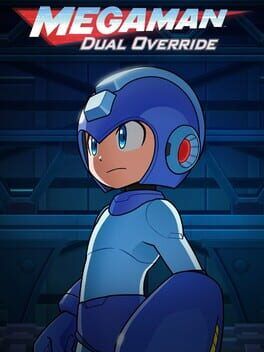

Capcom’s Design-A-Robot-Master contest for Mega Man: Dual Override turns six fan creations into a celebration of the series’ visual language and a smart way to keep Mega Man culturally alive on the road to 2027.
Capcom could have revealed a brand new Mega Man for the series’ 40th anniversary and called it a day. Instead, Mega Man: Dual Override is arriving in 2027 riding a wave of fan art, community voting and one very specific prompt: design a Robot Master with a giant suction arm.
That hook turned a routine marketing beat into a months-long collaboration between Capcom and the people who have been sketching Mega Man bosses in their notebooks since 1987. More than 10,000 submissions later, the field has been cut to six finalists. Only one will eventually become an in-game boss, but taken together, these designs say a lot about how fans read Mega Man’s visual language and why that language still has power.
A contest that speaks fluent Mega Man
The basic rules of the Mega Man: Dual Override Robot Master Design Contest were classic Capcom. Start from a simple mechanical gimmick, in this case a robot with a giant suction arm, and let artists build a character around it. Capcom’s team provided a base model sheet, set some broad guidelines about clarity and attack concepts, then stepped back and watched the community run.
From there the process was deliberately public. Capcom narrowed the field to 20 designs, then opened voting so fans could help choose which six would receive Excellence Awards and move on as finalists. Producer Hiroyuki Minamitani and series producer Shingo Izumi announced those six during the March Capcom Spotlight, alongside the silhouettes of seven other Robot Masters already planned for the game.
On paper this is a straightforward “design a boss” contest with one winner scheduled to make the jump from concept sheet to in-game sprite. In practice it is a textbook example of how to keep a legacy series engaged with its audience between major releases. The contest created weeks of conversation on social media, drove traffic back to the official site, and gave fans something tangible to root for long before Dual Override ships.
The six finalists and the art of reading Mega Man
The finalists are a perfect cross-section of how fans understand Mega Man’s look. Their names are simple and readable: Cleanser Man, Sweeper Woman, Recycle Man, Cactus Man, Juggle Man and Valve Man. You know the gimmick the instant you hear them, which has always been the heart of a good Robot Master.
Cleanser Man pushes the suction-arm theme straight into janitorial territory. Where older games gave us Dust Man and Junk Man, this design leans into a sleek, almost appliance-like silhouette, with the suction gimmick folded into a cleaning motif. The result feels like a modern sibling to the NES-era trash and vacuum bots, but with more contemporary industrial design.
Sweeper Woman answers a different long-running fan desire: more women in the Robot Master lineup, without losing that bold toy-like readability. Her maid-inspired design ties the suction arm to sweeping, dust collection and expandable storage. Capcom’s comments highlighted how the character’s dust bag transforms visually as it fills, a detail that fans immediately latched onto as something that would read well in both key art and animation.
Recycle Man continues the housework and maintenance thread but reframes it around environmental themes. He has the sturdy, almost chunky build that calls back to characters like Guts Man, yet his concept revolves around repurposing what he absorbs. It is a very modern spin on the “trash robot” archetype, suggesting attacks built from whatever debris is lying around the stage. Fans are effectively saying that Mega Man’s visual language still works in 2026, but they want it pointed at contemporary concerns.
Cactus Man shifts things outdoors, trading mops and bins for hardy desert armor. According to Capcom’s notes, this design changes form based on what it absorbs, giving the suction gimmick a more organic twist. It fits squarely in that Mega Man tradition where a single plant or animal idea gets exaggerated into a full character, like Plant Man or Sting Chameleon, but here the segments and spines create a silhouette that would stand out instantly in a lineup.
Juggle Man is the clearest reminder that fans love when Mega Man gets a bit weird. The suction arm concept becomes part of a performance, with projectiles, props and motion built into the character’s whole identity. Classic series bosses have always borrowed from clowns, magicians and circus acts, and this design feels like an intentional throwback to those oddballs while still centering the contest’s mechanical requirement.
Valve Man, finally, circles back to one of Mega Man’s oldest comfort zones: water. The big valve-shaped headgear, the water jets, the industrial plumbing details, all feel instantly canon. This could easily be mistaken for a lost Famicom-era boss sheet, which might be why Capcom singled it out as particularly “Mega Man-like.” The suction arm here reads like part of a broader water-control system, a smart way to integrate the required gimmick into a very familiar elemental niche.
Viewed together, these six characters prove how strongly fans have internalized the series’ design rules: strong silhouettes, one clear motif, bold color blocking and a direct line from name to gameplay idea. None of them feel out of place next to Dust Man or Splash Woman. Yet they also bring in modern concerns like recycling and updated gender representation without breaking the toy-like simplicity that defines the series.
Fan participation as long-term maintenance
Mega Man: Dual Override is still a ways off, with Capcom targeting 2027 on Switch, Switch 2, PlayStation, Xbox and PC. Designing one boss through a community contest will not suddenly redefine the game. What it does accomplish is more subtle and more strategic.
First, it keeps Mega Man present. In an era where months can go by without a new trailer, Capcom has found a way to turn in-progress development work into a community event. The contest gave diehards a reason to talk about Mega Man again, share favorites, argue over silhouettes and generally act like a fandom whose series has an active pulse.
Second, it offers fans a degree of authorship that matches how they already engage with the brand. Mega Man has always lived strongly in fan art, sprite edits and boss concept threads. By formalizing that activity into an official contest, Capcom is acknowledging that energy rather than leaving it purely in the unofficial sphere. If and when the winning design appears on screen in Dual Override, players will know one of their own helped shape the roster.
Third, it gives the developers a real-time look at what resonates. The 10,000-plus entries are a snapshot of what fans think a Mega Man boss should be in 2026. The voting phase then showed which ideas traveled best once they were all on the same page. The prevalence of cleaning, recycling and maintenance themes in the final six hints that players are drawn to the series’ blue-collar sci-fi roots, even as the world around Mega Man has changed.
The visual language that refuses to age
If anything stands out about the Dual Override finalists, it is how timeless they look despite being brand-new. You could imagine all six being redrawn as NES sprites and slotting right into Mega Man 4, or rendered as high-res 2.5D models on modern hardware without losing their core identity. That flexibility is the secret weapon of Mega Man’s art direction.
A good Robot Master design compresses a lot of information into a handful of shapes and colors. The suction arm requirement for this contest could have produced a batch of near-identical vacuum robots. Instead, fans stretched it across housework, waste management, plant life, stage performance and plumbing. That range underscores just how robust the underlying design grammar is.
Capcom’s willingness to publicly praise specific visual touches in these designs also reinforces the shared vocabulary between studio and community. When producers call out things like a changing dust bag, the feel of a “tough” silhouette or the way a valve motif can telegraph water attacks, they are effectively teaching newer fans how to read and create Mega Man characters. The contest doubles as a masterclass in series design principles, wrapped in the hype of a fan vote.
Keeping Mega Man relevant on the road to 2027
Mega Man has had long quiet stretches before, and Dual Override is arriving in a very different industry than the one that birthed Mega Man 11. A traditional marketing cycle could have left the Blue Bomber feeling like a nostalgia play rather than a living series. By centering a fan-driven contest this early, Capcom is signaling that Mega Man still belongs in the active conversation.
The six finalist Robot Masters are not just potential bosses. They are proof that the core ideas behind Mega Man still inspire, still invite remixing and still make immediate visual sense to people who grew up long after the NES. As Capcom continues to reveal more of Dual Override over the next year, this contest will sit in the background as a kind of promise: that at least one piece of the game was built in public, with fans as collaborators instead of spectators.
Whether Cleanser Man or Cactus Man or any of the others ultimately wins, the real victory is that Mega Man’s next chapter is launching alongside thousands of fan-made concepts, sketches and daydreams. For a series defined by bold colors, clear ideas and a hero who copies the best parts of his opponents, that kind of community-powered creativity feels exactly right.