
Infinity Ward once prototyped a medieval Call of Duty with a knight and sword, according to Taylor Kurosaki. Here is what is confirmed, what is not, and why the idea is back in circulation.
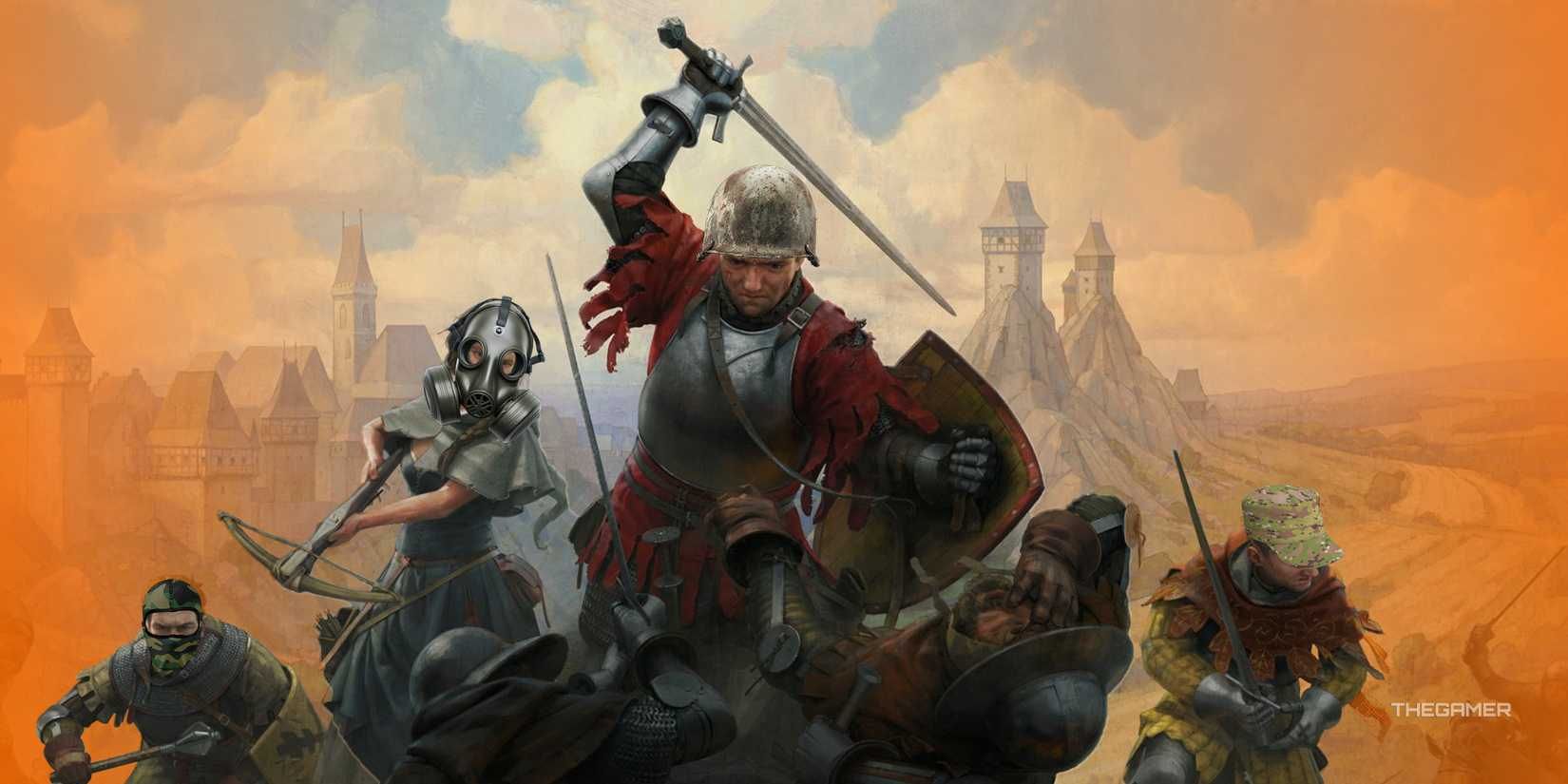
Image: thegamer.com
Infinity Ward tested the one Call of Duty pitch that breaks the gunline
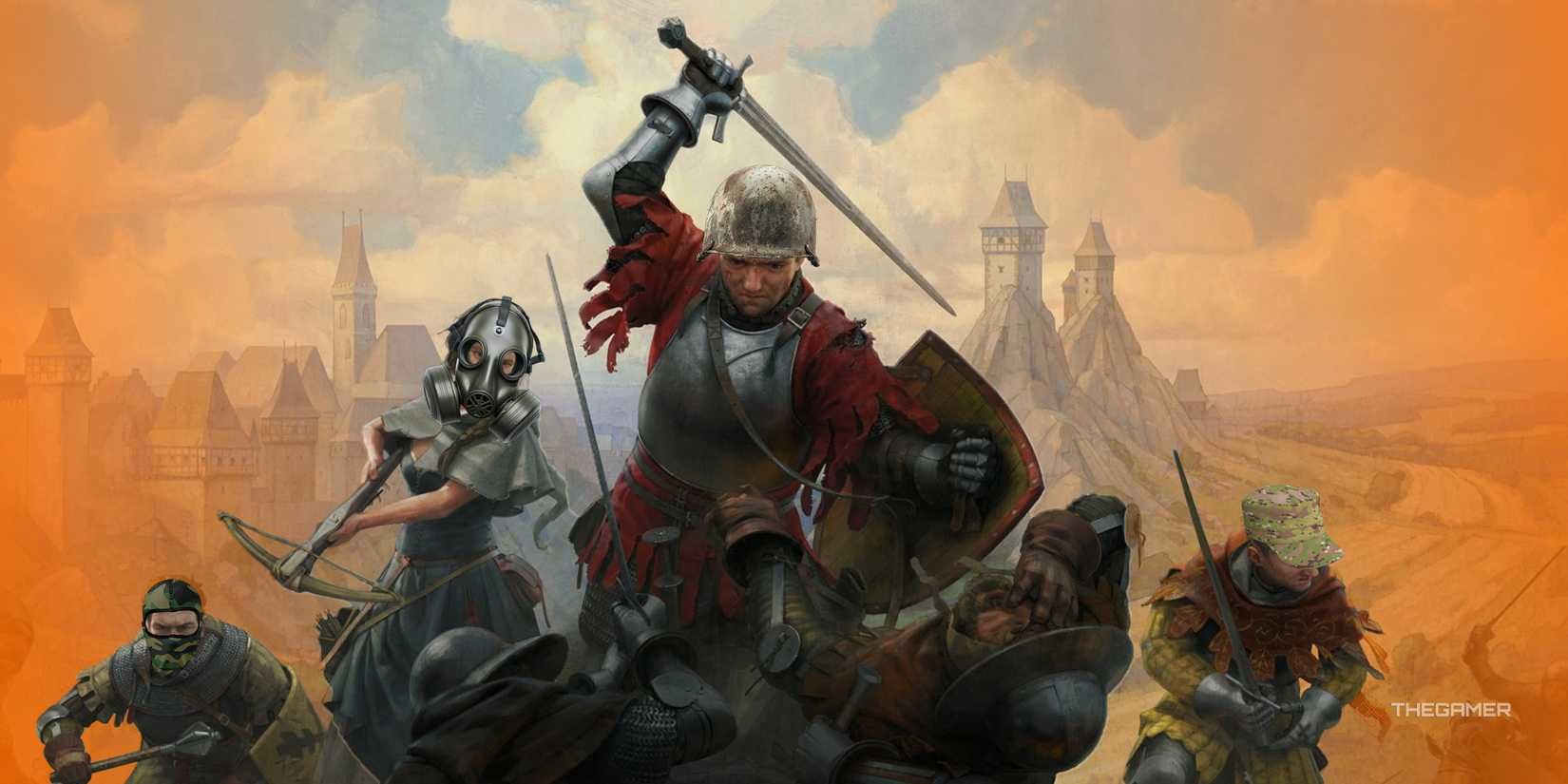
The strongest confirmed detail is simple and wild: Infinity Ward once prototyped a medieval Call of Duty where the player was a knight with a sword. That comes from Taylor Kurosaki, the writer and co-director of Call of Duty: Infinite Warfare, speaking to PC Gamer in comments later reported by PCGamesN and Eurogamer.
Kurosaki framed the idea around the elasticity of the series. “Call of Duty is a massive tree with a lot of branches,” he said, according to PCGamesN and Eurogamer. “It can be World War 2. The team at IW had prototyped a medieval Call of Duty. Where you were a knight and had a sword and all kinds of crazy shit. But if it's a war story, sure, it can be Call of Duty.”
That is the whole confirmed core of the medieval Call of Duty report. Infinity Ward explored it. The player role involved a knight. A sword was central enough for Kurosaki to name it. The concept was being judged through the lens of a war story rather than through the narrower lens of modern military firearms.
What is not confirmed is equally important. The available reporting does not identify when Infinity Ward built the prototype, whether it had multiplayer, whether Activision formally greenlit it, whether it reached a cancellation milestone, or whether any platforms were ever targeted. MIXED specifically notes that Kurosaki did not say when the prototype was built or what became of it. For now, this is a reported Call of Duty prototype, not evidence of a near-finished cancelled Call of Duty game.
A sword-based Call of Duty would have attacked the series’ actual muscle memory
For shooter players, the setting is only half the disruption. A medieval Call of Duty would have forced Infinity Ward to test whether the series could survive without the things that usually define its feel: sight acquisition, recoil control, sprint-out timing, weapon handling, reload rhythm, range discipline, audio reads, and quick time-to-kill gunfights.
Kurosaki’s description gives us only the knight-and-sword outline, so anything beyond that is interpretation. But from a systems angle, “Call of Duty knights swords” is not a skin swap. You cannot simply trade an M4 for a longsword and keep the same pacing. A firearm-led CoD map is built around lanes, head glitches, cover breaks, angles, spawns, and weapon ranges. A melee-led CoD would need different answers for approach safety, hit detection, animation commitment, blocking, interrupts, crowd control, and the basic question of how a player wins a fight before eating damage.
That is where the prototype detail matters. Prototypes exist to answer whether a fantasy works in the hands, not whether it sounds good in a meeting. Infinity Ward apparently had enough curiosity to test the boundary. Kurosaki’s “if it's a war story” comment suggests the studio was thinking about Call of Duty as a structure for conflict, spectacle, and soldier perspective, rather than as a franchise locked to one century of equipment.
Still, the missing details keep the claim contained. We do not know if this was first-person, third-person, campaign-only, or an internal combat slice. Eurogamer describes it as a medieval Call of Duty “explored at one time,” while PCGamesN says it was “prototyped at Infinity Ward.” Neither source establishes a shipping plan.
The appeal is obvious, but so is the risk
The reason the medieval Call of Duty idea keeps grabbing attention is that it collides with the series’ safest commercial identity. Call of Duty has spent decades selling the snap of guns, explosives, military hardware, and big campaign set pieces. PCGamesN opens its report by pointing to that contrast directly: the franchise is known for firearms and spectacle, yet the prototype imagined a sword in the player’s hands.
That contrast is the tension. A medieval Call of Duty could still be a war story, as Kurosaki argued, but it would threaten the feedback loop players recognize immediately. The best CoD entries make movement, aiming, and time-to-kill readable in seconds. A sword game would have to earn that same clarity without the language of muzzle flash, tracers, ADS speed, recoil pattern, magazine pressure, and weapon attachments.
There is also a business side, though the available primary reporting does not prove a specific executive reason for the prototype stopping. AllKeyShop argues that Activision would have favored the safer financial return of established military settings and that a medieval pivot carried too much risk. That is a plausible reading of the franchise’s incentives, but it is not supported in the provided material by an Activision statement about the medieval prototype. Treat it as commentary, not confirmation.
The safer confirmed takeaway is narrower: Infinity Ward tested a medieval idea, and no medieval Call of Duty has been announced or released. The gap between those facts says plenty without inventing a boardroom scene.
Call of Duty has flirted with stranger battlefields before
The medieval prototype is easier to understand when placed next to other reported attempts to pull Call of Duty away from its usual lanes. PCGamesN points to Call of Duty: Roman Wars, a Vicarious Visions proposal from 2008 that would have taken the series to Ancient Rome and followed Julius Caesar’s Tenth Legion. According to PCGamesN’s summary of a GamesRadar investigation, the concept involved swords, spears, shields, and even riding elephants into battle.
That Roman Wars example comes with a major caveat. PCGamesN notes that Activision later told GameSpot the concept was proposed by a former employee but “was not seriously considered nor requested to move to prototype.” So Roman Wars should not be treated the same way as Kurosaki’s Infinity Ward anecdote. The medieval game was described by Kurosaki as something the team at IW had prototyped. Roman Wars, by Activision’s later account, did not receive a request to move to prototype.
Eurogamer also brings up Call of Duty: Fog of War, a third-person horror-tinged Vietnam project once in development at Sledgehammer Games. According to Eurogamer, Sledgehammer was pulled onto Modern Warfare 3 after Activision’s legal battle with Infinity Ward founders Vince Zampella and Jason West disrupted the studio situation.
Taken together, these reports show a pattern, but not a secret release roadmap. Call of Duty studios and partners have considered Ancient Rome, medieval warfare, and Vietnam horror. The shipped franchise largely stayed closer to first-person military shooter expectations, with some futuristic swings along the way.
Infinite Warfare explains part of the tension around experimentation
Kurosaki’s own Call of Duty history makes the medieval anecdote sharper. He worked on Infinite Warfare, the 2016 entry that pushed the series into a far-future conflict involving Earth and space. MIXED notes that the images in its article show Infinite Warfare rather than the unreleased medieval prototype, and that Steam describes Infinite Warfare as including campaign, multiplayer, and Zombies modes.
The comparison matters because Infinite Warfare was already a stress test for how far Call of Duty could move from grounded military fantasy while still feeling like CoD. MIXED reports that Kurosaki told PC Gamer the team had not realized its project would follow two other future-set entries, Advanced Warfare and Black Ops 3. That context helps explain why a studio might be thinking about branches on the Call of Duty tree while also running into audience fatigue around setting direction.
From a shooter design perspective, the future setting still preserves guns. It can add boost movement, spaceships, robotics, and sci-fi weapon skins while keeping the player’s main verb as aiming and firing. Medieval combat would go further. It would challenge the foundation rather than stretch the wrapper.
That is why the Infinity Ward medieval game remains such a sticky “what if.” Infinite Warfare asked whether CoD could keep its pace in space. A knight-and-sword prototype would have asked whether CoD could keep its identity when the trigger is gone.
Why the medieval Call of Duty rumor is resurfacing now
The idea is back because Kurosaki discussed it with PC Gamer, and other outlets then amplified the detail. PCGamesN, Eurogamer, MIXED, and AllKeyShop all published reports or commentary around the same core claim: Infinity Ward once prototyped a medieval Call of Duty involving a knight and a sword.
That does not make it an active project. No source in the provided material says Activision has announced a medieval Call of Duty, reopened the prototype, assigned a studio to it, or attached a release window. There are no confirmed platforms, price, editions, trailers, alpha tests, ratings-board listings, or store pages. Readers looking for an upcoming Infinity Ward medieval game should treat the current story as historical development context, not a tease for the next premium release.
The resurfacing also lands because players understand how rare a hard left turn would be for Call of Duty today. The series now has to think about annual premium releases, Warzone integration, shared progression expectations, cosmetics, and a multiplayer audience trained around firearms. AllKeyShop argues that Warzone’s shared systems make a medieval entry harder to fit, but that is an outside analysis rather than a quoted Activision explanation.
So the practical answer is blunt: there is nothing to preorder, wishlist, or wait for. The confirmed news is the existence of an Infinity Ward prototype in the past. The open question is whether Activision would ever let a mainline studio test that kind of combat shift in public.
The useful read: a prototype, not a promise
The cleanest way to read this report is as a glimpse into how wide Call of Duty’s internal definition may have been at certain points. Kurosaki’s quote argues that a Call of Duty story can branch anywhere a war story can exist. The medieval prototype is the most extreme known example in the current reporting because it swaps the franchise’s defining weapon language for knights and swords.
But the guardrails are firm. The available sources do not show a cancelled release date, a near-finished campaign, a multiplayer build, a platform list, or an official Activision explanation for why the idea stopped. The Roman Wars comparison also shows why caution matters: one ancient-world Call of Duty concept has been discussed for years, yet Activision told GameSpot it was not seriously considered and was not requested to move to prototype.
For players, the fun is in the design question. Could Call of Duty’s pacing survive medieval melee? Could Infinity Ward make sword contact feel as immediate as a clean three-shot burst? Could maps built for pressure, flanks, and spawn control work without rifles? Those are the right questions to ask, because they respect what was actually reported: a studio experiment around a radically different combat model.
Until Activision says otherwise, medieval Call of Duty remains a fascinating prototype story rather than a product. It is a reminder that even the most conservative shooter franchises sometimes test ideas that would blow up the meta before a single public match is played.