
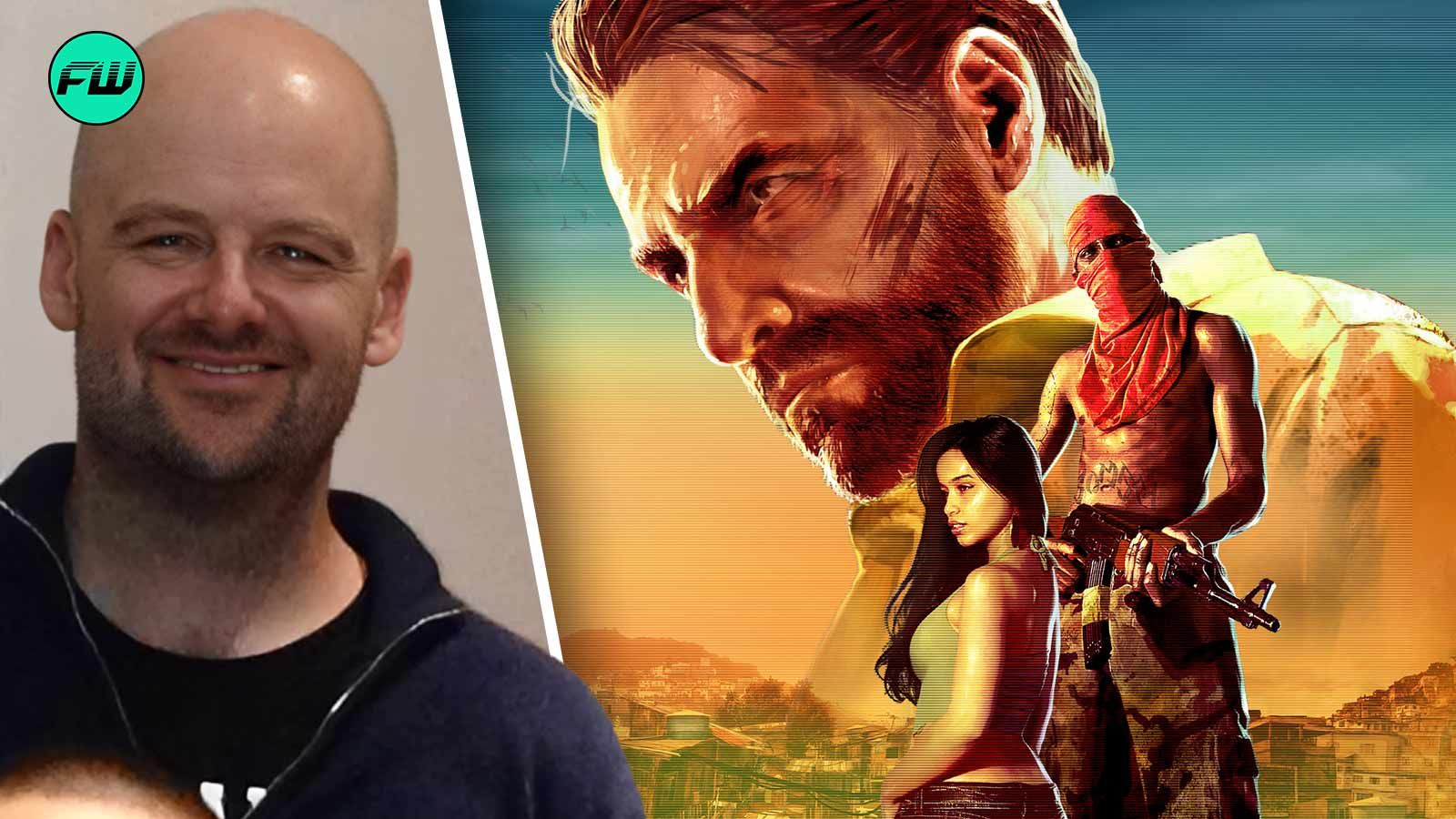
Former Rockstar VP and Max Payne 3 writer Dan Houser says he got the sequel wrong, offering a rare postmortem on tone, authorship, and why players missed Sam Lake’s writing.
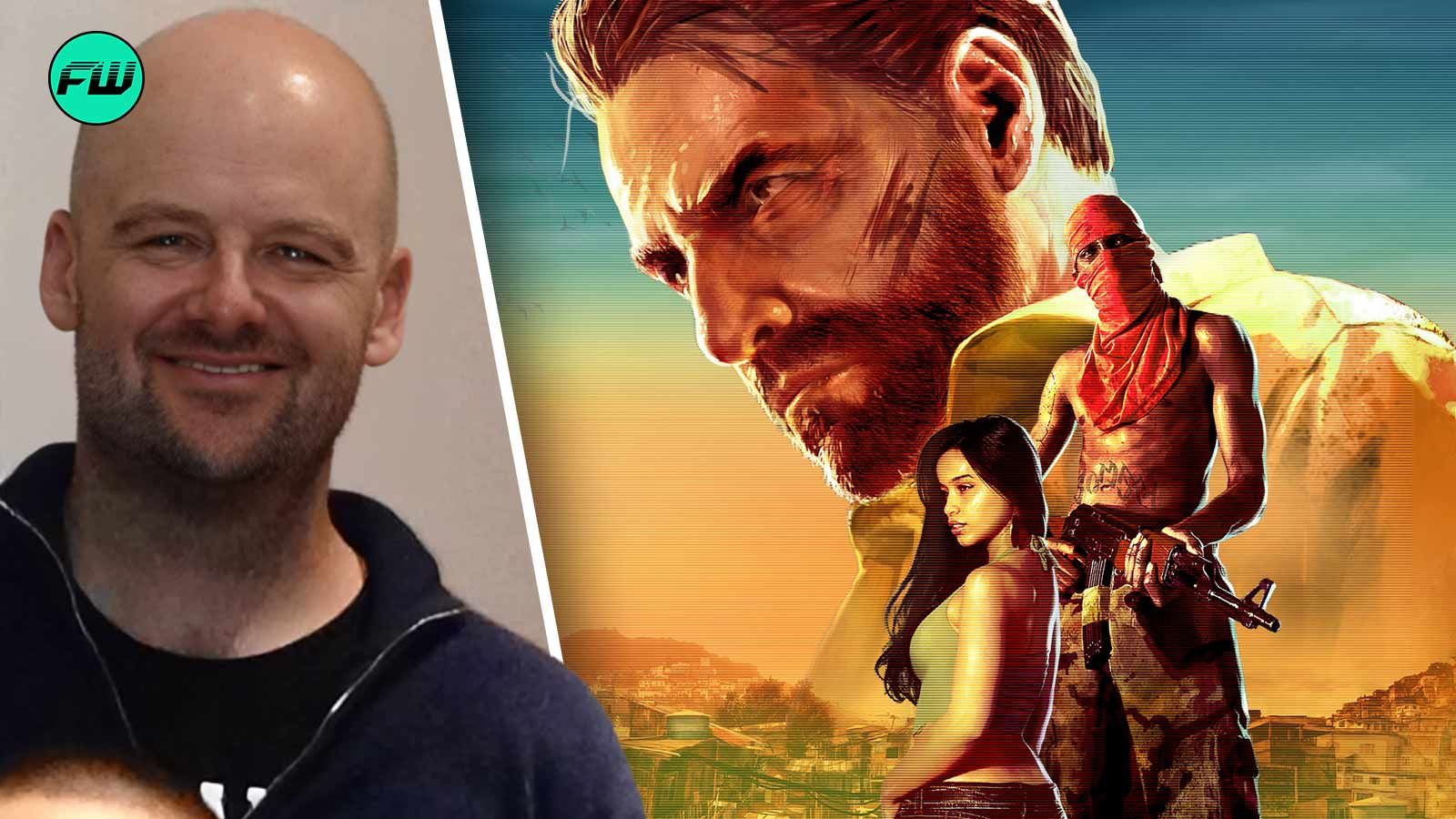
Image: fandomwire.com
Houser puts the failure on his own script decisions
Dan Houser, the former Rockstar Games vice president and one of the writers of Max Payne 3, has publicly described Rockstar’s 2012 sequel as a creative failure on his part. In an IGN interview, Houser said he believed at the time that Rockstar had made a strong follow-up to Remedy Entertainment’s first two Max Payne games, but now thinks he misread what many players wanted from the series.
“So I got that completely wrong,” Houser told IGN. “Some people liked it; lots didn’t. So we got it wrong, or I got it wrong. I failed. My bit was not a success.”
That is the concrete development in the Max Payne 3 Dan Houser story: a principal Rockstar writer is not blaming market timing, franchise fatigue, or inherited expectations first. He is pointing to authorship. Houser told IGN that the game was “beautifully made” and that he enjoyed the process, but said “a large amount of that failure” was on him as a decision-maker and writer, especially because players “really missed” the writing of Sam Lake, the Remedy figure closely associated with the original Max Payne identity.
GamingBolt and Kotaku both picked up the IGN interview with the same central point: Houser does not appear to be disowning Max Payne 3’s craft. He is separating the quality of Rockstar’s production from the question of whether the sequel understood the soul of the earlier games.
The tension was built into the handoff from Remedy to Rockstar
The first two Max Payne games were developed by Remedy Entertainment, with Sam Lake’s writing central to their reputation. Kotaku notes that Max Payne 3 was developed entirely by Rockstar and primarily written by Houser. That handoff matters because Max Payne was never simply a man in a leather jacket diving sideways with dual pistols. Its voice, pace, and theatrical misery were part of the machinery.
IGN frames the original Max Payne and Max Payne 2: The Fall of Max Payne as genre-defining third-person shooters that helped push Remedy into the spotlight. Rockstar inherited the third chapter with a very different house style behind it, coming off franchises such as Grand Theft Auto and Red Dead Redemption. On paper, Rockstar had the production muscle and narrative confidence to take over. In practice, Houser now says he underestimated how much of Max Payne’s identity was tied to Lake’s particular noir sensibility.
Houser told IGN he knows Lake well and called him “really talented.” His admission is pointed because it is not a vague apology for a sequel being divisive. It identifies the fracture: Rockstar thought it had made another Max Payne game, while many players apparently felt the missing ingredient was the original writer’s cadence, gloom, and interior voice.
Rockstar made a tighter, louder, more cinematic Max Payne
Houser’s account also makes clear that Max Payne 3 was exciting to build because it moved him outside Rockstar’s usual open-world rhythm. “It was a linear game, so it was a little different from writing an open-world game, a little more structured,” he told IGN. He said he liked that structure, the absence of loading interruptions, the feeling of a “12-hour movie,” and the visual presentation that put words on screen.
Those details are important because they describe a game engineered around forward pressure. Max Payne 3 is a corridor of shootouts, cuts, dives, reloads, and escalations. Its set-piece design does not breathe like an open-world Rockstar game. It drives Max from one violent collapse to the next, often with the timing of an action thriller rather than the haunted drift of Remedy’s earlier New York stories.
IGN describes the sequel as trading the “gloomy, introspective weirdness” of the Remedy games for a more high-octane, colorful, all-action approach in Brazil. Kotaku similarly points to the move to Brazil and the game’s neo-noir style. That shift produced one of the central contradictions around Rockstar Max Payne 3: even critics and fans who admired the gunplay often questioned whether the story’s temperature matched the name on the box.
From an action design perspective, Houser’s praise for the production is easy to understand. The sequel’s combat rhythm, as described by the sources, was widely admired. Kotaku calls out its snappy, satisfying gunplay and animation work, while IGN says the bullet time still feels strong. Houser is not saying the game lacked craft. He is saying craft did not solve the authorship problem.
The story moved Max to São Paulo, but some players wanted the old wound
GamingBolt summarizes the setup of Max Payne 3 as taking place eight years after Max Payne 2: The Fall of Max Payne. Max is still suffering from trauma, alcoholism, and painkiller addiction when he takes work as a private security guard in São Paulo, Brazil. The plot escalates after gang members target the Branco family, with Rodrigo Branco and his wife Fabiana drawn into a kidnapping crisis that sends Max into conflict with gangs in the city’s favelas.
That premise gave Rockstar a clear action engine: a broken ex-cop in a hostile new environment, surrounded by wealth, corruption, ransom, and urban violence. It also made the sequel feel physically and tonally far from Remedy’s snowbound nightmare city. The older games were associated with a particular neo-noir interiority. Max Payne 3 leaned harder into a sun-blasted, bruising action mode, even while Houser says Rockstar believed it was making a “digital noir experience.”
The failure Houser describes is therefore not simply that the plot changed locations. Series can survive location changes. The sharper issue is whether the new setting and presentation preserved the internal music of Max’s narration and despair. Houser’s own explanation suggests he now sees that distinction: the team retained Max’s trauma and bullet-time violence, but many players missed Lake’s writing voice.
Reception was split between critical respect and commercial disappointment
The sources agree on the broad shape of Max Payne 3’s reception, though they phrase it differently. IGN says the game was well received critically but underperformed commercially and was not a huge hit with players. Kotaku says it launched to positive reviews from most critics but did not sell nearly as well as other Rockstar titles. GamingBolt says the shooter earned critical praise for gameplay and its focus on Max’s continuing trauma, while also calling it an underwhelming commercial performer.
None of the provided sources gives a sales total, so the safe conclusion is limited: according to IGN, Kotaku, and GamingBolt, Max Payne 3 was respected more than it was embraced as a blockbuster Rockstar success. GamingBolt also suggests the game likely suffered from releasing on the same day as Diablo 3, but that is presented as a likely factor rather than a confirmed cause.
Houser’s comments are valuable because they resist an easy industry explanation. Commercial underperformance can be blamed on launch windows, marketing, platform timing, or genre shifts. Houser instead returns to story and fit. He liked the design, the structure, and the cinematic presentation, but says his own contribution did not land the way it needed to for Max Payne.
The admission lands differently with Remedy remakes in production
IGN notes that Remedy and Rockstar have teamed up on remakes of the first two Max Payne games, and that the last update cited by IGN said the project was in “full production” with the collaboration between Remedy and Rockstar remaining “close and productive.” The provided sources do not include a release date, price, platform list, upgrade path, or performance targets for those remakes.
That makes Houser’s interview relevant without turning it into a new announcement. His comments do not change the status of the remakes, and they do not confirm any design direction. They do, however, sharpen the question those remakes will face: can modern production values preserve the specific voice that Houser says players missed?
For players revisiting Max Payne 3 now, the practical read is straightforward. The game remains a 2012 release originally launched on PC, PlayStation 3, and Xbox 360, according to GamingBolt. The current discussion is not about a remaster or relaunch. It is about how to understand Rockstar’s sequel in hindsight: as a polished, aggressive third-person shooter whose writing and tone still sit at the center of its divide.
Houser’s postmortem is rare because it names the wound so directly. Max Payne 3 did many things with force and precision, from its linear momentum to its action staging. But by Houser’s own account, the sequel’s biggest miss was personal and creative: Rockstar could build the firefights, the cuts, the motion, and the cinematic flow, yet still lose the voice that made Max Payne feel like Max Payne.