
Mattel Game Studios puts the Barbie, Hot Wheels and UNO owner deeper into self-published games, with mobile live ops, Roblox and Fortnite at the center of its licensed games strategy.
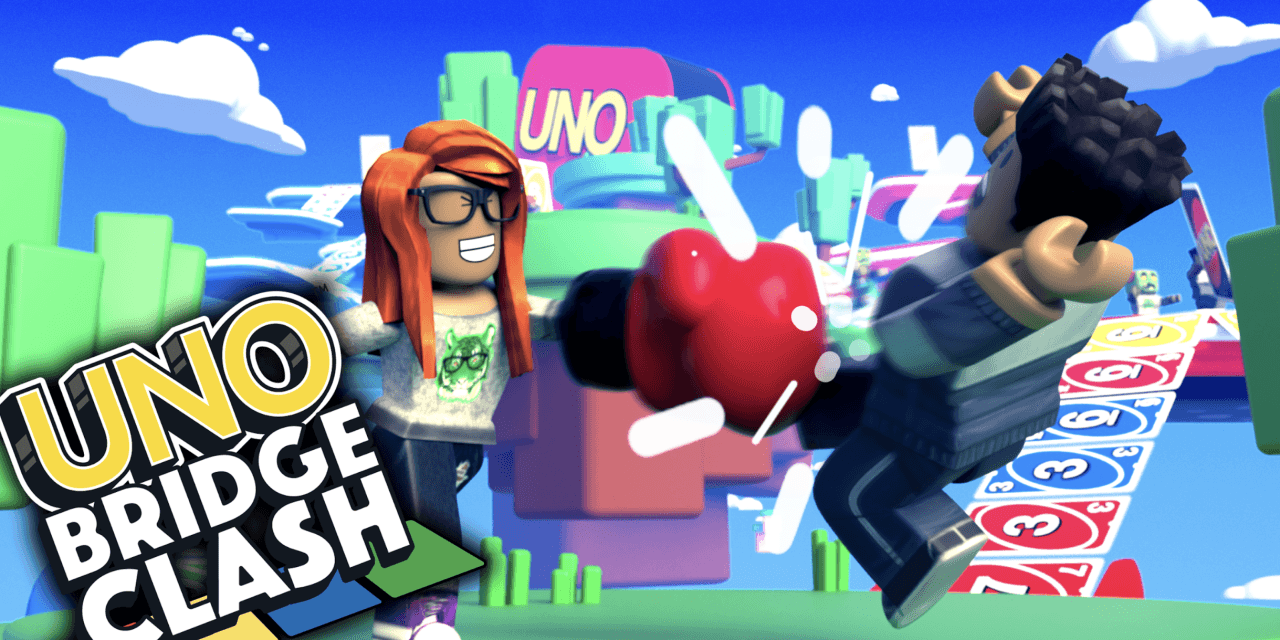
Image: totallicensing.com
Mattel is turning its brands into an operating games business
Mattel has formed Mattel Game Studios, a new global games organization built to develop, publish and operate interactive experiences based on the company’s IP. The immediate tension is clear: the Barbie, Hot Wheels and UNO owner is no longer treating games mainly as licensed extensions handled elsewhere, but it is also avoiding the most dangerous version of that move by centering mobile live operations and creator platforms such as Roblox and Fortnite.
Variety reported the launch on August 13, with Game Developer, GamesIndustry.biz, Kotaku and DayOne following with coverage tied to Mattel’s announcement. Across those reports, the confirmed structure is consistent. Mattel Game Studios sits under Mattel Digital Studios, the broader organization led by Marcus Liassides, and will oversee Mattel’s existing mobile portfolio, new free-to-play mobile titles, and original experiences on platforms including Roblox and Fortnite.
The studio is not a small brand desk. Mattel says it brings together nearly 300 artists, designers, engineers, live operations specialists and producers across Los Angeles and Hangzhou. That headcount matters because the work Mattel is describing is ongoing operation, publishing, marketing and content production, rather than a one-off boxed-game licensing pipeline.
The first wave is already defined in broad terms. Variety and GamesIndustry.biz identify the studio’s first self-published mobile game as the Masters of the Universe title Skeletor: Until Next Time!, released in June. UNO Wild is currently in soft launch, and a new Hot Wheels game is in active development. Mattel has not announced a new Barbie title as part of this specific Mattel Game Studios pipeline, despite Barbie being one of the company’s most visible brands and a natural search point for players looking for Barbie video games.
The Mattel163 acquisition is the strategic core, not a footnote
The new label follows Mattel’s move earlier this year to acquire full ownership of Mattel163 from NetEase. GamesIndustry.biz describes Mattel163 as a joint venture that had previously been 50 percent owned by NetEase. Variety and GamesIndustry.biz both report that Mattel163 was founded in 2018 and has built mobile games including UNO!, UNO Wonder, Phase 10 and Skip-Bo.
Those games give Mattel Game Studios something many entertainment companies lack when they announce a gaming push: a live business already operating at scale. Mattel says the Mattel163 portfolio has generated more than 550 million downloads worldwide and reaches approximately 20 million monthly active players. That does not guarantee that every future Mattel game will work, but it changes the risk profile. The new studio is being assembled around an existing audience, an existing mobile operation and a team with live-service experience.
Marcus Liassides, senior vice president and global head of Mattel Digital Studios, said in Mattel’s announcement, as quoted by Variety and GamesIndustry.biz, that Mattel Game Studios gives the company “the scale and capabilities to build and publish more original gaming experiences inspired by our iconic brands.” He also positioned the effort alongside Mattel’s existing industry collaborations, saying it strengthens the company’s ability to reach fans “wherever they choose to play.”
That wording is important. Mattel is not saying it will stop licensing its brands to outside partners. It is saying it wants more control over owned-and-operated products while still using collaborations where they make sense. In strategy terms, that is a portfolio move: keep the option value of third-party deals, but build internal muscle around repeatable, live-operated formats.
Roblox and Fortnite point to where licensed games are shifting
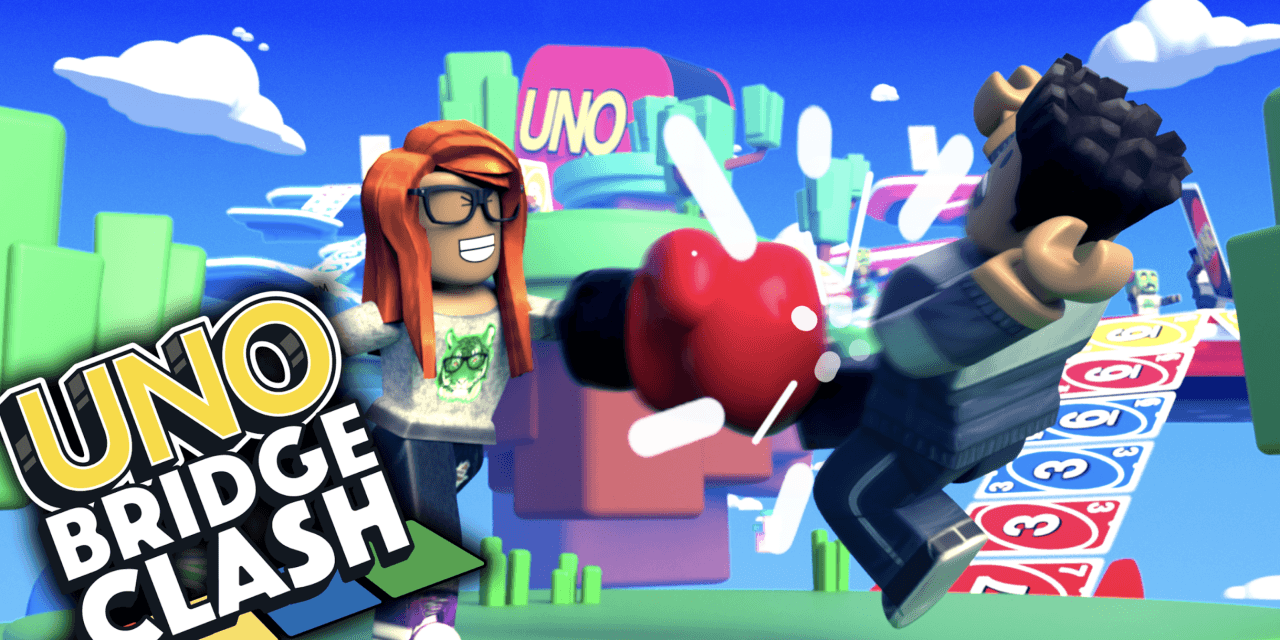
The Roblox and Fortnite detail is the sharpest part of the announcement because it shows Mattel treating user-generated content platforms as part of the main publishing plan, not as marketing side channels. Game Developer, Variety, GamesIndustry.biz and DayOne all report that Mattel Game Studios will work on original experiences for creator platforms such as Roblox and Fortnite.
Mattel has not announced which brands will appear there, when those experiences will launch, whether they will be built internally or with external creators, or how they will be monetized. Those are still open questions. What is confirmed is the strategic category: Mattel’s new games unit is explicitly responsible for UGC platform work alongside mobile free-to-play titles.
That reflects a broader change in the licensed games business. A traditional licensed game often depends on a large upfront production cycle, a launch window, platform approvals and a single commercial beat. Roblox and Fortnite experiences behave differently. They are discovered through platform ecosystems, updated around events and retention loops, and judged by repeat engagement. For a toy company, that resembles the rhythm of a brand campaign and a live product line more than the old licensed tie-in model.
The fit is obvious for brands built around toys, rules and role-play. UNO can become a social ruleset. Hot Wheels can become racing, collecting and stunt challenges. Barbie can become fashion, role-play or social identity, although no Mattel Game Studios Barbie project has been confirmed in the sources. The opportunity is reach and flexibility. The constraint is that Roblox and Fortnite users are not automatically brand fans. They reward good loops, fast updates and social relevance. A familiar logo may get a click; it will not carry retention by itself.
Mobile live ops gives Mattel a safer ramp than AAA development
Mattel’s chosen emphasis looks deliberate when set against the recent history of entertainment and toy companies trying to build game divisions. Kotaku’s coverage frames the announcement against Hasbro’s problems, citing recent cancellations and write-downs as a warning that making games is hard, expensive and messy. GamesIndustry.biz, meanwhile, points to Hasbro’s upside from Monopoly Go and Baldur’s Gate 3 as evidence of how large the rewards can be for toy and tabletop IP when the game execution works.
Those two readings are not actually incompatible. They describe the same market from opposite ends of the outcome table. Licensed games can produce blockbuster revenue when the right brand, team and format line up. They can also burn capital quickly when internal ambitions outrun production capability or when a project misses its audience.
Mattel Game Studios appears designed to avoid the most capital-intensive version of that gamble, at least for now. The confirmed slate centers on free-to-play mobile, existing card and board-game brands, and UGC platform experiences. Those categories still carry risk, especially around user acquisition costs, content cadence, platform rules and monetization. But they are closer to Mattel163’s proven operating base than a premium console blockbuster would be.
That is the strategic logic behind UNO Wild and a new Hot Wheels game appearing before any announced big-budget Barbie or Masters of the Universe console push from this new unit. UNO already has mobile scale in Mattel163’s portfolio. Hot Wheels games have clear mechanical hooks around vehicles, speed, tracks and collection. Both are easier to translate into repeatable sessions than a prestige licensed adventure with a long development cycle and a single launch moment.
The brand portfolio is large, but the confirmed pipeline is narrow
Mattel owns or controls brands including Barbie, Hot Wheels, UNO, Masters of the Universe, Polly Pocket and Thomas and Friends, as noted in Game Developer’s report. That range creates a tempting reading of Mattel Game Studios as the start of a flood of licensed games. The confirmed information is more limited.
The active public pipeline named in the sources consists of UNO Wild in soft launch, an unnamed Hot Wheels title in active development, and Mattel’s June self-published Masters of the Universe mobile release. Variety and GamesIndustry.biz call that June title Skeletor: Until Next Time!. Kotaku’s report refers to a June Masters of the Universe mobile title under a different name, so readers should treat the company-linked release naming reported by Variety and GamesIndustry.biz as the clearer public reference unless Mattel issues further clarification.
For Barbie video games, the distinction is especially relevant. Kotaku notes separately that Barbie Rewind, a remaster anthology collection of older Barbie games, is expected later this year, citing prior reporting. The provided sources do not connect Barbie Rewind to Mattel Game Studios, and they do not say Mattel Game Studios has a new Barbie project in production. Given the brand’s current cultural weight, a Barbie game announcement would be commercially significant, but it remains unannounced in the Mattel Game Studios materials covered here.
That gap is worth watching. If Mattel’s new label begins with systems-led brands such as UNO and Hot Wheels, it suggests the company is prioritizing game formats with obvious replay loops before tackling brands whose appeal may depend more heavily on customization, narrative, identity or community tooling.
What is confirmed for players, and what is still missing
For players, the practical information is still thin. UNO Wild is in soft launch, according to Variety, GamesIndustry.biz, Game Developer and DayOne, but the sources do not provide a global release date, territory list, platform list, price details or monetization specifics. The new Hot Wheels game is in active development, but Mattel has not announced its title, release window, platforms, business model or gameplay format in the provided material.
The Roblox and Fortnite plans are also confirmed only at the category level. Mattel Game Studios will oversee original experiences on creator platforms such as Roblox and Fortnite, but no specific Mattel Roblox Fortnite launch has been named in the sources. There is no confirmed Barbie Roblox project, Hot Wheels Fortnite island, UNO Fortnite mode or release schedule in the material provided.
That means the sensible reader stance is patience rather than preorder-style excitement. There is nothing to buy yet from the newly announced Hot Wheels project, and no public platform page or price information is available from the sources. For UNO players, the term “soft launch” usually signals a product being tested before broader rollout, but the sources do not specify test markets or timing, so availability will depend on Mattel’s next announcement or mobile storefront listings.
The strongest confirmed takeaway is business direction. Mattel Game Studios puts the company’s licensed games business on a more internal, live-operated footing, with Mattel163’s mobile scale as the base and Roblox and Fortnite as growth arenas. The unanswered questions are the ones that will decide whether the strategy produces durable games rather than branded destinations: who builds the UGC experiences, how often they update, how monetization is handled for younger audiences, and whether Mattel’s biggest brands can become strong play systems instead of familiar names in crowded feeds.