
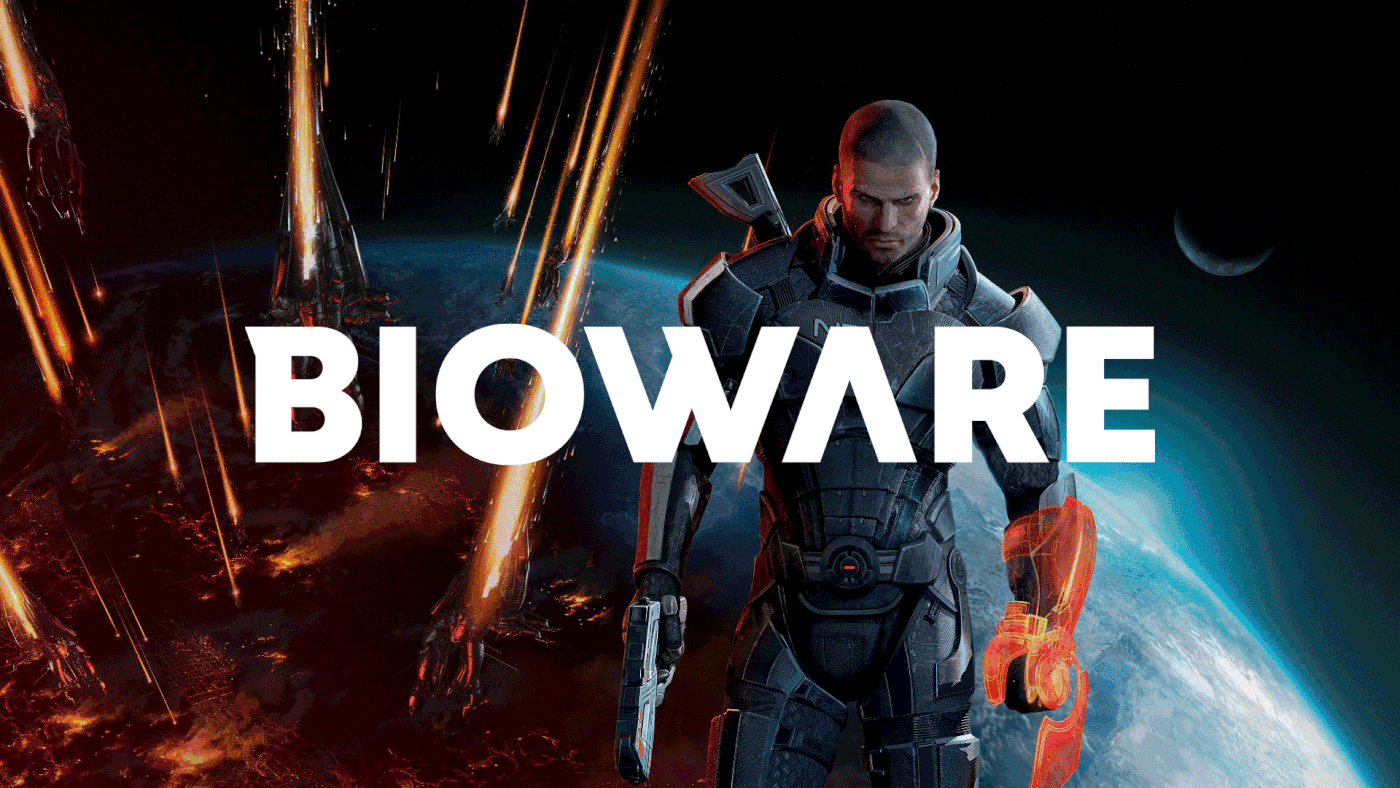

Mass Effect fans are rallying around a Save Mass Effect petition and EA boycott calls after reports that BioWare is closing and Mass Effect Universe was canceled, with Jennifer Hale and Mark Meer adding their support.
Image: digg.com
The Save Mass Effect campaign has moved fast because the ask is specific
The strongest signal from the Mass Effect community this week is not a vague wave of nostalgia. It is a fast-growing Mass Effect petition with a concrete demand: EA should either continue funding the franchise under another studio or license the IP so another developer can take it forward.
IGN reported that EA announced plans on October 21 to shut down BioWare and cancel the next Mass Effect game. In the days after that report, the #SaveMassEffect petition became the center of the fan response. IGN first reported the petition crossing 50,000 signatures, then later said boycott calls were spreading as the petition passed 75,000. Wolf’s Gaming Blog subsequently reported the number at 110,000 signatures, after an earlier 84,000 figure had been crossed out in its own update. GamingBible also described the petition as having gone viral with more than 100,000 signatures.
Those different counts are best read as a timeline rather than a contradiction. The campaign appears to have accelerated through the first several days after the BioWare closure reports, helped by the fact that the petition is not asking EA to resurrect the studio exactly as it was. According to IGN, the petition asks EA to put another studio in charge of the franchise and fund development, or license the IP out. Wolf’s Gaming Blog quotes petition creator Joe Smith arguing that Mass Effect’s future is threatened by “the decline in dedicated resources and ambiguous development plans from Electronic Arts,” and that EA should commit to the “ongoing expansion and enhancement” of the universe.
That framing matters because it turns grief into a policy request. Fans are not only saying they miss the Normandy, Shepard, Garrus, Liara, Tali, or the structure of old BioWare questlines. They are telling EA that a dormant license would be an unacceptable outcome. In RPG terms, the campaign has chosen its objective marker: save Mass Effect by moving the franchise somewhere it can still be developed.
Jennifer Hale and Mark Meer give the campaign symbolic weight
Polygon reported that Jennifer Hale and Mark Meer, the original voice actors for Commander Shepard, have joined the effort to keep Mass Effect alive and gather more fan support. The source text does not provide a detailed statement from either actor, so the responsible reading is narrow: their involvement is confirmed by Polygon, but the exact scope of their advocacy should not be inflated beyond that report.
Even with that caution, Hale and Meer matter to the reaction because Shepard is the emotional architecture of the trilogy. Mass Effect’s original progression loop was never limited to combat upgrades, Paragon and Renegade points, or squad loyalty outcomes. It was also the long-term authorship of a player’s Commander Shepard, carried across three games and voiced through two performances that players often treated as equally canonical.
When the voices of Shepard back a save Mass Effect push, the campaign gains a kind of franchise memory that a hashtag alone cannot supply. Hale and Meer do not control EA’s licensing strategy. They cannot greenlight a sequel, assign a new developer, or reverse a cancellation. But their presence tells fans that the appeal is reaching people tied to the series’ identity at its most personal level.
That is especially powerful because the canceled project was widely understood as the next major attempt to move the series forward. Polygon refers to the project as Mass Effect Universe, and IGN says the next Mass Effect had been awaited for years before being canceled alongside the BioWare shutdown. For players who have spent years parsing teasers, N7 Day hints, and lore breadcrumbs, Shepard’s actors entering the conversation makes the petition feel less like a routine online flare-up and more like a public memorial for an unfinished branch of the franchise.
Boycott calls show anger at EA, but also expose the limits of fan leverage
The EA boycott calls attached to the campaign are more volatile than the petition itself. IGN reported that Mass Effect fans on Reddit were calling for a boycott of EA products and services unless the company sells Mass Effect, brings it back, or otherwise ensures the canceled game can continue. The cited posts urged fans to rally under #savemasseffect, contact EA, and avoid buying products from EA-affiliated studios and labels including Respawn Entertainment, DICE, Motive Studios, Criterion Games, Maxis, Full Circle, Cliffhanger Games, and EA Sports.
That is a broad target list, and Reddit reaction captured by the provided r/gaming thread shows why sustaining such a boycott is complicated. One highly upvoted comment mocked the premise by suggesting the headline could describe “75,000 people who already weren't buying EA games” continuing not to buy them. Another commenter said they supported saving Mass Effect but were unsure how to boycott EA because they felt they had not bought an EA product in 10 to 15 years. Others pushed back on the community’s expectations, noting that gaming culture had been harsh on recent BioWare releases and questioning whether another Mass Effect would have satisfied fans after Andromeda or Dragon Age: The Veilguard.
Those comments do not invalidate the campaign. They do show the difference between visible anger and economic pressure. A Change.org signature is easy to add. A durable boycott is harder, especially when EA’s portfolio reaches sports players, shooter audiences, life-sim fans, Star Wars fans, and people with little attachment to BioWare RPGs. The campaign’s strongest leverage may not be lost short-term sales from the most dedicated Mass Effect fans. It may be reputational pressure around EA’s stewardship of expensive legacy RPG franchises.
That pressure is clear in the language of the petition and Reddit posts quoted by IGN and NewsBeep. Fans are asking EA not to let Mass Effect become another dormant series. The boycott talk is the sharper edge of that fear: if EA will not build it, sell it, license it, or fund it elsewhere, some fans say they no longer want to support the wider company.
The leaked Mass Effect Universe details sharpened the sense of loss
The campaign is also gaining energy because fans are not reacting to a blank slate. Several sources describe Mass Effect Universe as a real project with visible material and reported design direction before its cancellation. IGN reported that a trailer for what is now known as Mass Effect Universe leaked online after BioWare’s closure. GamingBible wrote that Bloomberg journalist Jason Schreier confirmed the trailer was real, and said the footage suggested an almost entirely new cast with Liara T’Soni returning.
GamingBible also cited playtester and content creator Dantics, who claimed the canceled game would have featured a three-faction universe in a galactic Cold War-style conflict set 600 years after the Reaper War. The same report says Dantics described a reworked weapon system, missions with Hitman-like qualities, James Bond comparisons, and a stronger emphasis on romance and squad relationships. These claims should be treated as playtester claims, not official design documents or final features. A canceled game can change dramatically before release, and early descriptions can mix prototype intent with aspirational pitch language.
Still, those reported details help explain the emotional spike. Mass Effect fans tend to process new entries through systems and consequences: who are the factions, where does the timeline sit, what choices remain canon, how much squad agency survives, and whether exploration, combat builds, diplomacy, and romance reinforce one another. A 600-years-later setting would also have provided a bridge between the original trilogy’s aftermath and Andromeda’s long-distance future, at least in concept. Even unconfirmed design claims are enough to make players imagine the build paths, party compositions, and moral dilemmas they might have been asked to navigate.
That is why the leak discourse and the petition feed each other. If Mass Effect Universe had remained only a logo and a promise, the cancellation might have landed as another disappointment in a long wait. Because fans are now seeing and reading fragments of what may have been planned, the project feels closer, and the demand to save Mass Effect feels less abstract.
The campaign is really a referendum on trust in BioWare’s stewardship after EA’s move
BioWare’s name carries a specific kind of trust for RPG players, even after years of debate over the studio’s direction. The studio’s older catalog, cited by IGN and GamingBible, includes Dragon Age, Jade Empire, Baldur’s Gate, Star Wars: Knights of the Old Republic, and Mass Effect. Those games built expectations around companions, branching quests, party identity, and the feeling that a player’s decisions could echo beyond a single mission.
The current reaction shows that trust has split in two. Fans still trust the idea of BioWare as the place where Mass Effect’s structure made sense. At the same time, many no longer trust EA to protect the conditions that made that structure possible. Polygon tied fan unease partly to EA’s buyout by Saudi Arabia’s Public Investment Fund and private equity, reporting that fans became worried about several franchises after that deal and that BioWare was shut down only a few months later. GamingBible similarly connected the closure to a reshuffle after the Saudi Public Investment Fund’s purchase of EA, though readers should note that these are outlet accounts of the business context rather than a detailed financial filing presented in the source material here.
The petition’s preferred solutions reveal the trust gap. It does not simply ask for patience. It asks EA to commit resources, assign another studio, or license the IP. That implies fans believe passive ownership is the immediate danger. The fear is not only that Mass Effect Universe has been canceled. It is that Mass Effect could remain valuable enough to hold and too politically or financially awkward to actively develop.
IGN added a sober counterweight by reporting that these petitions rarely create corporate reversals. IGN also quoted analyst Joost Van Dreunen saying BioWare’s IP may be too expensive for most buyers, and that capable publishers such as CD Projekt Red already have their own projects. The same IGN report noted that a Canadian politician wants the government to help BioWare employees buy out the studio, but described such a path as a longshot that would likely take years. That context keeps the campaign grounded. A petition can register demand. It cannot solve acquisition cost, staffing, engine decisions, publishing rights, or the long production cycle of a large-scale RPG.
For players, the practical reality is waiting without a confirmed path forward
At this point, the confirmed player-facing situation is bleak and simple. According to IGN and Polygon, BioWare is being shut down and the next Mass Effect project, referred to in coverage as Mass Effect Universe, has been canceled. The provided sources do not include any confirmed release date, platform list, price, preorder plan, development transfer, remaster program, or new studio assignment. EA still holds the Mass Effect rights according to Wolf’s Gaming Blog, but the sources do not show EA announcing a future replacement plan for the franchise.
That leaves fans with a few realistic options, none of them guaranteed. Signing the Mass Effect petition adds to a visible public count. Participating in #savemasseffect adds social pressure. A personal EA boycott may align with some fans’ values, but the Reddit discussion included in the source material shows that its practical force will vary widely depending on whether the people joining it were already disengaged from EA’s catalog. Waiting for official confirmation from EA remains essential, especially because leaked trailer material and playtester claims cannot substitute for a funded production plan.
For longtime RPG players, this is the painful part: Mass Effect has always been a series about choices made under uncertainty, but corporate uncertainty offers no satisfying quest log. There is no Renegade interrupt for licensing negotiations, no Paragon dialogue wheel for studio rescue, and no guaranteed loyalty mission that keeps a beloved crew intact. What the campaign can do is make the demand legible. Fans want EA to save Mass Effect by funding it, transferring it, or licensing it rather than leaving it suspended after BioWare’s reported closure.
Whether EA responds is unknown. What is already clear from the petition numbers, the boycott calls, and the involvement reported around Jennifer Hale and Mark Meer is that Mass Effect still has an audience willing to organize around it. The open question is whether that audience is valuable enough for EA to treat the franchise as an active future project rather than a prestigious name in storage.