
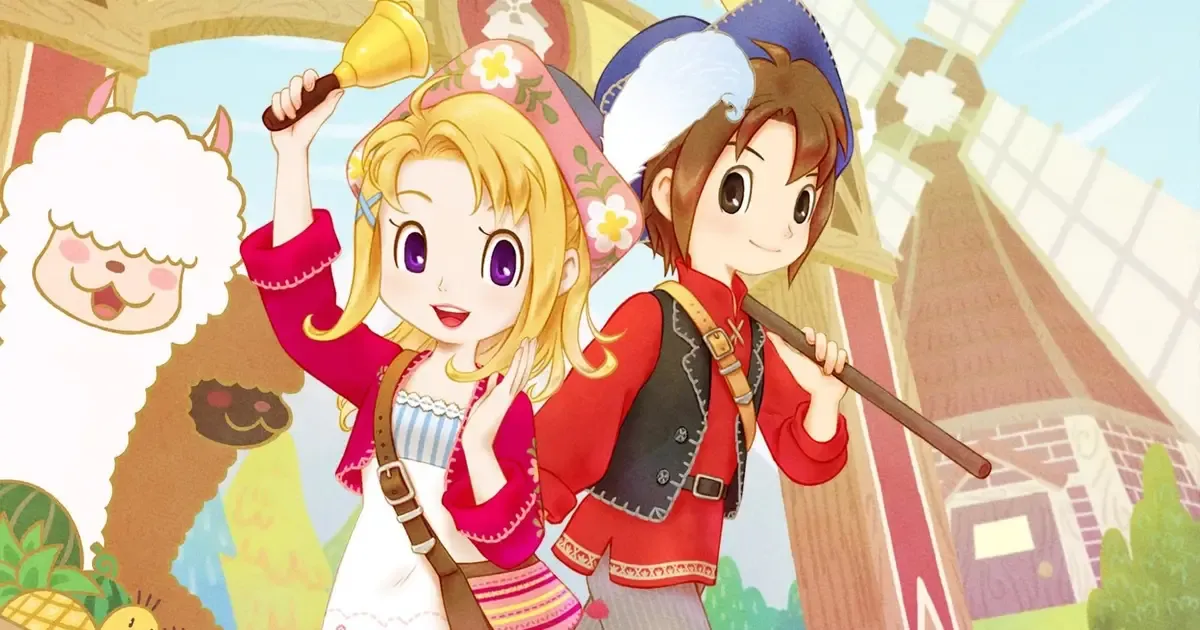
Marvelous is seeking 65 voluntary resignations in its console and PC division as the Story of Seasons and Rune Factory developer shifts toward more external development partners.
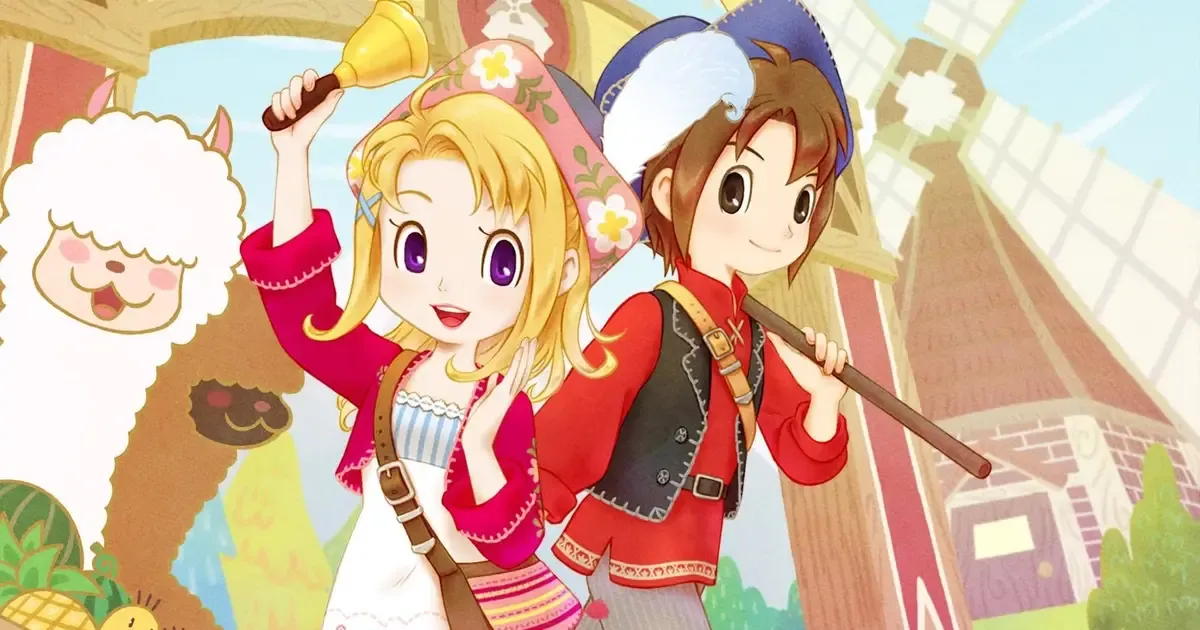
Image: happeningnow.news
Marvelous is cutting console and PC headcount while insisting console remains core
Marvelous is seeking 65 voluntary resignations from the part of the company responsible for its console and PC games, creating a sharp tension for fans of Story of Seasons, Rune Factory and Daemon X Machina: the company says its consumer games business remains core, but it is reducing the internal workforce behind that business as development grows larger and slower. Video Games Chronicle reports that Marvelous Interactive has announced an early retirement program tied to a restructuring of its Consumer Business Division. GamesIndustry.biz, citing Automaton, describes that division as the group focused on console and PC games rather than mobile and live-service titles. The application window for the voluntary resignation program runs from December 14, 2026, to January 8, 2027. Departing employees are expected to leave by March 31, 2027 at the latest, according to VGC and GamesIndustry.biz. GamesIndustry.biz also reports that the program applies to both full-time and contract employees. Marvelous says applicants will receive a special lump-sum retirement payment and access to job-search support through an external firm. That is the confirmed scope of the cut. It is a targeted headcount reduction in the Consumer Business Division, not an announced cancellation of any specific Story of Seasons, Rune Factory, Daemon X Machina or Eternal Anima project. The Brief notes that Marvelous has not announced changes to any specific game or release date. For readers searching for Marvelous layoffs, the precise structure matters: the company is first offering voluntary resignations, which means employees apply to leave under set terms, rather than Marvelous publicly announcing involuntary dismissals in the source material provided.
The cut is really a production-model change
Marvelous is framing the restructuring around how games are made, not around leaving the console market. VGC quotes the company, via machine translation, saying that the consumer game market is changing because development projects are becoming larger in scale and development cycles are growing longer. In response, Marvelous says it wants to create a more flexible business and development structure by combining in-house development with collaboration from external partners, while optimizing its workforce for future operations. That language points to a familiar strategy problem across mid-sized game publishers: fixed internal teams are expensive to carry through long pre-production periods, technology transitions and uneven release schedules. Outsourcing can turn some of that fixed cost into variable cost, allowing a publisher to scale art, engineering, porting, QA or support work up and down by project. Marvelous has not specified which tasks it expects to outsource, so it would be premature to say whether future work shifts toward external art support, co-development, localization, QA, porting or larger partner-led production. The company has only confirmed the broader direction: fewer roles in the Consumer Business Division and more use of external studios alongside internal development. For a Rune Factory developer or Story of Seasons studio, that model can preserve internal control over planning, characters, design pillars and franchise direction while moving some production load outside the company. It can also create coordination risk. Fans should watch whether future game announcements identify co-developers earlier, whether credits show a wider development network, and whether release schedules become more predictable or more fragmented.
Marvelous says this is not a retreat from console games
The most important caveat in Marvelous restructuring coverage is the company’s own statement that the consumer business remains one of its core businesses. VGC reports that Marvelous explicitly stressed the program should not be read as the company focusing less on console games. GamesIndustry.biz quotes the company saying it will focus on titles that leverage its strengths, optimize development structures according to each title’s characteristics, and continue planning and developing new titles. That is corporate wording, but it sets a boundary around the story. The confirmed news is a workforce reduction effort and an outsourcing shift, not a public withdrawal from packaged or downloadable console and PC releases. Eurogamer also frames the program as part of a console business restructuring, while noting that Marvelous is known for Story of Seasons and the upcoming Eternal Anima. The distinction matters because Marvelous’ brands have different production needs. Story of Seasons depends heavily on routine, tone, character writing, systems clarity and long-tail comfort play. Rune Factory adds action RPG combat, dungeon structure and heavier systems layering. Daemon X Machina sits in a different technical lane, with action spectacle and mecha combat expectations. A flexible production structure could treat each of those differently, which is exactly what Marvelous says it intends to do when it refers to optimizing structures according to the characteristics of each title. The risk for players is not that all console development has been announced as ending. It has not. The risk is that the studio-player relationship becomes harder to read until Marvelous shows how much creative control remains internal and how much execution moves to partner studios.
The timing is awkward because Marvelous recently reported stronger profits
Eurogamer notes that the restructuring comes in the same financial year in which Marvelous reported, via Automaton, a 1,105 percent increase in profit between April 2026 and September 2026. Eurogamer says that increase was credited to overseas sales of new indie releases and older console games. That context changes the feel of the announcement. The voluntary resignations are not being reported alongside a simple claim that the console business has no audience. On the contrary, the cited profit growth involved overseas game sales, including older console titles. The tension is strategic rather than purely demand-side: Marvelous appears to be responding to the cost and duration of development even while parts of its catalog are performing well internationally. Strong catalog sales can coexist with a decision to reduce internal production capacity if management believes the current structure is too rigid for future projects. That is common in strategy terms but painful in human terms, because the adjustment falls on employees while the public rationale talks about flexibility. There is also investor context, though it should not be overstated. GamesIndustry.biz reported that over the summer there were reports Tencent was considering exiting some minority investments in Japanese studios, including Marvelous. GamesIndustry.biz also notes Tencent acquired a 20 percent stake in Marvelous in 2020 for an estimated ¥7 billion, or $65 million, with Marvelous intending to use the investment to expand existing properties and launch new IP. Tencent told GamesIndustry.biz that video games remain core to its business and that it remains committed to working with investees and maintaining a strong presence in Japan over the long term. The provided sources do not connect Tencent directly to the voluntary resignation program, so that remains background rather than a confirmed cause.
Fans should watch release structure, partner credits and platform gaps
For players, the immediate practical answer is simple: no provided source reports a cancelled Story of Seasons, Rune Factory, Daemon X Machina or Eternal Anima release because of this program. The Brief specifically says Marvelous has not announced changes to any specific game or release date. That means there is no confirmed reason, based on these sources alone, to assume an announced game has slipped, changed platforms or lost support. The smarter read is to track signals in future announcements. If Marvelous leans harder on external partners, trailers, press releases and store pages may start naming co-development studios more prominently. Release windows may also become more important than usual, because a restructuring with departures by March 31, 2027 could affect project staffing differently depending on whether a game is in concept, full production, certification or post-launch support. Fans should also keep an eye on whether Marvelous separates its PC and console messaging from mobile or live-service plans. GamesIndustry.biz and Eurogamer both define the affected area as the consumer side rather than mobile. If a future title is announced for Switch, PlayStation, Xbox or PC, the relevant questions are who is developing it, whether Marvelous is publishing or co-developing it, what platforms arrive day one, and whether post-launch patches are handled internally or by a partner. Those details matter for long-term series health. A farming sim or action RPG can survive a changed production pipeline if quality ownership is clear. It can suffer if responsibility becomes diffuse, especially around bugs, balance tuning, localization consistency and update cadence.
Voluntary resignations do not make the human impact theoretical
Because the program is voluntary, it may sound softer than a conventional layoff announcement. The outcome Marvelous is pursuing is still a reduction of 65 roles in the Consumer Business Division. Staff who apply are expected to leave by the end of March 2027, with a special lump-sum retirement payment and optional job-placement support through an outside firm. Those terms may make exits more manageable for some employees, but they also mark a material loss of internal experience at a company associated with long-running series. That experience is especially valuable in games built around inherited knowledge: the right feel of a Story of Seasons progression curve, the pacing of Rune Factory’s hybrid farming and combat loop, or the production lessons from action projects such as Daemon X Machina. Outsourcing can add capacity, but it does not automatically replace institutional memory. Marvelous’ stated challenge is to keep enough internal ownership to protect franchise identity while using outside partners to absorb the growing scale and length of development. For fans, the next useful evidence will not be a slogan about core businesses. It will be the first wave of post-restructuring credits, platform plans, release timing and patch behavior. Until Marvelous names affected projects or announces concrete release changes, the confirmed story remains narrower but significant: the Story of Seasons and Rune Factory company is trying to cut 65 consumer game roles through voluntary resignations and rebuild its console and PC production strategy around a smaller internal base plus external development support.